

Why August is a Magical Time to Explore India
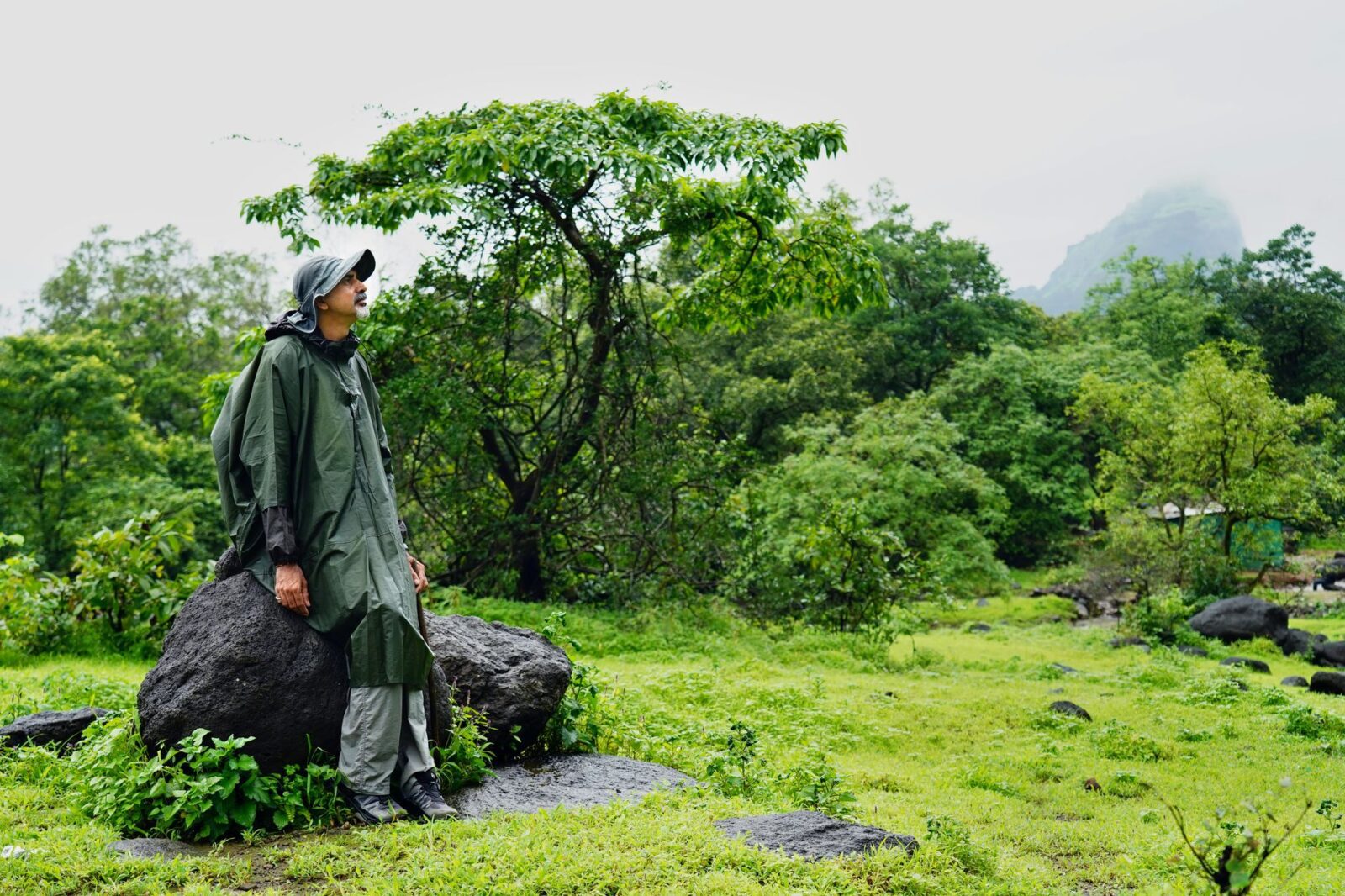
August transforms India into a vivid canvas of emerald hills, thundering waterfalls and lively festivals as the southwest monsoon blankets much of the subcontinent. Travelers who embrace the rain find fewer crowds, lower hotel rates and landscapes that are at their most photogenic. This month also marks the peak of several cultural celebrations, from Raksha Bandhan’s colorful threads to the exuberant boat races of Onam in Kerala. For those seeking both adventure and tranquility, August offers a unique window to experience India’s diversity without the usual tourist rush.
Weather patterns vary dramatically across the country. While the Himalayan rain‑shadow zones like Ladakh enjoy clear skies and pleasant daytime temperatures of 20‑25°C, the Western Ghats and Northeast receive heavy showers that turn valleys into lush carpets. Coastal areas such as Goa experience intermittent sunshine between downpours, making beach walks pleasant in the mornings. Understanding these regional differences helps you pick destinations that match your tolerance for rain and your activity preferences.
Budget‑savvy travelers benefit from off‑season pricing. A comfortable double room in a mid‑range hill‑station hotel averages $45‑$65 per night in August, compared to $80‑$120 in the peak winter season. Street food meals remain inexpensive at $2‑$4, while a decent restaurant dinner costs $8‑$15. Domestic flights booked six to eight weeks ahead can be secured for $50‑$90 on routes like Delhi‑Leh or Mumbai‑Goa, making spontaneous trips financially viable.
Himalayan Adventures: Ladakh, Spiti and Beyond
Ladakh remains one of the few regions where August brings dry, sunny weather, making it ideal for high‑altitude trekking and cultural tours. The Leh‑Manali highway is fully open by early August, allowing road trips through dramatic passes like Tanglang La (5,328 m). A night in a decent guesthouse in Leh costs around $30‑$45, while a night in a luxury camp near Pangong Lake runs $120‑$180. Shared jeep transfers from Leh to Nubra Valley are about $25 per person.
Spiti Valley, located in Himachal Pradesh’s rain‑shadow, offers a comparable experience with fewer tourists. August daytime temperatures hover between 15‑22°C, perfect for visiting ancient monasteries such as Key and Tabo. Homestays in Kaza start at $20 per night, including meals. A guided three‑day trek to the Pin Parvati pass can be arranged for $180‑$220, covering permits, guide fees and basic equipment.
Insider tip: Acclimatize for at least two full days in Leh before venturing above 3,500 m to avoid altitude sickness. Carry a reusable water bottle with purification tablets, as many streams are safe to drink after treatment. Local festivals like the Ladakh Festival (usually mid‑August) showcase traditional music, archery and dance—great opportunities to mingle with residents and witness living heritage.
Hill Station Havens: Munnar, Coorg and Ooty
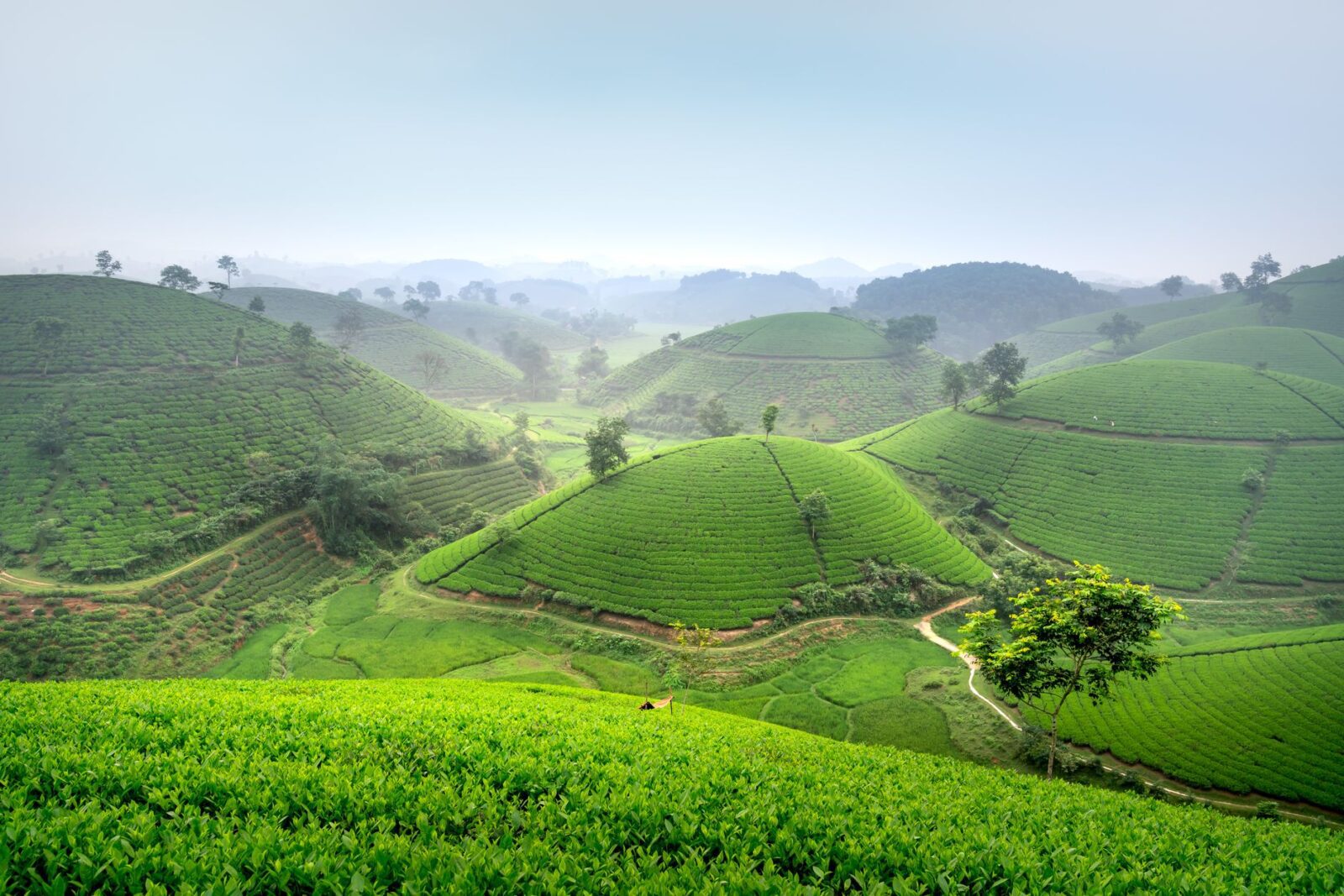
The Western Ghats come alive in August, with mist‑shrouded tea estates, cascading waterfalls and cool breezes that make hill stations a monsoon favorite. Munnar in Kerala sees average rainfall of 300‑400 mm during the month, turning its rolling slopes into a vibrant green carpet. A night in a boutique plantation bungalow costs $55‑$80, while a budget hotel near the town center is $25‑$35. A guided trek to Echo Point and the Top Station costs about $15 per person, including a packed lunch.
Coorg, often called the “Scotland of India,” offers coffee plantation walks, misty waterfalls like Abbey Falls and opportunities to spot wildlife such as the Malabar giant squirrel. Mid‑range resorts charge $60‑$90 per night, inclusive of breakfast and dinner. A plantation tour with a local guide is roughly $12, and a coracle ride on the Cauvery River costs $8. The town’s famous pork curry (pandi curry) is a must‑try, priced at $4‑$6 in local eateries.
Ooty in Tamil Nadu retains its colonial charm with botanical gardens, a scenic lake and the historic Nilgiri Mountain Railway. August temperatures stay mild at 14‑19 °C, perfect for leisurely boat rides on Ooty Lake ($3) and visits to the Rose Garden (entry $2). A night in a heritage hotel averages $70‑$100, while a clean guesthouse is $30‑$45. The famous homemade chocolates and varietal teas make excellent souvenirs, typically $5‑$12 per pack.
Northeast Splendor: Meghalaya, Sikkim and Darjeeling
Meghalaya, the “Abode of Clouds,” receives some of the highest rainfall on Earth, yet August reveals its most spectacular living root bridges and crystal‑clear rivers. The double‑decker root bridge near Nongriat village is accessible via a moderate trek; a guide costs $10‑$15 per day. Staying in an eco‑lodge in Cherrapunji averages $40‑$55 per night, including meals. A visit to the Mawsmai cave and the Seven Sisters waterfalls can be combined in a half‑day tour for $20.
Sikkim’s capital Gangtok offers panoramic views of Kanchenjunga, monasteries and a pleasant monsoon climate with daytime highs of 20‑24 °C. A night in a mid‑range hotel is $45‑$65, while a boutique resort with spa facilities runs $90‑$120. The Rumtek Monastery entry is free, and a guided tour of the Enchey Monastery costs $8. Don’t miss the local momos and thukpa, each plate priced at $2‑$3.
Darjeeling in West Bengal continues to charm with its tea gardens, the UNESCO‑listed Darjeeling Himalayan Railway and views of the snow‑capped peaks. August showers keep the gardens lush, and a tea‑tasting session at a reputable estate costs $12. A night in a heritage hotel averages $55‑$80, while a budget guesthouse is $25‑$35. The famous Darjeeling “second flush” tea, harvested in late August, is prized for its muscatel flavor and sells for $15‑$25 per 100 g tin.
Western Ghats & Coastal Retreats: Goa, Kerala Backwaters and Mahabaleshwar
Goa’s beaches take on a quieter, more romantic vibe in August, with sporadic sunshine between showers and lush hinterlands perfect for spice‑plantation tours. While sea conditions can be rough, many beach shacks remain open, serving fresh fish curry and feni at $5‑$8 per meal. A night in a beachfront hut costs $30‑$45, whereas a mid‑range hotel near Panaji is $50‑$70. The Dudhsagar Falls, accessible via a jeep trek, are at their most powerful in August; a guided trip costs $35‑$45 per person.
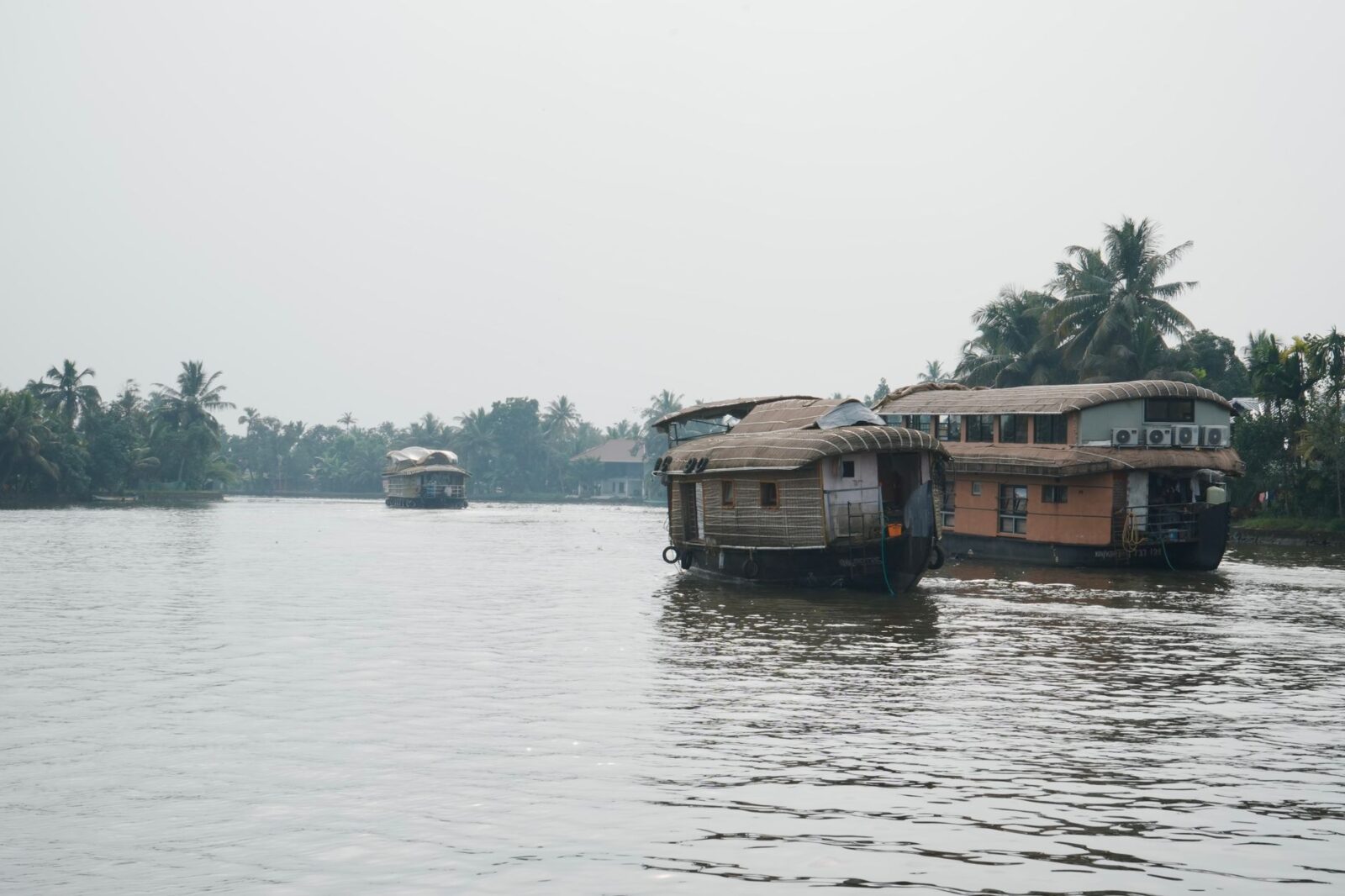
The Kerala backwaters transform into a serene mirror of green paddy fields and coconut groves. A traditional houseboat (kettuvallam) stay averages $90‑$130 per night, including all meals and a crew. A day cruise on Alleppey’s canals is $40‑$55, while a night‑only stay drops to $70‑$85. For a more budget‑friendly experience, opt for a canoe ride through the narrower canals at $12‑$18 per hour. The famous Kerala sadya (vegetarian feast) served on a banana leaf costs $6‑$9.
Mahabaleshwar in Maharashtra offers strawberry farms, misty viewpoints and the legendary Lingmala Waterfall, which peaks in August. A night in a resort with valley views is $55‑$80, while a clean lodge is $30‑$45. A guided trek to Wilson Point (Sunrise Point) costs $10, and a fresh strawberry shake is $3. The town’s famous chikki (peanut brittle) makes a tasty, inexpensive snack at $1‑$2 per piece.
Heritage & Festival Cities: Jaipur, Udaipur and Varanasi
August’s monsoon rains bring a fresh glow to Rajasthan’s palaces and forts, reducing dust and enhancing photo opportunities. Jaipur’s Amber Fort looks stunning against a backdrop of dark clouds, and the evening sound‑and‑light show runs despite light rain. A night in a heritage haveli averages $60‑$90, while a budget hotel near MI Road is $30‑$45. Entry to the fort is $6 for foreigners, and a guided tour adds $12. The city’s famous dal baati churma plate costs $4‑$5.
Udaipur, the “City of Lakes,” enjoys cooler temperatures and fuller lakes during August, making boat rides on Lake Pichola especially picturesque. A sunset boat cruise costs $10‑$12 per person. A night in a lakeside palace hotel runs $120‑$180, while a comfortable boutique stay is $70‑$100. The City Palace entry is $10, and a guided heritage walk is $15. Don’t miss the local mirchi bada (spicy chili fritter) at $2.
Varanasi’s ghats take on a mystical aura as the Ganges swells with monsoon waters, and the evening Ganga Aarti continues uninterrupted. A night in a riverside guesthouse is $20‑$35, while a mid‑range hotel near Assi Ghat is $45‑$60. A boat ride at sunrise costs $5‑$7, and a guided tour of the temples adds $12. The city’s famous kachori sabzi is priced at $3‑$4 per plate.
Offbeat Monsoon Treks: Valley of Flowers, Tawang and Spiti
For travelers craving solitude and dramatic scenery, the Valley of Flowers in Uttarakhand bursts into a kaleidoscope of alpine blooms in August, coinciding with the peak flowering season. The trek from Govindghat to the valley is moderate, taking about four hours each way. A night in a basic forest rest house is $15‑$20, while a tented camp with meals costs $30‑$40. Permits for foreign nationals are $50, and a guide‑porter package is $25‑$35 per day. Expect to see species like the blue poppy and brahma kamal, with peak bloom usually mid‑ to late August.
Tawang in Arunachal Pradesh offers dramatic monasteries, high‑altitude lakes and fewer tourists during the monsoon. The famous Tawang Monastery, perched at 3,000 m, remains accessible, and the surrounding hills are draped in mist. A night in a decent guesthouse is $25‑$35, while a homestay with a Monpa family costs $20‑$28, including meals. The trek to Madhuri Lake (Shonga‑tser) is a gentle day hike; a guide charges $12. The local specialty, thukpa with yak meat, is hearty and costs $4‑$5.
Spiti’s lesser‑known trails, such as the trek from Kaza to the high‑altitude lake of Chandratal, reward adventurers with turquoise waters surrounded by barren peaks. August daytime temperatures at Chandratal hover around 8‑12 °C, nights can dip below freezing, so a good sleeping bag is essential. A night in a campsite near the lake is $18‑$25, and a guide‑porter service is $20‑$30 per day. The route offers chances to spot Himalayan blue sheep and snow‑capped peaks, making it a photographer’s dream.
Practical Guide & FAQ: Budget, Packing, Checklist and Essentials
Planning an August trip to India requires a balance of flexibility and preparation. Start by deciding your primary region—dry Ladakh for trekking, wet Western Ghats for greenery, or cultural cities for festivals—then book flights and accommodation at least six weeks ahead to lock in the best rates. Use reliable travel apps to monitor weather updates, as sudden downpours can affect road conditions, especially in the Himalayas and Northeast. Always carry a lightweight, waterproof jacket, quick‑dry clothing, sturdy waterproof shoes and a good insect repellent; malaria risk is low in most tourist areas but dengue precautions are wise.
Budget breakdown for a moderate 10‑day itinerary covering two regions (e.g., Leh‑Ladakh plus Kerala) looks like this: international flights $600‑$900 (from Europe or North America), domestic flights $150‑$250, accommodation $45‑$70 per night averaging $550, meals $12‑$18 per day totaling $130‑$180, local transport (taxis, autos, occasional private hire) $150‑$200, entry fees and guides $100‑$150, and a miscellaneous buffer of $100. This brings a comfortable total to $1 800‑$2 200 for solo travelers; couples can share accommodation and transport costs, reducing the per‑person figure to roughly $1 300‑$1 600.
Checklist:
- Passport with at least six months validity
- Indian e‑visa (apply online, usually processed within 72 hours)
- Travel insurance covering medical evacuation
- Water‑proof backpack or dry bags
- Reusable water bottle with purification tablets
- Basic medical kit (band‑aids, antiseptic, oral rehydration salts, any personal medication)
- Power adapter (India uses Type C, D, M; 230 V, 50 Hz)
- Copies of important documents stored digitally
Now, here are some of the most common questions travelers ask about visiting India in August.
FAQ
Is August a good time to visit India for first‑time travelers? Yes, if you choose regions that match your rain tolerance. First‑timers often enjoy the cultural richness of Jaipur, Udaipur or Varanasi, where monuments are less crowded and the monsoon adds a romantic haze. For nature lovers, the hill stations of Munnar, Coorg or Ooty offer lush scenery and comfortable temperatures.
What should I pack for an August trip to India? Prioritize waterproof gear: a breathable rain jacket, poncho, quick‑dry trousers and shirts, and waterproof shoes or sandals with good grip. Pack layers for cooler hill‑station evenings (fleece or light sweater). Include a hat, sunscreen (UV rays remain strong even under clouds), insect repellent with DEET, and a basic medical kit. A power bank is handy because occasional power outages can occur during heavy storms.
Are there any safety concerns related to the monsoon? The main risks are landslides in mountainous areas and occasional flooding in low‑lying zones. Always check local advisories before traveling to remote hill areas, avoid trekking during heavy rain warnings, and stay away from swollen rivers. In cities, waterlogging can cause traffic delays, so allow extra time for transfers. Health‑wise, drink only bottled or purified water and eat freshly cooked food to avoid stomach upsets.
How can I save money while still experiencing the best of August? Travel during the first two weeks of August to catch lower prices before the peak of domestic school holidays. Use overnight trains or buses to save on accommodation— a sleeper class ticket from Delhi to Jaipur costs $15‑$20, while a Volvo bus from Bangalore to Mysore is $8‑$12. Eat at local dhabas and street stalls where a thali meal is $2‑$4. Finally, consider staying in government‑run tourist lodges or homestays, which often provide clean rooms at $15‑$25 per night.
Do I need any special permits for places like Ladakh or Arunachal Pradesh? Yes. Foreign tourists need an Inner Line Permit (ILP) for Arunachal Pradesh, obtainable online or at designated offices in Guwahati or Tezpur, free of charge. For Ladakh, no special permit is required for Indian nationals, but foreigners must register at the Foreigners’ Regional Registration Office (FRRO) in Leh upon arrival, a simple process that takes about 30 minutes. Always carry a copy of your passport and visa when checking into hotels.