

A Journey Beyond the Clouds
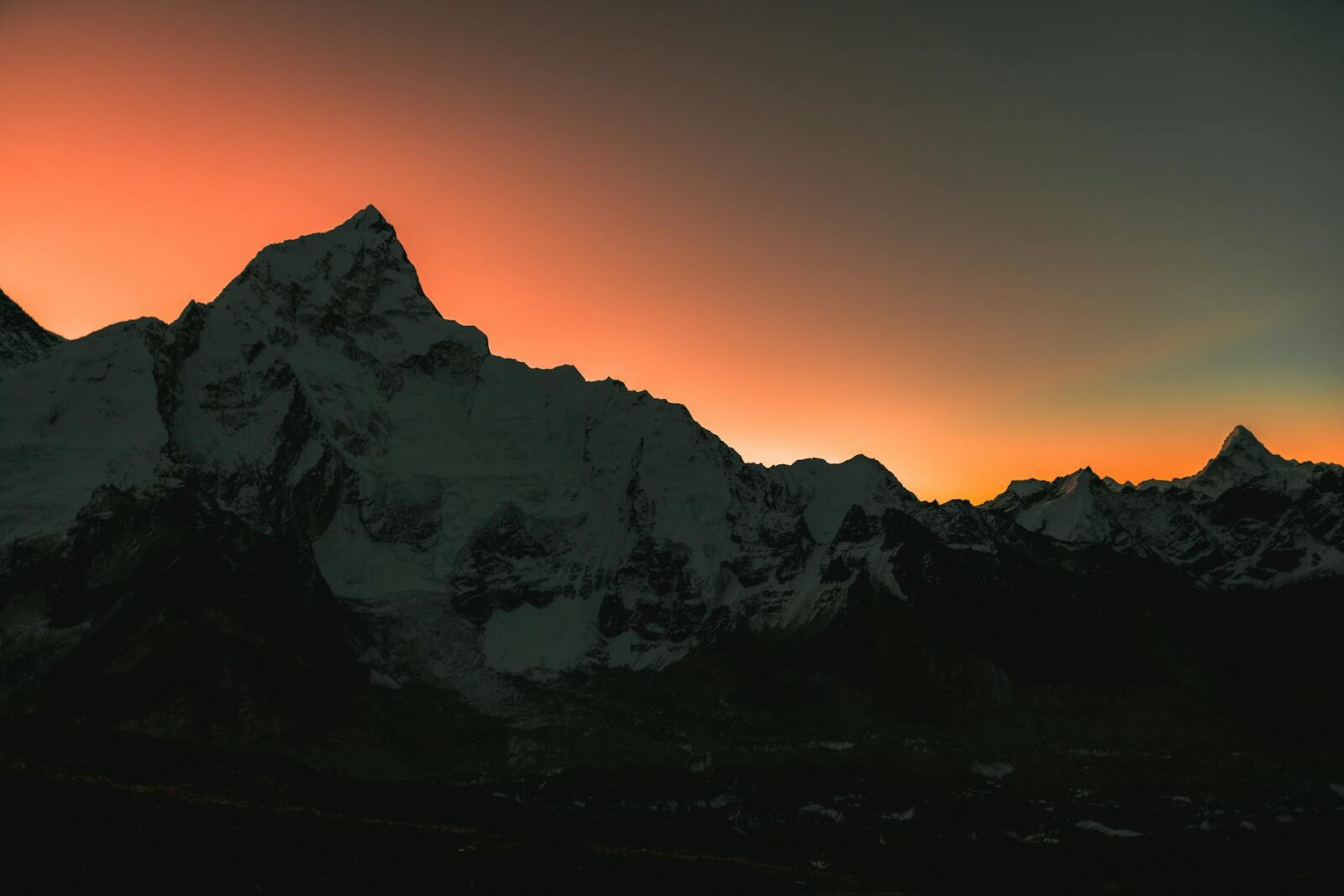
As the first rays of the sun paint the peaks of the Himalayas in hues of gold, the serene sound of a monastery bell echoes through the Khumbu Valley. This is the Everest Base Camp trek, a journey not just of physical endurance, but of spiritual awakening. Standing at 5,364 meters, the base camp is where adventurers and dreamers alike come to stand in the shadow of the world’s highest peak, Mount Everest.
Route Overview and Trekking Challenges
The Everest Base Camp trek is a 12 to 14-day adventure that spans approximately 130 kilometers (80 miles) round trip. The journey begins in Lukla, a small town known for its precarious airport, and traverses through the heart of the Sagarmatha National Park. With a maximum altitude of 5,364 meters at the base camp, trekkers must be prepared for challenging conditions, including steep ascents and the thinning air.
This trek is considered moderately difficult. While no technical climbing skills are required, a good level of physical fitness is essential. Trekkers should be comfortable walking for 5-7 hours a day with a backpack.
Day-by-Day Itinerary
Day 1: Fly from Kathmandu to Lukla (2,860m) and trek to Phakding (2,610m). Distance: 9km, 3-4 hours.
Day 2: Trek from Phakding to Namche Bazaar (3,440m). Distance: 12km, 6-7 hours. Altitude gain: 830m.
Day 3: Acclimatization day in Namche Bazaar. Optional hike to Everest View Hotel.
Day 4: Trek from Namche Bazaar to Tengboche (3,860m). Distance: 10km, 5-6 hours. Altitude gain: 420m.
Day 5: Trek from Tengboche to Dingboche (4,410m). Distance: 11km, 5-6 hours. Altitude gain: 550m.
Day 6: Acclimatization day in Dingboche. Optional hike to Nagarjun Hill.
Day 7: Trek from Dingboche to Lobuche (4,940m). Distance: 8km, 5-6 hours. Altitude gain: 530m.
Day 8: Trek from Lobuche to Gorak Shep (5,170m), then to Everest Base Camp (5,364m) and back to Gorak Shep. Distance: 15km, 7-8 hours.
Day 9: Early morning hike to Kala Patthar (5,545m) for sunrise views, then descend to Pheriche (4,240m). Distance: 13km, 7-8 hours.
Day 10: Trek from Pheriche to Namche Bazaar. Distance: 15km, 6-7 hours.
Day 11: Trek from Namche Bazaar to Lukla. Distance: 19km, 7-8 hours.
Day 12: Fly back to Kathmandu.
Best Seasons to Trek
The most popular times to embark on the Everest Base Camp trek are the pre-monsoon spring (March to May) and the post-monsoon autumn (September to November). During these months, the weather is relatively stable, and the views are spectacular. However, spring is known for its blooming rhododendrons, while autumn offers crisp, clear skies.
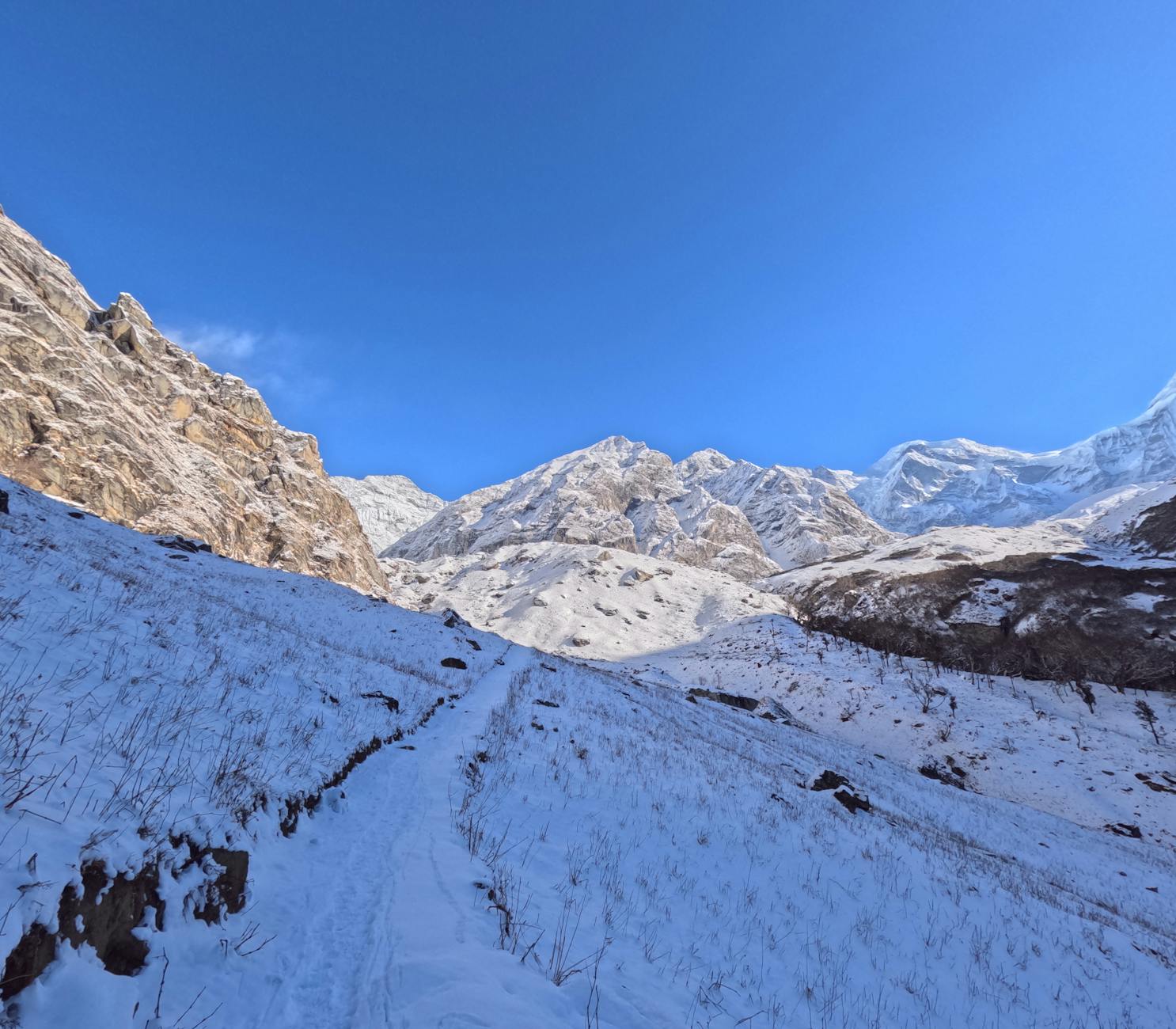
Winter (December to February) can be extremely cold with heavy snowfall, and the monsoon season (June to August) brings rain and clouds that obscure the mountains, making these less favorable times for trekking.
Permits and Costs
Trekkers require a TIMS (Trekkers’ Information Management System) card and a Sagarmatha National Park entry permit. As of 2026, the TIMS card costs approximately $20 USD, and the national park permit is $30 USD. These can be acquired in Kathmandu or at the park’s entrance in Monjo.
Essential Gear for the Trek
Proper gear is crucial for a safe and comfortable trek. Essential items include a high-quality sleeping bag rated for -10°C, layered clothing, a waterproof jacket, sturdy trekking boots, a backpack with a rain cover, and a water purification system. Trekking poles, a hat, gloves, and sunglasses are also recommended to tackle the varying conditions.
Accommodation and Costs
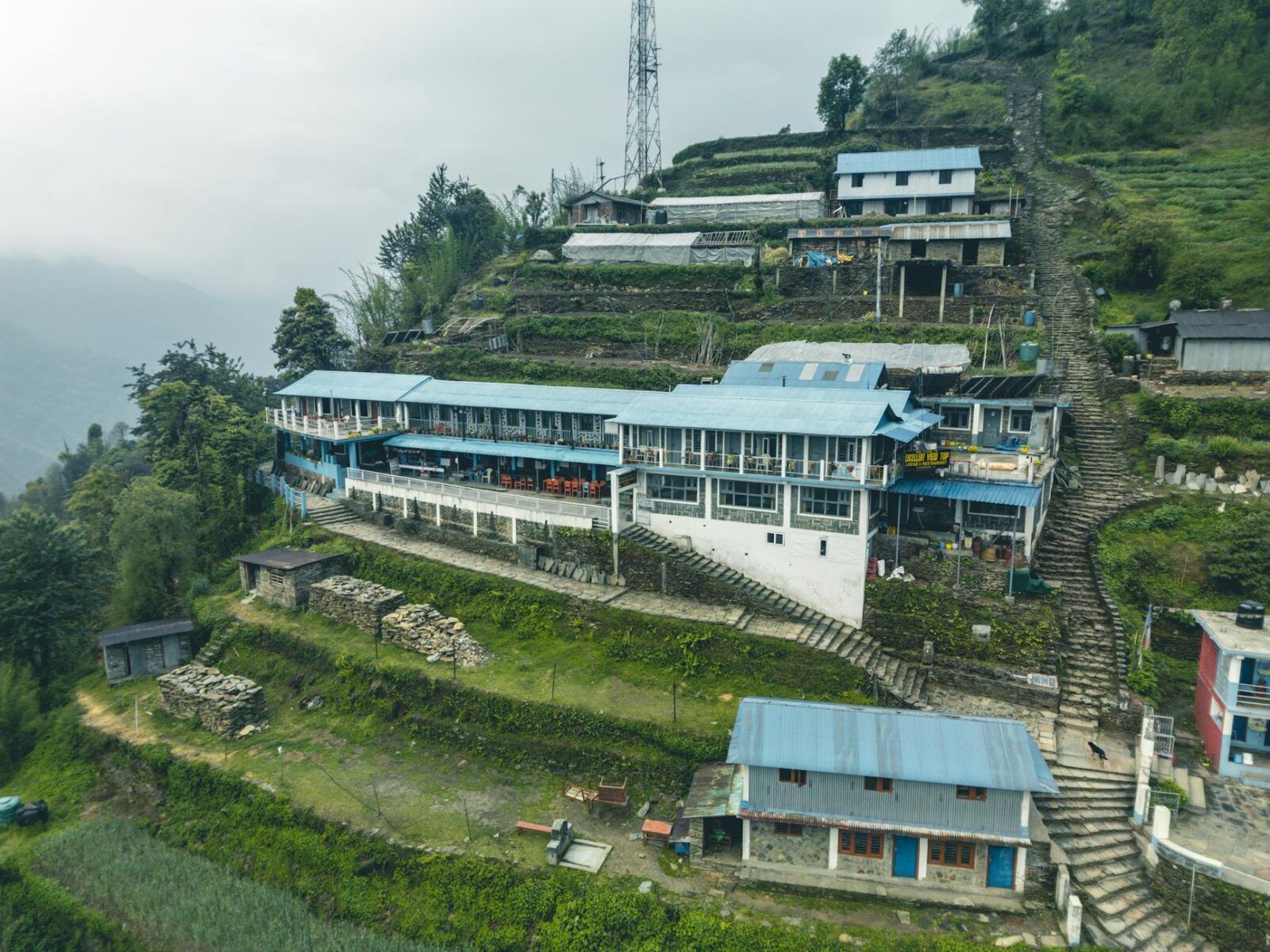
Accommodation along the trek is primarily in teahouses, which provide basic lodging and meals. Expect to pay around $5-10 USD per night for a bed. Meals will cost $20-30 USD per day. Hiring a guide can range from $30-50 USD per day, while a porter costs around $15-25 USD daily. It is customary to tip guides and porters at the end of the trek, with an average tip of 10-15% of their fee.
Health, Safety, and Altitude Considerations
Altitude sickness is a serious concern above 2,500 meters. To prevent it, acclimatize properly by spending extra days at key points such as Namche Bazaar and Dingboche. Drink plenty of fluids, avoid alcohol, and ascend gradually. Consider carrying Diamox (acetazolamide) to help with acclimatization.
Travel insurance that covers high-altitude trekking and potential evacuation is essential. In case of emergencies, helicopter evacuations are available, though costly without insurance.
Cultural Etiquette and Sustainable Practices
Respect local customs by dressing modestly and asking permission before photographing people or religious sites. When visiting temples, remove shoes and hats as a sign of respect. Practicing ‘Leave No Trace’ principles is vital—carry out all trash and minimize environmental impact.
FAQs
How difficult is the Everest Base Camp trek?
The trek is moderately difficult, requiring physical fitness and endurance for long walking days.
What is the cost range for the Everest Base Camp trek?
The trek costs between $1,200 and $4,000 USD, depending on the level of comfort and services chosen.
When is the best time to trek to Everest Base Camp?
Spring (March-May) and autumn (September-November) are the best times, offering stable weather and clear views.
Do I need a guide for the Everest Base Camp trek?
While not mandatory, hiring a guide is highly recommended for safety, local insights, and navigation assistance.
What should I pack for the trek?
Pack essentials like a sleeping bag, layered clothing, trekking boots, a rain jacket, and water purification tablets.
Stay informed with the latest travel news, visa updates, and destination guides. Follow HimalayanCrest.com for weekly travel intelligence delivered by our editorial team.