

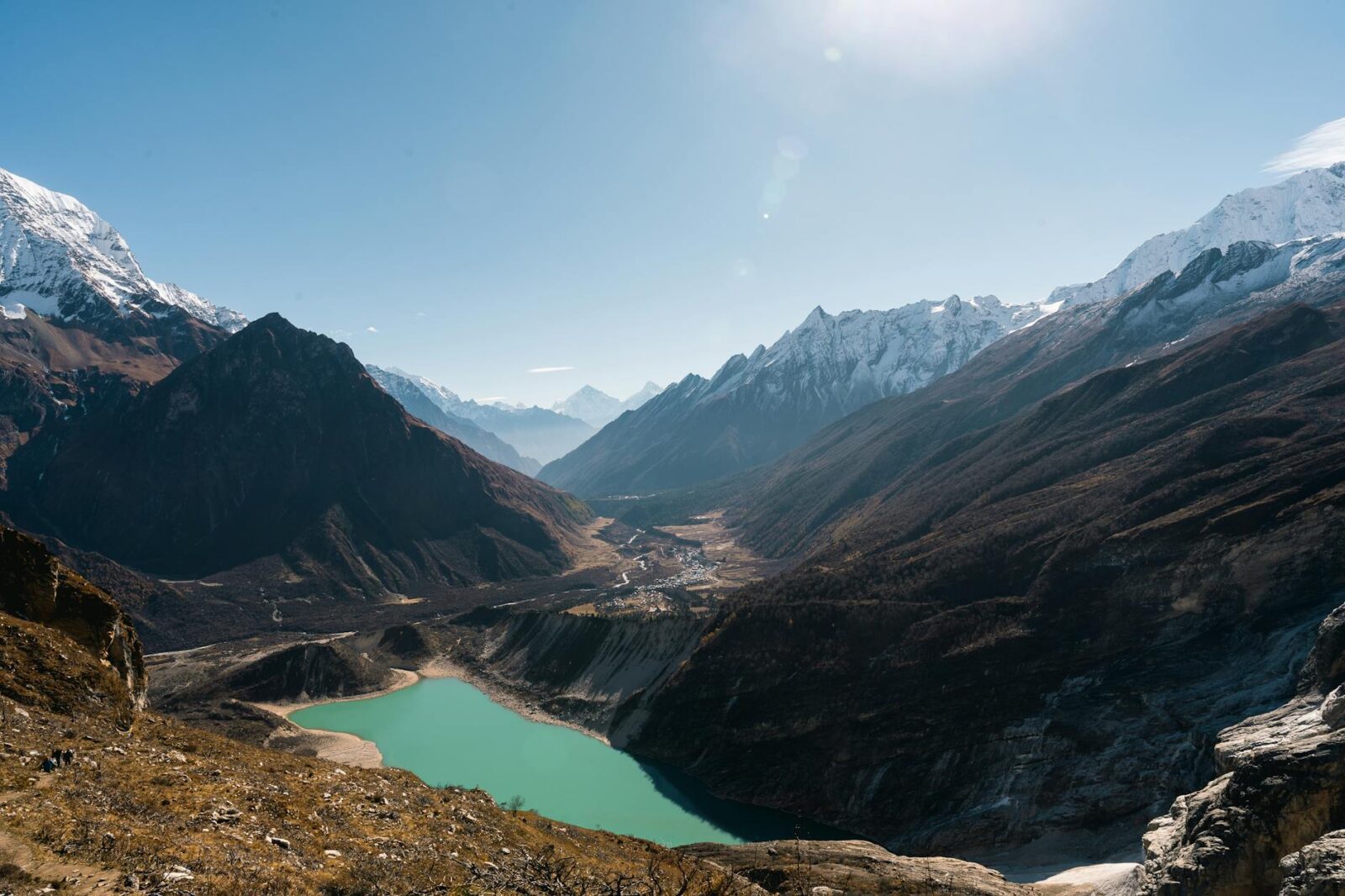
January: Winter Serenity in Nepal
Picture this: the crisp Himalayan air bites at your cheeks as you stand atop a snow-dusted ridge, the sun rising behind the towering peaks of the Annapurna range. January in Nepal offers a unique tranquility, with the mountains displaying their serene winter charm. The weather is predominantly cold and dry, with daytime temperatures in Kathmandu hovering around 15°C (59°F) and dropping below freezing in the high-altitude areas.
Although trekking routes like the Everest Base Camp are accessible, they demand excellent fitness and preparation for sub-zero temperatures. Winter is ideal for those seeking solitude on the trails, with fewer crowds and clear skies providing breathtaking vistas. However, be prepared for potential travel disruptions due to snow.
February: A Quiet Winter Wonderland
February maintains the cool, clear conditions of January, but with a slight increase in temperatures as spring approaches. This is a month where Nepal’s famous trekking routes, such as the Annapurna Circuit, are less crowded, offering an intimate connection with nature. Daytime temperatures in Kathmandu rise to about 18°C (64°F), while nights remain chilly.
This period is perfect for budget travelers, as off-peak rates apply to accommodations and guided tours. However, expect cold nights and ensure you pack appropriate winter gear, including a four-season sleeping bag and thermal layers.
March: Spring Awakens the Himalayas
March heralds the arrival of spring, transforming Nepal into a vibrant tapestry of rhododendron blooms. The weather becomes more forgiving, making it one of the best months for trekking. Daytime temperatures in Kathmandu reach around 22°C (72°F), with pleasant conditions extending to the higher altitudes.
The popular trekking paths like Langtang Valley and the Annapurna Base Camp see an uptick in visitors, drawn by the moderate temperatures and clear mountain views. It’s advisable to book accommodations in advance and consider a guide for navigating the busier trails.
April: Peak Trekking Season
April is peak trekking season in Nepal, with conditions nearly perfect for outdoor activities. The days are warm and dry, with temperatures in Kathmandu averaging 25°C (77°F). This month offers the clearest mountain vistas, attracting trekkers from around the world.
However, this popularity comes with crowded trails, especially on iconic routes like Everest Base Camp. Accommodation prices rise, and it’s wise to secure permits early. Despite the crowds, the spectacular scenery and vibrant festivals, such as Bisket Jatra, make April a magical time to visit Nepal.
May: Transition to Monsoon
As May progresses, the first hints of the monsoon season begin to appear, with increased humidity and occasional showers. Temperatures in Kathmandu can soar to 30°C (86°F), making higher altitudes more comfortable for trekking.
While the landscape remains lush and inviting, trekkers should be prepared for muddy trails and potential rain, especially in the latter half of the month. It’s an excellent time for those seeking fewer crowds and exploring rain-shadow areas like Mustang.
June to August: Monsoon Challenges
The monsoon season, spanning from June to August, brings heavy rainfall to most parts of Nepal, affecting trekking conditions significantly. Temperatures in Kathmandu stay around 27°C (81°F), with high humidity levels.
While this period is not ideal for trekking in popular regions like Annapurna and Everest, it offers a unique opportunity to explore less-visited areas like Upper Mustang and Dolpo, which lie in the rain shadow. Travelers should be prepared for slippery trails and potential transportation delays.
September: Post-Monsoon Freshness
September marks the end of the monsoon, with clear skies returning and temperatures stabilizing around 28°C (82°F) in Kathmandu. The landscapes are lush and vibrant, making it a fantastic time for photography and trekking.
This month sees the gradual return of trekkers, as conditions improve. It’s advisable to start your trek early in the month to avoid the larger crowds that arrive in October. Ensure you have waterproof gear and check the condition of trails before setting out.
October: The Golden Month
October is often considered the best month to visit Nepal. The weather is stable, with clear skies and mild temperatures, making it ideal for trekking and cultural festivals. Daytime temperatures in Kathmandu hover around 26°C (79°F).
This period is perfect for experiencing Nepal’s rich cultural tapestry, with festivals like Dashain and Tihar bringing vibrant celebrations to life. However, it’s also the peak of the tourist season, so advance bookings for accommodations and permits are essential.
November: Autumn Splendor
As autumn progresses, November continues to offer excellent trekking conditions, with cooler temperatures and pristine mountain views. Daytime temperatures in Kathmandu average 23°C (73°F).
The trails remain busy, but the breathtaking scenery and cultural experiences make it worthwhile. It’s a great time for shorter treks and exploring the cultural heritage of Kathmandu Valley. Be prepared for chilly nights at higher altitudes and ensure you have appropriate gear.
December: Embracing the Cold
December brings the onset of winter, with temperatures dropping and trails becoming quieter. Temperatures in Kathmandu range from 5°C to 18°C (41°F to 64°F), with colder conditions in the mountains.
While some high-altitude treks become challenging, it’s an excellent month for exploring cultural sites and enjoying the festive atmosphere in cities. For those venturing into the mountains, robust gear and a flexible itinerary are essential to accommodate weather changes.
Permits and Costs
When planning your trek, remember that permits are required for most routes. The TIMS card costs approximately $10 USD for independent trekkers and $20 USD for group trekkers. Additionally, national park fees range from $30 to $50 USD, depending on the region.
Practical Tips for a Safe Trek
To ensure a safe and enjoyable trekking experience, consider the following:
- Hire a local guide or porter to support your journey.
- Carry a reliable water purification system and first-aid kit.
- Invest in comprehensive travel insurance that includes emergency evacuation.
- Adhere to temple etiquette and local customs, including dressing modestly.
- Practice sustainable trekking by minimizing waste and respecting wildlife.
FAQs
What is the best time for trekking in Nepal?
The best time for trekking in Nepal is during the spring (March to May) and autumn (September to November) seasons, when the weather is stable and the views are clear.
Do I need a guide for trekking in Nepal?
While not mandatory, hiring a guide is recommended for safety, local insights, and support in navigating trails, especially on less popular routes.
What should I pack for a trek in Nepal?
Essential items include a quality backpack, layered clothing, a four-season sleeping bag, trekking boots, a first-aid kit, and a water purification system.
How can I prevent altitude sickness?
Prevent altitude sickness by ascending gradually, staying hydrated, eating light meals, and considering medications like Diamox as a preventive measure.
Is it safe to travel to Nepal during the monsoon?
Traveling during the monsoon is safe with proper preparation, though trails can be muddy and transportation may be affected. Consider rain-shadow areas for a more stable experience.
Embark on your Nepal adventure with confidence, armed with the knowledge to make the most of each season. Share your experiences and let us know your favorite time to visit this majestic land.
Stay informed with the latest travel news, visa updates, and destination guides. Follow HimalayanCrest.com for weekly travel intelligence delivered by our editorial team.