

Arriving in the Lion City: First Impressions
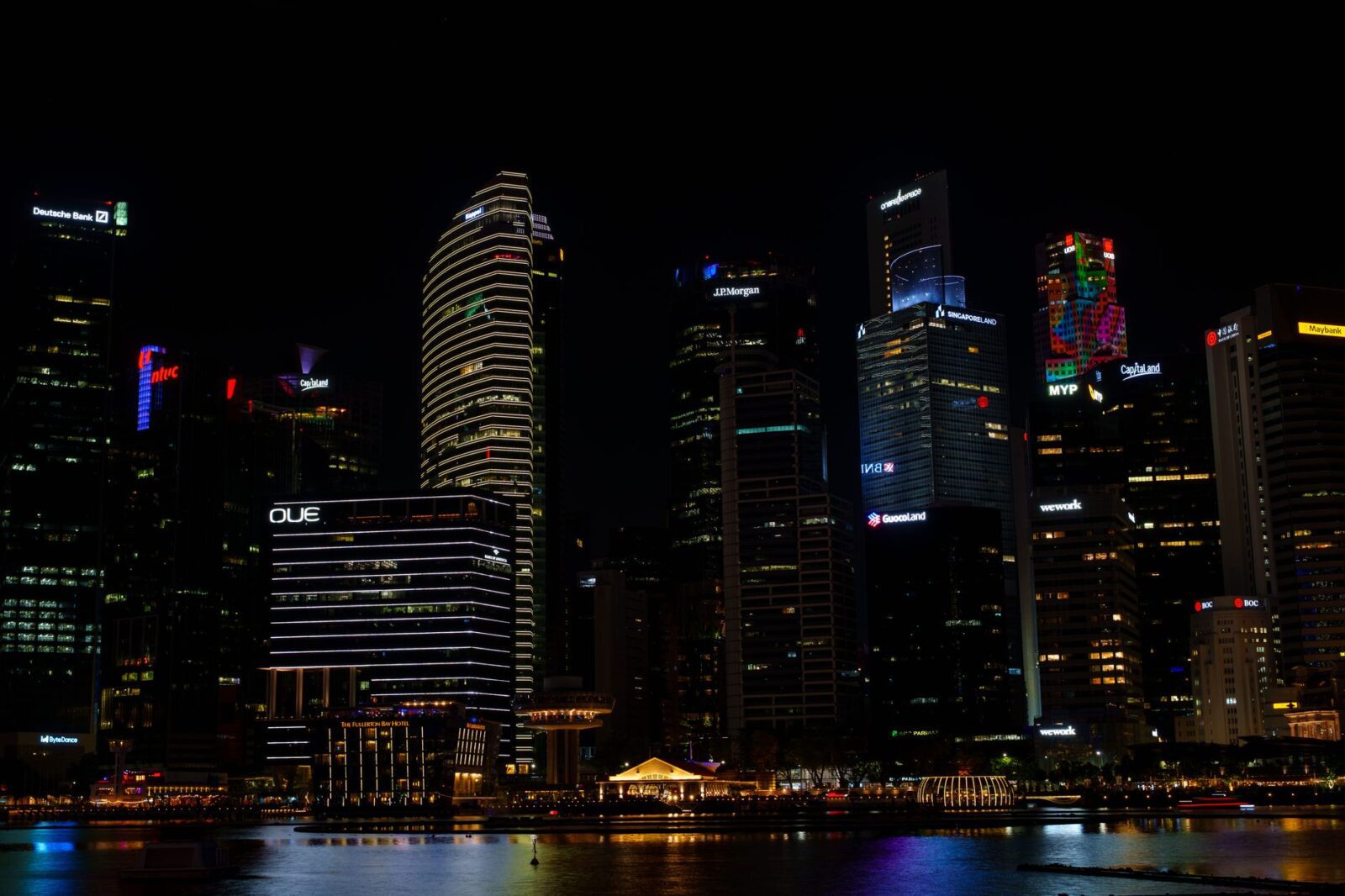
Step out of Changi Airport and the warm, humid air greets you with a hint of frangipani from the gardens outside the terminals. The efficient MRT whisks you into the city centre in under 30 minutes, and you can already see the gleam of Marina Bay Sands on the horizon. Even before you check into your hotel, the scent of roasting coffee and fried shallots drifts from a nearby kopitiam, promising the culinary adventure ahead.
Singapore in 2026 feels both familiar and freshly energized. The city-state continues to blend its colonial heritage with cutting‑edge sustainability projects, from the solar‑powered Supertrees to the expanding network of park connectors. Visitors notice the clean streets, the orderly queues, and the friendly multilingual signage that makes navigation effortless for first‑timers.
This guide is built for travelers who want to experience the highlights without rushing. Over three days you’ll wander historic neighborhoods, taste iconic dishes at hawker centres, enjoy panoramic views, and still have time to relax at a rooftop bar as the city lights flicker on.
Why Singapore Deserves Your Attention Right Now
In 2026 Singapore is hosting a series of cultural festivals that showcase its multicultural soul. The Singapore Night Festival, running from late August into early September, transforms Armenian Street and the Peranakan Museum into a playground of light installations and traditional performances. Meanwhile, the #RevUpSG watch parties bring the excitement of the Formula 1 Singapore Grand Prix to heartland locations like HDB Hub and Kampung Admiralty, offering free screenings and community activities.
Food lovers will find the Mid‑Autumn Festival lantern displays lighting up Gardens by the Bay from early September, accompanied by special mooncake pop‑ups and culinary collaborations featuring Spanish tapas and local Peranakan flavors. These events add a layer of excitement beyond the usual attractions, making a short visit feel richer and more timely.
Beyond festivals, Singapore’s commitment to green spaces continues to impress. The Southern Ridges trail now connects Mount Faber Park to Kent Ridge Park with new canopy walks, offering hikers panoramic views of the harbor and the city’s southern islands. Whether you’re a first‑time visitor or returning traveler, there’s always a fresh angle to explore.
Best Time to Visit: Weather and Festivals Month by Month
Singapore’s climate is tropical, with temperatures hovering between 25°C and 32°C year‑old and high humidity. The wettest months are November to January, when the northeast monsoon brings frequent afternoon showers. February to April tends to be the driest period, with sunshine dominating and brief thunderstorms in the late afternoon.
May through July sees the southwest monsoon, bringing slightly higher rainfall but still plenty of sunshine for outdoor activities. August and September are particularly vibrant due to the Night Festival, Mid‑Autumn celebrations, and the Grand Prix weekend in September. If you prefer fewer crowds and lower hotel rates, consider late October or early December, just before the peak holiday season.
Regardless of when you go, pack lightweight clothing, a compact umbrella, and sunscreen. Indoor attractions like museums and shopping malls are heavily air‑conditioned, so a light sweater can be useful for moving between the heat outside and the cool interiors.
Where to Stay: Neighborhoods and Budget Ranges
For budget travelers, the areas around Little India and Kampong Glam offer clean hostels and guesthouses ranging from $30 to $50 per night. You’ll be steps away from vibrant markets, affordable eateries, and easy MRT access via the Dhoby Ghaut or Jalan Besar stations. Many of these properties provide communal kitchens and rooftop lounges where you can meet fellow travelers.
Mid‑range options, priced between $80 and $150 per night, are plentiful in Tiong Bahru, Bugis, and along Orchard Road. Boutique hotels in Tiong Bahru blend restored pre‑war architecture with modern design, often featuring rooftop pools and hip cafés. Staying near Orchard Road puts you within walking distance of major malls, while Bugis gives you access to street markets and the Sultan Mosque.
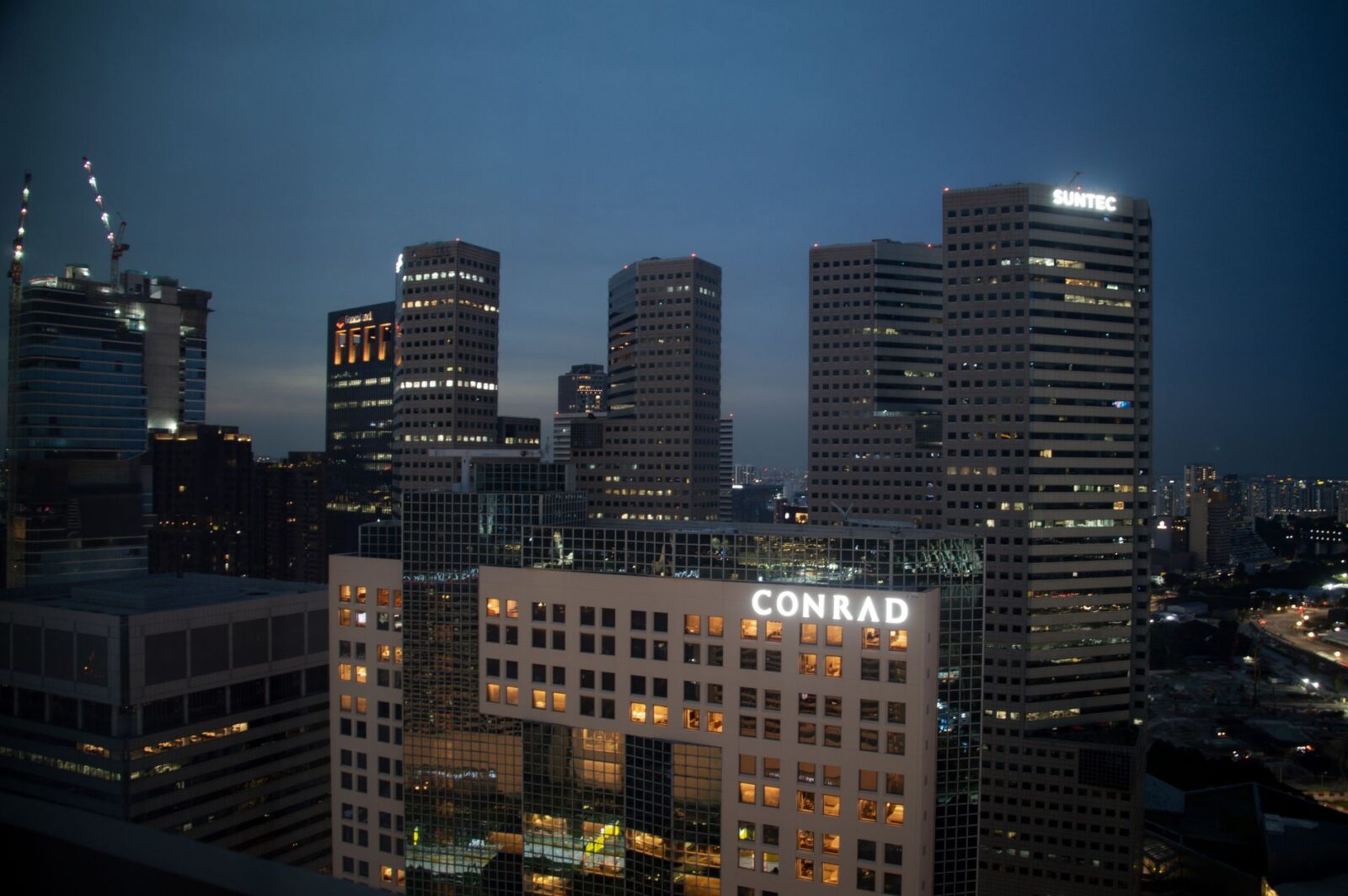
Luxury seekers will find $200+ night rates in Marina Bay, Sentosa, and the colonial district around Raffles Hotel. Properties like Marina Bay Sands offer infinity pools with skyline views, while Sentosa resorts provide beachfront access and spa facilities. Booking well in advance is advisable, especially during the Grand Prix weekend in September when demand spikes.
Day One: Heritage, Hawker Food, and City Views
Begin your morning in Chinatown, where the Buddha Tooth Relic Temple stands amid rows of shophouses selling traditional medicine and souvenirs. Wander the narrow lanes of Pagoda Street and sample a breakfast of kaya toast and soft‑boiled eggs at a local kopitiam, accompanied by a cup of kopi (strong coffee with condensed milk). The total cost for this breakfast is typically under $3 SGD.
After exploring the temple and the nearby Chinatown Heritage Center, hop on the MRT to Little India. The Sri Veeramakaliamman Temple greets you with its vibrant façade, and the Tekka Centre market offers a sensory overload of spices, fresh produce, and sizzling stalls. Try a plate of fish head curry or a banana leaf rice set for lunch; prices range from $5 to $8 SGD.
In the afternoon, walk toward Kampong Glam and admire the golden dome of Sultan Mosque. Browse the independent boutiques along Haji Lane, where you’ll find vintage clothing, local designers, and quirky cafés. As the sun begins to set, make your way to Marina Bay and walk the Helix Bridge for a panoramic view of the Supertrees lighting up. End the day with a Singapore Sling at the Long Bar in Raffles Hotel — a classic cocktail that costs around $20 SGD but is worth the experience.
Day Two: Gardens, Culture, and Nightlife
Start early at Gardens by the Bay, ideally arriving before 9 am to avoid the biggest crowds. The Cloud Forest dome offers a cool misty walk through a man‑made mountain covered in orchids and ferns, while the Flower Dome showcases changing floral displays from around the world. Admission to both conservatories is $28 SGD for adults, but the outdoor Supertree Grove and OCBC Skyway are free to explore.
After the gardens, take a short MRT ride to the National Museum of Singapore, where you can delve into the island’s history through immersive exhibits. The museum’s Singapore History Gallery uses artifacts and multimedia to tell the story from the 14th century to the present. Allocate about two hours here; admission is $15 SGD for adults.
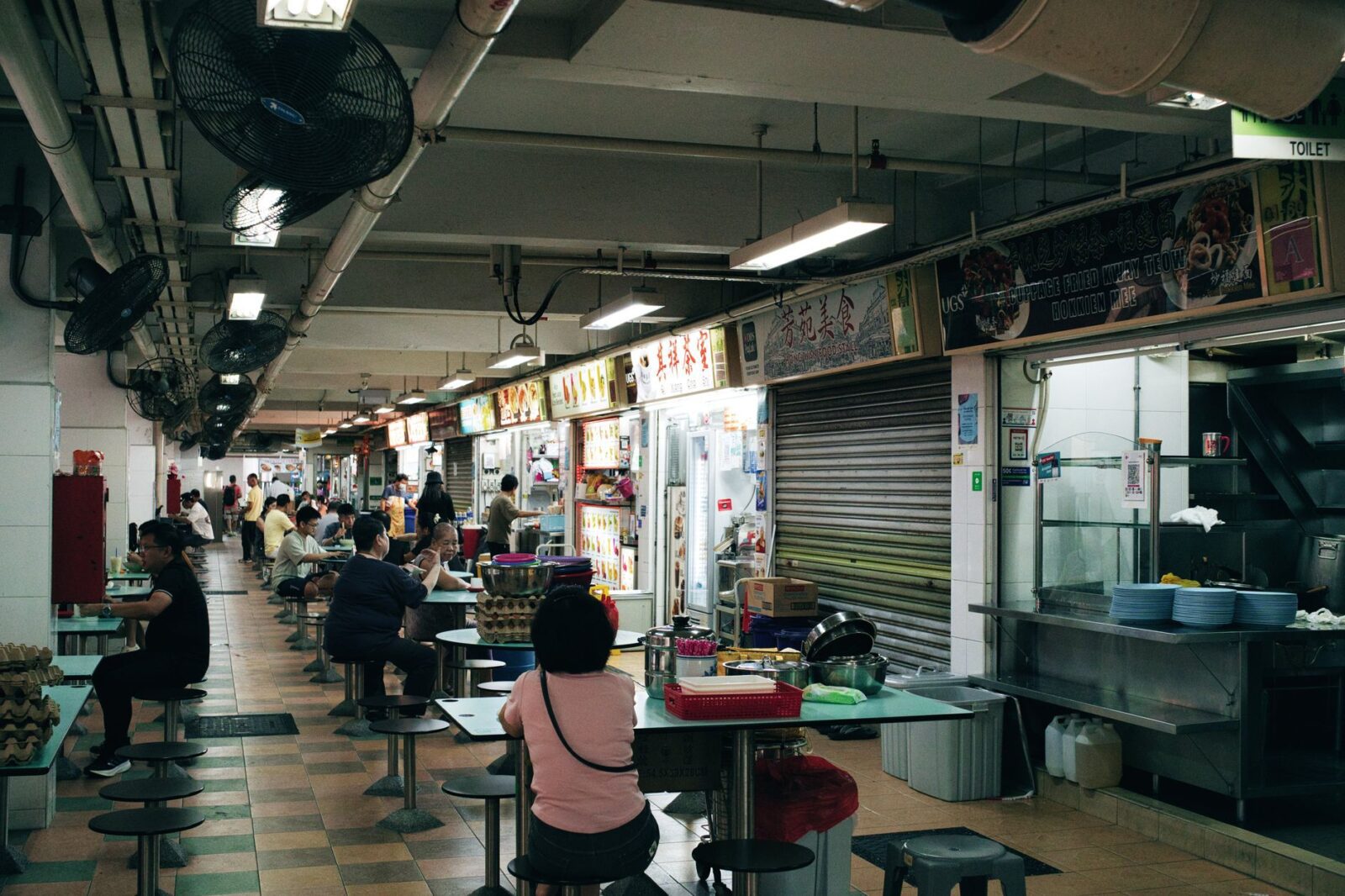
For lunch, head to the nearby Lau Pa Sat festival market, a historic iron‑built structure that transforms into a bustling satay street food scene after dark. Even during the day you can find stalls serving Hainanese chicken rice, laksa, and chili crab. Expect to pay $4‑$7 SGD per dish. In the evening, return to Lau Pa Sat for the famous satay night market, where skewers of marinated meat are grilled over charcoal and served with peanut sauce, rice cakes, and cucumber.
Cap off the night with a rooftop drink at Ce La Vi atop Marina Bay Sands. The sunset view over the bay and the city skyline is spectacular, and the cocktail menu features both classic and innovative mixes. Drinks start at around $22 SGD.
Day Three: Local Neighborhoods, Art, and Farewell Flavors
Dedicate your third morning to Tiong Bahru, one of Singapore’s oldest housing estates that has been lovingly gentrified. Wander the wet market where locals buy fresh fish, tofu, and vegetables, then stop at a nearby café for a slice of banana cake and a latte. The area’s art deco architecture and independent bookshops make it a favorite among creatives.
From Tiong Bahru, take a short bus or walk to the nearby Gillman Barracks art cluster. Contemporary galleries showcase works by Southeast Asian artists, and the open‑air setting often hosts installations and performances. Admission to the galleries is free, though some special exhibitions may charge a modest fee.
For lunch, venture to Katong, the heart of Peranakan culture. Try a plate of laksa lemak — rich coconut curry noodles with shrimp and fish cake — at the famous 328 Katong Laksa stall. A serving costs around $4 SGD. While in Katong, browse the colorful shophouses and perhaps pick up a piece of intricate beadwork as a souvenir.
In the late afternoon, consider a leisurely river cruise along the Singapore River. The bumboat ride offers views of colonial godowns, modern skyscrapers, and the iconic Merlion statue. Tours typically last 40 minutes and cost $25 SGD for adults. As the sun sets, the city’s lights begin to sparkle, providing a perfect final photo opportunity.
End your trip with a dinner at a hawker centre of your choice — perhaps Maxwell Food Centre or Tiong Bahru Market — where you can sample a variety of dishes like char kway teow, Hainanese chicken rice, and ice kachang. A satisfying meal with drink will rarely exceed $10 SGD, leaving you with a full belly and fond memories of your three‑day Singapore adventure.
Food and Drink: Must‑Try Dishes and Where to Find Them
Singapore’s hawker culture is recognized by UNESCO as an intangible cultural heritage, and for good reason. Dishes are affordable, flavorful, and reflect the nation’s Malay, Chinese, Indian, and Peranakan roots. A plate of Hainanese chicken rice — poached chicken served with fragrant rice, chili sauce, and ginger paste — can be found at Tian Tian Hainanese Chicken Rice in Maxwell Food Centre for about $3.50 SGD.
Laksa, a spicy noodle soup in either coconut‑based curry or tangy tamarind broth, is a staple. The Katong version, known as laksa lemak, is richer and creamier; try it at 328 Katong Laksa. Expect to pay $4‑$5 SGD per bowl. For something sweet, ice kachang — shaved ice topped with red beans, grass jelly, sweet corn, and flavored syrups — offers a refreshing treat for around $2 SGD.
Don’t miss the chance to try chili crab, Singapore’s iconic seafood dish. While it’s pricier than hawker fare, a meal at Jumbo Seafood or No Signboard Seafood typically costs $30‑$45 SGD per person, including mantou buns for sopping up the sauce. Pair it with a local beer like Tiger or a crisp Singapore Sling for the full experience.
Coffee culture thrives in kopitiams and specialty cafés alike. Order kopi O (black coffee with sugar) or kopi C (coffee with evaporated milk and sugar) for a traditional kick. In hip neighborhoods like Tiong Bahru and Kampong Glam, you’ll find third‑wave cafés serving single‑origin pour‑overs and latte art, priced between $5 and $8 SGD.
Getting There, Getting Around, Visa, and Budget Breakdown
Most travelers arrive via Changi Airport, consistently ranked among the world’s best. The airport connects to the city via the MRT East‑West Line (approximately $2 SGD) or a variety of airport shuttles and taxis. A taxi ride to the city center costs around $20‑$25 SGD and takes 20‑30 minutes depending on traffic.
Singapore’s public transport system is efficient and affordable. The MRT and bus network covers the entire island, with fares ranging from $1.00 to $2.50 SGD per trip based on distance. Purchasing an EZ‑Link card or using a contactless credit/debit card simplifies transfers and offers small discounts. Tourists can also buy a Singapore Tourist Pass for unlimited rides: $10 SGD for one day, $20 SGD for three days.
Visa requirements vary by nationality. Citizens of many countries, including the United States, United Kingdom, European Union members, Japan, South Korea, and Malaysia, can enter Singapore visa‑free for stays of up to 30 or 90 days. Travelers from India, China, and several other nations need to apply for an e‑visa in advance via the Immigration & Checkpoints Authority website. Always check the latest entry requirements before your trip, as policies can change.
A realistic three‑day budget for a mid‑range traveler looks like this:
- Accommodation (3 nights at $120/night): $360
- Food and drink (average $35/day): $105
- Attractions and activities (Gardens, museum, river cruise, etc.): $80
- Transport (MRT/bus + occasional taxi): $30
- Miscellaneous (souvenirs, tips): $40
Total: approximately $615 USD. Budget travelers can reduce this to under $400 by staying in hostels, eating primarily at hawker centres, and focusing on free attractions. Luxury travelers should expect to spend $1,200+ depending on hotel choice and dining preferences.
Cultural Nuances, Local Customs, and Common Tourist Mistakes
Singaporeans value cleanliness and order, so you’ll notice strict rules against littering, smoking in prohibited areas, and eating or drinking on public transport. Fines for these offenses can be steep — up to $1,000 SGD for littering — so always dispose of waste in the provided bins. Chewing gum is also regulated; while it’s not illegal to possess, importing or selling gum without a medical prescription can lead to penalties.
When visiting religious sites such as temples and mosques, dress modestly. Shoulders and knees should be covered, and shoes must be removed before entering. It’s polite to keep your voice low and avoid pointing your feet at religious icons or people. In Little India and Kampong Glam, you’ll see locals offering prayers or making offerings; observe respectfully and avoid disrupting their rituals.
Tipping is not customary in Singapore; most restaurants include a 10% service charge, and leaving extra change is optional but appreciated for exceptional service. Hawkers generally do not expect tips, though rounding up the bill is a friendly gesture. Bargaining is not expected in fixed‑price establishments like malls or chain restaurants, but you may negotiate slightly at markets in Bugis or Chinatown for souvenirs.
A common mistake is underestimating the humidity and trying to pack too many outdoor activities into the middle of the day. The heat can be intense between 11 am and 3 pm, so plan indoor visits to museums, galleries, or shopping malls during those hours. Save outdoor walks, garden visits, and waterfront promenades for early morning or late afternoon when temperatures are more comfortable.
Finally, remember that Singapore is a multilingual society. While English is the lingua franca for business and government, you’ll hear Malay, Mandarin, Tamil, and various dialects spoken daily. A simple greeting in any of these languages — such as “Selamat pagi” (good morning in Malay) or “Ni hao” (hello in Mandarin) — is warmly received and shows respect for the local culture.
Frequently Asked Questions
Do I need a visa to visit Singapore?
Visa‑free entry is granted to passport holders from many countries, including the US, UK, EU, Australia, New Zealand, Japan, South Korea, and most ASEAN nations, typically for stays of 30 to 90 days. Travelers from India, China, Bangladesh, and several African and Middle Eastern countries must apply for an e‑visa online before arrival. The application is straightforward, requires a passport scan, a recent photo, and proof of onward travel, and is usually processed within three working days. Always verify the latest requirements on the ICA website.
What is the best way to get from Changi Airport to the city centre?
The fastest and most economical option is the MRT East‑West Line, which connects Changi Airport Station to Tanah Merah and then to the city centre. The journey takes about 30‑40 minutes and costs roughly $2 SGD. If you have heavy luggage or prefer a direct ride, a taxi or Grab ride costs $20‑$25 SGD and drops you off at your hotel doorstep. Airport shuttle buses are also available but tend to be slower due to multiple stops.
Is Singapore safe for solo travelers, including women?
Singapore consistently ranks among the safest cities in the world, with low violent crime rates and effective law enforcement. Solo travelers, including women, report feeling comfortable walking alone at night in most neighborhoods. Standard precautions — such as keeping an eye on belongings in crowded places and avoiding unlicensed taxis — apply, but overall the environment is welcoming and secure.
Can I drink tap water in Singapore?
Yes, tap water in Singapore is safe to drink and meets World Health Organization standards. The water is treated and monitored rigorously, so you can fill a reusable bottle at any tap without concern. Many locals and tourists alike drink tap water directly, and it helps reduce plastic waste during your stay.
What should I wear when visiting religious sites?
Modest dress is expected. For both men and women, this means covering shoulders and knees. Long pants or a skirt that reaches below the knee, paired with a shirt with sleeves, is appropriate. Shoes must be removed before entering temples and mosques; some venues provide shoe racks or plastic bags for your footwear. Carrying a light scarf or shawl can be useful for quick cover‑ups when needed.
Final Thoughts: Why Three Days in Singapore Leaves a Lasting Impression
Three days in Singapore is enough to taste the city’s famed hawker fare, wander through heritage neighborhoods, and marvel at its futuristic gardens, yet short enough to leave you craving more. The seamless blend of tradition and innovation creates a rhythm that feels both exciting and relaxing — early mornings spent sipping kopi at a bustling market, afternoons exploring air‑conditioned museums, and evenings unwinding with a cocktail as the Supertrees glow against the night sky.
As you depart, you’ll carry with you the aroma of fried shallots from a hawker stall, the sound of multilingual chatter in a market lane, and the sight of lanterns swaying gently during the Mid‑Autumn Festival. Singapore rewards the curious traveler who steps off the beaten path to discover a quiet temple tucked behind a shophouse or a hidden café serving the perfect kaya toast. Whatever your interests, the Lion City offers a compact, unforgettable experience that fits neatly into a long weekend — and invites you to return for a deeper dive.
Stay informed with the latest travel news, visa updates, and destination guides. Follow HimalayanCrest.com for weekly travel intelligence delivered by our editorial team.