

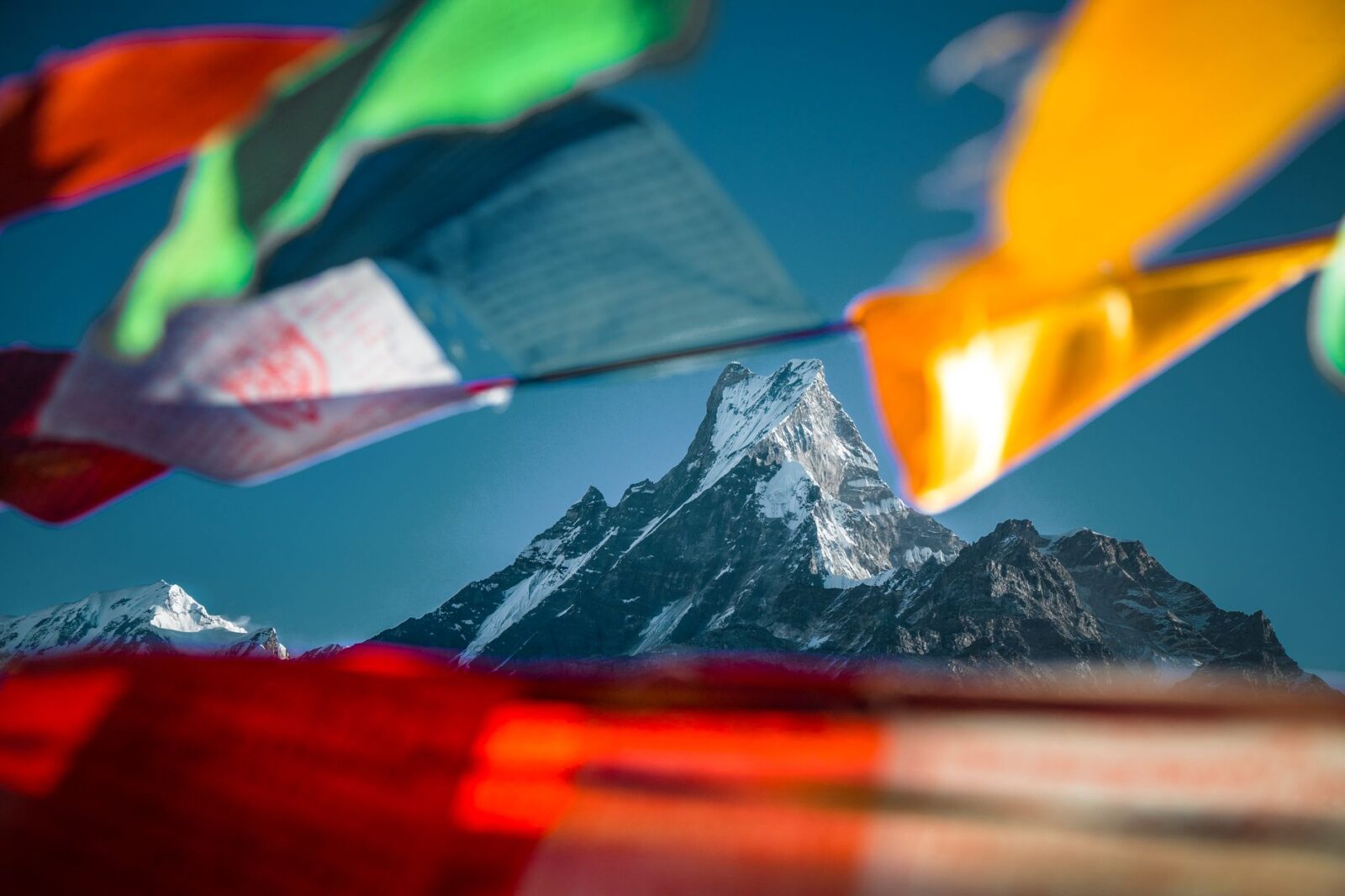
When the Mountains Call: A Sunrise on Kala Patthar
Imagine standing on a rocky ridge at 5,545 meters as the first light spills over Everest’s summit, turning the snow a molten gold. The air is thin but crisp, and the only sound is the distant chime of a monastery bell carried on the wind. This moment, earned after days of steady walking, is why trekkers return to Nepal year after year. In this guide we break down the month‑by‑month weather, trail conditions, and practical tips so you can choose the perfect window for your Himalayan adventure.
Month‑by‑Month Weather: What Trekkers Really Face
Nepal’s climate is shaped by altitude and the monsoon, creating distinct seasons that affect everything from trail visibility to teahouse availability. Below is a concise overview of average daytime temperatures and precipitation for the three most popular trekking regions: Everest, Annapurna, and Langtang.
Everest Region (Lukla to Everest Base Camp): January –6 °C to 2 °C, dry; April –2 °C to 8 °C, mild; July 5 °C to 15 °C, wet with frequent afternoon showers; October –2 °C to 10 °C, clear and stable.
Annapurna Region (Pokhara to Annapurna Base Camp): January 2 °C to 10 °C, dry; March 8 °C to 18 °C, pleasant; July 18 °C to 25 °C, heavy rain; November 5 °C to 14 °C, crisp and sunny.
Langtang Region (Syabrubesi to Kyanjin Gompa): January –4 °C to 6 °C, dry; May 4 °C to 12 °C, warming; August 10 °C to 18 °C, monsoon peaks; December –2 °C to 8 °C, clear skies.
These temperature ranges help you gauge what clothing layers to pack and when to expect trail crowding or solitude.
Best Trekking Routes by Season: Matching Your Goals to the Calendar
Each region shines at different times of the year. Knowing the strengths and trade‑offs of each season lets you align your trek with your preferences for scenery, crowds, and challenge.
Spring (March‑May): The Classic Trekking Window
Spring is the most popular period for high‑altitude treks. Rhododendron forests burst into bloom, and temperatures are moderate at lower elevations. The Everest Base Camp trek sees clear mornings, though afternoons can develop clouds. Expect daytime highs of 10‑15 °C in Namche Bazaar and night lows around –5 °C at Gorak Shep. Trails are busy, so book teahouses early.
Summer/Monsoon (June‑August): Lush Landscapes and Hidden Gems
The monsoon brings heavy rain to the south, but the rain shadow areas of Upper Mustang and Dolpo remain relatively dry. Trekking in Mustang during July offers vivid green valleys, fewer tourists, and the chance to witness the Tiji festival. However, trails in the Annapurna and Everest regions can be slippery, with leeches below 2,500 m and frequent flight delays into Lukla.
Autumn (September‑November): Post‑Monsoon Clarity
After the rains withdraw, the air becomes crystal clear, offering the best mountain views of the year. Temperatures are comfortable: daytime 12‑20 °C in Kathmandu, dropping to –5 °C at Everest Base Camp at night. This is peak season for the Annapurna Circuit and Langtang Valley, with teahouses full but well‑supplied.
Winter (December‑February): Solitude and Cold Challenge
Winter treks are for the experienced and well‑equipped. The Everest region sees temperatures plummet to –15 °C at night, but the trails are quiet and the skies are often impeccably clear. The Annapurna region’s lower valleys stay milder, making the Poon Hill trek a viable option. Snow can block high passes like Larkya La, so check conditions before committing.
Permits, Fees, and Paperwork: What You Need to Budget
Trekking in Nepal requires several permits, each with a fixed cost in USD. Prices are set by the government and rarely change, but it’s wise to verify the latest fees on official websites before you travel.
- TIMS (Trekkers’ Information Management System) Card: $20 for most foreign nationals; $10 for SAARC citizens.
- Sagarmatha National Park Permit (Everest): $30 per person.
- Annapurna Conservation Area Permit (ACAP): $30 per person.
- Langtang National Park Permit: $30 per person.
- Restricted Area Permit (Upper Mustang, Dolpo, etc.): $50 for the first 10 days, then $5 per day thereafter.
For a classic Everest Base Camp trek you will need the TIMS card, the Sagarmatha permit, and a local area permit if you venture beyond the standard route. Budget roughly $80‑$100 in permit fees per person.
Gear Guide: Packing for Nepal’s Variable Conditions
Layering is the key to comfort on the trail. The following list balances warmth, weight, and versatility for a spring or autumn Everest Base Camp trek.
- Insulated down jacket (‑20 °C rating)
- Fleece mid‑layer
- Moisture‑wicking base layers (top and bottom)
- Waterproof breathable jacket and pants (Gore‑Tex or equivalent)
- Trekking pants (convertible to shorts)
- Warm hat, gloves, and neck gaiter
- Sturdy broken‑in trekking boots (with gaiters for snow)
- Camp shoes or sandals for teahouse evenings
- Sleeping bag rated to ‑15 °C (teahouses provide blankets but a bag adds hygiene)
- Headlamp with spare batteries
- Water purification (chlorine tablets or SteriPEN)
- First‑aid kit, blister treatment, and personal medications
- Sun protection: SPF 50+ sunscreen, lip balm, UV sunglasses
Pack weight should ideally stay under 12 kg (including food and water) to keep porter loads manageable.
On the Trail: Teahouses, Porters, Guides, and Tipping
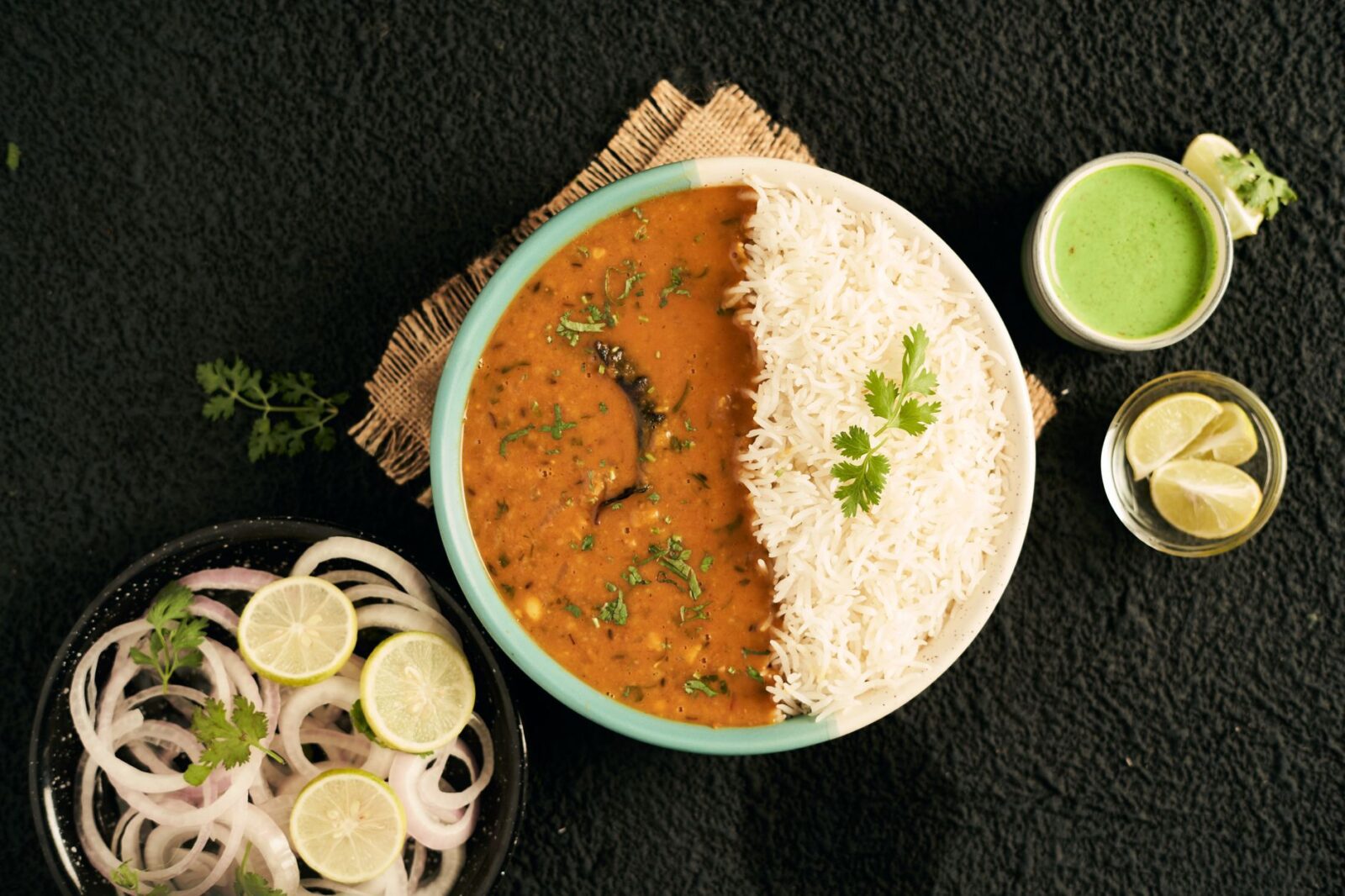
Teahouses are the backbone of Nepali trekking, offering simple rooms and hearty meals. Prices vary by altitude and season, but you can expect the following averages.
- Room: $5‑$7 per night (shared bathroom)
- Dal bhat (lentil soup with rice): $2‑$3
- Moments (dumplings): $1‑$2
- Tea or coffee: $0.50‑$1
Hiring a guide enhances safety and cultural insight. A licensed guide charges $30‑$35 per day, while a porter costs $20‑$25 per day. Many trekkers opt for a guide‑porter combo, splitting the load and gaining local knowledge. Tips are customary: 10 % of the total guide and porter fees at the end of the trek, handed directly in cash.
If you prefer to trek independently, you can still hire a porter from a local agency in Kathmandu or Pokhara; just verify their registration and insurance.
Staying Healthy: Altitude, Water, Insurance, and Rescue
Altitude sickness is the most common health concern above 2,500 m. Prevention hinges on gradual ascent, hydration, and listening to your body.
- Ascend no more than 300‑500 m per day above 3,000 m, with an extra acclimatization night every 900‑1,000 m gain.
- Drink 3‑4 liters of water daily; add electrolyte salts if you sweat heavily.
- Consider acetazolamide (Diamox) 125 mg twice daily as a prophylactic, after consulting a doctor.
- Know the symptoms: headache, nausea, dizziness, and shortness of breath at rest.
Water safety is essential. Boiling is the most reliable method; teahouses will boil water for you for a small fee. Chlorine tablets or UV purifiers work well for treating tap water.
Evacuation insurance is non‑negotiable. Choose a policy that covers helicopter rescue up to at least $50,000 and includes high‑altitude coverage. Keep a digital and paper copy of your policy number and emergency contact.
Culture & Etiquette: Monasteries, Festivals, Sustainable Practices
Respecting local customs enriches your trek and supports the communities you pass through.
- When entering a monastery or temple, remove your shoes and dress modestly (shoulders and knees covered).
- Walk clockwise around Buddhist stupas, mani walls, and prayer wheels.
- Ask permission before photographing people, especially monks and women.
- Use the traditional greeting “Namaste” with a slight bow.
- Support eco‑friendly teahouses that use solar heating and proper waste disposal.
- Pack out all non‑biodegradable waste; use refillable water bottles to reduce plastic.
- Stay on marked trails to prevent soil erosion and protect fragile alpine flora.
Festivals such as Mani Rimdu (October‑November) in Tengboche or Tiji (May) in Upper Mustang add vibrant cultural layers to your trek. Timing your visit to coincide with these events can be rewarding, but book accommodations well in advance.
FAQ: Your Top Nepal Trekking Questions Answered
What is the best month to trek Everest Base Camp?
October and November offer the clearest skies and stable weather, making them the prime months for Everest Base Camp. March and April are also excellent, with blooming rhododendrons and slightly warmer temperatures, though clouds can appear in the afternoons.
Do I need a visa to enter Nepal, and how much does it cost?
Most nationalities obtain a tourist visa on arrival at Tribhuvan International Airport or at land borders. As of 2026, the fees are $30 for a 15‑day visa, $50 for 30 days, and $125 for 90 days. Bring a passport‑size photo and cash in USD or equivalent.
Can I trek without a guide or porter?
Yes, solo trekking is permitted on popular routes like Everest Base Camp and Annapurna Circuit, provided you have the required permits and are confident in navigation and altitude safety. However, hiring a guide is strongly recommended for first‑time high‑altitude trekkers.
What should I do if I start feeling symptoms of altitude sickness?
Stop ascending immediately, rest, and hydrate. If symptoms worsen or do not improve within 24 hours, descend to a lower altitude. Seek medical help if you experience confusion, difficulty walking, or shortness of breath at rest.
Are ATMs available along the trekking routes?
ATMs are scarce above Lukla and Namche Bazaar. Carry enough cash in Nepali rupees to cover teahouse bills, tips, and extra expenses for the duration of your trek. Exchange money in Kathmandu or Pokhara before heading out.
Conclusion: Choose Your Window, Pack Wisely, and Go
Nepal’s mountains welcome trekkers throughout the year, each season offering a distinct palette of colors, crowds, and challenges. By matching your goals to the month‑by‑month weather breakdown, securing the right permits, and packing with layering in mind, you set yourself up for a safe and unforgettable journey. Whether you seek the bustling camaraderie of spring trails, the solitary beauty of winter ridges, or the hidden valleys of the monsoon shadow, the Himalayas await. Share your experiences, ask questions in the comments, and inspire others to lace up their boots and answer the mountain’s call.
Stay informed with the latest travel news, visa updates, and destination guides. Follow HimalayanCrest.com for weekly travel intelligence delivered by our editorial team.