

The Call of the Hidden Sanctuaries
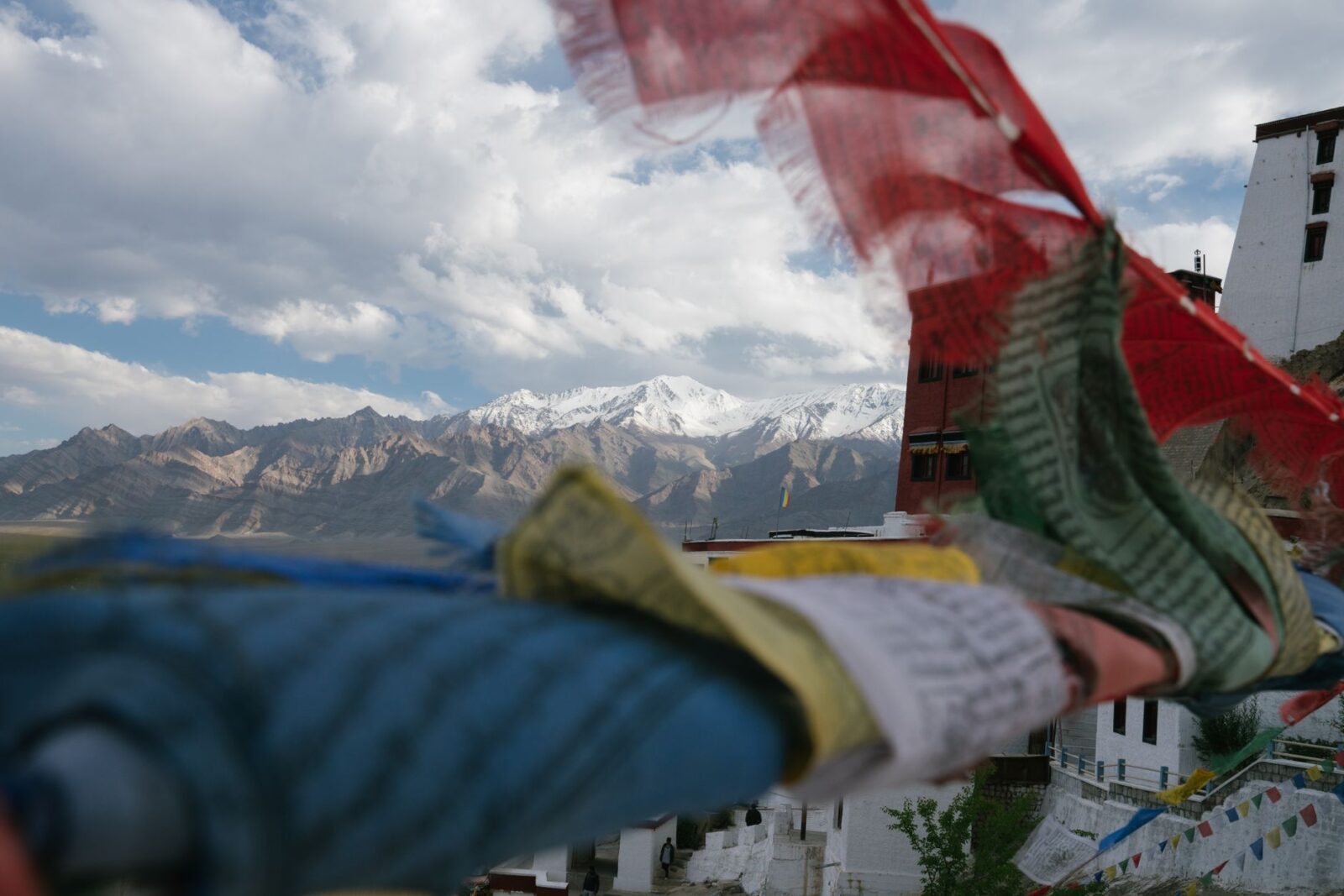
High above the tree line, a lone bell tolls as dawn light spills over snow‑capped ridges. The sound carries across valleys where prayer flags flutter like whispered mantras. For centuries, monks and pilgrims have sought these secluded halls, drawn by the promise of silence and the weight of living history. Today, trekkers who venture off the main trails discover that the Himalayas guard more than peaks—they protect living temples that have survived wars, earthquakes, and time.
Unlike the crowded routes to Everest Base Camp or Annapurna Circuit, the hidden temple trails wind through remote valleys where yak caravans still outnumber tourists. Here, the architecture blends with stone, wood, and thangka paintings that tell stories of Buddhist diffusion and Hindu devotion. Each step rewards the traveler with a vista that feels both ancient and immediate, a reminder that spirituality in the mountains is as much about the journey as the destination.
This guide focuses on a classic circuit that links the Manaslu region in western Nepal with the high desert of Upper Mustang, passing lesser‑known monasteries, cave hermitages, and sacred lakes. It balances cultural immersion with moderate trekking challenges, making it suitable for fit walkers who seek depth over altitude extremes.
Route Overview: Manaslu to Mustang Circuit
The trek begins in the subtropical foothills of Gorkha, follows the Budhi Gandaki River up to the Larkya La pass at 5,106 meters, then descends into the rain‑shadow of the Himalayas where the landscape shifts to arid canyons. From there, the trail climbs into the restricted kingdom of Mustang, skirting the ancient walled city of Lo Manthang before looping back via the Kali Gandaki valley.
Total distance is approximately 180 kilometers, with an average daily walk of 12‑16 kilometers. The highest point is the Larkya La pass; the Mustang section stays mostly between 3,500 and 4,200 meters, offering a gentler acclimatization profile after the initial high crossing.
Difficulty is rated moderate to strenuous due to the Larkya La ascent, long daily distances, and basic teahouse facilities. Trekkers should be comfortable walking 6‑8 hours a day with a daypack, have prior multi‑day trekking experience, and possess good cardiovascular fitness. No technical climbing is required, but sturdy boots and trekking poles are essential.
Day‑by‑Day Itinerary
Days 1‑4: Gorkha to Samagaon (Manaslu Base)
Day 1: Drive from Kathmandu to Soti Khola (≈8‑hour bus), then trek to Machha Khola (≈6 km, 800 m ascent). Overnight in a simple teahouse.
Day 2: Follow the Budhi Gandaki to Jagat (≈12 km, modest ascent). Pass terraced fields and small Hindu shrines.
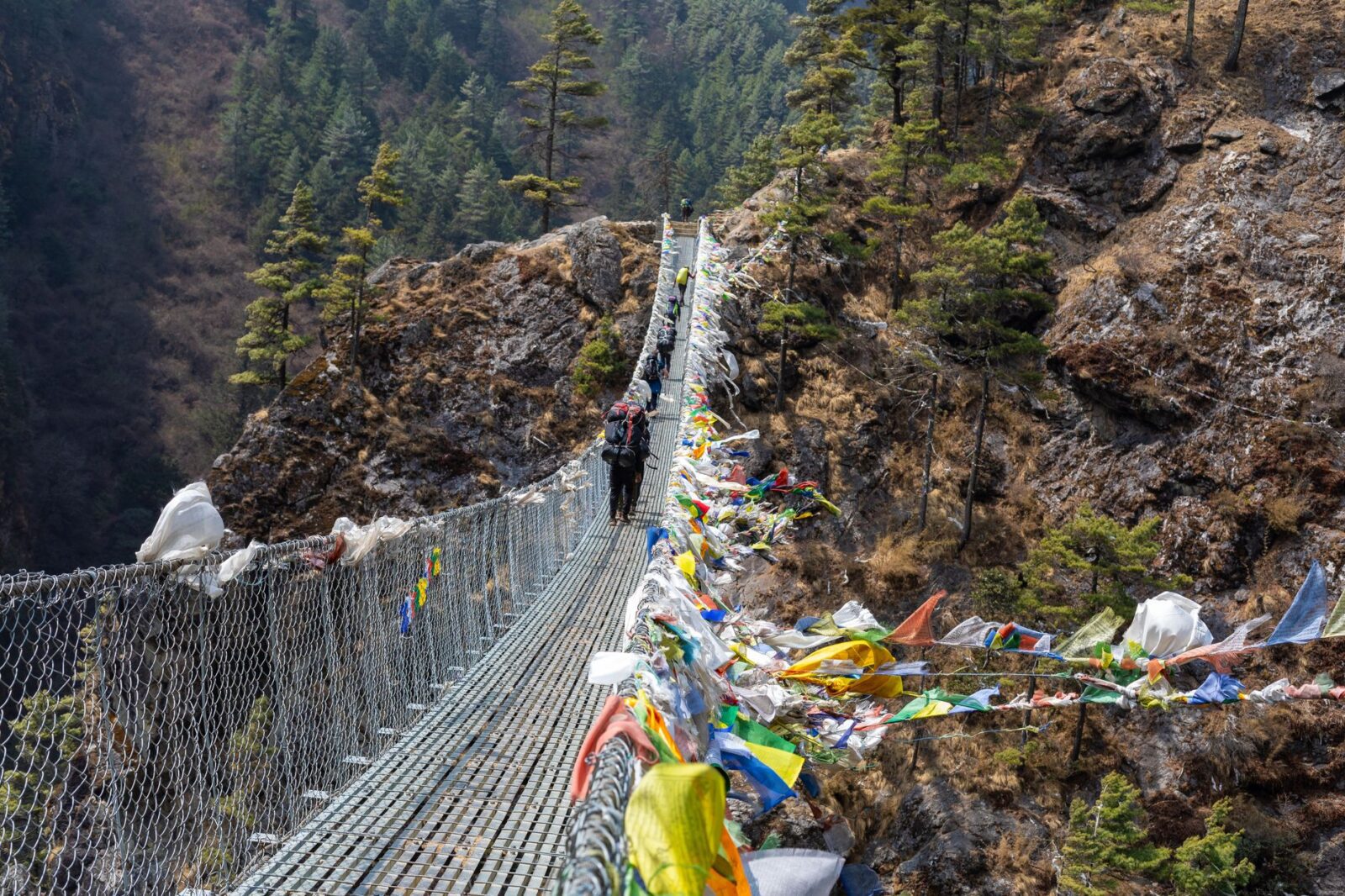
Day 3: Continue to Deng (≈14 km), crossing suspension bridges and entering the Manaslu Conservation Area.
Day 4: Trek to Namrung (≈10 km) where the first Buddhist mani walls appear, then push to Samagaon (≈6 km) at 3,530 m, the gateway to Manaslu Base Camp.
Days 5‑7: Larkya La Crossing
Day 5: Acclimatization hike to Manaslu Base Camp (4,800 m) and return to Samagaon.
Day 6: Trek to Samdo (≈8 km, 3,800 m), a Tibetan‑influenced village with an ancient monastery perched on a ridge.
Day 7: Early start over Larkya La (5,106 m). The ascent is steep but rewarded with panoramic views of Manaslu, Himlung, and Cheo Himal. Descend to Bimthang (≈12 km total) for overnight.
Days 8‑12: Descent to Mustang Entrance
Day 8: Walk to Dharapani (≈15 km) via pine forests, then take a local jeep to Kathmandu or Pokhara for a rest night (optional).
Day 9: Fly or drive to Jomsom (2,700 m) in the Kali Gandaki valley, the gateway to Upper Mustang.
Day 10: Begin the Mustang trek: trek to Kagbeni (≈12 km, 2,800 m), a fortified village with a red‑painted monastery.
Day 11: Continue to Chele (≈14 km, 3,050 m), passing ancient cave dwellings and chortens.
Day 12: Trek to Syangboche (≈13 km, 3,400 m) where the landscape opens to the high desert.
Days 13‑16: Upper Mustang Exploration
Day 13: Reach Lo Manthang (≈12 km, 3,800 m), the walled capital. Visit the Jampa Lhakhang (God‑House) monastery, the Thubchen Gompa, and the royal palace.
Day 14: Day trip to the nearby Choser Cave Monastery (≈6 km round‑trip), a meditation retreat carved into cliffs.
Day 15: Trek to Yara (≈15 km, 3,900 m) and visit the Luri Gompa, famous for its ancient murals.
Day 16: Return via the same route to Jomsom, then fly to Pokhara or Kathmandu.
When to Go: Seasons and Trade‑offs
The optimal window is late September to early November (post‑monsoon autumn). Skies are clear, temperatures at Larkya La range from -10 °C to 5 °C, and the trails are dry after the monsoon rains. This period also coincides with major Buddhist festivals in Manaslu and Mustang, offering a chance to witness cham dances.
Spring (March‑May) is the second‑best option. Rhododendron forests bloom in the lower Manaslu section, adding color to the trek. However, pre‑monsoon haze can obscure mountain views, and temperatures at Larkya La can drop to -15 °C.
Monsoon (June‑August) brings heavy rain, leeches, and landslide risks, especially on the Budhi Gandaki trail. While the rain‑shadow of Mustang remains relatively dry, the approach becomes difficult and many teahouses close.
Winter (December‑February) sees snow on the Larkya La, often making the pass impassable without specialized gear. The Mustang section stays accessible but temperatures frequently fall below -20 °C at night, requiring extreme cold‑weather equipment and increasing the risk of frostbite.
Permits, Fees, and Paperwork
Trekkers need three main permits: the Manaslu Restricted Area Permit (MRAP), the Manaslu Conservation Area Project (MCAP) entry fee, and the Annapurna Conservation Area Permit (ACAP) for the lower sections. For Upper Mustang, a separate Restricted Area Permit (RAP) is required.
As of 2026, costs in USD are: MRAP – $100 per person for the first week, then $15 per additional day; MCAP – $30 per person; ACAP – $30 per person; Mustang RAP – $500 for the first 10 days, then $50 per day thereafter. The TIMS (Trekkers’ Information Management System) card is no longer required for restricted areas but is still needed for any trekking that enters general conservation zones; it costs $20 if applicable.
All permits must be arranged through a registered Nepali trekking agency. The agency will handle the paperwork, which typically takes 3‑5 working days. Carry multiple copies of your passport, visa, and permit documents; officials may check them at police posts along the route.
Gear Checklist for High‑Altitude Temple Trekking
Clothing: Layering is key. Base layer – synthetic or merino wool top and bottom; insulating layer – fleece jacket or down vest; outer layer – waterproof breathable shell jacket and pants. Include a warm hat, gloves, and a buff or neck gaiter. For the Mustang desert, a wide‑brimmed sun hat and lightweight long‑sleeve shirt protect against UV.
Footwear: Broken‑in, waterproof trekking boots with good ankle support; camp shoes or sandals for teahouse evenings; gaiters to keep scree and snow out of boots.
Sleeping: A four‑season sleeping bag rated to -20 °C (optional if teahouses provide blankets, but recommended for high camps); a sleeping bag liner for hygiene; an inflatable or closed‑cell foam sleeping pad.
Essentials: Headlamp with extra batteries, water purification (SteriPEN or chlorine tablets), trekking poles, sunglasses with UV protection, sunscreen SPF 50+, lip balm with UV, personal first‑aid kit, blister treatment, multi‑tool, and a lightweight towel.
Tech: Power bank, universal adapter, offline maps (e.g., Maps.me), and a satellite messenger or local SIM for emergency contact.
Teahouse Life, Guides, Porters, and Tipping
Teahouses along the Manaslu‑Mustang circuit offer basic but clean accommodation: twin beds with blankets, shared bathrooms (often squat‑style), and a communal dining room serving dal bhat, noodles, eggs, and tea. Prices average $5‑$7 per night for a room and $3‑$5 for a meal. Hot showers may be available for an extra $2‑$3.
Hiring a guide is strongly recommended for the restricted areas; they navigate permit checks, provide cultural context, and assist with altitude‑related issues. Guide rates are $30‑$35 per day. Porters cost $20‑$25 per day and can carry up to 15 kg of your gear. Many trekkers opt for a guide‑porter combo, which simplifies logistics and supports the local economy.
Tipping customs: At the end of the trek, it is customary to tip the guide 10‑15 % of the total guide fee and the porter 5‑10 % of the porter fee, handed directly in Nepali rupees. Teahouse staff appreciate a small extra amount (around $1‑$2) for exceptional service.
Staying Healthy and Safe on the Trail
Altitude sickness is the primary concern, especially during the Larkya La ascent. Follow the classic rule: ascend no more than 300‑500 m per day above 3,000 m, and take an acclimatization day after every 1,000 m gain. Symptoms of acute mountain sickness (AMS) include headache, nausea, fatigue, and difficulty sleeping. If symptoms worsen, descend immediately; carrying dexamethasone and acetazolamide (after consulting a doctor) can help.
Hydration is crucial. Aim for 3‑4 liters of water daily, using purification tablets or a UV filter to avoid gastrointestinal illness. Avoid alcohol and excessive caffeine, which can exacerbate dehydration and altitude symptoms.
Travel insurance that covers high‑altitude trekking (up to 6,000 m) and includes helicopter evacuation is mandatory. Verify that the policy includes repatriation and covers pre‑existing conditions if any. Keep a digital copy of the policy and emergency numbers accessible.
Common trail ailments include blisters, gastrointestinal upset, and cold‑related injuries. Prevent blisters with well‑broken‑in boots, moisture‑wicking socks, and early treatment of hot spots. Carry a small kit with antiseptic wipes, bandages, and pain relievers.
Temple Etiquette, Local Customs, and Low‑Impact Trekking
When entering a monastery or temple, dress modestly: shoulders and knees covered, hats removed. Speak softly, refrain from pointing feet toward religious images, and walk clockwise around stupas and prayer wheels. Photography is often allowed in courtyards but may be prohibited inside prayer halls; always ask a monk or caretaker before snapping pictures.
Offering a small donation (typically 50‑100 NPR) at the shrine box is appreciated but not mandatory. Accepting butter tea or a simple snack offered by monks is a sign of respect; refuse only if you have dietary restrictions, and do so politely.
Practice Leave No Trace principles: pack out all trash, use designated toilets or dig a cathole at least 60 m from water sources, and avoid picking plants or disturbing wildlife. Stick to established trails to prevent erosion, especially in the fragile desert of Mustang where vegetation is scarce.
Support local economies by buying handicrafts directly from artisans, eating at locally run teahouses, and hiring guides and porters from the communities you pass through. Your presence can help preserve these ancient sites when it is done responsibly.
Frequently Asked Questions
Q1: Do I need prior high‑altitude experience?
While previous trekking above 4,000 m is helpful, it is not mandatory if you follow a sensible acclimatization plan and listen to your body. The Larkya La is the only segment that exceeds 5,000 m; the rest of the Mustang section stays below 4,300 m, making the overall altitude profile manageable for fit first‑time high‑altitude trekkers.
Q2: Can I trek independently without a guide?
No. Both the Manaslu and Upper Mustang regions are designated restricted areas, and independent trekking is prohibited by Nepali law. You must travel with a registered guide who holds the necessary permits and can facilitate police checkpoints.
Q3: What is the typical daily walking time?
Expect 5‑7 hours of walking on most days, with longer days (up to 8 hours) during the Larkya La ascent and descent. The Mustang portion tends to be shorter, averaging 4‑5 hours, allowing more time for monastery visits and cultural exploration.
Q4: How do I handle money on the trail?
Carry enough Nepali rupees for teahouse meals, snacks, and small tips; ATMs are available only in larger towns like Kathmandu, Pokhara, and Jomsom. It is wise to exchange some currency before starting the trek and to keep small denominations for ease of payment.
Q5: Is Wi‑Fi or mobile coverage available?
Mobile coverage is sporadic and generally unreliable above 3,000 m. Some teahouses in lower villages offer paid Wi‑Fi, but speeds are slow. For safety, consider renting a satellite messenger or purchasing a local SIM with data coverage in the valleys; expect no service on high passes.
Conclusion
The hidden temples and monasteries of the Himalayas offer a rare blend of spiritual depth, cultural richness, and rugged beauty that few other trekking routes can match. By walking the ancient paths that connect Manaslu’s verdant valleys to Mustang’s wind‑carved cliffs, you step into a living history where prayer flags flutter over centuries‑old stone walls and the silence of the high mountains speaks louder than any crowd. Prepare well, respect the local customs, and let the journey reveal not just the peaks, but the quiet devotion that has sustained these sacred places for generations.
Stay informed with the latest travel news, visa updates, and destination guides. Follow HimalayanCrest.com for weekly travel intelligence delivered by our editorial team.