

Why Dubai Travel Advisories Are Making Headlines in September 2026
In late August 2026, the United States Department of State renewed its Level 3 travel advisory for the United Arab Emirates, urging Americans to reconsider travel due to ongoing terrorism concerns and the broader regional armed conflict. The advisory summary was specifically updated to note that family members of U.S. government personnel may now accompany them to the UAE, a change that reflects a slight easing of restrictions for dependents. This update follows a series of alerts issued by the U.S. Embassy in Abu Dhabi and the Consulate General in Dubai throughout the summer, which highlighted the need for special authorization when visiting military bases or critical energy infrastructure. Travelers from other nations, including the United Kingdom, Canada, and Australia, have echoed similar cautions, citing the potential for sudden airspace closures and spillover effects from the Iran‑U.S. tensions that flared earlier in the year. Despite these warnings, on‑the‑ground reports indicate that daily life in Dubai’s major districts continues with little disruption, and tourist attractions remain open and operational. Understanding the nuance behind the advisory level helps visitors separate genuine risk from routine precaution.
The advisory does not prohibit travel outright; instead, it advises a heightened level of awareness and preparation. For many travelers, the decision hinges on personal risk tolerance, the purpose of the trip, and the ability to stay informed about rapidly changing conditions. Those planning business trips to sectors such as finance, real estate, or tourism often find that the advisory’s impact is limited to additional security briefings and contingency planning. Leisure travelers, meanwhile, are encouraged to monitor official channels, maintain flexible itineraries, and consider travel insurance that covers political unrest or flight cancellations. By staying aware of the advisory’s specifics—such as the note about family members and the special authorization requirement for government employees—visitors can make informed choices that align with their comfort levels.
As of September 1, 2026, the advisory remains unchanged from its August update, with no new risk indicators added. This stability suggests that while the underlying geopolitical situation remains fluid, there has been no escalation that would warrant a move to Level 4 (Do Not Travel). Travelers should still treat the advisory as a signal to exercise increased caution, particularly when venturing outside of well‑patrolled tourist zones or when considering travel to the northern emirates where military activity is more concentrated. The following sections break down what this means in practical terms, from safety on the streets to budgeting and contingency planning.
Understanding the Current Travel Advisory Levels
The U.S. State Department’s travel advisory system uses four levels: Level 1 (Exercise Normal Precautions), Level 2 (Exercise Increased Caution), Level 3 (Reconsider Travel), and Level 4 (Do Not Travel). The United Arab Emirates, including Dubai and Abu Dhabi, sits at Level 3 as of August 29, 2026, with the advisory summary explicitly mentioning terrorism and armed conflict as the driving factors. This classification means that while travel is not forbidden, the government recommends that travelers carefully evaluate the necessity of their trip and stay alert to security developments. The advisory also notes that U.S. government employees must obtain special authorization before visiting military bases, defense‑related facilities, or critical energy infrastructure such as oil refineries and power plants.
Other major governments have issued comparable guidance. The United Kingdom’s Foreign, Commonwealth & Development Office advises travelers to stay vigilant, particularly around large public gatherings and to monitor local media for updates. Australia’s Smartraveller service echoes the Level 3 stance, warning that regional military conflict may cause sudden disruptions to air travel and that the UAE’s airspace can open or close with little notice. Canada’s travel advice similarly urges caution, highlighting the potential for terrorist attacks in crowded places and the importance of registering with the embassy upon arrival. Despite these warnings, none of the advisories impose blanket bans on tourism, and they all acknowledge that the majority of visitors experience a safe and enjoyable stay when they follow standard safety practices.
It is important to distinguish between the advisory level and the actual risk faced by tourists in Dubai’s core areas. The city’s extensive security infrastructure, visible police presence, and strict entry controls at hotels, malls, and major attractions contribute to a low incidence of crime against visitors. Terrorist threats, while present in the regional context, have not targeted tourist sites in recent years, and the UAE’s counter‑terrorism measures are regarded as robust by international analysts. Therefore, a Level 3 advisory does not equate to a high likelihood of danger for the average traveler; rather, it reflects a precautionary stance given the broader strategic environment.
Day-to-Day Reality: Safety in Dubai’s Streets and Attractions
Visitors who have been in Dubai during the summer of 2026 report that the city’s iconic districts—Downtown Dubai, Dubai Marina, Jumeirah Beach Residence, and the historic Al Fahidi neighborhood—continue to operate as usual. The Burj Khalifa observation deck, the Dubai Mall, and the traditional souks remain open, with security checks similar to those seen in other global tourism hubs. Hotel occupancy rates in September 2026 hover around 78 % for mid‑range properties, indicating steady demand despite the advisory. Restaurants serving Emirati cuisine, such as Al Mallah for falafel and Al Ustad Special Kabab for grilled meats, report typical patronage levels, and nightlife venues in areas like Barasti and Zero Gravity continue to host events.
Public transportation, including the Dubai Metro and the extensive bus network, runs on its regular schedule, with stations staffed by uniformed security personnel who conduct random bag checks. Taxis and ride‑hail services like Careem and Uber are readily available, and fares have remained stable: the base flag‑fall is approximately AED 3.00 (about USD 0.82), with a per‑kilometer charge of AED 1.96 (roughly USD 0.53). The metro’s red line, which connects the airport to major attractions, charges a flat fare of AED 5.00 (USD 1.36) per journey, making it an economical option for tourists. These services have not reported any disruptions linked to the advisory, and contingency plans are in place should airspace closures affect airport access.
Health and safety standards remain high. Tap water is generally safe for brushing teeth but not for drinking; bottled water is widely available at low cost (around AED 2.00 per 500 ml, or USD 0.55). Pharmacies are well stocked, and private hospitals such as American Hospital Dubai and Mediclinic City Hospital provide care that meets international standards. Travelers are advised to carry a basic medical kit and to ensure their travel insurance includes coverage for medical evacuation, a prudent measure given the regional context. Overall, the day‑to‑day experience for most visitors aligns closely with pre‑advisory norms, provided they stay aware of their surroundings and follow local laws.
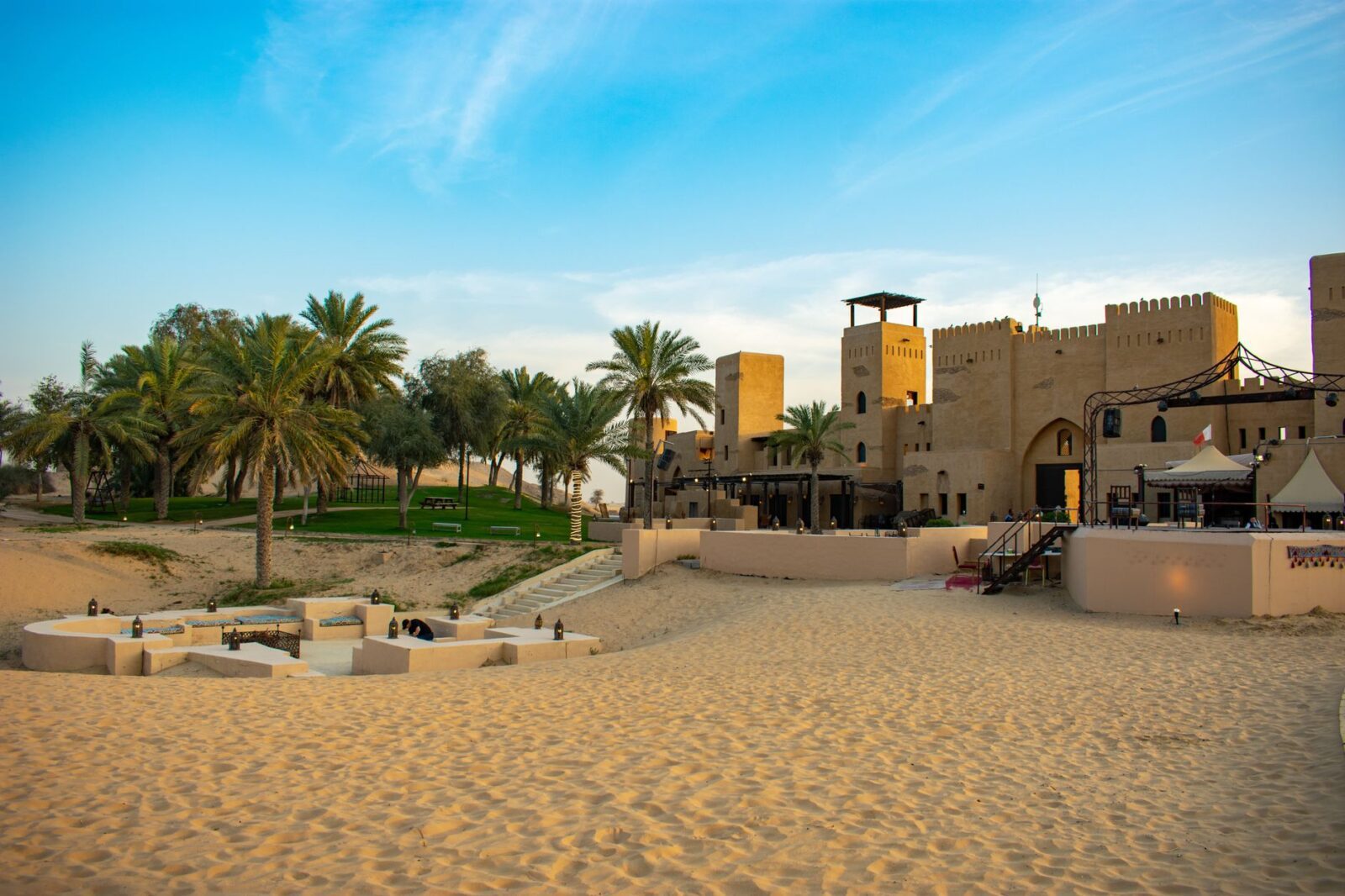
Flights, Airspace, and Airport Operations: What to Monitor
One of the most tangible impacts of the regional security situation is the potential for sudden changes to UAE airspace. The Australian Smartraveller update from three weeks prior to September 1, 2026, noted that military conflict in the vicinity could cause the UAE’s civil aviation authority to open or close airspace at short notice, directly affecting flights into and out of Dubai International Airport (DXB) and Abu Dhabi International Airport (AUH). Travelers have experienced occasional delays or reroutings during periods of heightened tension, though cancellations have remained infrequent. Airlines operating on the Dubai‑Europe and Dubai‑Asia corridors typically issue advisories via their apps and email alerts, recommending that passengers check flight status within 24 hours of departure.
To mitigate risk, it is wise to book tickets with flexible change policies or to purchase travel insurance that includes coverage for trip interruption due to airspace closures. Major carriers such as Emirates, Flydubai, and Etihad Airways have maintained their flight schedules, but they also publish real‑time status pages on their websites. For example, as of September 1, 2026, Emirates shows a normal operation status for its DXB hub, with average on‑time performance of 82 % for departures. Travelers should also monitor the UAE General Civil Aviation Authority’s official notices, which are posted in English and Arabic and provide the most authoritative information on any airspace restrictions.
Ground transportation between the airports and city centers remains reliable. The Dubai Metro’s Red Line connects DXB Terminals 1 and 3 to the city centre in about 45 minutes, with a fare of AED 5.00 (USD 1.36). Taxis from the airport to downtown Dubai typically cost between AED 70‑80 (USD 19‑22), depending on traffic. In the unlikely event of an airport closure, airlines usually arrange for passengers to be re‑routed through nearby hubs such as Doha or Muscat, though this may add several hours to the journey. Keeping a copy of your itinerary, airline contact details, and embassy information readily accessible will help you respond quickly should any disruption occur.
Budget Breakdown: Typical Costs for a Dubai Visit in 2026
Planning a trip to Dubai requires a clear understanding of everyday expenses, which have remained relatively stable despite the advisory. Accommodation options span a wide range: budget hostels in Deira or Al Qouz offer dormitory beds for approximately AED 80‑100 per night (USD 22‑27), while private rooms in mid‑range three‑star hotels average AED 300‑400 (USD 82‑109) per night. Luxury stays at five‑star properties such as the Burj Al Arman or Atlantis, The Palm command rates starting at AED 1,200 (USD 327) per night, with suites often exceeding AED 2,500 (USD 681). These figures reflect average rates for September 2026, a month that falls just outside the peak winter season, thereby offering somewhat better value than the December‑January period.
Food costs vary according to dining style. A typical meal at a modest café or street‑food stall—think falafel wrap, shawarma, or a plate of biryani—runs about AED 15‑25 (USD 4‑7). Mid‑range restaurants serving international cuisine, such as Italian or Indian dishes, charge roughly AED 45‑70 (USD 12‑19) per entrée. Fine‑dining experiences at venues like At.mosphere in the Burj Khalifa or Al Muntaha in the Burj Al Arab start at AED 250 (USD 68) for a set menu, with wine pairings pushing the total beyond AED 400 (USD 109). Many travelers find that mixing self‑catered breakfasts (groceries from supermarkets like Carrefour or Spinneys cost around AED 15‑20 per day) with occasional restaurant meals keeps daily food budgets around AED 100‑150 (USD 27‑41).
Transportation, attractions, and incidental expenses round out the budget. A day pass for the Dubai Metro and buses costs AED 20 (USD 5.45), offering unlimited rides. Taxi rides within the city average AED 25‑35 (USD 7‑9.5) for short trips. Major attractions have set entry fees: the Burj Khalifa’s At the Top observation deck (levels 124‑125) is AED 149 (USD 40.5) for standard tickets, while the Dubai Aquarium & Underwater Zoo is AED 120 (USD 32.7). Entertainment such as a desert safari typically costs AED 200‑250 (USD 54‑68) per person, including dune bashing, camel riding, and a Barbecue dinner. Adding a modest buffer for souvenirs, tips, and unexpected expenses, a comfortable mid‑range trip for one person can be budgeted at roughly AED 1,200‑1,500 per day (USD 327‑409), excluding international flights.
For travelers seeking to optimize costs, visiting during the shoulder months of late September or early October can yield hotel discounts of up to 20 % compared with peak season rates. Booking attractions online in advance often secures reduced rates; for example, purchasing a Burj Khalifa ticket through the official website can save AED 10‑15 compared with walk‑up prices. Using the Nol card for public transport provides a small discount per ride versus buying single tickets. These strategies allow visitors to enjoy Dubai’s offerings while keeping expenditures within a reasonable range, even when factoring in the need for flexible travel insurance.
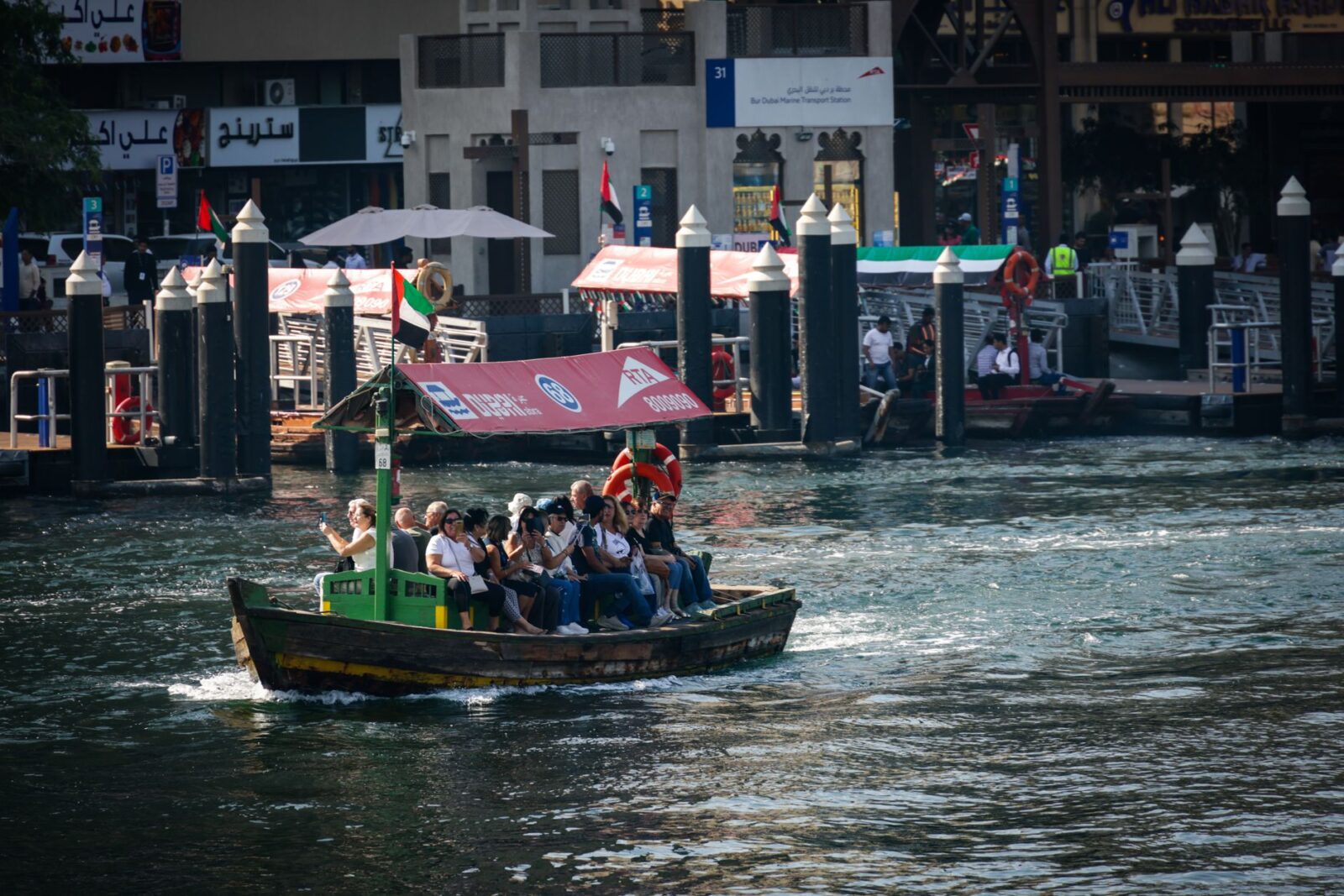
Insider Strategies for a Safe and Enjoyable Stay
Seasoned visitors to Dubai emphasize that safety often hinges on simple, proactive habits rather than dramatic alterations to itineraries. First, maintain a low profile in public spaces: avoid discussing politics or sensitive geopolitical topics in cafés, hotels, or on social media while within the UAE, as local laws prohibit speech that could be deemed offensive to the state or its allies. Second, keep a copy of your passport and visa in a separate location from the originals, and store digital scans in a secure cloud service accessible from any device. This practice streamlines the process if you need to prove your identity to authorities or replace lost documents.
Third, register with your country’s embassy or consulate upon arrival. The U.S. Embassy in Abu Dhabi offers an online enrollment system called the Smart Traveler Enrollment Program (STEP), which sends alerts about security developments and facilitates communication in emergencies. Similar services exist for British, Canadian, and Australian nationals. Fourth, when traveling outside the main tourist corridors—such as heading to the emirates of Ras Al Khaimah or Fujairah—check ahead for any temporary security checkpoints or travel advisories specific to those areas. While these northern emirates see fewer tourists, they are closer to potential flashpoints, and local authorities may impose additional controls.
Fifth, consider scheduling indoor activities during the hottest part of the day (typically 12 pm‑4 pm) to reduce exposure to crowds and to stay comfortable in air‑conditioned environments. Museums like the Dubai Museum in Al Fahidi Fort, the Etihad Museum, and the upcoming Dubai Contemporary Art Space offer enriching experiences with minimal outdoor exposure. Sixth, always carry a modest amount of local currency (UAE dirhams) for small purchases, as some smaller vendors and taxi drivers may prefer cash despite the prevalence of card payments. Finally, trust your instincts: if a situation feels uneasy, remove yourself calmly and seek assistance from hotel security or uniformed police, who are generally responsive and helpful to tourists.
Frequently Asked Questions
Is it safe to visit Dubai right now despite the Level 3 advisory?
Yes, for most tourists the day‑to‑day risk remains low. The advisory reflects a precautionary stance due to regional tensions, not an immediate threat to visitors. Staying in well‑patrolled areas, monitoring official updates, and following standard safety practices will keep your visit secure.
What should I do if my flight is delayed or cancelled because of airspace restrictions?
Contact your airline immediately to rebook or request a refund, depending on the fare conditions. Having travel insurance that covers trip interruption due to political unrest or airspace closures will help recover non‑refundable costs. Keep screenshots of any official notices from the UAE General Civil Aviation Authority as proof for your claim.
Are there any areas of Dubai I should avoid?
There are no officially prohibited zones for tourists, but it is wise to steer clear of construction sites, military installations, and any locations hosting large political demonstrations. Stick to established tourist districts, reputable hotels, and licensed tour operators for excursions.
How much should I budget for a week‑long trip in September 2026?
A moderate traveler can expect to spend approximately AED 8,400‑10,500 (USD 2,289‑2,862) for accommodation, meals, transport, and attractions, not including international flights. Luxury travelers should plan for AED 15,000+ (USD 4,085+) per week, while backpackers can manage with AED 5,000‑6,500 (USD 1,361‑1,768) by using hostels, public transport, and self‑catered meals.
Do I need a visa to enter the UAE as a tourist?
Most nationalities receive a free 30‑day visa on arrival or can obtain an e‑visa online prior to travel. Citizens of the GCC, the United States, the United Kingdom, Canada, Australia, and many European and Asian countries are eligible for visa‑free entry for up to 90 days. Always verify the latest requirements on the official UAE Federal Authority for Identity and Citizenship website before departure, as policies can change.
Stay informed with the latest travel news, visa updates, and destination guides. Follow HimalayanCrest.com for weekly travel intelligence delivered by our editorial team.