

The Call of the Khumbu: An Evocative Opening
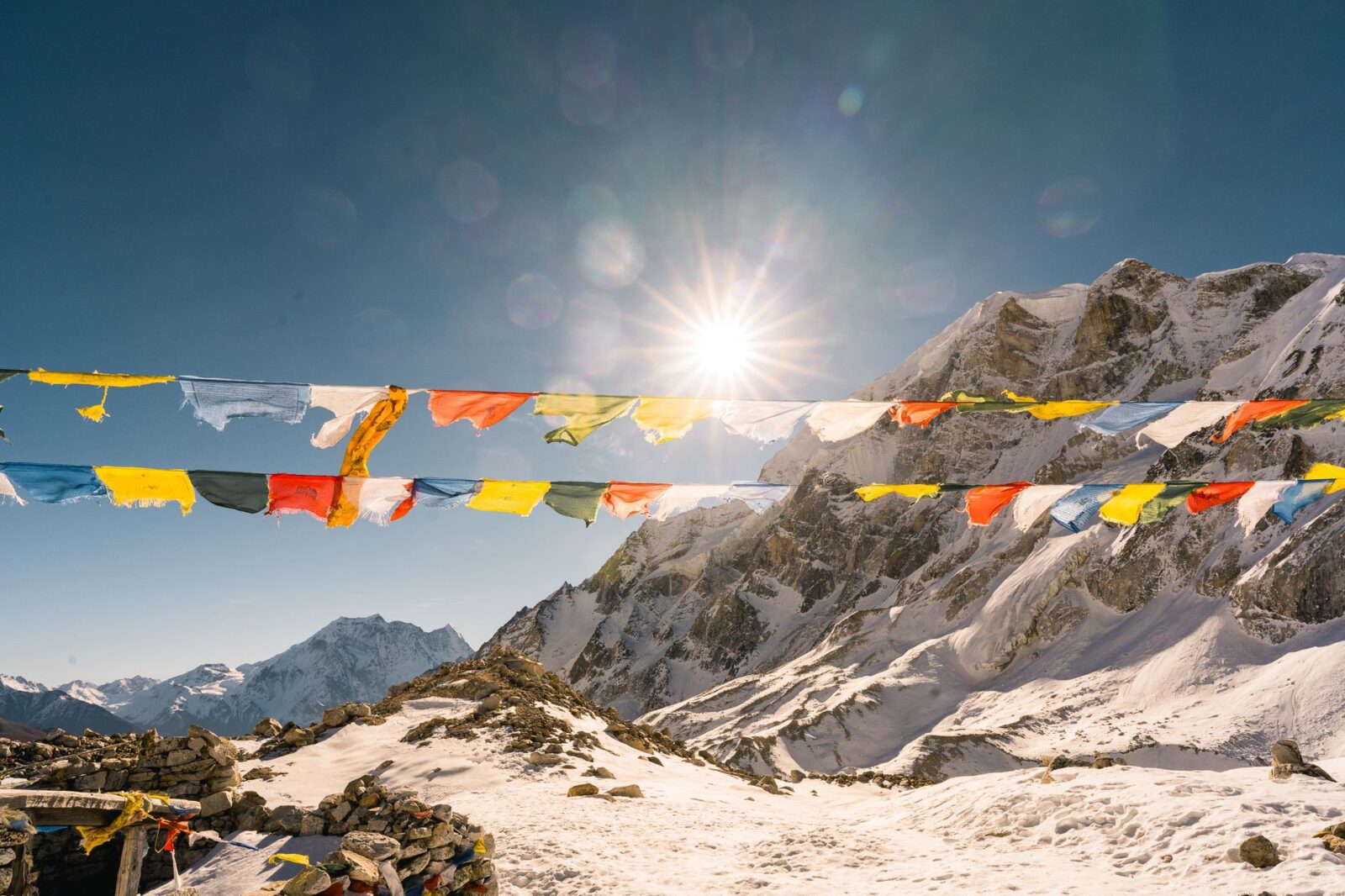
Imagine standing at dawn beside a prayer flag‑adorned monastery, the low toll of a bronze bell echoing off snow‑capped ridges as the first light kisses the summit of Ama Dablam. Your breath forms tiny clouds in the crisp air, and the distant rumble of an avalanche reminds you that you are walking through a living landscape shaped by ice and devotion. This moment, repeated by countless trekkers before you, captures why the Everest Base Camp trail remains a pilgrimage for adventurers worldwide. It is not just a walk; it is a dialogue between human endurance and the timeless grandeur of the Himalayas.
Route Overview: Distance, Difficulty, Altitude, and Fitness Requirements
The classic Everest Base Camp trek begins with a thrilling flight from Kathmandu to Lukla at 2,860 meters, followed by a gradual ascent through Sherpa villages, pine forests, and glacial moraines to the base of the world’s highest peak at 5,364 meters. The round‑trip distance covers roughly 130 kilometers, typically completed in 12 to 14 days of walking, with two dedicated acclimatization stops at Namche Bazaar and Dingboche. Trekkers should classify the route as moderate to strenuous; daily walking times average six to eight hours on uneven stone steps and steep inclines.
Fitness preparation focuses on cardiovascular endurance, leg strength, and the ability to carry a daypack weighing 8 to 10 kilograms. A realistic training plan includes three to four weekly sessions of brisk walking or jogging for 45 to 60 minutes, supplemented by stair climbing or hill repeats to simulate altitude gain. Strength. Core stability exercises and flexibility work reduce injury risk on rocky terrain. Many seasoned guides recommend completing at least two multi‑day hikes of 15 kilometers or more with elevation gain before attempting the Khumbu.
Seasonal Windows: When to Trek Everest Base Camp in 2026
Pre‑Monsoon (March to May)
This is the most popular window, offering stable weather, clear skies, and blooming rhododendrons in lower valleys. Daytime temperatures at Namche Bazaar range from 5 to 15 degrees Celsius, while nights can drop below freezing above 4,000 meters. The main advantage is excellent visibility for photography and panoramic views of Everest, Lhotse, and Nuptse. Crowds are heavier, especially in April, so early booking of Lukla flights and teahouse beds is essential.
Monsoon (June to August)
The monsoon brings heavy rainfall, leeches, and frequent cloud cover that obscures mountain vistas. Trails become slippery, and landslides occasionally disrupt the route, particularly between Phakding and Namche. However, the lush greenery and fewer trekkers provide a quieter experience for those willing to tolerate damp conditions. Temperatures are milder, with daytime highs reaching 20 degrees Celsius in the lower valleys, but the increased humidity raises the perception of cold at altitude.
Post‑Monsoon (September to November)
After the rains retreat, the air clears dramatically, offering some of the sharpest views of the season. September still carries a chance of isolated showers, but October and November are renowned for crystal‑clear skies and stable weather. Daytime temperatures are similar to the pre‑monsoon period, while nights grow colder, often reaching minus 10 degrees Celsius at higher lodges. This period sees a moderate flow of trekkers, balancing good conditions with manageable crowds.
Winter (December to February)
Winter trekking is reserved for experienced cold‑weather adventurers. Snowfall can block high passes, and temperatures at Everest Base Camp regularly plummet to minus 20 degrees Celsius or lower. The advantage is solitude; the trail sees a fraction of the usual traffic, and the landscape is draped in pristine ice. Trekkers must be equipped for extreme cold, with four‑season sleeping bags, insulated boots, and a high tolerance for sub‑zero conditions. Flight delays to Lukla increase due to weather, so flexible itineraries are crucial.
Permits, Fees, and Paperwork: What You Need Legally
All foreign trekkers must obtain two primary documents before setting foot on the trail. The Trekkers’ Information Management System (TIMS) card costs 20 USD per person and is issued either through a registered trekking agency or the Nepal Tourism Board office in Kathmandu. The Sagarmatha National Park entry permit costs 30 USD and is checked at the park gate in Monjo. Together, these fees total approximately 50 USD, payable in cash (USD or Nepali rupees) at the time of issuance.
In addition to the national permits, the Khumbu Pasang Lhamu Rural Municipality levies a local area fee of about 20 USD, which is often collected by your trekking agency and included in the overall package price. It is advisable to carry a photocopy of your passport, two passport‑size photos, and proof of travel insurance that covers high‑altitude evacuation. Keep the original permits in a waterproof pouch; officials may request to see them at multiple checkpoints along the route.
Day-by-Day Itinerary: Lukla to Base Camp and Back
Day 1: Flight to Lukla – Trek to Phakding (2,610m)
The adventure starts with an early morning flight from Kathmandu to Lukla, a 35‑minute journey that offers breathtaking aerial views of the Himalayas. After landing at Tenzing‑Hillary Airport, trekkers descend gradually through Sherpa settlements, following the Dudh Koshi River. The walk to Phakding covers about 8 kilometers with a modest altitude loss, ending at a comfortable teahouse where you can enjoy a warm meal of dal bhat and rest for the night.
Day 2: Phakding to Namche Bazaar (3,440m)
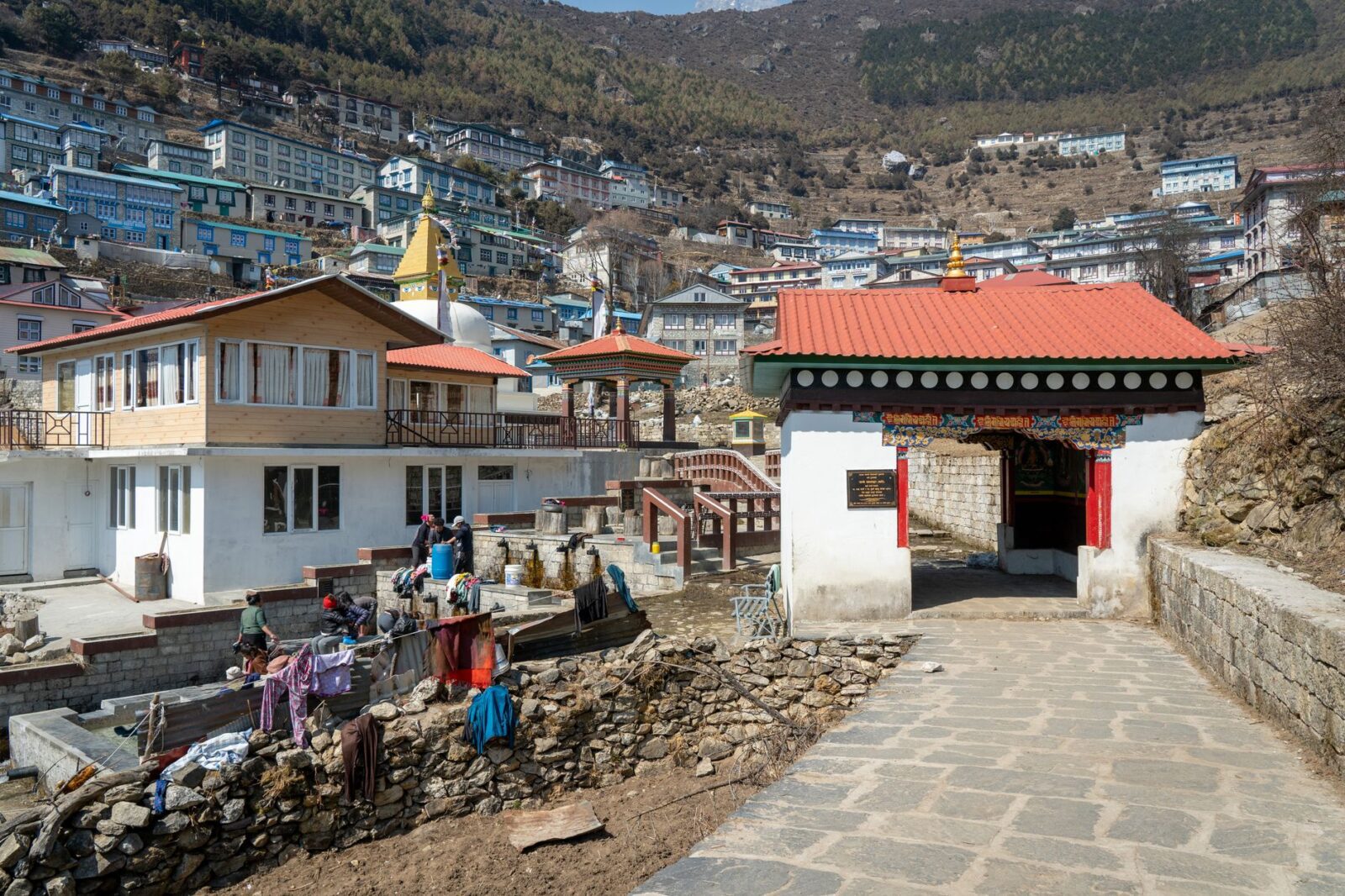
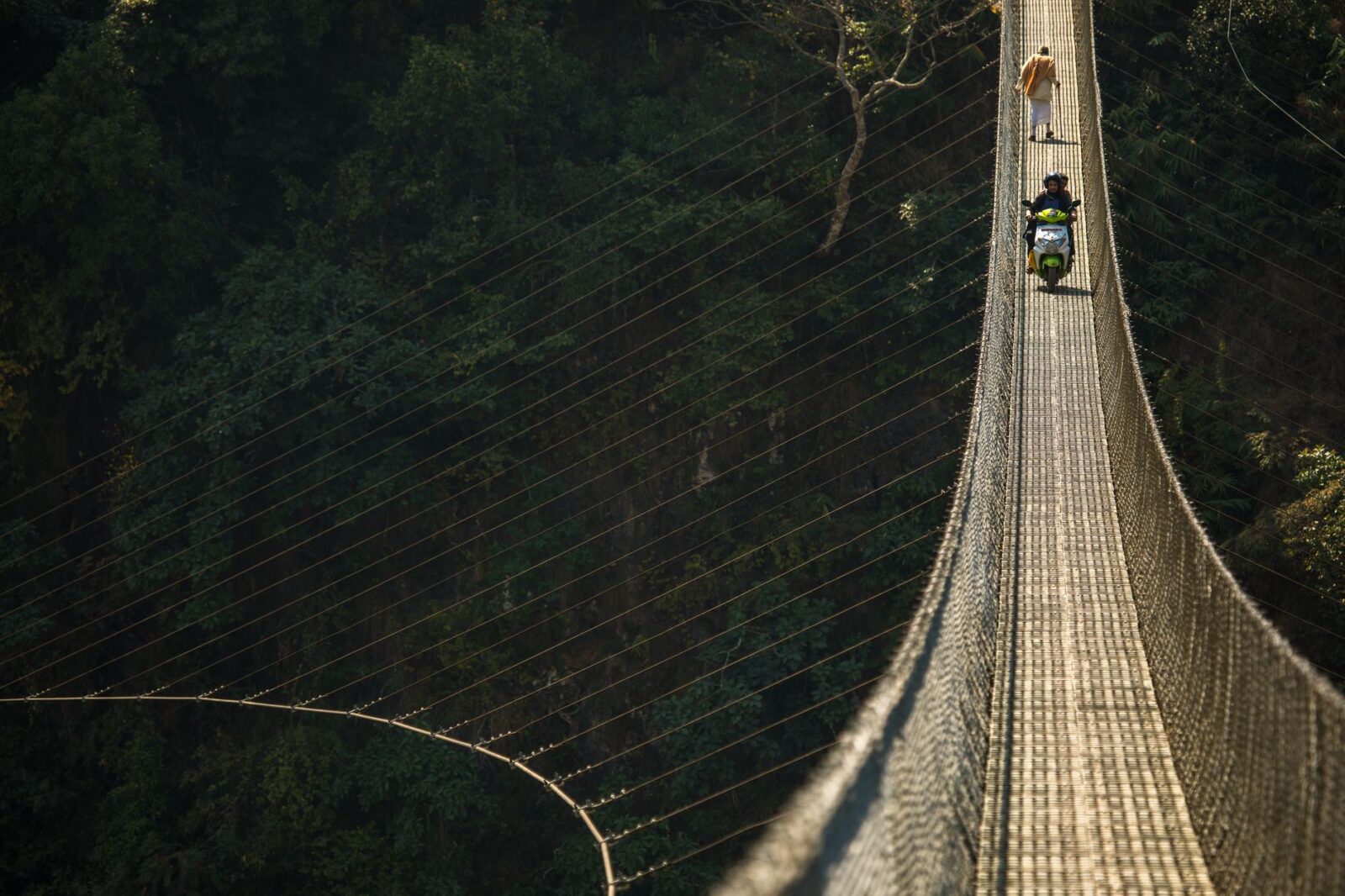
Today’s trek follows the river upstream, crossing several suspension bridges adorned with prayer flags. The path steepens as you approach the entrance to Sagarmatha National Park at Monjo, where your permits are checked. After a steady climb, you arrive at Namche Bazaar, the vibrant Sherpa capital nestled in a natural amphitheater. The day’s distance is roughly 12 kilometers with an altitude gain of about 830 meters, and the evening is perfect for exploring the local market and visiting the Sherpa Culture Museum.
Day 3: Acclimatization in Namche Bazaar
Acclimatization days are critical for preventing altitude sickness, and Namche offers ideal low‑impact activities. Many trekkers hike up to the Everest View Hotel at 3,880 meters for a panoramic vista of Everest, Lhotse, and Ama Dablam, then return to Namche for the night. This loop adds about 6 kilometers of walking with minimal elevation change, allowing your body to adapt to the thinner air while enjoying spectacular scenery.
Day 4: Namche Bazaar to Tengboche (3,860m)
The trail descends slightly to cross the Dudh Koshi River before climbing through pine forests toward the renowned Tengboche Monastery. The monastery, perched on a ridge, offers a serene setting for a short visit and a chance to observe monastic rituals. The day’s trek spans approximately 10 kilometers with an altitude gain of around 420 meters, and you will spend the night in a teahouse with views of the monastery’s golden roofs against the mountain backdrop.
Day 5: Tengboche to Dingboche (4,410m)
After leaving Tengboche, the path winds through alpine meadows and crosses the Imja Khola River on a sturdy bridge. The valley opens up, revealing the impressive walls of Lhotse and Island Peak. Dingboche, a picturesque village surrounded by stone walls used to protect crops from wind, sits at 4,410 meters. The trek covers about 12 kilometers with an altitude gain of roughly 550 meters, and the evening is ideal for a short acclimatization walk to the nearby Nagarjun Hill.
Day 6: Acclimatization in Dingboche
Another acclimatization day helps your body cope with the increasing elevation. A popular option is to hike up to Nagarjun Hill at 5,100 meters, offering a close‑up view of Makalu and the eastern flank of Everest. The round trip adds about 8 kilometers of walking with a gain of roughly 700 meters, then you return to Dingboche for rest. Staying hydrated and maintaining a steady pace are key strategies on this day.
Day 7: Dingboche to Lobuche (4,910m)
The landscape becomes more rugged as you leave Dingboche, following the lateral moraine of the Khumbu Glacier. You will pass memorials to climbers who have perished on Everest, a sobering reminder of the mountain’s challenges. Lobuche sits at 4,910 meters, and the day’s trek covers approximately 8 kilometers with an altitude gain of about 500 meters. The teahouses here are basic but provide essential shelter from the cold winds that sweep the valley.
Day 8: Lobuche to Gorak Shep – Everest Base Camp (5,364m) – Return to Gorak Shep
This is the highlight of the trek: a push to Everest Base Camp itself. The trail from Lobuche to Gorak Shep is rocky and involves navigating glacial debris. After reaching Gorak Shep at 5,160 meters, you leave your pack and continue on foot to Base Camp, a short but steep 1.5‑kilometer walk that brings you to 5,364 meters. Standing at the foot of the world’s highest peak, surrounded by towering seracs and the Khumbu Icefall, is an unforgettable experience. After spending time at Base Camp, you return to Gorak Shep for the night, completing a total walking distance of about 15 kilometers for the day.
Day 9: Gorak Shep to Kala Patthar (5,545m) – Trek to Pheriche (4,240m)
An early start takes you up Kala Patthar, the renowned viewpoint that offers the best unobstructed panorama of Everest’s summit. The ascent is steep but short, covering roughly 2 kilometers with a gain of 385 meters. After sunrise views and photography, you descend to Gorak Shep, collect your gear, and begin the long trek down to Pheriche. The day’s total distance is about 18 kilometers, with a significant altitude loss as you retrace your steps through Lobuche and Dingboche before reaching Pheriche for an overnight stay.
Day 10: Pheriche to Namche Bazaar (3,440m)
The descent continues through familiar terrain, allowing your legs to recover while you enjoy the changing scenery. You will pass through Tengboche again, perhaps revisiting the monastery for a final blessing. The trek from Pheriche to Namche Bazaar covers approximately 19 kilometers with a loss of about 970 meters, and you will find yourself back in the bustling market town where you can celebrate your achievement with a hearty meal and perhaps a local chang (barley beer).
Day 11: Namche Bazaar to Lukla (2,860m)
The final day on the trail follows the Dudh Koshi River downstream, retracing the steps of your arrival. The walk is relatively gentle, covering about 18 kilometers with a descent of roughly 580 meters. Arriving in Lukla gives you a chance to reflect on the journey, shop for last‑minute souvenirs, and prepare for the early morning flight back to Kathmandu.
Day 12: Flight to Kathmandu
Weather permitting, the flight from Lukla to Kathmandu departs early to avoid afternoon winds and clouds. The 35‑minute flight offers a final aerial glimpse of the mountains you have just trekked. Upon arrival in the capital, you can transfer to your hotel, enjoy a well‑deserved rest, and begin processing the memories of an adventure that will stay with you for a lifetime.
Gear Essentials: Packing List for the Khumbu Trail
Successful trekking in the Everest region hinges on having the right equipment for variable weather, high altitude, and basic teahouse facilities. A sturdy, waterproof trekking backpack of 35 to 45 liters carries your daily essentials, while a lighter daypack of 15 to 20 liters is useful for side trips to viewpoints. Footwear should consist of broken‑in, waterproof trekking boots with good ankle support, paired with moisture‑wicking socks (wool or synthetic) and a pair of camp shoes or sandals for evenings in the teahouse.
Clothing follows the layering principle: a base layer of synthetic or merino wool top and bottom, an insulating mid layer such as a fleece jacket or down vest, and a waterproof, breathable outer shell jacket and pants. Additional warm items include a down jacket for evenings above 4,000 meters, a warm hat or balaclava, gloves (lightweight liner plus insulated outer), and a buff or neck gaiter. For sun protection, pack a wide‑brimmed hat, UV‑blocking sunglasses, and a high SPF sunscreen (SPF 50+).
Other indispensable items are a headlamp with extra batteries, a reusable water bottle or hydration system (capacity at least two liters), water purification tablets or a filter, a basic first‑aid kit, blister treatment, personal medications, and a quick‑dry towel. Trekking poles are highly recommended to reduce knee strain on descents. Finally, pack a set of lightweight sleeping bag liner (if you prefer extra hygiene) and a small lock for securing your belongings in shared teahouse rooms.
Teahouse Life, Guides, Porters, and Tipping Etiquette
Along the Everest Base Camp route, accommodation is provided in family‑run teahouses that offer simple rooms with twin beds, blankets, and shared bathrooms. Hot showers are available for a fee (typically 2 to 4 USD) and are powered by gas or solar heaters; electricity for charging devices is often limited to a few hours in the evening, so a power bank is wise. Meals are served in a communal dining area and usually consist of dal bhat (lentil soup with rice), noodles, potatoes, eggs, and occasional meat dishes, with vegetarian options widely available.
Hiring a guide is strongly recommended, especially for first‑time high‑altitude trekkers. A licensed guide costs between 30 and 40 USD per day, inclusive of their salary, insurance, and equipment. Porters, who carry your main luggage (up to 15 kilograms), charge roughly 15 to 20 USD per day. Many trekkers choose to hire both a guide and a porter, which not only eases the physical load but also supports the local economy. If you decide to trek without a guide, be aware that local officials may encourage you to join a group or hire one on the spot, particularly at checkpoints like Monjo or Lukla.
Tipping is customary and appreciated as a significant part of staff income. At the end of the trek, it is standard to give the guide about 10 to 15 percent of the total trek cost, and the porter roughly 5 to 10 percent. These amounts are usually handed over in cash (USD or Nepali rupees) during a farewell gathering in Lukla or Kathmandu. Additionally, leaving a small extra amount for teahouse staff who provided exceptional service is a kind gesture.
Health, Safety, and Altitude Management: Staying Healthy Above 5,000 Meters
Altitude sickness, or acute mountain sickness (AMS), is the most common health concern on the Everest Base Camp trek. Symptoms include headache, nausea, dizziness, fatigue, and shortness of breath. The cornerstone of prevention is a gradual ascent schedule with built‑in acclimatization days, as outlined in the itinerary. Staying well hydrated (aiming for three to four liters of water per day), avoiding alcohol, and maintaining a steady, moderate pace significantly reduce risk.
If mild AMS symptoms appear, the recommended response is to rest at the same altitude, hydrate, and take an over‑the‑counter medication such as ibuprofen for headache. Should symptoms worsen or progress to signs of high‑altitude cerebral edema (HACE) or high‑altitude pulmonary edema (HAPE)—such as confusion, inability to walk, or a wet, gurgling cough—immediate descent is critical. Carrying a prescription of acetazolamide (Diamox) as a preventive measure is common, but it should be used only after consulting a healthcare professional.
Water safety is another vital consideration. Although teahouse water is often boiled, many trekkers prefer to treat their own supply using chlorine dioxide tablets, iodine drops, or a lightweight pump filter capable of removing bacteria and protozoa. Avoid drinking untreated stream water directly, as it may contain pathogens that cause gastrointestinal illness.
Evacuation insurance that covers helicopter rescue at high altitude is non‑negotiable. Policies should explicitly include coverage up to at least 6,000 meters and provide for medical evacuation to a facility in Kathmandu. Verify that your insurer has a local partner in Nepal capable of arranging a helicopter on short notice. Keep a digital and paper copy of your policy details, emergency contact numbers, and your insurance card readily accessible during the trek.
Culture, Etiquette, and Sustainable Trekking on the Everest Trail
The Khumbu region is home to the Sherpa people, whose traditions are deeply intertwined with Tibetan Buddhism. When visiting monasteries, prayer walls, or mani stones, walk clockwise (keeping the religious structure on your right) as a sign of respect. Speak softly, refrain from touching sacred objects, and remove hats and shoes before entering prayer rooms. Photography is generally allowed outdoors, but always ask permission before taking pictures of individuals, especially monks or elders.
Dress modestly in villages; covering shoulders and knees is appreciated. When offered food or drink, accepting with both hands shows gratitude. The Sherpa greeting “Namaste” or the Tibetan “Tashi Delek” is welcomed, and a smile goes a long way. Supporting local businesses by purchasing handicrafts, eating at teahouses, and hiring local guides and porters helps ensure that tourism benefits the community directly.
Environmental stewardship is essential to preserve the fragile alpine ecosystem. Carry a reusable bag for all trash and pack out everything you bring in, including used toilet paper (which should be placed in a sealed bag and disposed of in designated bins at larger villages). Stick to established trails to avoid damaging vegetation and soil, and refrain from picking flowers or disturbing wildlife. Many trekking agencies now participate in clean‑up campaigns; consider joining one if your schedule allows.
Frequently Asked Questions
What is the success rate for reaching Everest Base Camp?
According to data from the Nepal Tourism Bureau and trekking agency reports, approximately 90 percent of trekkers who follow a proper acclimatization schedule and are in good physical condition successfully reach Everest Base Camp. The remaining 10 percent typically turn back due to altitude sickness, injury, or severe weather. Proper preparation, hydration, and listening to your body are the key factors that improve your odds of completion.
How much should I budget for the entire trek in 2026?
A realistic budget for a solo trekker arranging everything independently ranges from 1,200 to 1,500 USD. This includes the Lukla flight (approximately 180 USD round‑trip), permits (about 50 USD), guide and porter fees (roughly 500 to 600 USD for a 12‑day trek), teahouse accommodation and meals (about 25 to 35 USD per day), and miscellaneous expenses such as snacks, hot showers, charging fees, and tips. If you opt for a full‑service package through a reputable agency, the total often falls between 1,800 and 2,200 USD, covering flights, permits, guide, porter, accommodation, meals, and insurance.
Is it possible to trek Everest Base Camp without a guide?
While the Nepalese government does not legally require a guide for the Everest Base Camp trek, practical realities make it challenging. At checkpoints such as Monjo and Lukla, local officials and teahouse owners frequently encourage solo trekkers to join a group or hire a guide on the spot, citing safety concerns and trail conditions. If you choose to go without a guide, you must be proficient in navigation, carry detailed maps or a GPS device, and be prepared to manage any emergencies independently. Most experienced trekkers still recommend at least hiring a porter to carry the bulk of your gear.
What should I do if I experience symptoms of altitude sickness?
If you develop mild symptoms such as a headache or light‑headedness, stop ascending, rest at your current elevation, drink plenty of fluids, and consider taking an over‑the‑counter pain reliever. If symptoms persist or worsen, descend to a lower altitude immediately—even a drop of 300 to 500 meters can bring significant relief. In cases of severe symptoms like confusion, vomiting, or difficulty walking, seek help from your guide or fellow trekkers and arrange for an emergency evacuation via helicopter if necessary.
Stay informed with the latest travel news, visa updates, and destination guides. Follow HimalayanCrest.com for weekly travel intelligence delivered by our editorial team.