

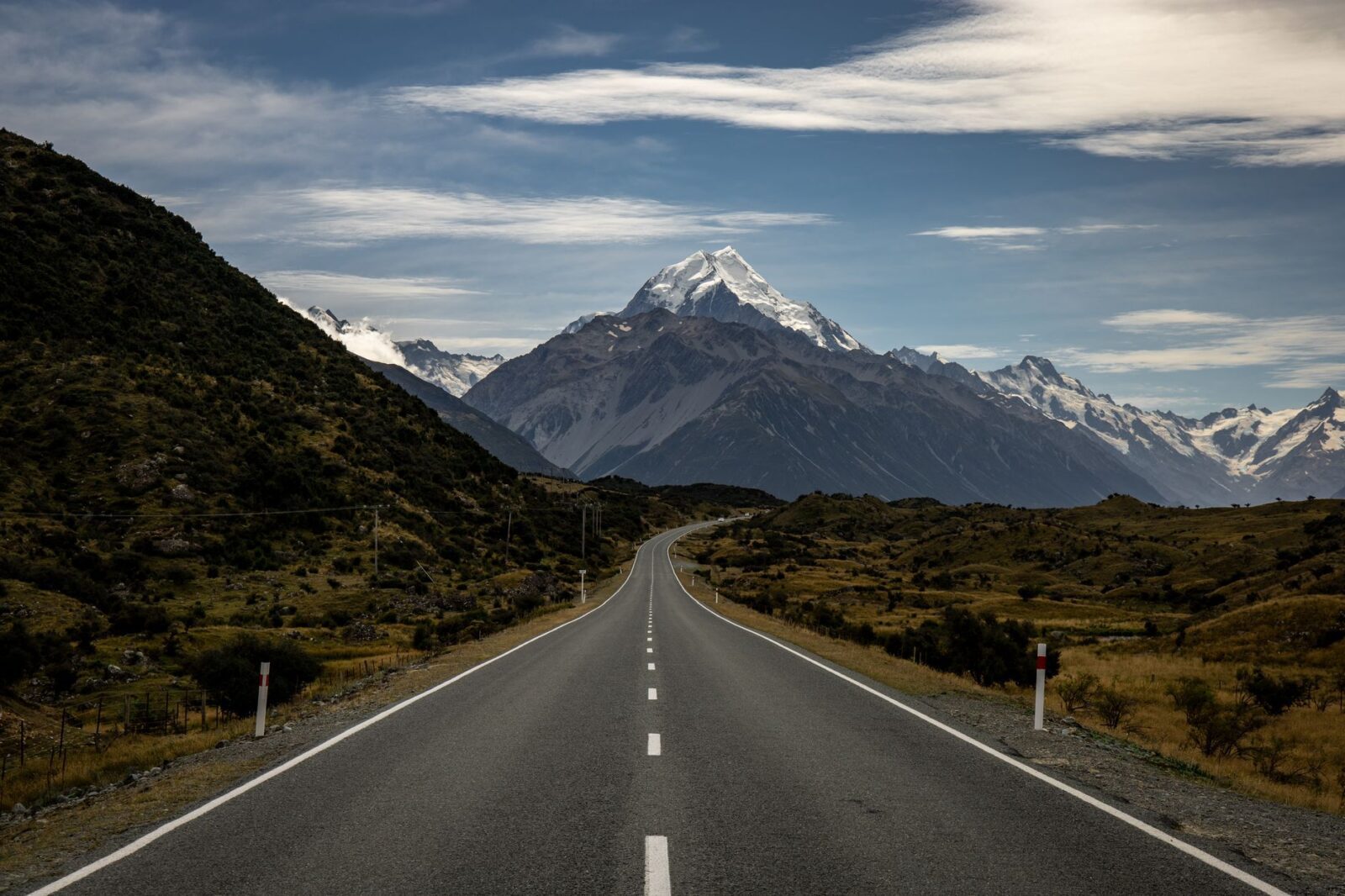
New Zealand Sets the Global Benchmark for Scenic Self-Drive Adventures
New Zealand continues to be recognized as a global leader for scenic self-drive adventures, offering mountains, fjords, glaciers, volcanoes and protected wilderness areas packed into compact distances. The country’s road network allows travelers to experience dramatic landscape changes within a few hours of driving. This accessibility makes it ideal for both short getaways and extended explorations. Travelers often cite the ease of moving from alpine terrain to coastal rainforest without long transfers as a key advantage.
Among the most celebrated routes are the South Island Alpine Route, the Queenstown‑Milford Sound corridor, the Southern Scenic Route and the Auckland‑Rotorua‑Taupō loop on the North Island. Each itinerary blends iconic sights with lesser‑known side roads that reveal hidden valleys and quiet lakeshores. Drive times are regularly published by local tourism bodies, helping visitors plan realistic daily stages.
Key natural attractions along these drives include Milford Sound within Fiordland National Park, Aoraki/Mount Cook, the turquoise waters of Lake Tekapo and the volcanic landscapes of Tongariro National Park. Adventure experiences range from hiking the Tongariro Alpine Crossing to glacier flights over Franz Josef, kayaking in Abel Tasman, bungee jumping in Queenstown, wildlife spotting on the Otago Peninsula and stargazing in the Aoraki Mackenzie Dark Sky Reserve.
The optimal window for a New Zealand road trip runs from November to April, when mountain passes are clear and daylight hours are long. During this period, most visitor facilities operate at full capacity and road conditions are generally favorable for standard vehicles.
Australia’s Vast Highway Networks Offer Unmatched Landscape Diversity
Australia provides the greatest landscape diversity in Oceania, stretching from tropical rainforests and coral reefs to deserts and remote outback highways. The sheer scale of the continent means that a single road trip can traverse multiple climate zones, offering experiences that few other regions can match. This variety attracts travelers seeking both iconic landmarks and profound solitude.
Signature drives such as the Great Ocean Road, the Savannah Way, the Nullarbor Plain, the Tasmania Loop and the Red Centre Way each highlight a different facet of the Australian environment. The Great Ocean Road showcases rugged cliffs and the Twelve Apostles, while the Red Centre Way leads to Uluru and the surrounding desert plains. The Savannah Way winds through tropical savannas and Indigenous cultural sites across Queensland, the Northern Territory and Western Australia.
Travelers on these routes often engage in wildlife encounters, camping under star‑filled skies, four‑wheel‑drive exploration of remote tracks and guided Indigenous cultural experiences. These activities deepen the connection between the journey and the land, transforming a simple drive into a multifaceted adventure.
The most favorable period for an Australian road trip spans March to October, avoiding the extreme heat of the northern summer and the wet season in the tropics. Planning ahead for fuel supplies, water and accommodation is essential, especially when venturing onto long stretches of unsealed roads.
Pacific Island Nations Forge New Road Trip Experiences Amid Pristine Ecosystems
Beyond Australia and New Zealand, smaller Pacific nations are developing scenic road trip routes that center on volcanic scenery, lagoons and untouched ecosystems. Fiji, Vanuatu and Samoa have begun to promote drives that circle main islands, linking coastal villages, rainforest trails and marine reserves. These itineraries cater to travelers who want a slower pace and direct contact with local communities.
In Fiji, the Queen’s Highway around Viti Levu offers views of coral coastlines, sugarcane fields and traditional villages, with detours to the Sigatoka Sand Dunes and the Colo-i-Suva Forest Park. Vanuatu’s main island of Efate features a coastal road that passes waterfalls, blue holes and cultural sites such as the Chief Roi Mata’s Domain. Samoa’s cross‑island route on Upolu connects Apia to the southern coast, passing lava fields, blowholes and the pristine Lalomanu Beach.
Adventure experiences on these island routes include snorkeling in lagoons, hiking to volcanic craters, participating in village feasts known as umu and kayaking through mangrove forests. The relatively short distances allow visitors to combine several activities within a single day, making the journeys ideal for families and couples seeking variety without long drives.
The best time to explore these Pacific routes is typically from May to October, when rainfall is lower and sea conditions are calm for water‑based activities. Local rental agencies now offer compact cars and SUVs suited to both paved roads and occasional gravel sections.
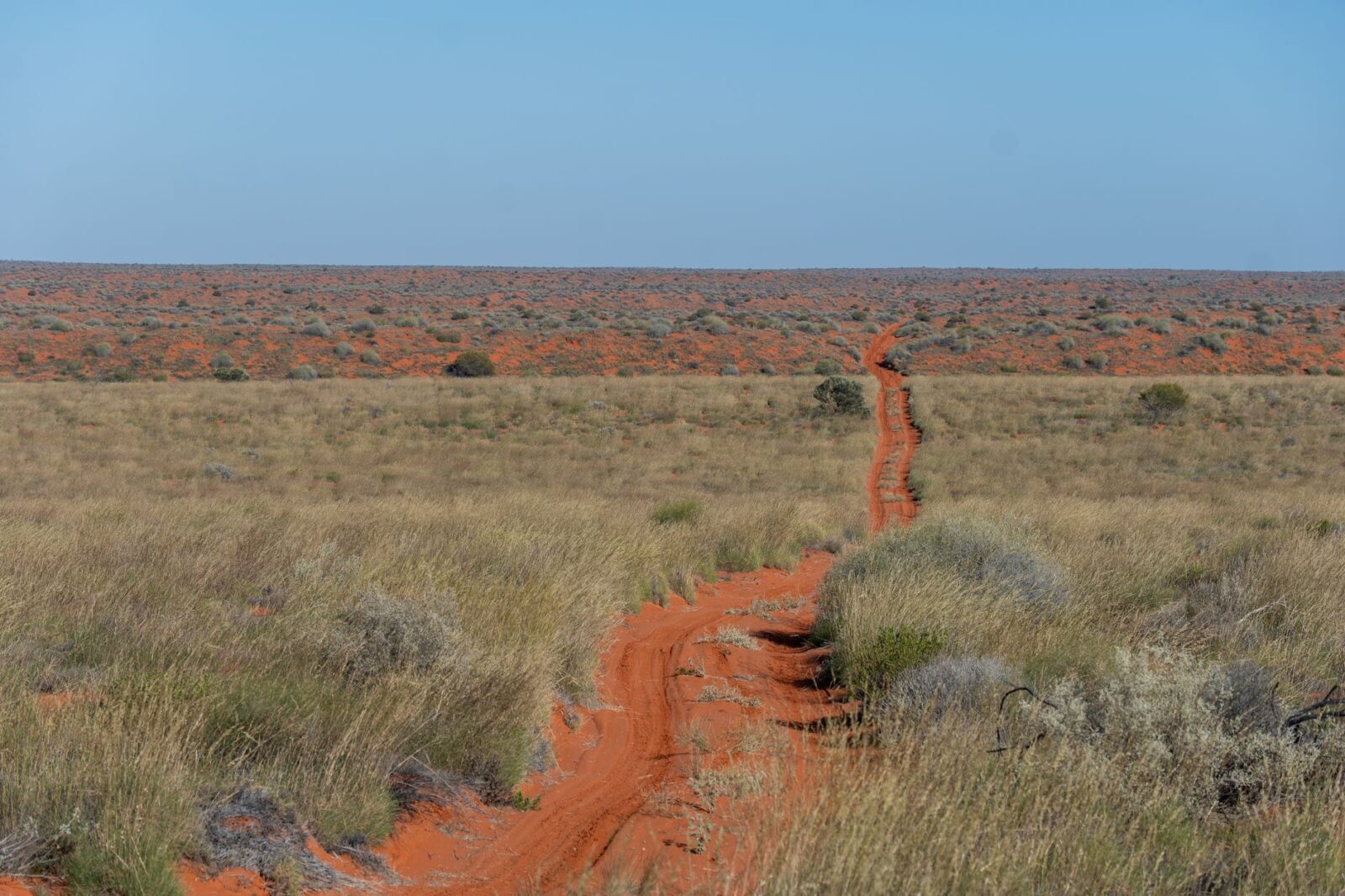
Why Oceania Dominates the 2026 Nature Road Trip Landscape
Oceania remains one of the world’s strongest regions for nature-focused road trip adventures in 2026, with vast wilderness, dramatic coastlines, mountain highways, tropical landscapes and remote cultural experiences attracting adventure travellers. The growth of nature tourism, demand for slower travel and interest in remote destinations are helping the region strengthen its position as a leading road trip destination. This trend reflects a broader shift toward experiential travel that prioritizes connection with environment over rapid sightseeing.
Oceania remains one of the world’s strongest regions for nature-focused road trip adventures in 2026.
Compared to other continents, Oceania offers a rare combination of accessible infrastructure and low population density outside major cities. This allows travelers to reach remote natural wonders without sacrificing safety or comfort. The region’s commitment to preserving its natural assets through national parks and marine reserves further enhances the appeal of self‑driven exploration.
Travel industry analysts note that the rise of flexible work arrangements and extended vacation policies in many countries has increased the appetite for longer road trips. Oceania’s diverse offerings enable travelers to tailor itineraries to specific interests, whether they prefer glacial vistas, desert solitude or tropical island hopping.
Planning Your Kiwi Road Trip: Must-Drive Routes and Seasonal Timing
For those setting out on a New Zealand adventure, a well‑structured itinerary can maximize both scenic rewards and logistical ease. A classic South Island loop often begins in Christchurch, heads west toward the Southern Alps, then proceeds south to Queenstown before circling east via the Mackenzie Basin and returning north through the Canterbury Plains. This circuit covers glaciers, lakes, mountains and coastal fjords in roughly ten to fourteen days, depending on pacing.
On the North Island, a popular route starts in Auckland, travels southeast to Rotorua for geothermal wonders, continues south to Taupō for lake activities and volcanic terrain, then loops west through the Waitomo Caves before returning north via the Hamilton corridor. This itinerary blends Maori culture, adventure sports and lush countryside within a week to ten days.
Travelers should consider booking accommodation and popular activities well in advance during the peak season (November to April), especially in high-demand areas such as Queenstown, Fiordland and the Bay of Islands. Many campsites and holiday parks operate on a first‑come, first‑served basis, but premium sites often require reservations.
Vehicle choice influences both comfort and cost. Standard sedans are sufficient for most paved highways, while those intending to explore gravel roads or high country stations may opt for a compact SUV or a four‑wheel‑drive vehicle. Rental companies frequently offer discounts for longer hire periods, making a two‑week or month‑long trip more economical per day.

Budget Breakdown: Costs for Fuel, Accommodation, and Activities Across Oceania
Understanding the financial aspects of a road trip helps travelers set realistic expectations and avoid surprises. In New Zealand, average fuel prices in 2026 hover around NZD 2.80 per liter, which translates to roughly USD 1.70 per liter. A typical compact car consuming 7 liters per 100 kilometers will spend about NZD 196 (USD 120) on fuel for a 1,000‑kilometer journey.
Accommodation costs vary widely. Budget travelers can expect to pay NZD 40‑60 (USD 25‑38) per night for a hostel dormitory or basic campsite, while mid‑range motels and lodges range from NZD 120‑180 (USD 75‑110) per night. Luxury retreats in places like Queenstown or Lake Tekapo can exceed NZD 350 (USD 215) per night. Booking outside peak months often yields discounts of 20‑30 percent.
Activity expenses should also be factored in. Glacier flights generally start at NZD 350 (USD 215) per person, guided kayak tours cost around NZD 120 (USD 75) and bungee jumps from the Kawarau Bridge are priced at NZD 195 (USD 120). Many national parks charge modest entry fees, with Fiordland National Park requiring a NZD 30 (USD 18) conservation contribution for overnight stays.
In Australia, fuel averages about AUD 2.10 per liter (USD 1.35), and a similar 1,000‑kilometer drive in a midsize sedan costs roughly AUD 147 (USD 95). Accommodation ranges from AUD 30‑50 (USD 20‑33) for hostels to AUD 150‑250 (USD 97‑162) for hotels, with outback roadhouses sometimes offering cheaper motel rooms. Activities such as guided Uluru tours or Great Barrier Reef snorkeling trips typically start at AUD 180 (USD 116) per person.
Pacific island destinations tend to have higher per‑day costs due to imported goods, but short distances reduce fuel expenditures. In Fiji, a daily budget of USD 70‑100 covers accommodation, meals and a rental car, while organized lagoon tours add USD 40‑60. Travelers should also consider purchasing travel insurance that covers medical evacuation, especially when visiting remote outer islands.
Practical Tips for Cross-Border Driving and Vehicle Rentals in the Region
Driving across Oceania presents unique considerations that differ from continental road trips. While there are no land borders between New Zealand and Australia, travelers often combine flights with separate vehicle hops in each country. Within Australia, moving between states is straightforward, but drivers should be aware of varying road rules, such as speed limits that differ by territory and mandatory rest periods for long‑haul drivers.
When renting a vehicle, it is essential to verify whether the rental agreement permits travel on unsealed roads, especially if planning to explore the Australian outback or New Zealand’s high country tracks. Some companies restrict certain vehicle types to paved surfaces only, and violating these terms can void insurance coverage. Always inspect the vehicle thoroughly before departure and note any existing damage.
Navigation remains reliable in most areas, but mobile coverage can be sparse in remote regions. Downloading offline maps and carrying a physical road atlas are prudent precautions. In the Pacific islands, road signage may be limited outside main towns, so asking locals for directions and using landmarks is often more dependable than relying solely on GPS.
Finally, respecting local customs and environmental guidelines enhances the travel experience and helps preserve the landscapes that make these journeys special. This includes staying on designated tracks, disposing of waste properly and seeking permission before entering private or culturally significant lands.
Looking Ahead: Infrastructure Investments and Emerging Routes to Watch
Governments and tourism bodies across Oceania continue to invest in road improvements and new scenic routes that promise to enrich the road trip offering. In New Zealand, the government has allocated funding to upgrade sections of the Southern Scenic Route, aiming to reduce travel times and improve safety around narrow coastal stretches. Similar work is planned on the Auckland‑Rotorua‑Taupō corridor to accommodate growing visitor numbers.
Australia is developing a series of interpretive drives that highlight Indigenous storytelling and land management practices. The proposed Songlines Highway will traverse central Australia, linking ancient pathways with modern visitor centers that explain the cultural significance of the landscape. Pilot sections are expected to open in late 2026.
In the Pacific, regional cooperation projects are upgrading coastal roads in Fiji and Vanuatu to better withstand climate impacts such as sea‑level rise and increased rainfall. These improvements not only enhance safety for residents but also create more reliable routes for tourists seeking to explore island interiors.
As sustainable travel gains momentum, several tour operators are introducing electric vehicle rental options in major cities like Sydney, Auckland and Nadi. While charging infrastructure remains limited outside urban areas, pilot programs are testing solar‑powered charging stations at popular holiday parks. Travelers interested in low‑impact journeys should monitor these developments and consider booking early to secure availability.
Frequently Asked Questions
What is the best time of year to embark on a road trip in New Zealand?
The ideal window for a New Zealand road trip runs from November to April. During these months, mountain passes such as the Lewis and Arthur’s Pass are generally clear of snow, daylight extends beyond nine hours in the south and most visitor facilities, including campgrounds and guided tour operators, operate at full capacity. Travelers seeking fewer crowds may consider the shoulder periods of late October or early May, though some high‑altitude roads could still have occasional snow.
How much should I budget for fuel on a 2,000‑kilometer drive across Australia’s outback?
Based on the 2026 average fuel price of AUD 2.10 per liter, a vehicle consuming 8 liters per 100 kilometers would require about 160 liters for 2,000 kilometers. This equates to roughly AUD 336 (USD 215). Adding a contingency of ten percent for detours, idle time or varying terrain brings the total to approximately AUD 370 (USD 235). Travelers should also factor in higher fuel costs at remote roadhouses, where prices can exceed AUD 2.50 per liter.
Are international driver’s licenses accepted in Fiji, Vanuatu and Samoa?
Yes, all three nations recognize valid international driving permits alongside a national driver’s license from the traveler’s home country. The permit must be carried in addition to the original license at all times while driving. Rental agencies typically request to see both documents before releasing a vehicle. It is advisable to confirm the specific requirements with the chosen rental company during the booking process.
What safety precautions should I take when driving on unsealed roads in the Australian outback?
Travelers should ensure their vehicle is equipped with at least two spare tires, a jack, basic tools and ample water supplies—minimum four liters per person per day. Informing someone of your planned route and expected arrival times is crucial, as mobile coverage can be nonexistent for hundreds of kilometers. Driving at reduced speeds, especially after rain, helps maintain control on loose gravel or corrugated surfaces. Carrying a satellite communicator or personal locator beacon adds an extra layer of safety in case of emergencies.
Can I rent an electric vehicle for a road trip in New Zealand, and where can I charge it?
Several rental companies in Auckland, Wellington and Queenstown now offer electric vehicles, primarily Nissan Leaf and Hyundai Kona Electric models. Charging infrastructure is well‑developed in urban areas and along popular tourist corridors such as the State Highway 1 route between Auckland and Wellington. However, charging stations become sparse in remote regions like the West Coast and the Mackenzie Basin. Planning daily driving distances to align with available charging points and utilizing accommodation that offers overnight charging are recommended strategies for an electric road trip.
Stay informed with the latest travel news, visa updates, and destination guides. Follow HimalayanCrest.com for weekly travel intelligence delivered by our editorial team.