

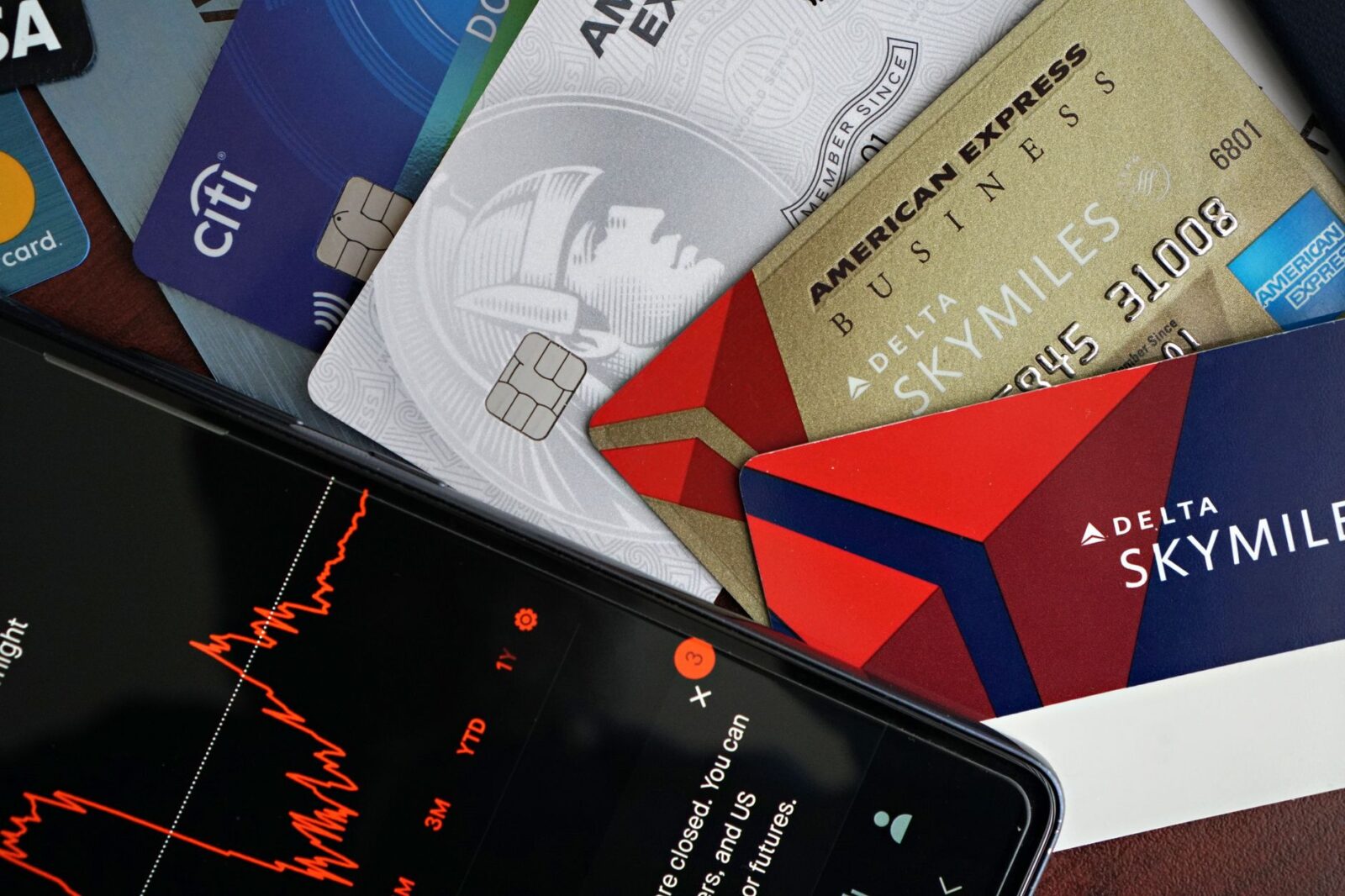
Banks Beat Hotels as the New Loyalty Leaders
For years, hotel chains and airlines poured resources into building loyalty programs that promised free nights, upgrades, and priority boarding. Travelers collected points with the hope of turning everyday spending into dream vacations. Yet a quiet shift has been taking place inside wallets worldwide, where the most compelling rewards now come not from a hotel brand or an airline but from the financial institution that issues your credit card.
This change is not a fleeting trend; it reflects a deeper reallocation of trust and value in the travel ecosystem. As digital booking platforms grew, traditional suppliers worried about losing direct relationships with customers. The real disruption, however, arrived from an unexpected quarter: banks that leveraged massive data sets, flexible point structures, and the ability to reward spending across any purchase category.
The result is a new hierarchy of loyalty where credit card and bank programs sit at the top, forcing hotels and airlines to rethink how they stay relevant. Understanding this shift helps travelers make smarter decisions about where to earn and redeem points for their next journey.
What the 2026 Skift Survey Reveals
The latest Global Travel Insights survey from Skift Research asked travelers which loyalty programs they find most rewarding. The responses showed a clear leader: 32 percent of respondents chose credit card or bank programs as the most valuable. Hotels followed at 26 percent, airlines at 20 percent, and online travel agencies lagged behind at just 8 percent.
32% of travelers find credit card/bank loyalty programs most rewarding, compared to 26% for hotels and 20% for airlines.
These numbers represent more than a statistical curiosity; they signal a structural change in how travelers evaluate value. When a third of the market prefers bank‑issued points over hotel free nights or airline miles, the traditional suppliers must confront a competitor that can reward every grocery bill, utility payment, or online purchase.
The survey also highlighted that travelers appreciate the flexibility of bank points, which can often be transferred to multiple airline or hotel partners, or used directly for travel purchases through a bank’s portal. This versatility contrasts with the more restrictive earning and redemption rules that often characterize supplier‑run programs.
Why Financial Institutions Hold the Advantage
Banks bring two critical assets to the loyalty battlefield: capital and data. Unlike hotels or airlines, which are limited to revenue generated from room nights or flight seats, banks earn income from a broad spectrum of financial activities, including interest, fees, and merchant interchange. This diversified revenue stream allows them to fund generous point accrual rates, sign‑up bonuses, and ongoing perks that would be unsustainable for a single‑sector loyalty program.
Moreover, banks possess deep insight into consumer behavior. Every swipe of a debit or credit card feeds into a data pipeline that reveals spending patterns, travel preferences, and even life‑stage changes. Armed with this information, banks can tailor offers that feel personal—such as bonus points for dining abroad during a known vacation season or extra rewards for purchasing travel insurance.
Finally, the regulatory environment in many countries encourages banks to innovate in rewards as a way to differentiate their products. While airline and hotel programs are often constrained by alliance agreements and legacy technology, banks can launch new point structures, partner with fintech apps, or integrate with emerging social commerce platforms relatively quickly.

The Waning Appeal of Hotel and Airline Programs
Traditional hotel loyalty programs have long relied on the promise of a free stay after a certain number of nights. However, recent devaluations—such as raising the points required for a standard room or introducing blackout dates—have eroded trust among frequent travelers. Many guests now report that achieving elite status feels harder, and the benefits associated with those tiers, like complimentary breakfast or lounge access, have been trimmed.
Airline loyalty programs face similar headwinds. The shift to revenue‑based earning, where miles are awarded according to ticket price rather than distance flown, has made it difficult for budget‑conscious travelers to accumulate meaningful balances. Additionally, dynamic award pricing means that the same flight can cost vastly different mileage amounts depending on demand, leaving members uncertain about the true value of their points.
These challenges have pushed a segment of travelers to look beyond brand‑specific programs. When the perceived value of hotel points or airline miles declines, the flexibility and universality of bank rewards become increasingly attractive, especially for those who travel sporadically or prefer to mix and match airlines and hotels.
Social Commerce and the Rise of the Travel Storefront
Beyond the traditional players, a new category of travel intermediaries is emerging: social platforms, creator networks, and AI‑driven storefronts that allow users to book trips directly within apps they already use for chatting or scrolling. Analysts estimate that social commerce for travel now represents a $7 billion+ opportunity, yet the industry has captured only a fraction of that potential.
Banks are uniquely positioned to thrive in this environment. Many already offer integrated travel booking portals where points can be redeemed for flights, hotels, or car rentals without leaving the bank’s app. By partnering with social creators or enabling seamless checkout through travel‑focused influencers, banks can turn everyday spending into travel inspiration at the moment of decision.
This convergence of payments, data, and social engagement creates a feedback loop: the more travelers use their bank card for daily purchases, the more points they earn, which in turn encourages them to book travel through the bank’s channel. Hotels and airlines, by contrast, often remain isolated from this loop, relying on separate loyalty websites or call centers that add friction to the booking process.

How Travelers Can Maximize Bank Rewards Today
If you want to capture the full value of the current loyalty landscape, consider these practical steps:
- Audit your existing credit cards to see which offer the highest points per dollar on travel‑related categories such as dining, airfare, and hotel stays.
- Look for sign‑up bonuses that reward you with tens of thousands of points after meeting a modest spending threshold—these can jump‑start a travel fund.
- Check whether your bank’s points transfer to multiple airline or hotel partners at a 1:1 ratio; this flexibility often yields better redemption value than staying within a single program.
- Monitor promotional periods where banks offer bonus points for specific merchants, such as overseas online retailers or travel insurance providers, and time your purchases accordingly.
- Use the bank’s travel portal for booking when the cash price is competitive; sometimes the points‑plus‑cash option delivers a better overall value than a pure points redemption.
By treating your credit card as a strategic travel tool rather than merely a payment method, you can align everyday spending with your vacation goals. Remember to pay the balance in full each month to avoid interest charges that would quickly erase any rewards earned.
Cost Implications and Budget Adjustments to Consider
The rise of bank‑centric loyalty has tangible effects on travel budgets. For example, a traveler who earns 2 points per dollar on all purchases and receives a 60 000‑point sign‑up bonus could effectively receive $600 in travel value (assuming a 1 cent per point valuation) after spending $30 000 on the card—an amount many households reach through regular bills, groceries, and online shopping.
In contrast, achieving a comparable hotel free night might require staying 10 nights at a mid‑range property that charges $150 per night, totaling $1 500 in out‑of‑pocket spend before any points are earned. This stark difference illustrates why many travelers now view bank rewards as a more efficient path to lowering the net cost of a trip.
Budget‑conscious travelers should therefore consider allocating a portion of their everyday spending to a high‑earning travel card, while still using debit or cash for categories where the card offers no bonus. Over a year, this approach can shave hundreds of dollars off the cost of flights or accommodations, freeing up funds for experiences such as tours, meals, or upgrades.
What Lies Ahead for Travel Loyalty Programs
Looking forward, the competition for traveler loyalty is likely to intensify on three fronts. First, banks will continue to innovate by embedding travel rewards into broader lifestyle ecosystems—think points that accrue not only from card swipes but also from investment account activity or insurance premiums.
Second, hotels and airlines may respond by forming tighter alliances with financial institutions, offering co‑branded cards that combine the earning power of a bank with brand‑specific perks such as lounge access or room upgrades. The success of these partnerships will depend on how well they preserve the flexibility that travelers now expect.
Third, the growth of social commerce could reshape how points are discovered and redeemed. Imagine scrolling through a travel influencer’s video, tapping a product tag, and instantly using your bank points to book the featured hotel—all without leaving the social app. Companies that master this seamless experience stand to capture a larger share of the $7 billion+ social travel market.
For travelers, the takeaway is clear: the most rewarding loyalty program is no longer tied to a single logo on a plane tail or a hotel façade. It lives in the numbers on your card statement, the flexibility of your points network, and the ability to turn everyday spending into the next adventure. Staying informed, comparing offers, and aligning your card choices with your travel habits will ensure you continue to reap the benefits of this evolving landscape.
Stay informed with the latest travel news, visa updates, and destination guides. Follow HimalayanCrest.com for weekly travel intelligence delivered by our editorial team.