

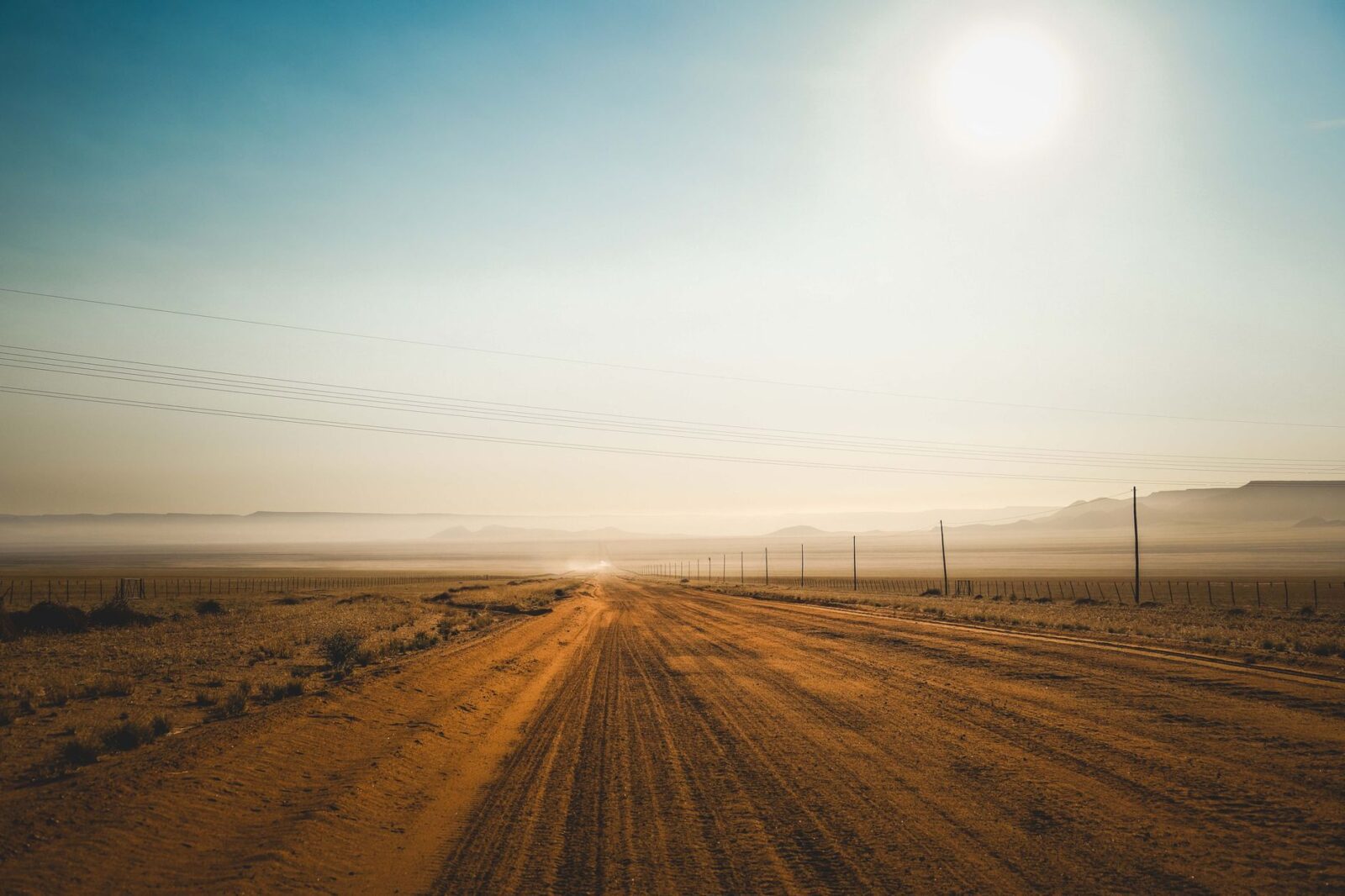
One Country Hits 134°F in the Shade — And It’s Not in the Desert
While many assume the hottest places on Earth are deep in the Sahara or the Arabian Peninsula, the record for the highest reliably measured air temperature actually belongs to a valley in California. On July 10, 1913, Furnace Creek Ranch in Death Valley recorded a scorching 134°F (56.7°C) in the shade — a mark that still stands today after nearly 112 years. This extreme reading was verified by the U.S. Weather Bureau and remains the highest temperature ever recorded on Earth under standard meteorological conditions.
What makes this fact even more astonishing is that Death Valley isn’t a country, but its location within the United States highlights how extreme heat can emerge in unexpected places. The valley’s unique geography — sitting 282 feet below sea level, surrounded by high mountain ranges that trap hot air — creates a natural oven effect. Clear skies, low humidity, and sparse vegetation allow sunlight to heat the ground intensely, which then radiates heat back into the air.
For travelers, this means that even in a wealthy, developed nation like the U.S., certain regions pose serious health risks during summer months. Heat-related illnesses such as heatstroke and dehydration are real dangers, and park services strongly advise visitors to avoid hiking after 10 a.m., carry ample water, and recognize early symptoms of heat exhaustion. Death Valley serves as a powerful reminder that extreme heat isn’t just a concern for distant, arid nations — it can strike close to home.
This West African Nation Averages Hotter Than Your Oven on Low
Mali, a landlocked country in West Africa, holds the distinction of having one of the highest average annual temperatures in the world — approximately 83.8°F (28.8°C). This isn’t just a seasonal spike; it’s the year-round mean, meaning that even during its “cooler” months, temperatures rarely drop below what many would consider oppressive heat. Much of Mali lies within the Sahara Desert and the Sahel transitional zone, where rainfall is scarce and the sun beats down relentlessly for most of the year.
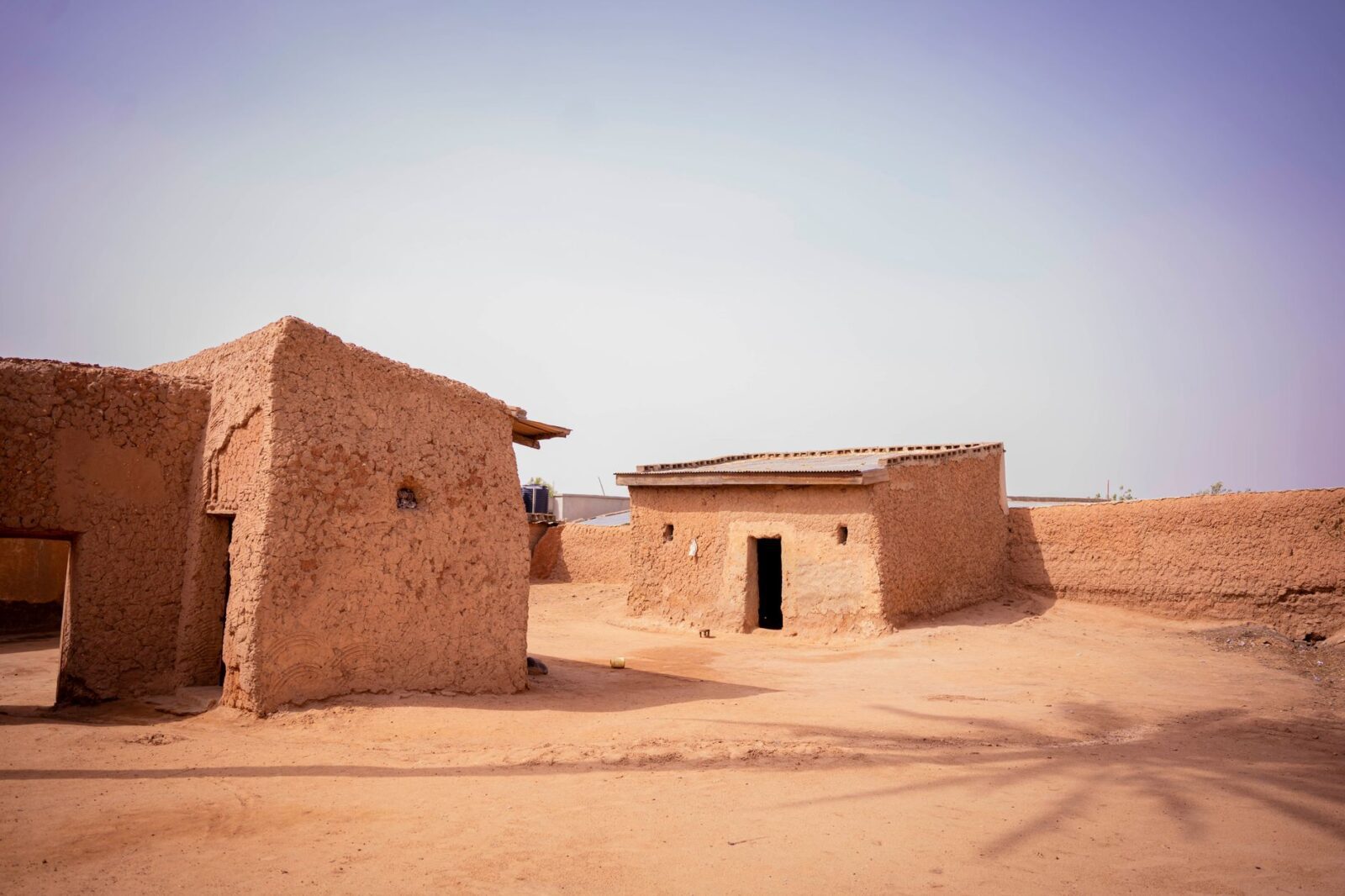
The consequences of this persistent heat extend far beyond discomfort. Agriculture, which employs over 80% of Mali’s population, is severely limited by aridity and soil degradation. Frequent droughts, exacerbated by climate change, have led to food insecurity and forced migration. In cities like Timbuktu and Gao, residents adapt by constructing homes with thick mud walls that stay cool during the day and releasing stored heat at night — a traditional technique known as banco architecture.
For travelers, visiting Mali requires serious preparation. The heat increases the risk of dehydration and sunburn, and medical facilities outside major cities are limited. The best time to visit is between November and February when temperatures are slightly more manageable, though still warm. Cultural highlights like the ancient manuscripts of Timbuktu or the vibrant markets of Bamako offer rich rewards — but only for those who respect the climate’s power.
Burkina Faso Doesn’t Just Have Hot Days — It Has Hot Nights Too
While many hot countries experience relief after sunset, Burkina Faso offers little respite. This West African nation averages around 82.9°F (28.3°C) annually, but what’s truly striking is how little the temperature drops at night. In cities like Ouagadougou, lows often remain above 75°F (24°C) even during the cooler months, meaning buildings and bodies never get a true chance to cool down.
This lack of nighttime cooling has serious implications for health and energy use. Prolonged exposure to high temperatures without recovery periods increases the risk of chronic heat stress, kidney disease, and cardiovascular strain. Moreover, the demand for cooling — whether through fans, generators, or limited air conditioning — strains an already fragile power grid. Many households rely on kerosene lamps or open fires for cooking, which adds indoor heat and air pollution, creating a dangerous feedback loop during heatwaves.
Travelers should note that the hottest period runs from March to May, just before the brief rainy season brings temporary relief. During this time, temperatures regularly exceed 110°F (43°C). If visiting, plan outdoor activities for early morning, seek shade during midday, and stay in accommodations with good ventilation or fans. The country’s rich cultural traditions — including mask festivals, traditional music, and crafts — are best experienced with patience and respect for the rhythm of life in the heat.
Senegal’s Coastline Is Hot — But Its Interior Is a Furnace
Senegal ranks among the world’s hottest countries with an average annual temperature of about 82.4°F (28°C), but the real story lies in the contrast between its coastal and inland regions. While the Atlantic breeze keeps cities like Dakar relatively moderate — averaging in the high 70s°F (around 25°C) — travel just 100 miles inland to places like Tambacounda, and the mercury regularly climbs above 110°F (43°C) during the dry season.
This stark difference is due to the Senegal River valley and the encroaching Sahel, where vegetation thins and the land absorbs more solar radiation. The harmattan wind, a dry, dusty trade wind from the Sahara, further intensifies heat and reduces visibility between November and March. These conditions make agriculture challenging and increase the burden on water resources, particularly in rural communities that depend on seasonal rainfall for farming and livestock.
For visitors, this means that where you go in Senegal dramatically affects your experience. Coastal areas offer beaches, surfing, and a vibrant music scene — think mbalax rhythms and fresh grilled fish — with more tolerable heat. Inland, the heat demands caution: carry electrolytes, avoid exertion during peak hours, and consider visiting during the rainy season (June to October) when temperatures dip slightly and the landscape greens up. The country’s famous Pink Lake (Lac Retba) and colonial-era island of Gorée are must-sees — but timing your visit wisely makes all the difference.
This Island Nation Feels Like a Sauna — And It’s Surrounded by Ocean
Tuvalu, a tiny Pacific island nation made up of nine coral atolls, might seem like an unlikely candidate for extreme heat — surrounded as it is by ocean — yet it ranks among the hottest countries on Earth with an average annual temperature of approximately 82.2°F (27.9°C). The paradox lies in its geography: low-lying islands with no elevation to catch cooling breezes, minimal shade from vegetation, and a tropical marine climate that brings high humidity year-round.
The combination of heat and humidity creates a dangerous heat index — what it feels like» to the human body. When the air is saturated with moisture, sweat evaporates less efficiently, reducing the body’s natural cooling mechanism. In Tuvalu, this often results in “feels like” temperatures exceeding 100°F (38°C), even when the thermostat reads lower. This poses serious health risks, especially for children, the elderly, and those with pre-existing conditions.
Climate change amplifies these dangers. Rising sea levels threaten to submerge much of Tuvalu within decades, while increasing sea surface temperatures contribute to more intense heat and coral bleaching, which undermines fisheries and coastal protection. For travelers, visiting Tuvalu means embracing slow travel — flights are infrequent, infrastructure is basic, and the pace of life is dictated by the tide and the sun. The reward? Pristine lagoons, vibrant coral reefs, and a Polynesian culture deeply connected to the ocean — but only if you go with humility, preparation, and deep respect for the environment’s fragility.
Djibouti’s Heat Is So Intense, It Powers a Unique Kind of Tourism
Djibouti, a small nation on the Horn of Africa, sits in one of the hottest and most tectonically active regions on the planet. With an average annual temperature of about 82°F (27.8°C), it endures relentless heat — but what sets it apart is how that heat interacts with its extraordinary landscape. Djibouti is home to Lake Assal, a crater lake that sits 509 feet below sea level, making it the lowest point in Africa and the third-lowest on Earth.
Lake Assal’s water is nearly ten times saltier than the ocean, and surface temperatures regularly exceed 95°F (35°C). The combination of extreme heat, high salinity, and intense sunlight creates surreal, otherworldly landscapes — white salt flats stretching to the horizon, steaming fumaroles, and mineral deposits that glow in shades of pink and orange. This has given rise to a niche form of tourism: extreme environment travel. Adventurers come not despite the heat, but because of it — to witness one of the most inhospitable yet visually stunning places on Earth.
Still, visiting requires caution. The heat index can make it feel like 120°F (49°C) or more, and shade is virtually nonexistent. Travelers must carry at least one gallon of water per person per day, wear protective clothing, and avoid exertion during peak hours. Local guides are essential — not just for navigation, but for understanding the cultural significance of the land to the Afar and Issa peoples. Djibouti proves that even in the most brutal climates, beauty and wonder can emerge — but only for those who approach with respect and preparation.
This Desert Nation Has Cold Nights — But Its Days Are Brutally Hot
Niger, another Sahelian country, experiences one of the most extreme temperature swings on the planet. While its average annual temperature is around 81.7°F (27.6°C), the real story is in the daily range: daytime highs frequently exceed 115°F (46°C) in the Sahara regions, while nighttime lows can plummet to near freezing — especially in the higher elevations of the Aïr Mountains.
This dramatic diurnal shift is due to the desert’s lack of moisture and cloud cover. During the day, the sand and rock absorb solar radiation with nothing to block or diffuse it. At night, that same lack of insulation means heat radiates rapidly back into space. The result? A landscape that feels like two different worlds in a single day. Nomadic Tuareg and Fulani communities have adapted for centuries, timing travel and herding to the cooler hours and using tents made of breathable goat hair that insulate against both heat and cold.
For travelers, this means packing for extremes: lightweight, sun-protective clothing for the day and warm layers for nights under the stars. The best time to visit is between November and February, when daytime heat is somewhat tempered and the risk of sandstorms is lower. Highlights include the ancient caravan city of Agadez, the stunning rock art of Djado Plateau, and the chance to witness a traditional Gerewol festival — where Wodaabe men adorn themselves in elaborate makeup and costumes to dance for hours under the open sky. Niger’s heat is formidable, but so is its cultural resilience.
Mauritania’s Heat Is So Relentless, It’s Redefining Where People Can Live
Mauritania, which stretches from the Atlantic coast deep into the Sahara, has an average annual temperature of about 81.5°F (27.5°C), but its inland regions tell a harsher story. In cities like Nouakchott, coastal breezes offer some relief, but journey eastward toward the Sahara — places like Atar or Zouerate — and the air becomes thick, dry, and oppressive. Summer highs regularly top 115°F (46°C), and the harmattan wind carries fine desert dust that can linger in the atmosphere for days.
This relentless heat is reshaping human settlement. Nomadic herders, who once moved freely with seasonal rains, now face longer droughts and degraded pasturelands. Many are settling permanently on the outskirts of cities, straining urban resources and contributing to the growth of informal settlements. In Nouakchott, which sits below sea level and is vulnerable to flooding, the combination of heat, poor drainage, and rapid urban growth creates serious public health challenges.
Yet Mauritania also offers unexpected beauty. The Banc d’Arguin National Park, a UNESCO World Heritage Site, is a vital breeding ground for migratory birds and marine life — flourishing precisely because it lies where the cool Canary Current meets the hot desert shore. For travelers, the coastal zone offers the most accessible experience: fresh seafood, desert-meets-ocean landscapes, and the chance to see traditional Imraguen fishermen working with dolphins to catch fish. Visiting requires timing (November to February is ideal), respect for local customs, and an understanding that here, heat isn’t just weather — it’s a shaping force of life.
Benin’s Heat Is Quietly Intense — But Its Culture Burns Bright
Benin, a narrow West African nation stretching from the Niger River to the Atlantic Ocean, averages about 81.3°F (27.4°C) annually — a figure that doesn’t scream “extreme” until you feel it on the ground. Unlike its Sahelian neighbors, Benin has a tropical climate with distinct wet and dry seasons, but even during the rainy months, humidity keeps the heat index high. In cities like Cotonou and Porto-Novo, the combination of heat, humidity, and urban density creates a palpable sense of heaviness in the air.
What’s remarkable is how Beninese culture has not only endured but thrived in these conditions. The country is the birthplace of Vodun (often spelled Voodoo), a religion deeply intertwined with nature, ancestors, and the rhythms of the earth. Ceremonies often take place outdoors, under the open sky, with participants dancing for hours in vibrant clothing — a testament to both spiritual endurance and physical adaptation. Markets buzz with activity from dawn, when temperatures are lowest, and slow during the afternoon lull, only to revive as the sun sets.
For travelers, this means syncing with the local rhythm: rise early, rest during peak heat, and embrace the evening cool. The best time to visit is November to February, when the harmattan brings drier air and slightly lower temperatures. Don’t miss the Ganvié stilt village — often called the “Venice of Africa” — where homes are built on stilts over Lake Nokoué, or the historic Kingdom of Dahomey palaces in Abomey. Benin’s heat may be quiet, but its cultural fire is impossible to ignore.
Gambia’s Small Size Doesn’t Spare It from Serious Heat
The Gambia, Africa’s smallest mainland country, might be easy to overlook on a map — a slender sliver of land hugging the Gambia River — but it packs a climatic punch. With an average annual temperature of about 81°F (27.2°C), it shares the same heat belt as its West African neighbors. What makes it notable is how its geography intensifies the experience: the narrow width means there’s little escape from the sun, and the river corridor can trap humidity, making the heat feel even more oppressive.
During the dry season (November to May), temperatures regularly climb above 100°F (38°C), and the harmattan wind brings dust and dryness that can irritate eyes and throats. Yet the country’s greatest asset — the Gambia River — also offers relief. Boat tours through mangrove forests provide shade and breeze, and riverside lodges often catch crosswinds that make evenings pleasant. The river also supports rice farming, fishing, and a rich biodiversity that includes over 500 bird species.
For visitors, the key is timing and strategy. The peak tourist season coincides with the cooler, drier months — ideal for birdwatching, fishing, and visiting cultural sites like Kunta Kinteh Island (formerly James Island), a UNESCO-listed site tied to the transatlantic slave trade. Travelers should stay hydrated, use sunscreen liberally, and plan indoor or shaded activities during midday. Despite its size, The Gambia offers a deeply authentic West African experience — one where the heat is ever-present, but so is the warmth of its people.
Stay informed with the latest travel news, visa updates, and destination guides. Follow HimalayanCrest.com for weekly travel intelligence delivered by our editorial team.