

Unexpected Tourism Surge: Illinois and Idaho Lead the Charge
For years, the biggest tourism magnets in the United States have been Florida’s beaches, California’s theme parks, and Nevada’s casinos. In 2025‑26, however, two Midwestern states shattered that pattern and emerged as unexpected powerhouses. Illinois and Idaho together attracted tens of millions of visitors, turning the heartland into a new tourism gold rush.
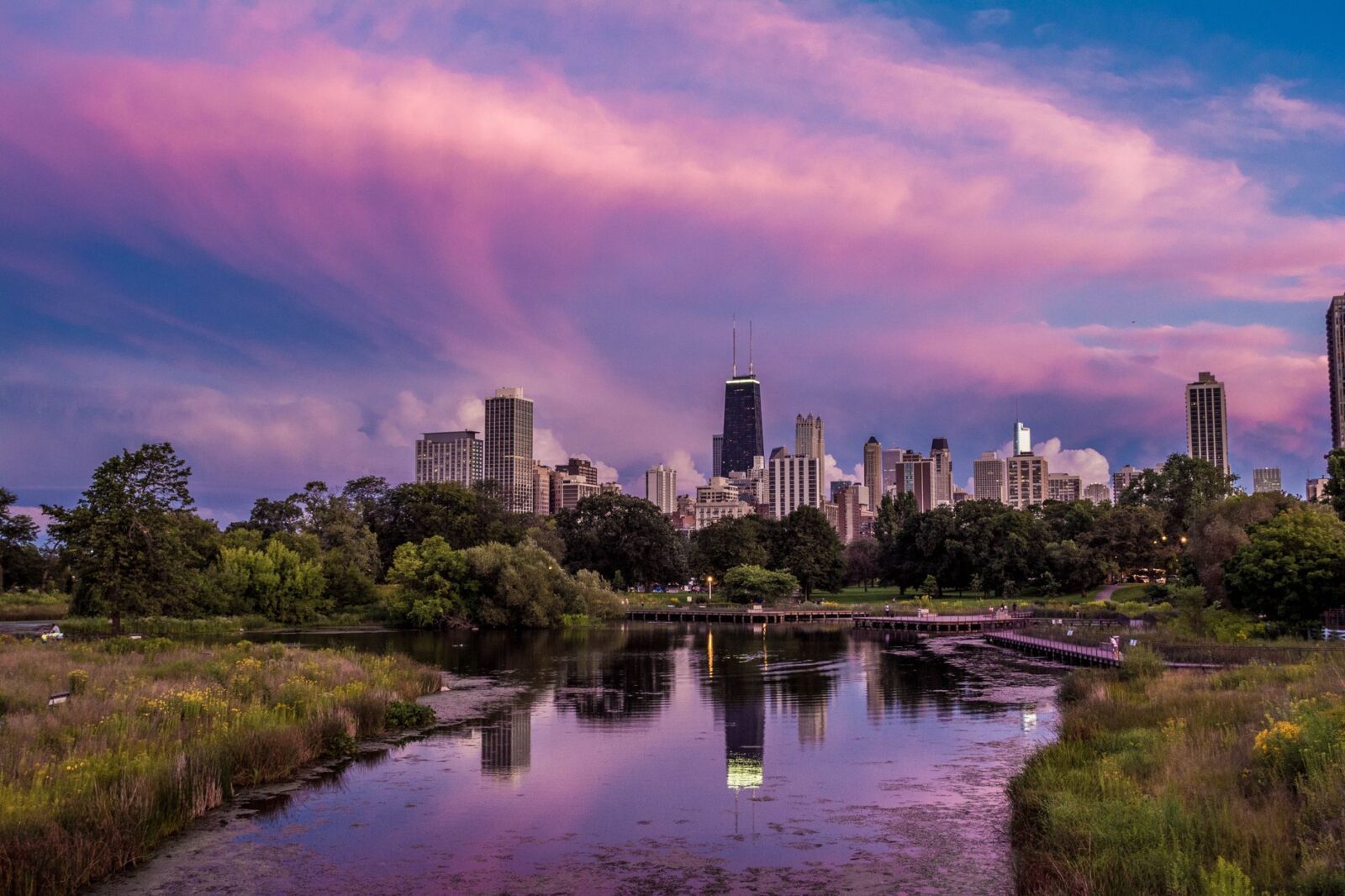
Our research shows that Illinois recorded 115 million visitor trips in 2025, generating $50.2 billion in direct spending. These figures place the state at the top of domestic visitor volume, driven largely by Chicago’s global connectivity and its dense calendar of conventions, sports events, and cultural festivals.
Meanwhile, Idaho carved out a niche as the nation’s leading adventure destination. State tourism officials reported a double‑digit increase in visitors to its mountain ranges, national forests, and scenic byways, with travelers drawn by hiking, wildlife viewing, and river sports. This surge helped Idaho outpace many traditional outdoor rivals in the West.
The broader U.S. travel market reflected this shift. Nationwide tourism jumped in 2026, fueled by iconic routes such as Route 66, theme‑park visits, and historic sites like Alcatraz. The Midwest’s rise illustrates how travelers are re‑prioritizing authentic experiences over‑crowded coastal hotspots.
By the Numbers: Visitor Volume and Spending in 2025‑26
Illinois led the pack with 115 million visitor trips in 2025, a figure that outstrips many Sun‑Belt states. The associated spending of $50.2 billion translates to an average expenditure of roughly $436 per visitor, reflecting a mix of business travelers, convention attendees, and leisure tourists.
Indiana, while not the focus of the headline, also showed strong performance. The state logged 83 million visitor trips in 2024, generating $16.9 billion in spending. Its strengths lie in sports tourism, Indianapolis‑based conventions, and heritage destinations that attract regional road‑trippers.
Idaho’s exact visitor count for 2025‑26 was not disclosed in the source material, but officials highlighted that adventure‑tourism segments grew faster than the state average. Outdoor recreation expenditures rose sharply, with guide services, equipment rentals, and lodge bookings reporting notable year‑over‑year increases.
Together, these four states—Illinois, Indiana, Iowa, and Idaho—demonstrate how diverse travel motivations can coexist within a single region. Their combined appeal is reshaping domestic tourism patterns and prompting industry analysts to revisit traditional market forecasts.
What Drives Illinois’ Appeal: Culture, Connectivity, and Convention Power
Chicago’s world‑class museums, such as the Art Institute and the Field Museum, continue to draw international crowds. The city’s architectural river tours, deep‑dish pizza neighborhoods, and vibrant music scene offer a cultural buffet that appeals to travelers from Europe, Asia, and Latin America.
International connectivity remains a critical advantage. O’Hare International Airport ranks among the busiest gateways to the United States, offering direct flights to over 200 destinations. This accessibility makes Illinois a convenient entry point for overseas visitors planning multi‑city itineraries across the Midwest and beyond.
The convention sector further amplifies visitor numbers. McCormick Place, the largest convention center in North America, hosts dozens of major trade shows each year, ranging from technology expos to agricultural gatherings. These events generate spikes in hotel occupancy, restaurant sales, and local transportation demand.
Seasonal festivals add another layer of attraction. Summer events like Lollapalooza, the Chicago Air and Water Show, and numerous street fairs bring millions of additional visitors, filling hotels and boosting short‑term rental markets throughout the city and its suburbs.
Idaho’s Adventure Edge: Mountains, Wildlife, and Outdoor Recreation
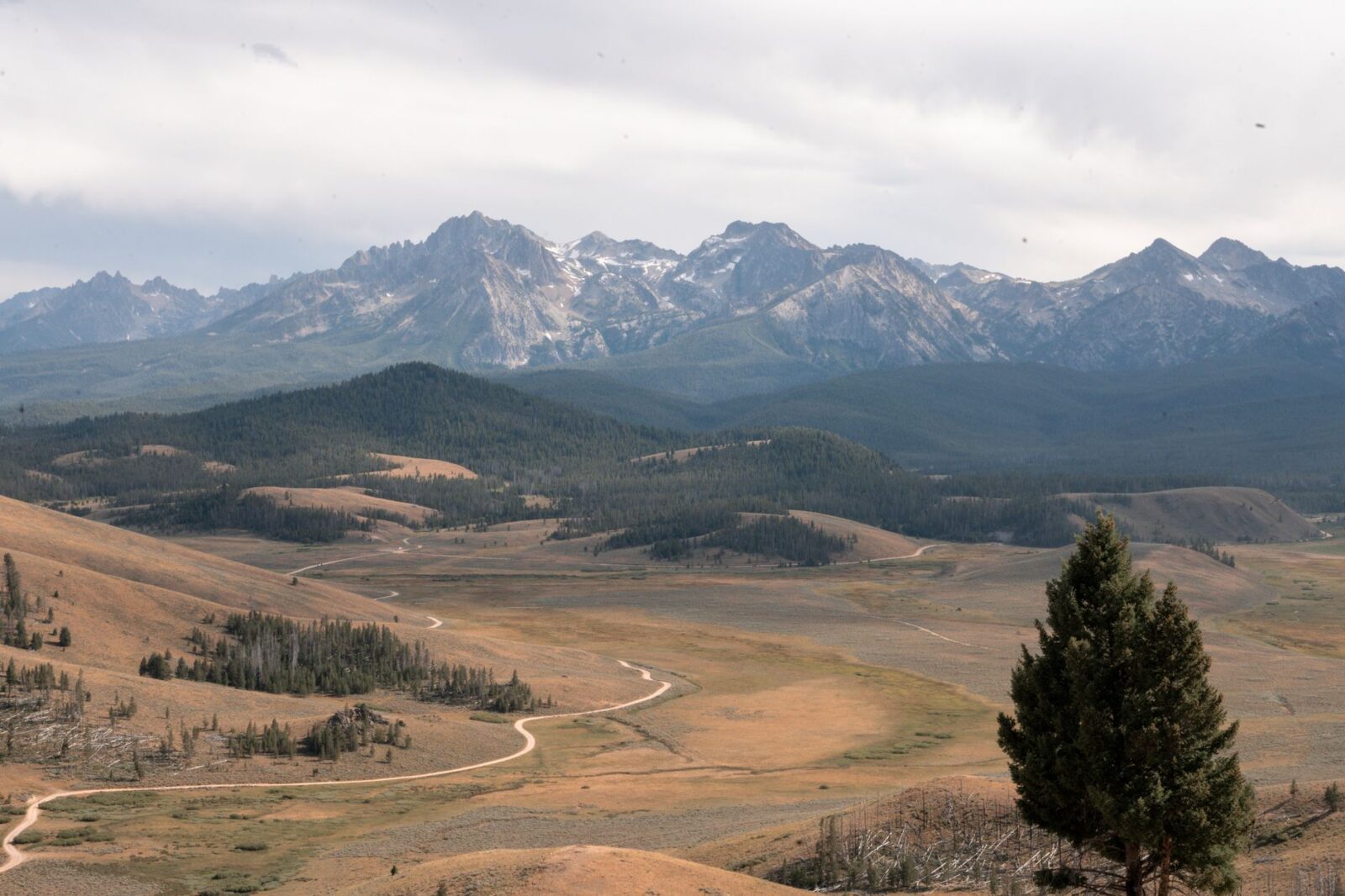
Idaho’s tourism identity rests on its rugged terrain. The Sawtooth Range, the Bitterroot Mountains, and the expansive Sawtooth National Recreation Area provide endless opportunities for hiking, mountain biking, and backcountry skiing. These landscapes attract both seasoned outdoorspeople and families seeking introductory adventure experiences.
Wildlife viewing is another major draw. The state’s vast wilderness areas support healthy populations of elk, moose, black bears, and numerous bird species. Guided wildlife tours in places like Yellowstone’s periphery and the Selway‑Bitterroot ecosystem report high satisfaction scores from participants.
Water‑based recreation also contributes significantly. The Salmon River, known as the “River of No Return,” offers world‑class white‑water rafting and kayaking. Meanwhile, pristine lakes such as Payette and Pend Oreille attract anglers, boaters, and lakeside campers throughout the summer months.
Infrastructure investments have supported this growth. Recent upgrades to trailheads, visitor centers, and signage in state parks have improved accessibility and safety, encouraging longer stays and repeat visits. Local businesses have responded by expanding guide services, gear rentals, and eco‑lodging options.
The Ripple Effect: How Indiana and Iowa Complement the Midwest Boom
Indiana’s tourism strategy leans heavily on sports and events. The Indianapolis Motor Speedway, home of the Indy 500, draws hundreds of thousands of racing fans each May. Additionally, the city’s convention calendar includes major gatherings for industries such as pharmaceuticals, manufacturing, and logistics.
Heritage tourism also plays a role in Indiana’s appeal. Historic sites like the Indiana Dunes National Park, the historic town of New Harmony, and numerous covered bridges attract travelers interested in American frontier history and early industrial development.
Iowa, meanwhile, positions itself as the quintessential road‑trip destination. The state’s scenic byways, including the Loess Hills Scenic Byway and the Mississippi River Road, offer picturesque drives through rolling farmland, small towns, and historic landmarks.
Agritourism and festivals further enrich Iowa’s offering. Visitors can explore working farms, participate in harvest celebrations, and sample local specialties such as sweet corn and pork tenderloin. Events like the Iowa State Fair and numerous county fairs provide authentic Midwestern experiences that resonate with domestic travelers seeking nostalgia and community connection.

Global Travel Trends Behind the Shift: From Route 66 to Experiential Travel
The rise of Illinois and Idaho aligns with a broader global movement toward experiential travel. Modern tourists increasingly prioritize activities that allow them to learn, engage, and connect with local cultures rather than passive sightseeing alone. This shift benefits states that can offer deep cultural programming, outdoor adventure, and authentic community interactions.
Route 66’s resurgence exemplifies this trend. The historic highway, stretching from Chicago to Santa Monica, has become a magnet for road‑trippers seeking nostalgia, quirky roadside attractions, and small‑town charm. Travelers often combine a Route 66 journey with stops in Illinois’ urban centers and Iowa’s pastoral landscapes.
International visitors are also adjusting their itineraries. Data from entry ports show growing numbers of travelers from the United Kingdom, Germany, and Mexico choosing to spend time in Chicago before venturing westward to explore national parks and scenic byways. This pattern reflects a desire to blend urban sophistication with natural grandeur.
Sustainability considerations are influencing choices as well. Many travelers now favor destinations that emphasize responsible tourism practices, such as Leave No Trace principles in Idaho’s wilderness areas or Chicago’s green‑initiative programs for events and transportation. These factors enhance the appeal of the Midwest among environmentally conscious tourists.
Practical Tips for Travelers: Timing, Budgets, and Must‑See Experiences
For those planning a trip to Illinois, the best window runs from late May through early October. During this period, outdoor festivals, lakefront activities, and pleasant temperatures create ideal conditions for exploring Chicago’s neighborhoods and taking day trips to nearby attractions such as Starved Rock State Park.
Budget‑conscious visitors should consider staying in neighborhoods just outside the Loop, where hotel rates can be 20‑30 % lower than downtown while still offering quick transit access. Purchasing a CTA Ventra pass provides unlimited bus and train rides for a set number of days, simplifying urban mobility.
In Idaho, summer months from June to September deliver the most reliable weather for hiking, rafting, and camping. Early June often features fewer crowds at popular trailheads, while late September brings golden aspens and cooler temperatures perfect for photography.
Adventure travelers should budget approximately $150‑$200 per day for mid‑range lodge accommodations, guide services, and meals. Those opting for backcountry camping can reduce daily costs to under $80 by purchasing a state park pass and bringing their own gear.
Both states benefit from travel‑insurance policies that cover trip cancellations, medical emergencies, and gear loss—particularly important for adventure activities. Reviewing policy details before departure ensures peace of mind while on the trail or exploring city attractions.
Looking Ahead: Forecasts, Infrastructure, and What Comes Next
State tourism offices project continued growth through 2028. Illinois anticipates a steady 3‑4 % annual increase in visitor volume, driven by upcoming expansions at McCormick Place and new direct flight routes from Asia and the Middle East. Idaho expects a similar upward trend, with planned investments in trail maintenance, visitor‑center upgrades, and marketing campaigns targeting adventure seekers from Europe and Australia.
Infrastructure developments are already underway. In Chicago, the ongoing redevelopment of the South Loop aims to create additional hotel space and mixed‑use venues that will accommodate larger conventions and entertainment events. In Idaho, federal grants are supporting the expansion of broadband access in rural gateway towns, improving the ability of small businesses to serve online‑booking customers.
Environmental stewardship remains a priority. Both states are implementing measures to balance tourism growth with conservation. Illinois is promoting green‑hotel certifications and encouraging public‑transit use for event attendees, while Idaho is expanding wildlife‑corridor protections and educating visitors on sustainable outdoor practices.
As these trends unfold, the Midwest is poised to shed its reputation as a mere “fly‑over” region and become a deliberate destination for travelers seeking a blend of culture, adventure, and authentic Americana. The tourism gold rush of 2025‑26 may well prove to be the opening chapter of a longer‑term transformation.
Frequently Asked Questions
What makes Illinois and Idaho stand out compared to traditional U.S. travel hotspots?
Illinois stands out because of Chicago’s unmatched combination of world‑class museums, architectural tours, international flight hubs, and a dense calendar of conventions and festivals. Idaho distinguishes itself through its vast wilderness, world‑class hiking and rafting opportunities, and a focus on adventure tourism that draws travelers seeking active, nature‑based experiences.
How much should I budget for a week‑long trip to each state?
For Illinois, a moderate budget traveler can expect to spend about $1,200‑$1,500 for seven days, covering mid‑range hotel accommodation, meals, local transit, and entry to major attractions. In Idaho, a similar week of adventure‑focused travel—including lodge stays, guide services, equipment rental, and meals—typically ranges from $1,400‑$1,800, depending on the level of guided activities chosen.
Are there any travel restrictions or entry requirements I should know about for visiting these states?
As of September 2026, there are no state‑specific entry restrictions for domestic travelers. International visitors must comply with standard U.S. visa requirements and present a valid passport; citizens from Visa Waiver Program countries can stay up to 90 days without a visa. Health‑related entry rules, such as proof of vaccination or testing, are not currently in effect for either state.
What are the top three experiences I should not miss in each state?
In Illinois: (1) Explore the Art Institute of Chicago and Millennium Park, (2) Take an architectural boat tour on the Chicago River, and (3) Enjoy a deep‑dish pizza in a historic neighborhood while catching a live blues show. In Idaho: (1) Hike to the summit of Mount Borah or explore the Sawtooth Wilderness, (2) Go white‑water rafting on the Salmon River, and (3) Visit the Craters of the Moon National Monument for its surreal lava fields.
How does the Midwest tourism boom affect pricing and availability for accommodations?
The surge in visitors has led to higher demand for hotels, especially during peak festival months and major convention weeks. Travelers who book at least two to three months in advance typically secure better rates and room selection. In Idaho’s popular mountain towns, availability can become limited during summer weekends, so early reservations are strongly advised for lodges and campgrounds.
Stay informed with the latest travel news, visa updates, and destination guides. Follow HimalayanCrest.com for weekly travel intelligence delivered by our editorial team.