

Snake Blood Cocktails Served Fresh in Vietnamese Villages
In remote villages of northern Vietnam, adventurous travelers can order a drink that sounds like it belongs in a horror movie: freshly drained snake blood mixed with rice whiskey. This potent concoction is not a tourist gimmick but a traditional remedy believed to boost virility and strength, particularly among men seeking vitality. The practice dates back centuries to when rural communities relied on forest resources for both sustenance and medicine.
The preparation is as intense as the drink itself. A live cobra or python is selected, its throat slit at the table, and the warm blood is immediately collected into a shot glass before being topped with rice wine. Locals insist the blood must be consumed while still warm to retain its purported health benefits. While health authorities warn of parasite risks, the tradition persists in places like Le Mat Snake Village near Hanoi, where families have raised snakes for generations.
For travelers, this experience offers more than shock value — it’s a window into Vietnam’s deep-rooted folk medicine traditions. Though not for the faint-hearted, those who try it often describe the taste as surprisingly mild, with a metallic tang followed by the familiar kick of rice whiskey. Many vendors also offer the snake’s heart, still beating, as an extra-challenging accompaniment.
Bird’s Nest Soup Made from Actual Swiftlet Saliva
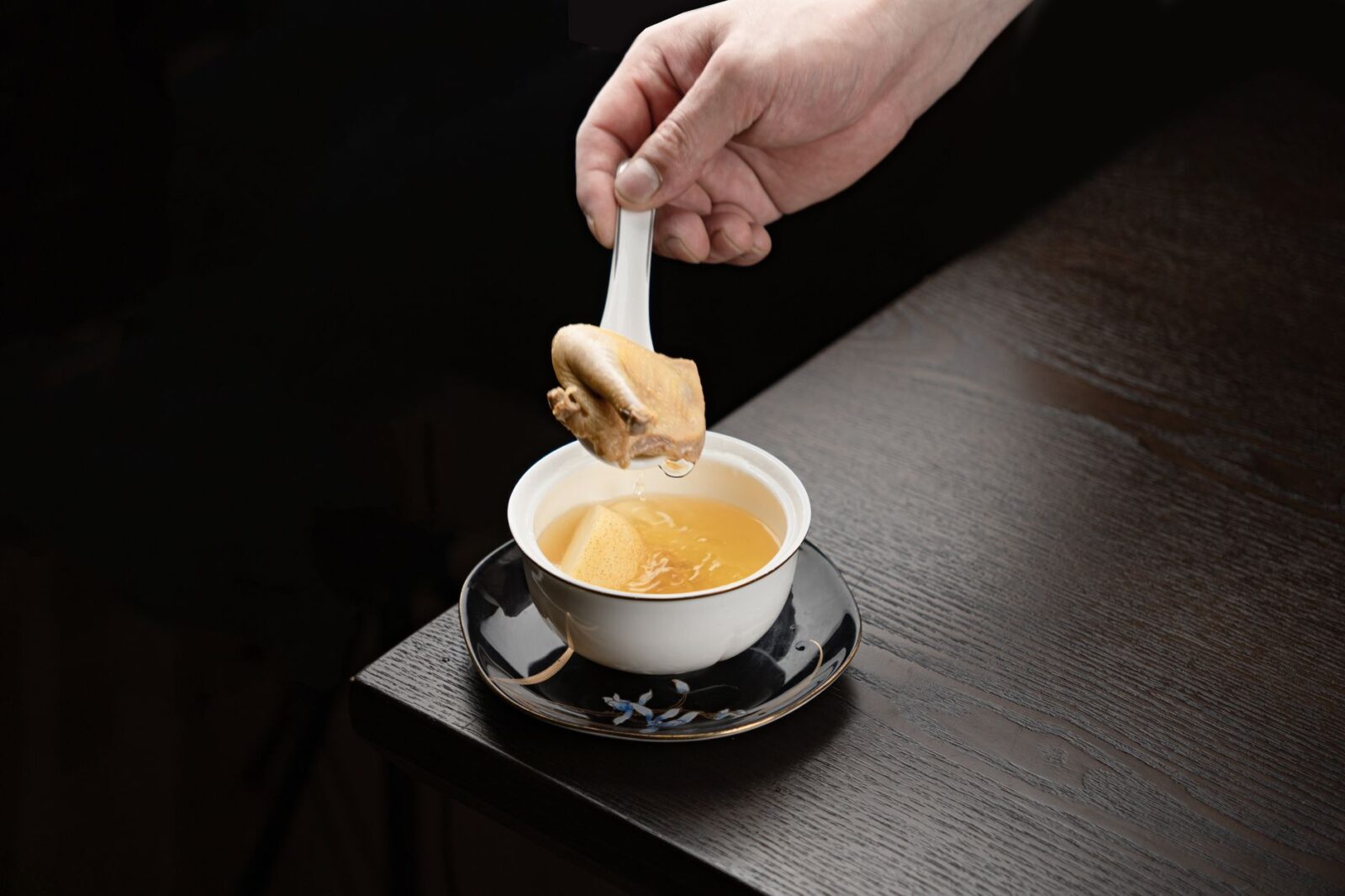
One of the world’s most expensive foods, bird’s nest soup, originates from the limestone caves of Southeast Asia, particularly Thailand, Indonesia, and Malaysia. The ‘nest’ is not made of twigs or feathers but of solidified saliva from swiftlets, small birds that build their nests on cave walls using only their mucous secretions. Harvesters risk their lives scaling bamboo ladders hundreds of feet high to collect these nests, which can sell for up to $3,000 per pound.
The tradition of consuming bird’s nest soup dates back over 400 years to Chinese dynasties, where it was reserved for emperors and nobility due to its perceived medicinal properties. Today, it remains a symbol of luxury and is often served at weddings and celebrations across Southeast Asia. Proponents claim it aids digestion, boosts immunity, and improves skin complexion — though scientific evidence remains limited.
Modern farming has reduced the danger, with purpose-built ‘swiftlet houses’ now common in urban areas like Johor Bahru and Medan. These structures mimic cave environments, allowing farmers to harvest nests without endangering climbers. A single bowl of bird’s nest soup in a high-end restaurant can cost between $30 and $100, making it one of the most luxurious culinary experiences in the region.
Durian: The King of Fruits That Smells Like Rotten Onions
Few foods divide opinion as dramatically as durian, the spiky fruit revered across Southeast Asia as the ‘king of fruits’ but banned in many hotels, airports, and public transport systems due to its overpowering odor. Described variously as smelling like rotten onions, turpentine, or raw sewage, durian’s aroma is so potent that it can linger for hours after consumption. Yet millions of Southeast Asians eagerly await durian season each year.
The fruit’s complex scent comes from a rare combination of volatile sulfur compounds — the same chemicals found in garlic and limburger cheese — but in far higher concentrations. Despite its smell, durian’s custard-like flesh is sweet, creamy, and rich in nutrients like vitamin C, potassium, and healthy fats. In Malaysia and Thailand, durian festivals draw thousands, with varieties like Musang King commanding premium prices.
For travelers, trying durian is a rite of passage. Many describe the first bite as shocking due to the contrast between odor and taste, but often grow to appreciate its unique flavor. Experts recommend trying it chilled and sharing it with others — the experience is as much social as culinary. In Singapore, durian lovers gather at specific ‘durian drop’ points during season, turning fruit consumption into a community event.
Balut: Fertilized Duck Egg Eaten Straight from the Shell
Balut, a fertilized duck egg incubated for 14 to 21 days before boiling and eating, is a common street food in the Philippines, Vietnam, and Cambodia. What makes it startling to outsiders is that the egg contains a partially developed embryo — complete with visible bones, feathers, and sometimes a beak. Eaten warm with salt, vinegar, or chili, balut is considered a high-protein snack and an aphrodisiac in local tradition.
The practice likely originated from Chinese traders centuries ago and evolved into a vital source of nutrition in rural communities where refrigeration was scarce. By incubating eggs, farmers could extend their shelf life while creating a nutrient-dense food rich in protein, calcium, and iron. Today, balut vendors are ubiquitous in Philippine cities like Manila and Cebu, often calling out at night to attract customers.
Nutritionally, one balut egg provides about 188 calories and 14 grams of protein — comparable to a protein bar. While the sight can be challenging, many first-time eaters report the taste is mild and savory, similar to a hard-boiled egg with a richer texture. Travel experts suggest trying it with a squeeze of lime and a pinch of salt, closing your eyes on the first bite to focus on flavor rather than appearance.
Fried Tarantulas Sold as Street Snacks in Cambodia
In the Cambodian town of Skuon, nicknamed ‘Spiderville,’ vendors deep-fry whole tarantulas until crispy and serve them as crunchy street snacks. This practice began during the Khmer Rouge era in the 1970s when famine forced people to seek alternative protein sources. What started as survival food has since become a regional specialty and a curiosity for adventurous travelers.
The spiders used are typically zebra tarantulas, hunted at dawn from forest burrows. After removing the fangs (which contain venom), they are rolled in sugar, salt, and sometimes garlic before being fried in oil. The result is a snack described as tasting like a cross between chicken and cod, with crispy legs and a soft, pasty abdomen. Vendors sell them for as little as $0.25 each, making them an affordable protein source.
Today, fried tarantulas represent more than sustenance — they’re a symbol of Cambodian resilience. Tourists flock to Skuon not just to eat them but to learn about the country’s difficult history and how communities adapted. Some vendors now offer cooking classes, teaching visitors how to prepare the spiders properly. While not everyone’s idea of a snack, many travelers admit the legs are surprisingly tasty — it’s the body that poses the biggest psychological hurdle.
Wasps and Hornets Larvae Considered a Delicacy in Laos
In the mountainous regions of Laos, particularly around Luang Prabang and the Plain of Jars, wasp and hornet larvae are harvested from nests and prepared as a prized protein source. Far from being a desperation food, these insect larvae are considered a seasonal delicacy, often stir-fried with herbs, chili, and lime leaves. The practice reflects a deep understanding of forest ecosystems and sustainable foraging.
Harvesting typically occurs at night when the insects are less active. Skilled foragers use smoke to calm the colony before carefully extracting the comb containing the larvae. The insects themselves are not wasted — adult wasps may be eaten too, though the larvae are preferred for their soft texture and mild, nutty flavor. Nutritionally, insect larvae are exceptionally rich, providing high-quality protein, healthy fats, and essential minerals like zinc and iron.
This tradition highlights Southeast Asia’s long history of entomophagy — the practice of eating insects — which remains far more common here than in Western countries. In Laos, insect-based dishes appear in local markets year-round, with different species available depending on the season. Travelers who try them often describe the taste as surprisingly pleasant, especially when well-seasoned, and appreciate learning about the ecological benefits of insect protein.
Pig’s Blood Cake: A Taiwanese Street Food Staple
Though often associated with Taiwan, pig’s blood cake is widely consumed across Southeast Asia, particularly in Vietnam, Thailand, and Malaysia, where it’s known by names like tiết canh or khao lieng. Made by steaming fresh pig’s blood with sticky rice until it solidifies into a gelatinous block, it’s then sliced and grilled or fried. The result is a savory, iron-rich snack with a texture similar to firm tofu.
The dish originated as a way to utilize every part of the animal in agrarian societies where waste was unacceptable. Pig’s blood is exceptionally high in iron and protein, making this food particularly valuable for preventing anemia in communities with limited access to red meat. In Vietnam, tiết canh is sometimes served raw with herbs and peanuts — though health officials warn of bacterial risks, leading many vendors to now serve it cooked.
In Thailand, grilled blood cake is a common street food item, often served with a spicy dipping sauce. Travelers who try it frequently report that the taste is mild and slightly metallic, more about texture than flavor. Despite initial hesitation, many find it grows on them, especially when understood as a traditional nutrient-dense food rather than a novelty. It’s a powerful example of how Southeast Asian cuisines transform humble ingredients into nourishing meals.
Live Shrimp Dipped in Chili Sauce in Thailand
In northeastern Thailand, particularly in the Isaan region, a daring delicacy involves eating live freshwater shrimp dipped in a fiery chili-lime sauce. Known locally as goong ten or ‘dancing shrimp,’ the experience is as much about sensation as taste — the shrimp twitch and move as you chew, creating a unique tactile experience that locals find exhilarating.
The practice stems from Isaan’s Lao-influenced cuisine, which emphasizes bold, fermented, and spicy flavors. Freshness is paramount — the shrimp must be alive to ensure quality and safety. Diners pick them up with chopsticks, dip them quickly in the sauce, and consume them immediately. The chili, lime juice, fish sauce, and crushed chilies not only add flavor but also help neutralize any potential pathogens.
While the idea of eating live animals unsettles some, proponents argue it’s no different from eating raw oysters or sashimi — just more immediate. Nutritionally, freshwater shrimp are low in fat and high in protein and selenium. For travelers, trying goong ten offers insight into Isaan’s vibrant food culture, where meals are often communal, spicy, and deeply connected to the Mekong River ecosystem. Many describe the initial shock giving way to appreciation for the clean, briny taste of the shrimp beneath the heat.
Fermented Fish Sauce That Ages for Years in Underground Jars
Fish sauce, the umami backbone of Southeast Asian cuisine, reaches its most extreme form in Vietnam’s Phú Quốc island, where some producers age it for up to three years in clay jars buried underground. This long fermentation process creates a sauce of extraordinary depth and complexity — far beyond the standard six-month varieties found in supermarkets. The result is a liquid so rich it’s often used drop by drop, like fine balsamic vinegar.
The traditional method involves layering anchovies and sea salt in large jars, then weighing them down with bamboo mats and heavy stones. Over time, enzymes break down the fish into amino acids, producing the signature savory flavor. Underground aging stabilizes temperature and protects the jars from sunlight, allowing for slower, more complex fermentation. Master producers on Phú Quốc guard their techniques closely, with some families producing fish sauce for generations.
A single liter of three-year-aged fish sauce can cost over $50, reflecting the time, labor, and expertise involved. Chefs across Southeast Asia prize it for its ability to elevate dishes with minimal quantity — a few drops can transform a bland soup or stir-fry. For food lovers, visiting a fish sauce village on Phú Quốc offers a rare chance to witness this ancient craft, where the air itself smells of the ocean and time.
Jackfruit Seeds Roasted Like Chestnuts in Indonesia
While the sweet, fragrant flesh of jackfruit is widely known, fewer travelers realize that its large, starchy seeds are also edible and highly valued in countries like Indonesia and Malaysia. After boiling or roasting, the seeds take on a nutty, chestnut-like flavor and are often eaten as a snack or added to curries and stews. In Java, they’re a common ingredient in sayur lodeh, a vegetable coconut curry.
This practice reflects the zero-waste philosophy traditional to many Southeast Asian cultures. A single jackfruit can contain over 100 seeds, each rich in protein, complex carbohydrates, and B vitamins. Rather than discarding them, communities have developed ways to make them palatable — boiling removes bitter compounds, while roasting enhances their natural sweetness. In rural Indonesia, jackfruit seeds are a staple snack during harvest season.
For travelers, trying roasted jackfruit seeds offers a taste of authentic, home-style cooking that rarely appears in tourist restaurants. Vendors in Yogyakarta and Surabaya often sell them warm from street carts, sprinkled with salt or chili powder. They’re also gaining attention globally as a sustainable food source — jackfruit trees require little maintenance and produce abundantly, making their seeds a promising solution for food security in tropical regions.
Mangrove Worms Eaten Raw in Palau and Parts of Indonesia
In the mangrove forests of Palau and certain parts of eastern Indonesia, travelers might encounter a dish that looks like it came from a science fiction film: live, wriggling mangrove worms eaten raw with a squeeze of lime. Known locally as tamilok in the Philippines (where it’s also consumed) and by various names in Indonesia, these wood-boring mollusks are harvested from rotting mangrove logs and considered a delicacy despite their unsettling appearance.
Far from being a dare, tamilok has been consumed for generations by coastal and indigenous communities who value it for its purported aphrodisiac properties and rich nutrient profile. The worms feed on decaying wood in mangrove ecosystems, converting it into lean protein. When eaten raw, they have a slippery texture and a mild, briny taste — often described as similar to oysters but more subtle. Nutritionally, they’re low in fat and high in zinc and iron.
Harvesting requires knowledge of mangrove tides and tree conditions — foragers cut sections of rotting log and split them open to reveal the worms inside. While the idea of eating raw worms challenges many palates, those who try it often report the experience is less about taste and more about connection to place. In Palau, tamilok is sometimes served during cultural festivals, reinforcing its role not just as food but as a living tradition tied to the health of mangrove ecosystems.
Stay informed with the latest travel news, visa updates, and destination guides. Follow HimalayanCrest.com for weekly travel intelligence delivered by our editorial team.