

Bangkok’s Floodwaters Grounded More Than Just Streets
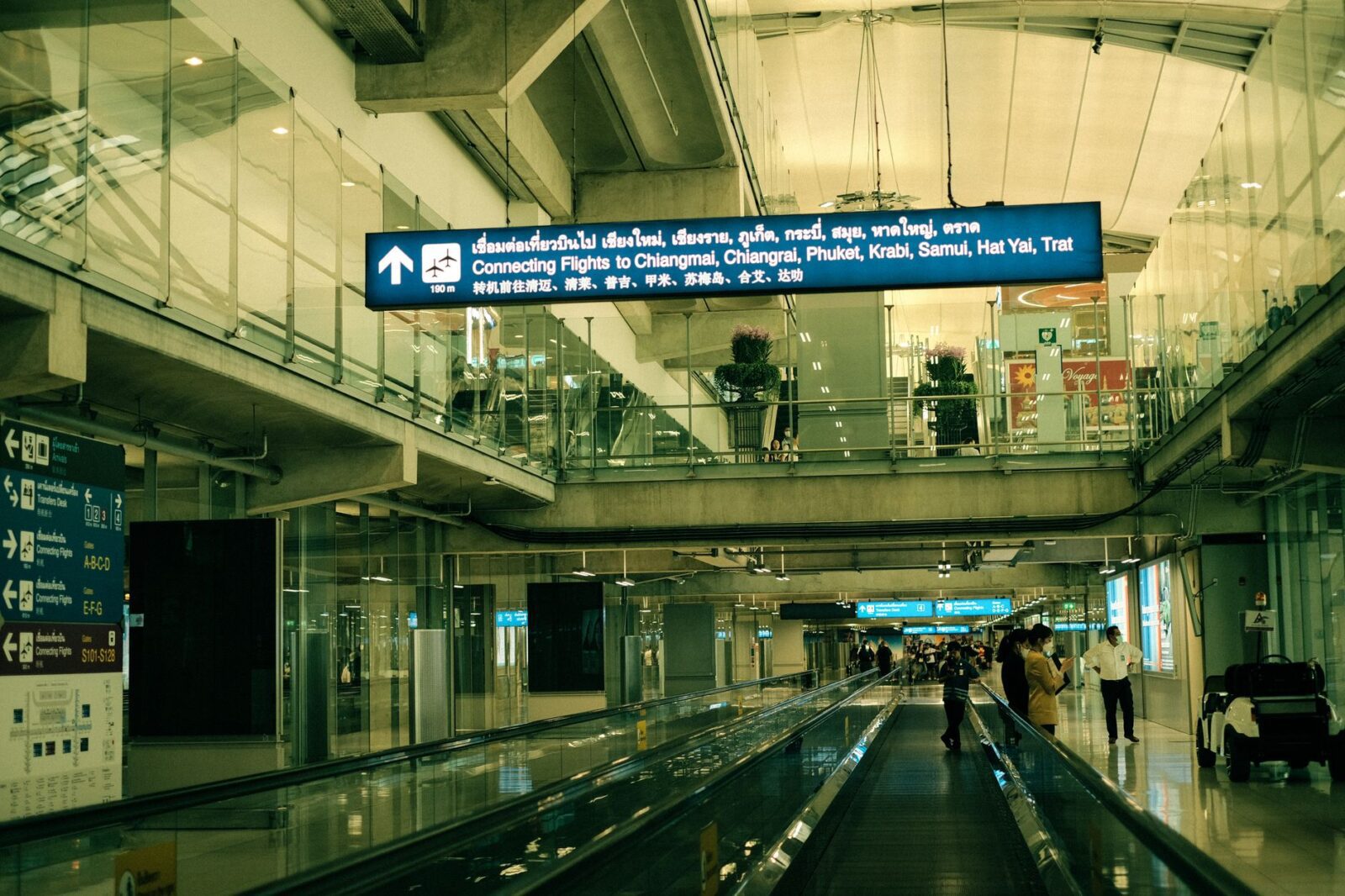
When heavy rains swept across Bangkok in late September 2026, the city’s usual rhythm was shattered by rising water that swallowed roads, paralyzed public transport, and seeped into the underground corridors of Suvarnabhumi Airport. The floodwaters did not merely inconvenience commuters; they struck at the heart of Thailand’s flagship carrier, Thai Airways, triggering a cascade of operational failures that left thousands of passengers stranded and luggage piled up in terminals. Within days, the airline’s board held an emergency meeting and decided to remove its chief executive, Chai Eamsiri, citing the inability to manage the crisis effectively. This sudden leadership change sent ripples through the travel industry, raising questions about how airlines cope with extreme weather events in an era of climate volatility.
The situation unfolded rapidly after the first flood alerts were issued on September 24, with water levels in the Chao Phraya River and surrounding canals climbing to heights not seen in over a decade. By September 26, the airport’s peripheral drainage systems were overwhelmed, causing water to infiltrate cargo areas and baggage handling facilities. Ground crews reported that pumps failed and access roads became impassable, forcing many staff to abandon their shifts or work from makeshift shelters. The resulting staff shortage meant that flights could not be turned around efficiently, and the baggage sorting system ground to a halt.
The Flood Crisis: Flight Cancellations and Baggage Chaos
According to the airline’s internal reports, Thai Airways was forced to cancel 59 flights between September 26 and October 1, affecting both domestic routes and long‑haul services to Europe, Asia, and Oceania. The cancellations were not evenly distributed; morning departures suffered the most as flood‑related delays accumulated overnight, creating a backlog that cascaded through the day’s schedule. Passengers arriving at Suvarnabhumi found check‑in counters open but departure boards flashing red, while gates remained unattended due to missing crew members.
Perhaps the most visible symptom of the breakdown was the accumulation of luggage. Thousands of bags remained stuck in the baggage claim area because the conveyor belts could not be operated safely in wet conditions, and the limited number of dry‑ground workers could not keep up with the influx. Photographs shared on social media showed piles of suitcases surrounded by sandbags, a stark image that underscored the severity of the situation. The airline later confirmed that approximately 12,000 pieces of luggage were delayed for more than 24 hours, with some items missing for up to three days.
“They ordered me to step aside from my duties as CEO. They want to find out why the crisis was not resolved.”
Chai Eamsiri’s statement to reporters on Friday, October 2, captured the board’s frustration and the pressure placed on leadership to explain the operational breakdown. His words reflected a broader accountability trend in the aviation sector, where executives are increasingly held responsible for contingency planning and crisis response, not just for day‑to‑day profitability.
CEO’s Ouster: What the Board Decided
The board’s decision to suspend Chai Eamsiri came after an emergency meeting held on October 1, just days after the flood’s peak impact. While the official statement cited “the need to assess gaps in crisis management,” unnamed board members later indicated that the move was also intended to signal a fresh start as the airline prepares for a fleet expansion program announced earlier in 2026. Thai Airways had emerged from a multi‑year restructuring effort that reduced debt and renewed confidence among investors, and the leadership change was viewed by some analysts as a precautionary step to protect that progress.
Chai Eamsiri, who had served as CEO since early 2024, was known for his focus on digital transformation and route optimization. Under his tenure, the airline had launched new non‑stop services to secondary European cities and begun retrofitting its Airbus A350 fleet with upgraded cabin interiors. The abrupt end to his tenure surprised many industry observers, who noted that his performance metrics—such as load factor improvements and cost per available seat kilometer—had shown steady gains prior to the flood.
The board’s action also raised questions about the balance between punitive measures and supportive leadership during unforeseen natural disasters. Some aviation experts argued that rather than removing the CEO, the board should have provided additional resources for flood mitigation and crisis communication. Nevertheless, the decision underscored the high stakes involved in managing a national carrier whose reputation is tightly linked to Thailand’s tourism image.
Leadership Transition: Acting CEO Samrit Samniang Takes the Helm
Following Chai Eamsiri’s suspension, the board appointed Samrit Samniang as acting chief executive. Samniang brings a background that diverges from the traditional aviation profile; he previously served as a senior executive at PTT Exploration and Production, Thailand’s largest oil and gas conglomerate. His experience there included overseeing large‑scale infrastructure projects, managing complex supply chains, and leading teams through periods of regulatory change.
Industry commentators noted that Samniang’s expertise in risk management and operational resilience could be valuable as Thai Airways confronts not only immediate flood recovery but also longer‑term challenges such as fluctuating fuel prices, sustainability mandates, and the integration of new aircraft types. His first public statement emphasized a commitment to “restoring reliable service, strengthening contingency plans, and ensuring that every passenger’s journey is safe and smooth.”
While the acting role is intended to be temporary, the board has not disclosed a timeline for selecting a permanent successor. Analysts suggest that the search may prioritize candidates with proven crisis‑management credentials, possibly from airlines that have successfully navigated weather‑related disruptions in regions prone to monsoons or typhoons.
Broader Context: Airlines, Weather Extremes, and Global Travel Trends
The Thai Airways incident is not isolated; it reflects a growing pattern where extreme weather events test the limits of airline infrastructure worldwide. In 2024, severe flooding in Guangzhou disrupted operations at Baiyun Airport, while a historic heatwave in Europe caused runway softening and flight delays at major hubs such as Frankfurt and Amsterdam Schiphol. Climate scientists warn that the frequency of intense rainfall events in Southeast Asia could increase by up to 30 percent over the next two decades, placing additional pressure on airport drainage systems and ground support equipment.
From a strategic standpoint, airlines are investing in flood barriers, elevated equipment storage, and real‑time water‑level monitoring to mitigate such risks. Thai Airways itself had begun a pilot program in early 2026 to install submersible pumps at Suvarnabhumi’s cargo apron, but the rollout was incomplete when the floods hit. The episode may accelerate similar investments across the region, as carriers recognize that weather resilience is now a core component of operational safety, not merely an optional upgrade.
Moreover, the incident highlights the interdependence of aviation and tourism. Thailand welcomed nearly 40 million international visitors in 2025, with a significant proportion arriving via Suvarnabhumi. Disruptions at the airport can quickly translate into hotel cancellations, tour operator losses, and diminished confidence among travelers considering the kingdom as a destination. The ripple effect underscores why airline leadership stability matters not just for shareholders but for the broader economy.
Practical Implications for Travelers: What to Expect Now
For travelers with upcoming flights on Thai Airways, the immediate aftermath of the flood brings several practical considerations. First, the airline has announced a flexible rebooking policy for passengers affected by the September‑October cancellations, allowing changes to travel dates without fees up to November 30, 2026. Second, baggage claim delays may persist for a few more days as the backlog clears; passengers are advised to pack essential items in carry‑on luggage and to label bags clearly with contact information.
Third, the acting CEO has signaled a review of crew scheduling protocols to ensure that sufficient staff can be mobilized during adverse weather. This could mean longer ground times at the airport as airlines adopt more cautious turnaround procedures, potentially affecting connection times for itineraries that rely on tight layovers. Travelers should therefore allow extra buffer time when planning trips that involve Thai Airways flights, especially during the monsoon season from May to October.
To help passengers navigate the evolving situation, here is a concise checklist:
- Check the airline’s website or app for real‑time flight status before heading to the airport.
- Consider purchasing travel insurance that covers weather‑related cancellations and baggage delays.
- If your itinerary includes a connection via Suvarnabhumi, aim for a layover of at least three hours during the rainy season.
- Keep essential medication, chargers, and a change of clothes in your carry‑on bag.
- Follow Thai Airways’ official social media channels for updates on service resumption and any new health or safety advisories.
These steps can reduce inconvenience and provide peace of mind while the airline stabilizes its operations.
Cost Implications and Budget Adjustments for Future Trips
The flood‑related disruptions may have short‑term effects on ticket pricing and ancillary revenues. In the immediate wake of the cancellations, Thai Airways offered refunds and travel vouchers, which could pressure revenue in the fourth quarter of 2026. However, industry analysts anticipate that any fare adjustments will be modest and largely confined to routes that experienced the highest cancellation rates, such as Bangkok‑Singapore and Bangkok‑Hong Kong.
Looking ahead, the airline’s investment in flood mitigation infrastructure—estimated at around $15 million for upgraded drainage systems and waterproof equipment storage—could lead to slight increases in operating costs. These costs might be reflected in ticket prices over the next 12 to 18 months, although competitive pressure from low‑cost carriers in the region is likely to keep any fare hikes within a modest range of 2‑5 percent.
For budget‑conscious travelers, the current environment presents opportunities to monitor fare sales and promotional campaigns that Thai Airways may launch to rebuild passenger confidence. Signing up for the airline’s loyalty program or subscribing to fare alerts can help capture discounted rates. Additionally, considering alternative airports for entry into Thailand—such as Don Mueang International Airport for domestic or regional flights—might provide more reliable options during periods of severe weather.
Travel insurance remains a prudent investment. Policies that specifically cover “weather‑related trip interruption” typically add between $15 and $30 to the cost of a standard comprehensive plan for a two‑week trip to Thailand. Given the heightened risk of monsoon‑induced disruptions, this modest extra expense can protect against unexpected out‑of‑pocket costs for accommodation changes, missed tours, or extended stays.
Frequently Asked Questions
What caused Thai Airways to cancel flights during the Bangkok floods?
The primary cause was water ingress into critical ground‑handling areas at Suvarnabhumi Airport, which disabled baggage conveyor belts and made many taxiways unsafe for aircraft movement. Staff shortages emerged as flood‑affected employees could not reach their workstations, leading to insufficient crew to manage turnarounds and baggage sorting. The combination of flooded infrastructure and limited manpower forced the airline to suspend dozens of flights to ensure safety and avoid further congestion.
How long will the baggage delays last, and what compensation is offered?
Thai Airways estimates that the bulk of the delayed luggage will be cleared within 72 hours after floodwaters recede and dry‑ground operations resume fully. Passengers whose bags are delayed for more than 24 hours are eligible for a daily stipend of $25 to cover essential purchases, in accordance with the airline’s passenger rights policy. Claims can be filed online through the carrier’s customer service portal, and receipts for necessary items should be retained for reimbursement.
Is it safe to fly with Thai Airways after the flood incident?
Yes. The airline’s aircraft were not damaged by the floodwaters, and all safety inspections have been completed. The operational disruptions were confined to ground services and logistics. Thai Airways has implemented additional checks on ground equipment and is working with airport authorities to verify that drainage systems are functioning before resuming full flight schedules. Travelers can proceed with confidence, knowing that the airline’s focus is now on restoring reliable ground operations.
Should I change my travel plans to avoid Bangkok during the monsoon season?
If your itinerary is flexible, consider scheduling travel to Thailand outside the peak monsoon months of July to October, when rainfall intensity is highest. However, Bangkok remains a year‑round destination, and many travelers find that the rain brings cooler temperatures and fewer crowds at major attractions. If you choose to travel during the wet season, follow the practical tips outlined above—allow extra connection time, keep essentials in your carry‑on, and monitor flight status closely—to minimize inconvenience.
What steps is Thai Airways taking to prevent a similar crisis in the future?
The airline has announced a comprehensive review of its crisis‑management protocols, including a joint audit with Suvarnabhumi Airport authorities to evaluate flood‑response readiness. Planned investments include installing submersible pumps in cargo and baggage areas, elevating critical equipment above known flood levels, and enhancing real‑time weather‑monitoring systems for ground crews. Additionally, Thai Airways is revising crew‑call‑out procedures to ensure that sufficient staff can be mobilized quickly when adverse weather warnings are issued.