

The Current Landscape of Visa-Free Travel for Indians in 2026
As of August 3, 2026, the Government of India’s Ministry of External Affairs confirms that Indian passport holders enjoy visa‑free entry to 27 countries worldwide. This figure represents a modest increase from previous years and reflects ongoing diplomatic engagements that ease travel for Indian tourists. In addition to the visa‑free list, Indian travelers can access 66 destinations that require an electronic visa (eVisa) and 47 countries that offer visa on arrival (VoA). These numbers are regularly updated, so checking the latest MEA advisory before booking is wise. The combined total of accessible destinations now exceeds 140, giving Indian passport holders considerable flexibility for short‑haul and long‑haul trips.
Why does this matter right now? The post‑pandemic travel surge has led many Indians to seek hassle‑free getaways that avoid lengthy visa applications and associated fees. Visa‑free travel reduces planning time, lowers upfront costs, and often allows spontaneous trips. For budget‑conscious travelers, the ability to skip visa processing fees—which can range from $10 to $50 per application—means more money stays in the travel fund. Moreover, several of the visa‑free nations are renowned for their natural beauty, cultural heritage, and affordability, making them ideal for everything from weekend escapes to extended vacations.
Our research shows that the most popular visa‑free spots among Indian travelers continue to be neighboring South Asian nations and select island paradises. The ease of land or short‑haul flight access to Nepal and Bhutan, for example, makes them frequent choices for quick breaks. Meanwhile, Indian tourists are increasingly drawn to the Maldives, Mauritius, and Seychelles for their pristine beaches and luxury resorts, all of which welcome Indian passport holders without a pre‑arranged visa. Understanding the full scope of these options helps travelers make informed decisions that match their interests, budget, and time constraints.
Top Visa‑Free Destinations Worth Adding to Your Bucket List
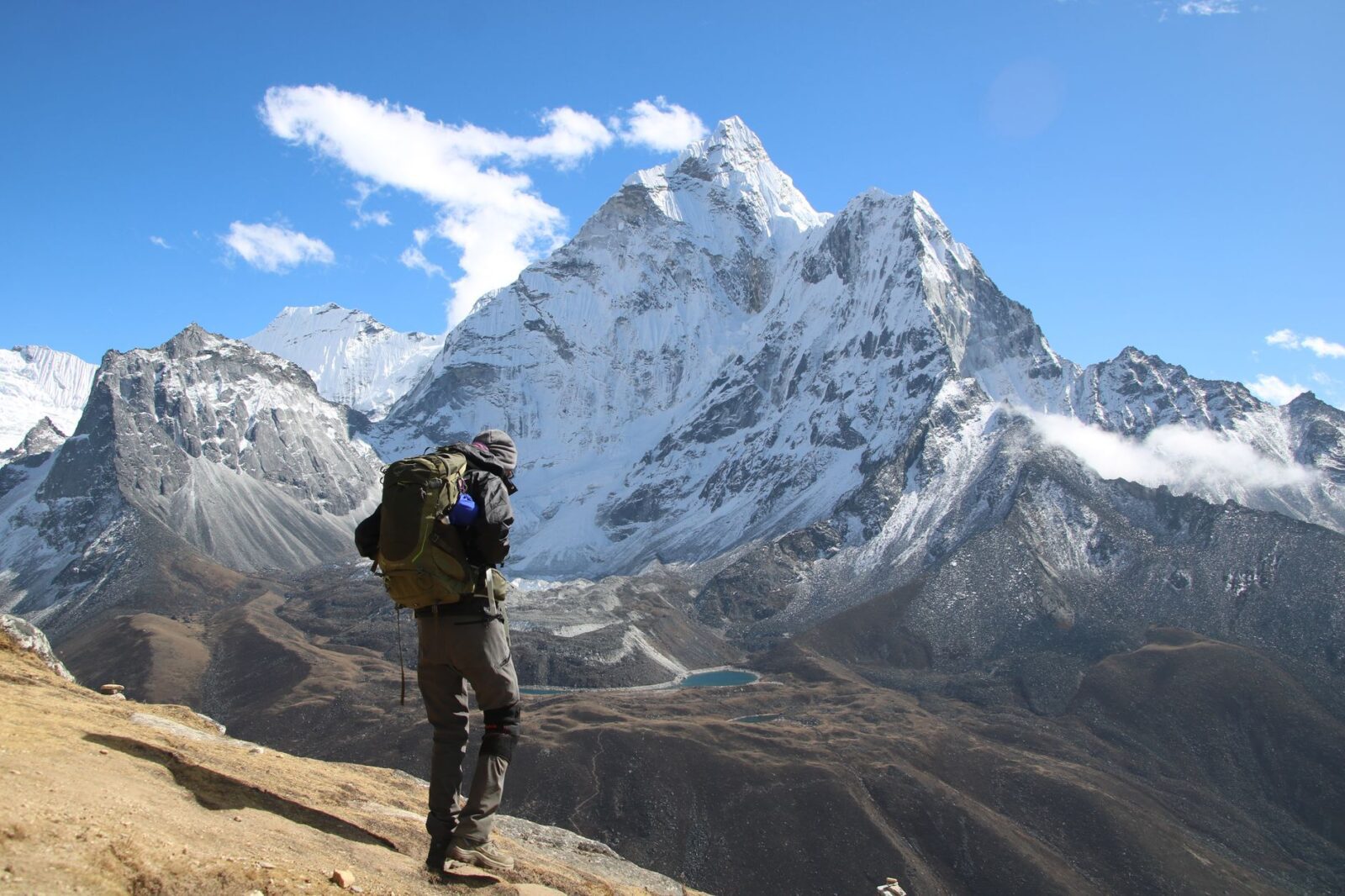
Among the 27 visa‑free countries, a handful stand out for their unique appeal and traveler‑friendly infrastructure. Nepal offers unlimited stay for Indian citizens, allowing trekkers to explore the Everest region or the cultural riches of Kathmandu without worrying about visa expiry. Bhutan, similarly, grants indefinite access, though visitors must pay a daily sustainable development fee that covers accommodation, meals, and a guide. The Maldives provides up to 90 days of visa‑free stay, making it possible to enjoy an extended island‑hopping adventure across its atolls.
Mauritius allows Indian passport holders to remain for up to 90 days, giving ample time to discover its multicultural cities, sugarcane fields, and world‑class golf courses. Seychelles grants a 30‑day visa‑free window, perfect for a relaxed beach retreat or a sailing excursion among its granitic islands. Fiji offers a generous four‑month stay, attracting travelers who wish to experience its vibrant coral reefs, traditional villages, and eco‑lodges. Several Caribbean nations—including Saint Vincent and the Grenadines, Grenada, and Dominica—also appear on the visa‑free list, typically permitting stays of up to 90 days for tourism purposes.
If you love trekking and mountain scenery, Nepal and Bhutan are natural pairings; after a few days in Kathmandu, a short flight to Paro opens the door to Bhutan’s monasteries and mountain lodges. For beach lovers, combining the Maldives with a stop in Sri Lanka (which offers an eVisa) creates a seamless Indian Ocean itinerary. Those interested in cultural diversity might enjoy a Mauritius‑Seychelles combo, where Creole, Indian, French, and African influences blend in cuisine, music, and architecture. Each of these destinations provides a distinct flavor while keeping visa formalities to a minimum.
Understanding Stay Limits and Entry Requirements
While visa‑free entry removes the need for a pre‑travel visa application, travelers must still respect each country’s specific conditions. Most visa‑free nations impose a maximum duration of stay that ranges from 30 days to six months. For example, the Maldives, Mauritius, and Seychelles allow stays of 30 to 90 days, whereas Fiji permits up to four months and Jamaica offers up to 180 days for tourism. It is essential to confirm the exact limit for your chosen destination before departure, as overstaying can result in fines, detention, or future entry bans.
Entry requirements typically include a valid Indian passport with at least six months’ remaining validity, a return or onward ticket, and proof of sufficient funds to cover the stay. Some countries may also ask for a confirmed hotel reservation or an invitation letter if you are visiting friends or family. Although no visa fee is charged, a small immigration processing fee may be collected at the airport in certain locations, usually under $10. Travelers should keep digital and printed copies of all supporting documents, as immigration officers may request them upon arrival.
Health regulations can also affect entry. As of October 2026, many visa‑free countries no longer mandate COVID‑19 vaccination proof or negative test results for fully vaccinated travelers, but a few still require a recent negative PCR test or proof of travel insurance that covers COVID‑19 treatment. Checking the official tourism or immigration website of the destination a week before travel ensures you meet any evolving health protocols. Carrying an international vaccination card and a basic travel health kit is always a prudent practice.

Cost Breakdown: Budgeting Your Visa‑Free Adventures
One of the biggest advantages of visa‑free travel is the reduction in upfront expenses. Visa application fees for Indian passport holders typically range from $10 for a short‑term tourist visa to $50 or more for longer stays or multiple‑entry visas. By choosing a visa‑free destination, you eliminate this cost entirely. However, other expenses—flights, accommodation, food, local transport, and activities—remain and vary widely across regions.
For a short trip to Nepal from Delhi, round‑trip economy flights often start around $80–$120 when booked two to three months in advance. Budget guesthouses in Kathmandu or Pokhara cost $15–$25 per night, while mid‑range hotels range from $40–$70. Daily meals at local eateries can be as low as $5–$8, allowing a frugal traveler to manage on $30–$40 per day excluding flights. In contrast, a week in the Maldives typically requires a higher budget: flights from major Indian hubs average $350–$500 round‑trip, and even budget guesthouses on local islands start at $60–$80 per night. Resort stays can exceed $200 per night, so many travelers opt for a mix of local island guesthouses and day trips to resort islands to keep costs manageable.
Mauritius and Seychelles fall into a similar mid‑to‑high range. Flights from Mumbai or Chennai to Mauritius usually cost $250–$400 round‑trip, with accommodation ranging from $40 for budget hotels to $150+ for beachfront resorts. Daily food expenses average $15–$25 if you mix self‑catering with occasional restaurant meals. Seychelles flights tend to be slightly higher, $300–$450, and accommodation starts at $70 for guesthouses, climbing to $250+ for luxury lodges. Fiji offers relatively affordable long‑stay options; flights from Singapore or Kuala Lumpur often hover around $400–$550, while budget hostels and budget hotels cost $30–$50 per night, making the four‑month stay feasible for digital nomads or extended vacationers.
When planning, remember to factor in travel insurance, which typically costs $5–$10 per trip for basic coverage, and any mandatory tourism taxes or environmental levies that some islands impose (e.g., the Maldives’ green tax of $6 per day). Creating a simple spreadsheet that lists flight, lodging, food, transport, and activity costs helps you stay within your desired budget and avoid surprises.
Seasonal Tips: When to Go for Best Weather and Value
Timing your visit can dramatically affect both experience and expense. In Nepal, the peak trekking seasons are March‑May and September‑November, when skies are clear and temperatures are moderate. Traveling during the monsoon months (June‑August) yields lower accommodation prices—often 20‑30 % cheaper—but trails can be slippery and flights to remote airstrips may face delays. For cultural tours of Kathmandu Valley, the off‑peak months still offer pleasant weather and fewer crowds.
The Maldives enjoys warm weather year‑round, but the dry season from November to April brings the most sunshine and calm seas, making it ideal for snorkeling and diving. This period also coincides with higher resort rates; traveling in May‑October can reduce room rates by up to 40 %, although occasional rain showers and higher humidity are possible. Many budget‑conscious travelers choose the shoulder months of May and October to balance cost and weather.
Mauritius experiences its peak tourist influx from May to December, coinciding with the cooler, drier winter in the Southern Hemisphere. If you prefer lower prices and fewer crowds, consider visiting from January to April, when temperatures remain warm (24‑28 °C) and hotel rates drop significantly. Seychelles follows a similar pattern, with the cool, dry season from May to September offering the best sailing conditions and slightly lower accommodation costs compared to the peak December‑January period.
Fiji’s climate is tropical, with a dry season from May to October that is favored by divers and surfers. The wet season (November‑April) brings higher humidity and occasional cyclones, but also lush landscapes and lower prices. For Caribbean visa‑free islands, the high season runs from mid‑December to mid‑April, coinciding with the North American winter; traveling in late April or early June can yield better deals while still enjoying pleasant temperatures.
Beyond the List: eVisa and Visa‑on‑Arrival Options that Expand Your Horizons
While the 27 visa‑free destinations provide ample choice, the additional 66 eVisa and 47 VoA countries dramatically increase the range of possible itineraries. An eVisa typically requires an online application submitted a few days before travel, with approval often delivered via email within 24‑72 hours. Countries such as Thailand, Indonesia, Malaysia, Vietnam, and Kenya offer straightforward eVisa processes for Indian passport holders, with fees ranging from $10 to $30 and stay allowances of 15 to 90 days.
Visa on arrival, as the name suggests, is obtained at the airport or land border upon arrival. Popular VoA destinations for Indians include the United Arab Emirates (Dubai and Abu Dhabi), Qatar, Turkey, Georgia, Armenia, and several African nations like Tanzania, Zambia, and Zimbabwe. Stay limits vary: the UAE grants a 30‑day VoA extendable to 90 days, Turkey offers up to 90 days, and many African VoA countries permit 30‑day stays with the possibility of extension.
Combining visa‑free, eVisa, and VoA destinations enables creative multi‑country trips. For instance, you could start with a visa‑free week in Nepal, fly to Thailand for an eVisa‑approved 15‑day stay, then continue to Malaysia (eVisa) for another two weeks, and finish with a VoA stop in Dubai for a few days of shopping and desert safaris. Planning such itineraries requires checking the entry rules of each country, ensuring your passport has sufficient blank pages, and verifying that the total duration of stay across all nations complies with each nation’s limits.
Travel experts recommend keeping a digital copy of your eVisa approval and any VoA receipts, as immigration officers may ask to see them. Additionally, some countries require proof of onward travel or a minimum amount of foreign currency, so having a credit card with sufficient limit and a recent bank statement can smooth the process.
Step‑by‑Step Planning Checklist for a Smooth Visa‑Free Trip
To turn your visa‑free travel idea into a reality, follow this practical checklist. First, confirm your passport’s validity: it must be current and have at least six months remaining before expiration, with at least two blank pages for entry stamps. Second, consult the latest Ministry of External Affairs advisory (available on mea.gov.in) to verify the visa‑free status and stay limit of your chosen destination for October 2026.
Third, book your flights. Use fare‑comparison tools and set price alerts; booking six to eight weeks ahead often yields the best rates for regional trips, while intercontinental flights may benefit from booking three to four months in advance. Fourth, arrange accommodation. For short stays, consider reputable budget hotels or guesthouses with good reviews; for longer stays, look into serviced apartments or Airbnb‑style rentals that may offer weekly discounts.
Fifth, organize essential documents: a printed copy of your flight itinerary, hotel confirmation, and, if required, proof of sufficient funds (such as a recent bank statement or credit‑card limit). Sixth, purchase travel insurance that covers medical emergencies, trip cancellation, and, if relevant, COVID‑19 treatment. Seventh, pack appropriately based on the climate and activities planned; include a universal power adapter, basic medications, and copies of your passport stored separately from the original.
Eighth, check health requirements: verify whether any vaccinations, test results, or insurance proofs are needed. Ninth, inform your bank of your travel plans to avoid card blocks. Tenth, on arrival, proceed to the immigration counter, present your passport and supporting documents, answer any questions truthfully, and collect your entry stamp. Keep the stamp page safe, as it serves as proof of legal stay duration.
Following these steps minimizes the risk of delays at immigration and helps you focus on enjoying your trip. Many seasoned travelers recommend doing a quick “pre‑flight” review of this checklist the night before departure to ensure nothing is overlooked.
Frequently Asked Questions
How many countries can Indian passport holders visit without a visa in 2026?
According to the Government of India’s Ministry of External Affairs, as of 3 August 2026, Indian passport holders enjoy visa‑free entry to 27 countries. This number reflects the latest bilateral agreements and diplomatic updates. In addition to these visa‑free destinations, Indians can obtain an eVisa for 66 countries and a visa on arrival for 47 countries, bringing the total number of readily accessible destinations to over 140.
What is the typical length of stay allowed in visa‑free countries for Indians?
Stay limits vary by nation. Some countries, such as Nepal and Bhutan, allow Indian citizens to stay indefinitely (subject to local registration requirements). Others offer fixed periods: the Maldives, Mauritius, and Seychelles generally permit 30 to 90 days; Fiji grants up to four months; Jamaica allows up to 180 days for tourism. Caribbean visa‑free islands like Saint Vincent and the Grenadines, Grenada, and Dominica usually provide stays of up to 90 days. Always verify the exact limit on the official immigration or tourism website of the destination before you travel.
Do I need to pay any fees when entering a visa‑free country?
No visa fee is charged for visa‑free entry. However, some countries may impose a small immigration processing fee at the airport, typically under $10. Additionally, certain destinations levy tourism taxes, environmental levies, or mandatory insurance charges. For example, the Maldives applies a daily green tax of $6 per person, and Bhutan charges a sustainable development fee that covers accommodation, meals, and a guide. It is wise to budget for these possible extra costs when planning your trip.
Can I extend my stay beyond the visa‑free period if I decide to stay longer?
Extension policies differ widely. In many visa‑free nations, you can apply for an extension at the local immigration office before your permitted stay expires, though approval is not guaranteed and may require proof of sufficient funds, a valid reason for extension, and sometimes a fee. Countries like Fiji and Jamaica are known to be relatively accommodating for genuine tourism extensions, whereas others, such as the Maldives, have stricter limits and rarely grant extensions beyond the initial 90‑day period. Overstaying without authorization can result in fines, detention, or a ban on future entry, so it is essential to respect the authorized duration or seek an official extension in advance.
Are there any travel insurance requirements for visa‑free travel?
While most visa‑free countries do not mandate travel insurance for entry, having a comprehensive policy is strongly recommended. Medical treatment abroad can be expensive, and insurance protects you against unexpected costs from accidents, illness, or trip cancellations. Some nations, particularly those with limited public healthcare facilities, may ask for proof of insurance at immigration, especially if you are applying for a stay extension. Choose a plan that covers medical evacuation, hospitalisation, and, if relevant, COVID‑19‑related expenses, and keep a digital copy accessible during your journey.
Stay informed with the latest travel news, visa updates, and destination guides. Follow HimalayanCrest.com for weekly travel intelligence delivered by our editorial team.