

Why Malaysia’s Passport Ranking Matters Now
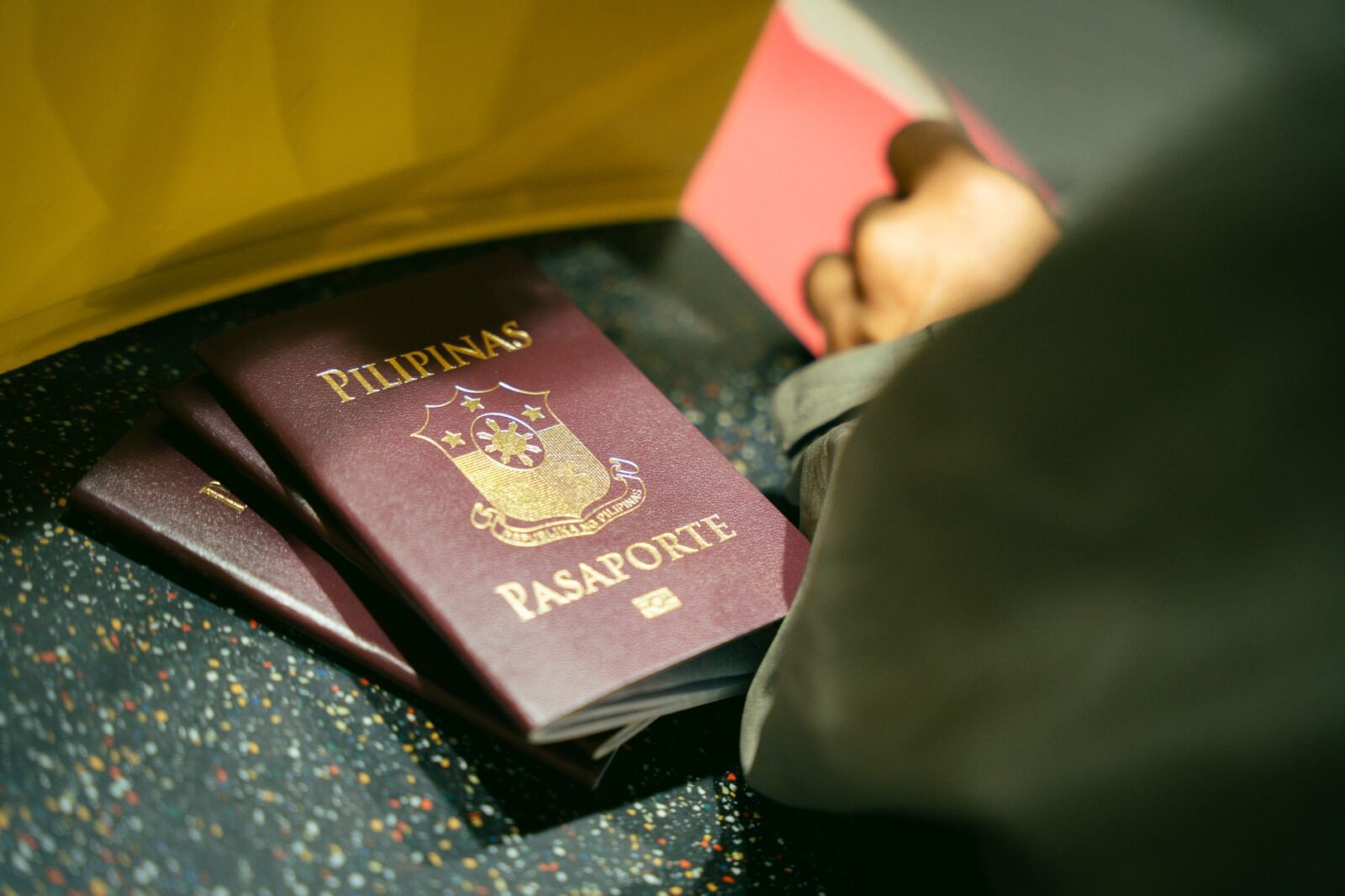
In late September 2026, news spread across social media that Malaysia’s passport had climbed to the world’s No. 2 position in the Global Passport Index. This update, confirmed by The Passport Index and reported by outlets such as Malaymail and BusinessToday, placed Malaysia ahead of traditional powerhouses like the United States, the United Kingdom, Germany and Japan. The announcement sparked a wave of excitement among Malaysians who suddenly realized their travel freedom had expanded significantly.
The ranking is not a fleeting headline; it reflects a concrete shift in diplomatic relations and visa‑waiver agreements that have been negotiated over the past few years. According to the sources, Malaysia moved up from third place in 2025 to second in 2026, gaining two spots in a single year. This upward trajectory signals that the country’s passport is becoming one of the most trusted travel documents worldwide.
For travelers, a higher ranking translates into fewer bureaucratic hurdles, lower travel costs, and the ability to make spontaneous trips to destinations that previously required lengthy visa applications. In practical terms, Malaysians can now explore more of the globe with just their passport, opening up opportunities for leisure, business, and cultural exchange that were once out of reach for many.
The Numbers Behind the Rank: What No. 2 Really Means
The Passport Index Global Ranking 2026 states that Malaysian passport holders enjoy visa‑free or visa‑on‑arrival access to 175 destinations worldwide. This figure places Malaysia in the silver tier, sharing the second spot with Singapore.
175 destinations
represents the total number of countries and territories that can be entered without obtaining a visa in advance or with a visa granted on arrival.
Breaking the number down, approximately 129 of those destinations offer pure visa‑free entry, while the remaining 46 provide visa‑on‑arrival or electronic travel authorization (eTA) options. By comparison, the United States offers access to about 127 destinations, the United Kingdom to 126, Germany to 124 and Japan to 123. Malaysia’s lead over these nations is therefore measured in dozens of additional places where a Malaysian can travel with minimal paperwork.
The ranking also highlights Malaysia’s growing influence in regions such as Africa, Latin America and Southeast Asia, where recent visa‑waiver agreements have been signed. While the passport shares the silver tier with Singapore, Malaysia’s rise from third to second place demonstrates a clear gain in global mobility that outpaces many of its peers.
How the Ranking Affects Travel for Malaysians
With 175 destinations at their fingertips, Malaysians can now plan trips to Europe, the Americas, Oceania and parts of Asia without the need to apply for a visa weeks in advance. For example, a Malaysian can decide on a whim to spend a long weekend in Portugal, Croatia or Costa Rica and simply book a flight, knowing that entry will be granted at the border. This flexibility reduces both the time and money spent on visa fees, processing services and travel agency assistance.
The stronger passport also has economic implications. Outbound tourism from Malaysia is likely to increase as more citizens feel encouraged to explore foreign markets, which in turn can boost demand for international flights, travel insurance and overseas accommodation. Business travelers benefit similarly, as easier access to conferences, trade shows and client meetings can accelerate deal‑making and partnership building across continents.
Nevertheless, the ranking does not mean that every country is visa‑free. Destinations such as China, India, Russia and several nations in the Middle East still require Malaysians to obtain a visa before arrival. Travelers should therefore verify the specific entry requirements for each country they intend to visit, even when their passport enjoys a high global rank.
Comparing Malaysia to Other Top Passports
Singapore, which shares the silver tier with Malaysia, consistently ranks at the very top of global passport indexes. While both nations offer access to roughly the same number of destinations, Singapore sometimes enjoys a slight advantage in certain African states where its diplomatic network is longer established. Malaysia’s recent gains, however, have narrowed that gap considerably.
When measured against traditional leaders such as the United States, the United Kingdom, Germany and Japan, Malaysia’s passport now surpasses them in total destinations despite having a lower average income per capita. This outcome underscores that passport strength is not solely tied to economic size but also to the effectiveness of a country’s foreign policy and its ability to negotiate reciprocal visa‑waiver deals.
Emerging contenders like the United Arab Emirates and South Korea have also climbed the rankings in recent years, but Malaysia’s leap to No. 2 in 2026 marks one of the most notable upward moves among midsized economies. Analysts attribute this progress to targeted outreach programs, increased participation in multilateral forums and a series of bilateral agreements signed during 2024‑2025.
Practical Tips: Making the Most of Your Malaysian Passport
First, always check that your passport is valid for at least six months beyond your intended return date; many countries enforce this rule even for visa‑free travelers. Setting a calendar reminder a few months before expiry can prevent last‑minute rushes and potential travel disruptions.
Second, consider enrolling in the Malaysian Ministry of Foreign Affairs’ travel advisory service, which sends real‑time alerts about changes in entry requirements, health notices or safety concerns for specific destinations. Staying informed helps you avoid surprises at the border.
Third, leverage airline loyalty programs that award bonus miles for trips to visa‑free locations. Some carriers offer extra points for visits to Southeast Asian or European destinations, allowing you to accumulate rewards faster while enjoying the freedom your passport provides.
Hidden Gems You Can Visit Visa‑Free (or with Easy Entry)
Beyond the usual tourist hotspots, Malaysians can explore a range of lesser‑known places that welcome them without a visa. For example, Georgia in the Caucasus permits a stay of up to one year for Malaysians, offering ancient wine traditions, mountain trekking and a vibrant food scene. Albania’s Riviera provides beautiful beaches and Ottoman‑era towns with a 90‑day visa‑free window, while neighboring Montenegro offers similar access for up to 90 days.
In the Indian Ocean, Seychelles and Mauritius both grant Malaysians visa‑free entry for up to 90 days, making them ideal for luxury beach getaways or diving adventures. Further afield, Costa Rica and Panama in Central America allow stays of 30 to 90 days without a visa, giving travelers access to rainforests, volcanoes and the Panama Canal.
Before booking, always double‑check the exact length of permitted stay and any entry conditions such as proof of onward travel or sufficient funds. As of October 2026, most COVID‑related health restrictions have been lifted, but a few islands may still require a vaccination certificate or a negative test, so it is wise to verify the latest requirements on the destination’s official immigration website.
Planning Checklist: Steps to Maximize Passport Power
To make the most of your Malaysian passport, follow this simple checklist:
- Verify passport expiry – ensure at least six months validity beyond your trip.
- Create a list of desired destinations and confirm each country’s current entry rules (visa‑free, visa‑on‑arrival, eTA).
- Book flights and accommodations early for popular visa‑free spots to secure better rates.
- Purchase comprehensive travel insurance that covers medical evacuation, trip cancellation and COVID‑19 related issues.
- Keep both a physical and a digital copy of your passport’s bio‑page stored securely.
Additional practical steps include notifying your bank of international travel to avoid card blocks, purchasing a local SIM card or an international roaming plan for data access, and learning a few basic phrases in the local language of your destination to enhance interactions with residents.
Finally, engage with online travel communities such as TripAdvisor forums, Reddit’s r/travel or Malaysia‑specific groups where recent travelers share up‑to‑date tips on border experiences, hidden fees and cultural etiquette. Their firsthand insights can help you avoid common pitfalls and make each journey smoother.
FAQ: Common Questions About Malaysia’s Passport Ranking
How often does the passport ranking update?
The Passport Index and similar ranking services typically refresh their data on a quarterly basis, reflecting new visa‑waiver agreements, changes in entry policies and occasional suspensions. Major shifts, like Malaysia’s move to No. 2, are usually announced when a significant number of new agreements take effect, which can happen once or twice a year.
Does a higher ranking guarantee entry to every country?
No. A high ranking indicates the number of destinations where you can travel without a visa or with visa on arrival, but it does not override individual country restrictions. Some nations may still deny entry based on security concerns, criminal records, or health-related grounds, even if your passport is powerful.
How much does it cost to renew a Malaysian passport?
As of 2026, the standard fee for a regular adult Malaysian passport is approximately RM 200, which is roughly USD 45. Expedited processing or replacement of a lost passport incurs additional charges. It is advisable to check the latest fee schedule on the Immigration Department of Malaysia’s official website before applying.
Can I work in any of the 175 visa‑free destinations?
Visa‑free or visa‑on‑arrival access generally permits tourism, short‑term business meetings or family visits, but it does not automatically grant the right to work or study long‑term. For employment, most countries require a specific work visa or permit, which must be obtained before starting a job.
Will Malaysia’s passport ranking continue to improve?
While past trends show steady gains, future movement depends on ongoing diplomatic negotiations, geopolitical stability and reciprocal visa‑waiver deals. Experts predict that Malaysia could maintain its position in the top three for the next few years, provided it continues to expand its network of agreements, particularly with emerging markets in Africa and Latin America.
Stay informed with the latest travel news, visa updates, and destination guides. Follow HimalayanCrest.com for weekly travel intelligence delivered by our editorial team.