

Balut: The Developing Duck Egg That Defies Expectations
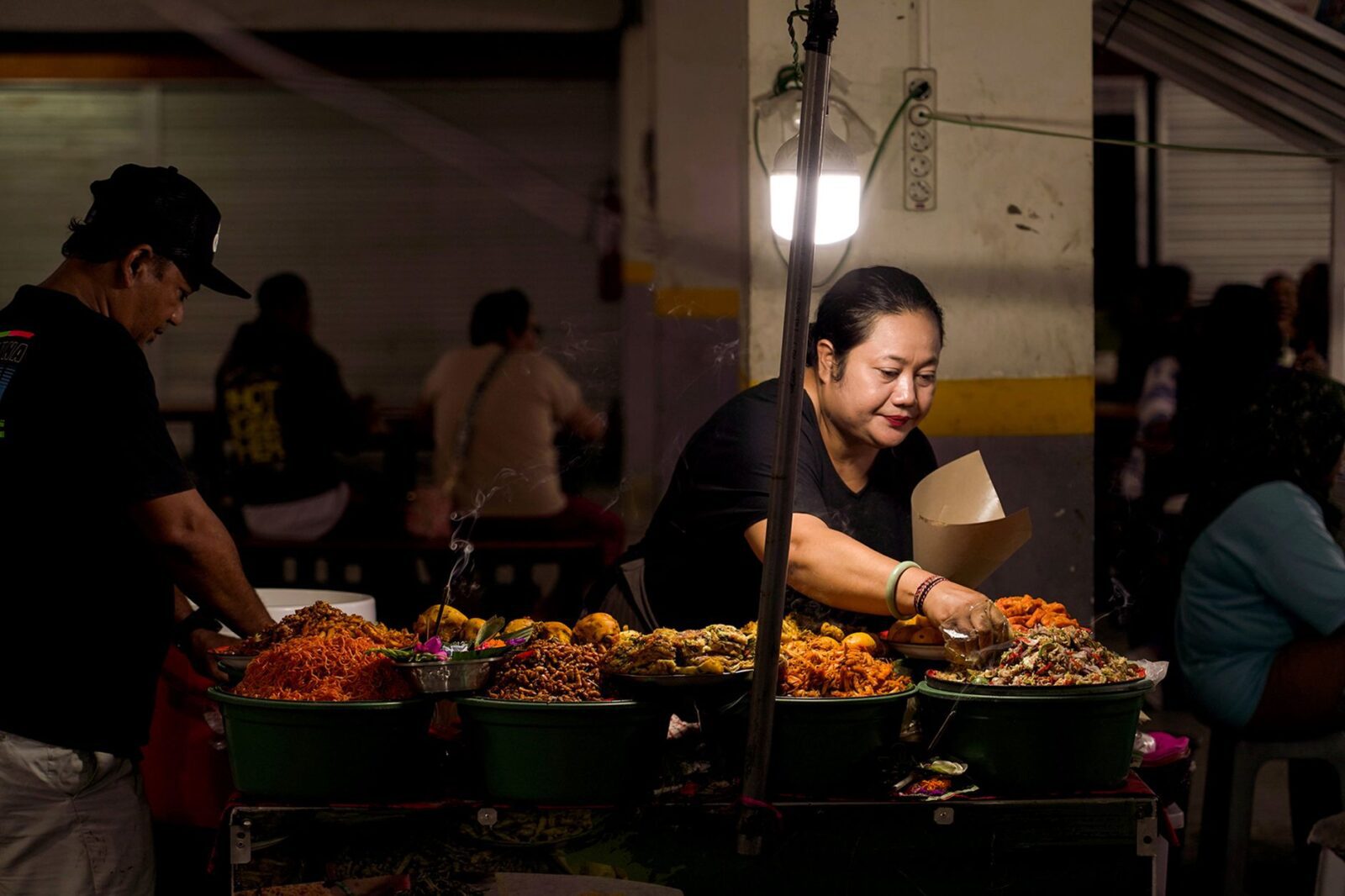
Balut is a fertilized duck egg that is incubated for about 14 to 21 days before being boiled and eaten straight from the shell. The snack is most famous in the Philippines, where vendors call it “balut” and sell it at night markets for roughly $1 to $2 per piece. In Cambodia and Vietnam you will find similar versions known as “pong tea khon” and “trứng vịt lộn\). The embryo inside shows visible bones, feathers and a partially formed beak, which can be shocking to first‑time viewers.
The practice dates back centuries to Chinese traders who introduced the technique of incubating eggs for nutritional boost during long voyages. Today, balut is praised for its high protein content, with a single egg delivering roughly 14 grams of protein and a rich source of calcium from the shell. Locals often sprinkle it with salt, pepper, lime juice or a splash of vinegar to cut the richness.
For travelers, trying balut is less about the taste and more about confronting a cultural rite of passage. Many describe the flavor as a savory blend of mild egg yolk and a faint, brothy note from the developing embryo. If you are curious, look for stalls with a steady turnover of hot balut; the fresher the egg, the milder the aroma. Remember to sip the warm broth inside the shell before eating the solid parts for the full experience.
Durian: The King of Fruits That Clears Rooms
Durian is renowned across Southeast Asia for its formidable odor, often described as a mix of rotten onions, turpentine and sweet custard. The fruit’s spiky green‑brown husk hides creamy yellow flesh that can be eaten fresh, blended into shakes or folded into sticky rice desserts. In Thailand, Malaysia and Indonesia, a single kilogram of premium durian can fetch between $8 and $20 USD, depending on the variety and season.
The smell comes from a complex cocktail of sulfur‑containing compounds that are released when the fruit ripens. Because of this, many hotels, airlines and public transport systems across the region ban durian outright; you will see signs warning passengers not to bring the fruit onboard. Despite the stink, durian is packed with nutrients, offering high levels of vitamin C, potassium and healthy monounsaturated fats.
Culturally, durian is celebrated with festivals in places like Chanthaburi, Thailand, where locals compete to grow the heaviest fruit. If you dare to try it, start with a small piece and let the flavor unfold; the initial pungency gives way to a sweet, almost almond‑like aftertaste. Pairing it with a glass of cold water or a sweet tea helps balance the intensity.
Fried Tarantulas: Cambodia’s Crunchy Street‑Food Dare
In the town of Skuon, about 75 kilometers north of Phnom Penh, vendors deep‑fry whole tarantulas until they turn a crispy gold. A single spider, roughly the size of a palm, sells for about $0.30 USD and is served with a squeeze of lime and a sprinkle of chili salt. The dish originated during the Khmer Rouge era when protein sources were scarce, and locals turned to the abundant jungle arachnids for sustenance.
The preparation is straightforward: the spiders are cleaned, tossed in a mixture of salt, sugar and sometimes garlic, then fried in hot oil for two to three minutes. The result is a crunchy exterior with a soft, slightly chewy interior that tastes akin to a mild blend of chicken and cod. Many first‑timers report a surprising lack of fear after the first bite, noting the texture rather than the idea of eating a spider.
For travelers visiting Cambodia, a stop in Skuon has become a quirky rite of passage. If you are squeamish, you can ask the vendor to remove the fangs before frying, though most locals eat them whole. The snack is also a conversation starter; sharing a plate of fried tarantulas often leads to stories about survival, ingenuity and the lengths people go to secure food in tough times.

Fried Insects: Thailand’s Protein‑Packed Snack Stalls
Across Thailand’s bustling night markets, you will find baskets brimming with fried grasshoppers, crickets, silkworm pupae and even bamboo worms. Vendors season the insects with soy sauce, fish sauce, sugar and a dash of chili powder before tossing them in a wok for a quick fry. A typical serving costs between $0.25 and $0.50 USD, making it one of the cheapest protein sources available.
Entomophagy, or eating insects, has deep roots in Thai rural communities where livestock farming is limited and insects provide a reliable source of protein, iron and B‑vitamins. Modern nutritionists note that 100 grams of fried crickets contain roughly 13 grams of protein and less than 5 grams of fat, rivaling many conventional meat options. The practice is also environmentally friendly, as insects require far less water and feed than cattle or pigs.
If you are hesitant, start with the milder‑tasting silkworm pupae, which have a buttery, nutty flavor. Grasshoppers offer a slightly salty, crunchy bite reminiscent of fried shrimp. Many travelers report that after the first handful, the “ick” factor fades and the snack becomes addictive. Look for stalls with a high turnover; freshness ensures the insects stay crisp rather than soggy.
Kopi Luwak: The World’s Most Expensive Coffee From Civet Droppings
Kopi Luwak, also known as civet coffee, is made from coffee beans that have been eaten, partially digested and excreted by the Asian palm civet. The beans are collected from the animal’s feces, washed, dried and then roasted. Indonesia’s Sumatra, Java and Bali islands are the primary producers, though the Philippines and Vietnam also have small‑scale farms. A single cup can cost anywhere from $30 to $100 USD in specialty cafés.
The civet’s digestive enzymes are believed to break down proteins in the beans, reducing bitterness and imparting a smooth, chocolatey aroma with hints of caramel. Historically, the discovery dates back to the 18th‑century Dutch colonial period when plantation workers, forbidden from harvesting coffee for themselves, collected civet‑dropped beans and found they brewed a remarkably mild cup.
Modern travelers should be aware of ethical concerns: many civets are kept in cramped cages and force‑fed coffee cherries to boost production. Look for certifications that guarantee wild‑sourced or “cage‑free” beans if you wish to try the brew responsibly. When prepared correctly, Kopi Luwak delivers a velvety mouthfeel with low acidity, making it a luxurious treat for coffee aficionados.
Bird’s Nest Soup: The Caviar of the East From Swiftlet Saliva
Bird’s nest soup is crafted from the hardened saliva of swiftlets, small birds that build their nests on the walls of limestone caves in Thailand, Indonesia, Malaysia and Myanmar. Harvesters scale sheer cliffs or use bamboo ladders to collect the nests, which are then cleaned, soaked and simmered into a gelatinous broth. A kilogram of premium white nests can sell for over $1,000 USD, making it one of the most expensive animal products on the planet.
The tradition of consuming swiftlet nests dates back to the Tang Dynasty in China, where it was believed to boost immunity, improve skin complexion and enhance vitality. Modern analyses show the nests are rich in glycoproteins, amino acids and trace minerals such as calcium and iron. In Southeast Asia, the soup is often served sweetened with rock sugar and sometimes infused with ginger or pandan leaves for fragrance.
For travelers, a visit to a swiftlet farm in places like Phang Nga Bay, Thailand, offers a chance to see the harvesting process and learn about sustainable practices. If you try the soup, expect a delicate, almost flavorless base that takes on the taste of whatever broth or sweetener it is cooked in. The true luxury lies in the silky, slippery texture that coats the palate—a sensation many describe as drinking liquid silk.
Snake Wine: Vietnam’s Venomous Elixir
Snake wine is a traditional alcoholic beverage found throughout Vietnam, Laos and Cambodia, where whole venomous snakes—often cobras or kraits—are submerged in jars of rice wine or grain alcohol. The mixture is left to steep for months, allowing the snake venom to denature and the alcohol to absorb the snake’s essence. A small bottle typically costs between $5 and $15 USD, depending on the size and type of snake used.
The practice originates from traditional medicine, where snake wine was thought to cure ailments ranging from joint pain to low libido. While the venom is rendered inactive by the ethanol, the drink still carries a potent aroma and a slightly medicinal taste, often described as earthy with a hint of sweetness. Locals sometimes add herbs, honey or ginseng to enhance the flavor and purported health benefits.
If you decide to sample snake wine, seek out reputable vendors who use farm‑raised snakes rather than wild‑caught specimens, as this supports sustainable practices. Serve the wine at room temperature in a small shot glass; the first sip can be intense, but many find it grows smoother with each round. Remember that the beverage is strong—usually around 30‑40% alcohol—so pace yourself accordingly.
Pla Ra: Thailand’s Fermented Fish Sauce That Packs a Punch
Pla ra is a pungent, fermented fish sauce made from freshwater fish, most commonly the small mudfish known as “pla soi\), mixed with rice bran and salt. The mixture is left to ferment in large earthenware jars for anywhere from three months to over a year, developing a deep umami flavor and a notorious smell that can clear a room. In Thailand’s northeastern Isaan region, a small bottle of pla ra sells for roughly $1 to $2 USD.
The sauce is a cornerstone of Isaan cuisine, used to season dishes like som tam (papaya salad), larb (minced meat salad) and various stews. Its fermentation process produces lactic acid bacteria and beneficial enzymes, similar to those found in other fermented foods like kimchi or miso. Despite its strong odor, pla ra adds a savory depth that is difficult to replicate with regular fish sauce.
Travelers who venture into Isaan markets will often encounter stalls where vendors ladle pla ra directly onto fresh vegetables or grilled meat. If you are new to the flavor, start with a tiny dab mixed into a dipping sauce; the intensity mellows when combined with lime, sugar and chilies. Many visitors find that after a few tries, the funky aroma becomes a badge of honor, signaling they have truly eaten like a local.
Sago Worms: Borneo’s Buttery Larvae Delicacy
In the rainforests of Malaysian Borneo and parts of Indonesia, sago worms—the larvae of the sago palm weevil—are harvested from the trunk of the sago palm and eaten raw, steamed or fried. The plump, cream‑colored larvae are about the size of a thumb and have a soft, buttery texture that melts in the mouth. A small bag of fresh sago worms typically costs around $0.50 USD at local markets.
The consumption of sago worms dates back to the indigenous Dayak peoples, who relied on the sago palm as a staple food source. The worms are rich in protein, essential fatty acids and micronutrients such as zinc and magnesium. Modern nutritionists note that 100 grams of raw sago worms provide roughly 12 grams of protein and a healthy dose of omega‑3 and omega‑6 fatty acids, making them a nutritious snack.
If you visit a longhouse in Sarawak, you may be offered a plate of steaming sago worms as a welcoming gesture. The flavor is mild, often described as reminiscent of creamy coconut or fresh milk, with a subtle sweetness. For those who prefer a crunch, the worms can be lightly fried in garlic oil until golden, turning them into a savory, nut‑like treat that pairs well with a cold beer or rice wine.
Mekong River Giant Catfish: The Mild‑Mannered Monster on a Plate
The Mekong River is home to the giant catfish (Pangasianodon gigas), one of the largest freshwater fish in the world, capable of reaching lengths over three meters and weights exceeding 300 kilograms. In Laos, Thailand and Cambodia, locals occasionally catch these massive fish and prepare them in a variety of ways—grilled, steamed or chopped into hot pots. A plate of grilled giant catfish fillet can cost between $3 and $6 USD at riverside restaurants.
Historically, the giant catfish was revered by river communities as a symbol of abundance and strength. Overfishing and dam construction have drastically reduced wild populations, making sightings rare today; however, some villages still practice regulated, sustainable fishing during specific seasons. The fish’s flesh is white, firm and remarkably mild, often compared to the texture of cod or haddock with a faint sweet undertone.
For travelers, trying Mekong giant catfish offers a chance to taste a piece of river heritage while supporting conservation‑focused eateries that source their fish from responsible farms or legal catches. When grilled, the fish is typically marinated in lemongrass, garlic and a splash of fish sauce before being cooked over charcoal, imparting a smoky aroma that complements its delicate flavor. Pair it with a spicy dipping sauce made from chilies, lime and sugar for a balanced meal that highlights the fish’s natural sweetness.
Stay informed with the latest travel news, visa updates, and destination guides. Follow HimalayanCrest.com for weekly travel intelligence delivered by our editorial team.