

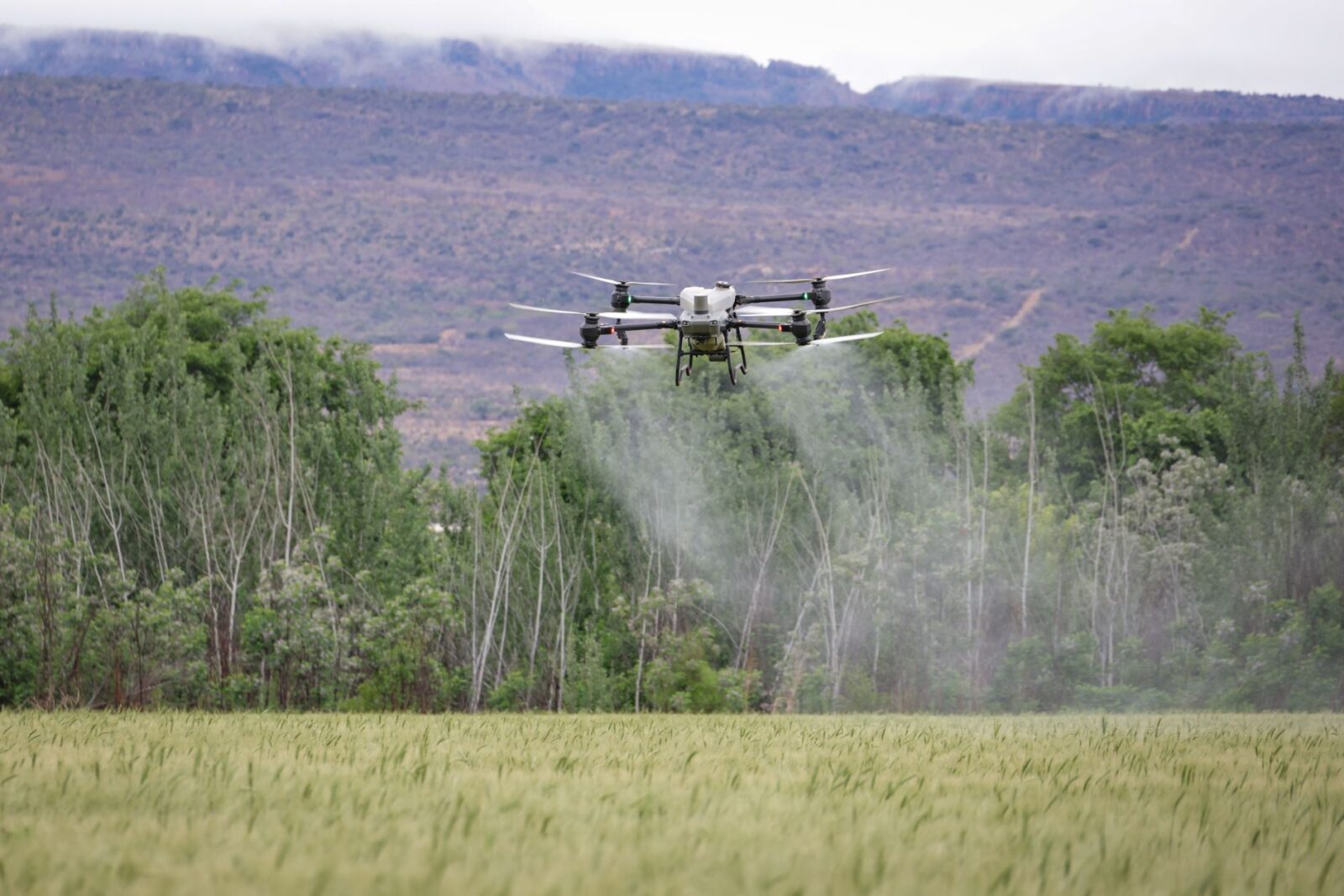
The £20 Million Farm Robotics Boost: What Was Announced
On 3 August 2026, the UK Department for Environment, Food & Rural Affairs (DEFRA), together with Innovate UK and Farming Minister Stephen Morgan MP, unveiled a £20 million competition to develop next‑generation farm robots and automated systems. This funding is part of the Farming Innovation Programme, which had already allocated over £53 million earlier in the year, bringing total available support for cutting‑edge agri‑tech research to £123 million for 2026. The call invites businesses to partner with researchers and farmers to create technologies that can plant, tend and harvest crops, aiming to ease the chronic shortage of seasonal labour that many farms face during peak periods.
The competition is open for applications now, with details posted on the DEFRA farming blog and the Innovate UK website. Successful projects will receive grants to build prototypes, conduct field trials and move toward commercial deployment. Examples already in progress include Fieldwork Robotics’ raspberry‑picking machine, which is being strengthened with government support to operate reliably in varied weather conditions. Other funded initiatives explore gantry robots for mixed‑strip cropping systems and autonomous livestock monitoring tools.
Why Robotics Funding Matters for the UK Labour Market
UK agriculture has long relied on a seasonal workforce, particularly for horticultural tasks such as fruit picking, vegetable packing and flower harvesting. Recent data from the Office for National Statistics shows that unfilled vacancies in the agriculture, forestry and fishing sector hovered around 8 % in early 2026, driven by post‑Brexit mobility changes and an ageing domestic labour pool. The introduction of robots capable of performing repetitive, physically demanding tasks could reduce the pressure on farms to recruit large numbers of short‑term workers.
However, automation does not eliminate the need for skilled humans. Instead, it shifts demand toward roles that design, programme, maintain and supervise robotic systems. Positions such as agricultural robotics engineers, data analysts for precision farming, and farm‑tech integration specialists are expected to grow. These roles typically require higher qualifications and offer salaries above the national average, making them eligible for skilled‑worker sponsorship under UK immigration rules.
How Agri‑Tech Growth Influences Skilled Worker Visa Routes
The UK Skilled Worker visa allows employers to sponsor overseas nationals for jobs that meet a minimum skill level (usually RQF level 3 or above) and a salary threshold. As of 2026, the general salary threshold is £26,200 per year or the “going rate” for the specific occupation, whichever is higher. Many agri‑tech roles, especially those involving robotics engineering, software development for farm management systems, or advanced machinery maintenance, exceed these thresholds and are regularly listed on the official shortage occupation list.
When a job appears on the shortage list, the salary threshold can be reduced to 80 % of the going rate, making it easier for employers to sponsor candidates. While the current shortage occupation list does not yet have a dedicated entry for “farm robotics technician,” related categories such as “engineering professionals (n.e.c.)” and “information technology and telecommunications professionals” often capture these roles. Employers in the agri‑tech sector can therefore use the Skilled Worker visa to bring in talent from abroad when domestic recruitment falls short.
In addition, the Global Talent visa offers a fast‑track route for leaders or potential leaders in digital technology, which includes cutting‑edge agri‑tech innovation. Individuals with endorsements from recognised bodies such as the Royal Academy of Engineering or Tech Nation may qualify for this visa, granting them flexibility to work, switch employers or start a business in the UK.

Seasonal Worker Visa and the Push for Automation
For lower‑skill, short‑term horticultural work, the UK operates a Seasonal Worker visa scheme. In 2026, the scheme allocated up to 45,000 places for workers from approved countries to undertake jobs such as fruit and vegetable picking, flower packing and poultry processing. The scheme is administered by the Department for Environment, Food & Rural Affairs and requires employers to be licensed sponsors.
As robotics become more capable of handling picking and packing tasks, the demand for seasonal workers may shift. Some growers report that they are beginning to trial robotic harvesters alongside human crews, using the machines for early‑morning or late‑evening shifts when human labour is less available. This hybrid approach could maintain the Seasonal Worker visa programme while reducing the overall number of placements needed per farm‑ments required for certain crops.
Farmers interested in adopting robotic solutions should still consider the Seasonal Worker visa for tasks that remain difficult to automate, such as delicate soft‑fruit handling or complex greenhouse operations. The visa scheme’s official guidance is available on the UK Visas and Immigration website, which outlines sponsor responsibilities, worker rights and application timelines.
Opportunities for Investors and Entrepreneurs in Agri‑Tech
The £20 million fund is not limited to large corporations; small and medium‑sized enterprises (SMEs) and start‑ups are encouraged to apply, either alone or in consortiums with research institutions. Successful applicants can use the grant to de‑risk product development, attract follow‑on private investment and scale up production. For example, a UK‑based startup that secured a £2.5 million Seed+ round in April 2026 to improve berry‑harvesting robots could now seek additional government funding to enhance durability and field performance.
Investors looking to gain residency through investment routes should note that the UK does not currently operate a pure “investor visa” programme comparable to those in Portugal or Spain. However, the Innovator Founder visa allows entrepreneurs with an innovative, viable and scalable business idea to settle in the UK if they obtain endorsement from an approved body. An agri‑tech venture that has received government grant funding may find it easier to secure such endorsement, as the grant serves as external validation of the project’s potential.
Moreover, the UK’s Start‑up visa offers a pathway for early‑stage entrepreneurs who wish to establish a business in the UK for the first time. While this visa does not lead directly to settlement, holders can switch to the Innovator Founder visa after growing their business. For global investors, setting up a UK‑based holding company that invests in agri‑tech start‑ups can also create employment opportunities that support skilled‑worker sponsorship.

Comparing the UK Approach with Other Nations’ Agri‑Tech Visa Policies
Several countries have introduced specific visa or residency options to attract talent in high‑tech agriculture. In the United States, the H‑1B programme accommodates specialty occupations, and the Department of Labor periodically adds agriculture‑related roles such as “Agricultural and Food Scientists” to its list of shortage occupations. Canada’s Global Skills Strategy offers a two‑week processing window for work permits in occupations deemed to be in high demand, which includes “Agricultural Engineers” and “Food Science Technologists.”
Within the European Union, Germany’s EU Blue Card scheme targets graduates with a job offer meeting a salary threshold (approximately €45,300 in 2026) and includes fields like “Agricultural Sciences” and “Bioengineering.” France’s Talent Passport – “Scientist” category similarly welcomes researchers and engineers in agronomy and food technology. The UK’s current framework relies on the broader Skilled Worker and Global Talent visas rather than a dedicated agri‑tech stream, but the underlying principles—skill level, salary thresholds and shortage‑based concessions—are comparable.
For digital nomads, the UK does not offer a specific nomad visa, but individuals earning above a certain threshold from remote work may enter as Standard Visitors for up to six months, provided they do not undertake local employment. Those wishing to combine remote agri‑tech consulting with occasional on‑site work could explore the Skilled Worker visa if a UK‑based client offers a sponsored contract.
Practical Steps for Skilled Workers Seeking UK Opportunities Now
If you are an agricultural engineer, robotics specialist, data scientist or farm‑tech professional interested in working in the UK, begin by checking whether your occupation appears on the official shortage occupation list. The list is updated periodically and can be viewed on the GOV.UK website under “Skilled Worker visa: shortage occupations.” If your role is listed, you may benefit from a lower salary threshold.
Next, secure a job offer from a UK employer that holds a valid sponsor licence. The employer will issue a Certificate of Sponsorship (CoS) and guide you through the visa application, which includes proving English language proficiency (usually CEFR level B1 or higher) and showing that you have sufficient personal savings (typically £1,270) unless the sponsor certifies maintenance.
Prepare your documentation early: passport, proof of qualifications, evidence of professional experience, and any endorsement letters if you plan to apply via the Global Talent route. For the Innovator Founder visa, you will need a detailed business plan, endorsement from an approved body and proof of at least £50,000 in investment funds (unless exempt).
Finally, keep an eye on upcoming funding rounds. The DEFRA farming blog regularly posts updates on the Farming Innovation Programme, including deadlines for the next application window. Aligning your skill set with projects that have received government grants can increase your chances of finding a sponsoring employer who values cutting‑edge expertise.
FAQ: Common Questions About Visa Paths Linked to Agri‑Tech Growth
Does the UK have a special visa for farm robotics workers?
No, there is currently no visa category dedicated exclusively to farm robotics or agri‑tech specialists. However, relevant occupations can be accessed through the existing Skilled Worker visa, the Global Talent visa for leaders in digital technology, or the Innovator Founder visa for entrepreneurs. If your job is recognised as a shortage occupation, the salary requirement may be reduced, making sponsorship easier.
How much does it cost to apply for a Skilled Worker visa from abroad?
As of August 2026, the application fee for a Skilled Worker visa ranges from £625 to £1,423 depending on the length of stay and whether the occupation is on the shortage list. Additionally, applicants must pay the healthcare surcharge, which is £1,035 per year of stay. For a three‑year visa, the total cost would be approximately £3,730 (including the surcharge). Fees are payable in pounds sterling; the equivalent in USD fluctuates with exchange rates but is roughly $4,700‑$5,000 for a three‑year period.
Can I switch from a Seasonal Worker visa to a Skilled Worker visa while in the UK?
Yes, switching is possible if you receive a valid job offer from a licensed sponsor that meets the Skilled Worker criteria. You must apply for permission to switch before your Seasonal Worker visa expires, and you will need to provide a new Certificate of Sponsorship, proof of English language ability and evidence of maintenance funds unless your sponsor certifies them.
Will increased use of farm robots reduce the number of Seasonal Worker visas issued?
It is too early to predict a definitive impact, but early adopters report that robots are being used to supplement rather than fully replace human labour, especially for tasks requiring delicate handling. The UK government reviews the Seasonal Worker visa allocation annually, taking into account labour market data and industry feedback. Any significant reduction in placements would be announced well in advance through official channels.
Where can I find the most reliable information about UK visa options for agri‑tech professionals?
The most authoritative sources are the UK Visas and Immigration pages on GOV.UK (https://www.gov.uk/visas-immigration), the specific Skilled Worker visa guidance (https://www.gov.uk/skilled-worker-visa), the Global Talent visa guidance (https://www.gov.uk/global-talent-visa) and the Innovator Founder visa guidance (https://www.gov.uk/innovator-founder-visa). For details on the Farming Innovation Programme and current funding opportunities, visit the DEFRA farming blog (https://defrafarming.blog.gov.uk/) and the Innovate UK funding portal (https://apply-for-innovation-funding.service.gov.uk/).
Stay informed with the latest travel news, visa updates, and destination guides. Follow HimalayanCrest.com for weekly travel intelligence delivered by our editorial team.