

Why Spring 2026 Is the Perfect Time to Travel
After months of winter chill, travelers worldwide are eager to trade heavy coats for light layers and explore destinations bursting with color. Spring 2026 offers a unique window where nature’s renewal coincides with pleasant temperatures, fewer crowds than summer peaks, and a calendar full of festivals. This season is especially appealing for photographers, hikers, and culture lovers who want to experience iconic sights at their most vibrant.
Our research shows that flight demand begins to rise in late February, but prices remain relatively moderate compared to July and August. Many airlines release spring sales in January, making it possible to secure round‑trip fares from major U.S. hubs to Asia or Europe for under $1,200 if booked early. Hotel rates also start to climb as blossoms appear, yet they are still below the high‑season premiums seen in July.
Beyond cost, spring brings practical advantages: daylight hours lengthen, roads in mountain parks clear of snow, and outdoor cafes reopen. Whether you dream of wandering under pink canopies in Japan, strolling through endless tulip fields in the Netherlands, or feeling the mist of Yosemite’s waterfalls on your face, spring delivers the ideal backdrop.
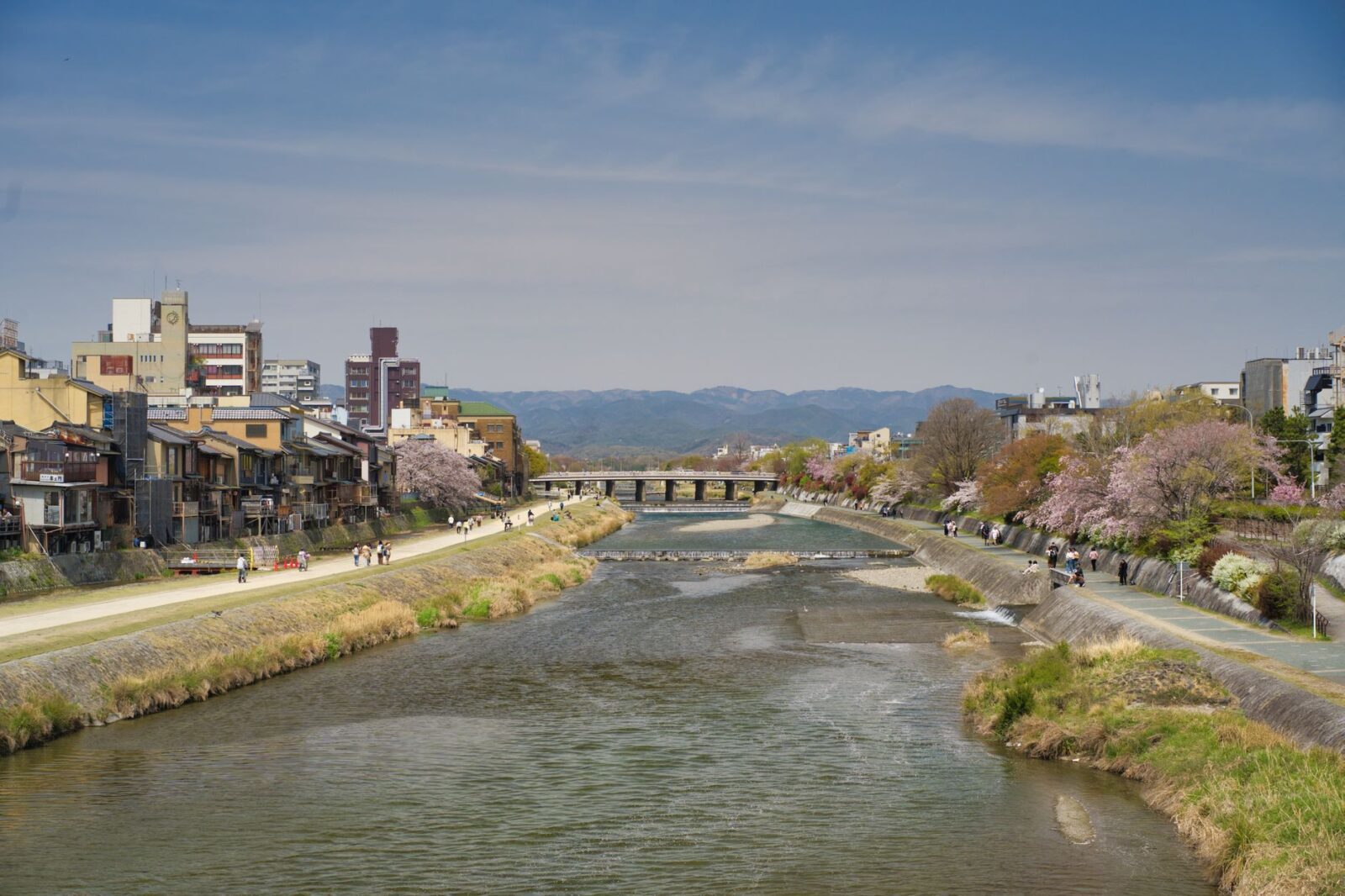
Cherry Blossom Magic in Kyoto, Japan
Kyoto’s cherry blossoms, known locally as sakura, typically reach full bloom between late March and early April 2026, depending on weather patterns. The Philosopher’s Path, Maruyama Park, and the grounds of Kiyomizu‑dera Temple are among the most celebrated viewing spots, where visitors can enjoy hanami (flower‑watching) picnics under a canopy of pale pink petals.
Accommodation prices in central Kyoto rise during this period; a three‑star hotel averages about $180 per night, while a traditional ryokan with breakfast and dinner can run $280–$350 per night. Booking at least three months ahead is advisable, as properties fill quickly. For budget travelers, guesthouses and hostels near Kyoto Station offer dormitory beds for $25–$35 per night.
Getting around is straightforward with a one‑day bus pass for $7 or a prepaid IC card (Suica or Pasmo) that works on trains, subways, and convenience stores. Most temples and gardens charge modest entry fees—typically $3–$6—while many parks and riverbanks are free to explore. Visitors should note that Japan remains visa‑free for U.S. citizens for stays up to 90 days, though a valid passport with at least six months’ validity is required.
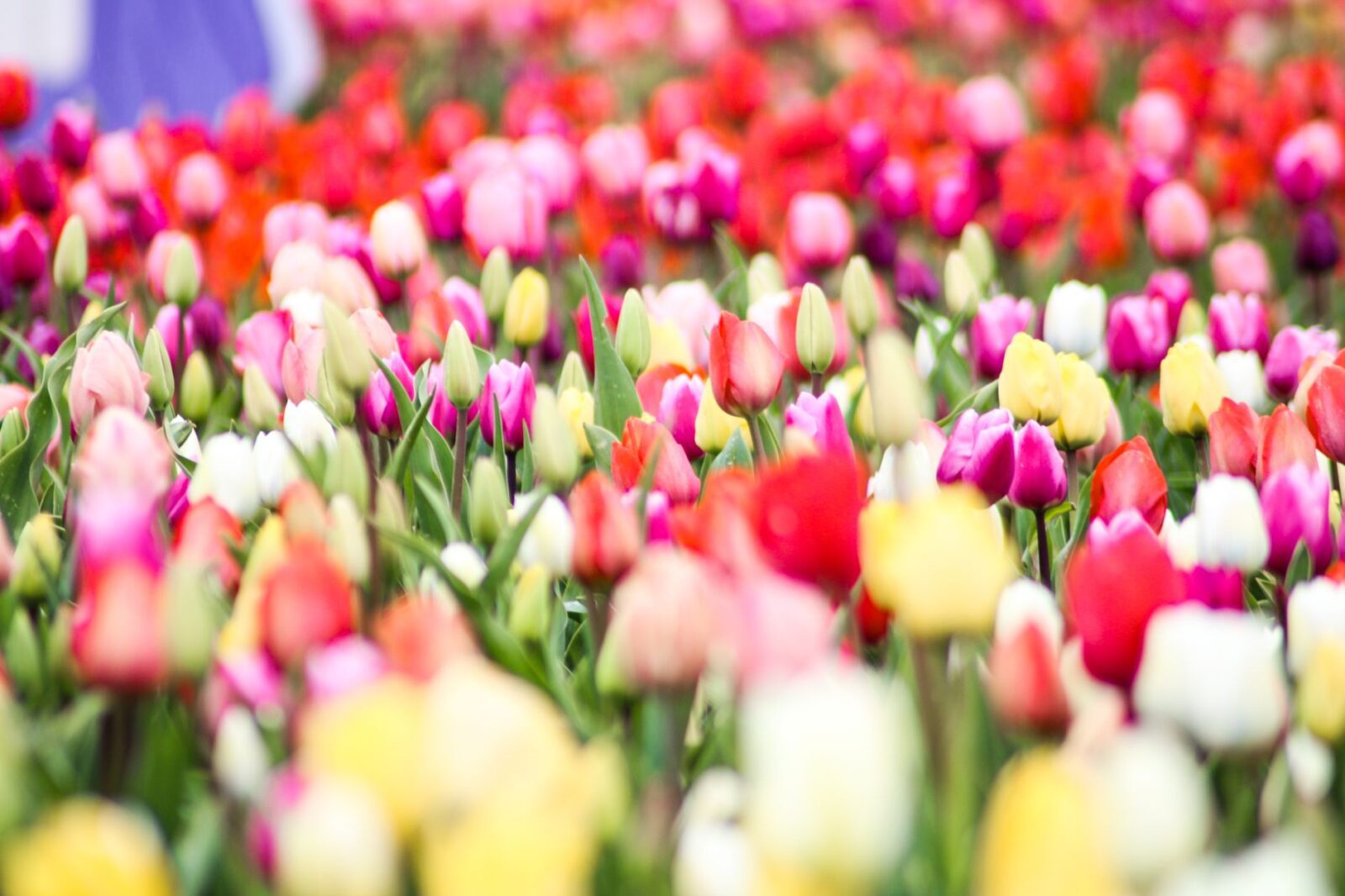
Tulip Spectacle at Keukenhof, Netherlands
Keukenhof Gardens near Lisse opens its gates each spring to showcase over seven million flowering bulbs, with the 2026 season running from March 20 to May 13. The peak tulip display usually occurs in mid‑April, when rows of red, yellow, and purple blooms create a living carpet that stretches across 32 hectares.
Admission to Keukenhof costs €19.50 (approximately $20) for adults, with discounted rates for children and seniors. Combination tickets that include round‑trip bus service from Amsterdam Central Station are available for €34 ($36). The gardens are open daily from 8:00 a.m. to 7:30 p.m., and the last entry is at 6:00 p.m.
Amsterdam itself offers a range of lodging options; a mid‑range hotel in the city center averages $150 per night in April, while boutique canalside hotels may reach $220. For those seeking a quieter base, towns like Haarlem or Leiden provide comfortable rooms for $110–$130 per night and easy train access to Keukenhof (about 20 minutes). U.S. travelers to the Schengen Area will need an approved ETIAS travel authorization starting in 2024, which costs €7 and is valid for three years or until passport expiry.
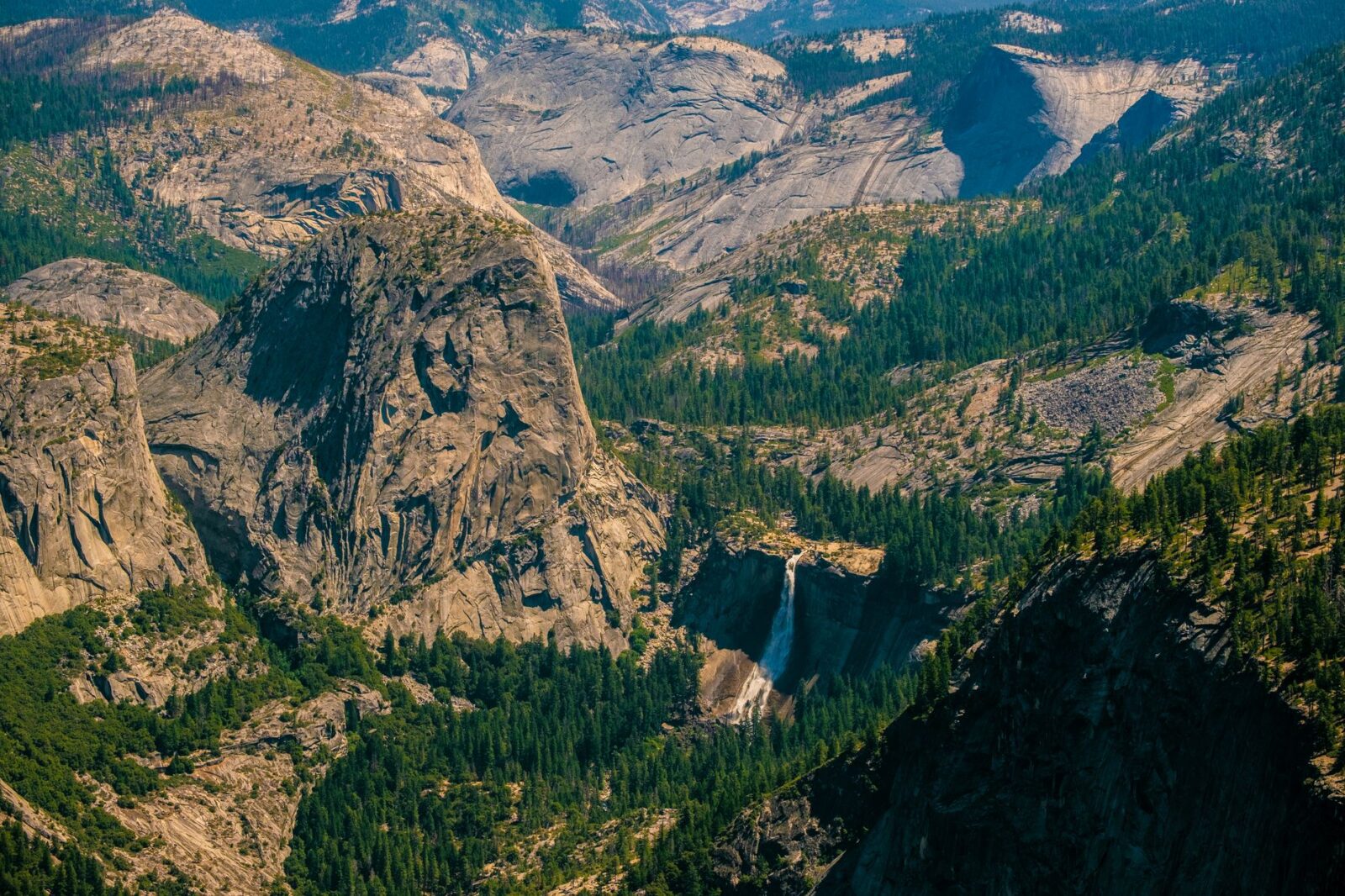
Waterfall Wonder in Yosemite National Park, USA
Yosemite’s waterfalls are at their most powerful in late spring, as snowmelt from the Sierra Nevada feeds cascades like Yosemite Falls, Bridalveil Fall, and Vernal Fall. Peak flow typically occurs in May, offering thunderous views and mist‑filled valleys that attract hikers and photographers alike.
Entrance to the park costs $35 per vehicle (valid for seven days) or $20 per person for those entering on foot, bicycle, or motorcycle. The America the Beautiful annual pass ($80) also grants access. Inside the park, lodging ranges from the historic Ahwahnee Hotel at roughly $550 per night to more modest options like Curry Village tents at $120 per night. Camping sites are $26 per night for a standard spot, but reservations open five months in advance and fill quickly.
Visitors should prepare for variable weather: daytime temperatures in Yosemite Valley average 60–70 °F (15–21 °C) in May, while evenings can drop to the 30s °F (‑1 to 4 °C). Layered clothing, sturdy hiking boots, and plenty of water are essential. U.S. citizens do not need a visa for domestic travel, but a valid ID is required for park entry and hotel check‑in.
Mediterranean Bliss: Santorini, Greece
Santorini’s iconic white‑washed cliffs and blue‑domed churches shine brightest in spring, before the summer tourist surge. April and early May offer average highs of 68–75 °F (20–24 °C), perfect for exploring the caldera rim, sampling fresh seafood, and enjoying sunset views from Oia without the heavy crowds.
Accommodation reflects the shoulder‑season sweet spot: a comfortable hotel room with caldera view averages $250 per night, while a traditional cave house in Fira or Imerovigli can be found for $180–$220. Budget travelers often choose guesthouses in Kamari or Perissa, where rooms start at $90 per night. Ferries from Athens (Piraeus) to Santorini run multiple times daily, with economy fares around $45–$60 each way.
Entry to Greece for U.S. citizens remains visa‑free for stays up to 90 days within the Schengen Area, pending the upcoming ETIAS requirement (expected to be fully operational by late 2026). Travelers should ensure their passport is valid for at least three months beyond the planned departure date. No vaccinations are required for entry, but routine shots should be up to date.
Budget‑Friendly Coastal Charm: Algarve, Portugal
The Algarve region of southern Portugal offers golden beaches, dramatic limestone cliffs, and charming fishing villages at a fraction of the cost of more famous Mediterranean hotspots. Spring temperatures hover between 62 and 70 °F (17–21 °C), making it ideal for coastal walks, golf, and sampling fresh sardines at seaside tavernas.
A three‑star hotel in towns like Lagos or Albufeira averages $120 per night in April, while a two‑star pension or hostel can be found for $45–$60. Dining is notably affordable: a plate of grilled fish with potatoes and salad typically costs $12–$15, and a glass of local vinho verde is around $3. Car rentals start at $30 per day, providing flexibility to explore hidden coves such as Praia da Marinha and Benagil Cave.
Portugal is part of the Schengen Zone, so U.S. visitors will need an approved ETIAS authorization (€7) for stays up to 90 days. The application process is online and usually takes minutes. No visa is required for short tourist visits, and the euro is the official currency, widely accepted via credit cards.
Planning Checklist: How to Book Your Spring Trip
Turning spring dreams into reality requires a few practical steps. Start by setting a travel window: most destinations peak between mid‑March and late‑May, but exact timing varies—cherry blossoms in Kyoto, for example, are fleeting, while tulips at Keukenhof last about eight weeks. Use a spreadsheet or travel‑app to compare flight prices, hotel rates, and local event calendars.
Next, lock in accommodations as soon as you have dates. For high‑demand events like sakura season, aim to book at least 90 days in advance; for tulip fields, 60 days is usually sufficient. Consider refundable rates if your plans might shift, especially given occasional weather‑related changes in bloom timing.
Finally, arrange entry requirements well ahead of departure. For Europe, apply for ETIAS through the official EU website (https://etias.eu) at least a week before travel; the fee is €7 and approval is typically instant. For Japan, ensure your passport has at least six months’ validity and consider purchasing a Japan Rail Pass if you plan multiple train journeys. Keep digital copies of all documents, and check your travel insurance covers medical emergencies and trip cancellations.
Frequently Asked Questions
- When is the best time to see cherry blossoms in Kyoto in 2026?
The sakura forecast for 2026 predicts full bloom between March 28 and April 5, depending on temperature trends. To maximize your chances, plan to arrive in Kyoto by March 25 and stay through April 8. Monitoring the Japan Meteorological Corporation’s weekly bloom updates in the weeks before your trip can help you adjust plans if an early or late spring shifts the peak.
- How much should I budget for a week‑long tulip trip to the Netherlands?
A moderate budget for seven days includes: round‑trip flight from the U.S. East Coast to Amsterdam (~$900), accommodation ($150/night × 6 nights = $900), Keukenhof admission with transport ($36), meals ($40/day × 7 = $280), local transit and miscellaneous ($15/day × 7 = $105). Total approximate cost: $2,621. Luxury travelers can add $500–$800 for higher‑end hotels and dining, while backpackers can reduce lodging to $40/night and cut the total to around $1,800.
- Do I need a visa to visit Yosemite National Park as an international visitor?
Yosemite is located in the United States, so entry follows U.S. immigration rules. Citizens of Visa Waiver Program countries (including the UK, Japan, Australia, and many EU nations) can travel for tourism up to 90 days with an approved ESTA ($21). Travelers from other countries must apply for a B‑2 tourist visa at a U.S. embassy or consulate. Once admitted, no additional permit is required to enter the park beyond the standard entrance fee.
- Is Santorini safe for solo female travelers in spring?
Santorini is generally considered safe for solo female travelers, with low violent crime rates and a welcoming tourism infrastructure. Standard precautions apply: keep valuables secure, avoid walking alone on poorly lit paths after midnight, and use licensed taxis or reputable ride‑share apps. Many hostels and hotels offer female‑only dorms or floors, and the local police are accustomed to assisting tourists.
- What packing essentials are unique to a spring Algarve trip?
Beyond the usual swimwear and sunscreen, bring a light windbreaker or fleece for breezy evenings, comfortable walking shoes for cobblestone village streets, and a hat or cap for sun protection during midday hikes. A reusable water bottle is handy, as many cafes offer free refills. If you plan to explore coastal trails, consider packing a small first‑aid kit and a portable charger for your phone.
Stay informed with the latest travel news, visa updates, and destination guides. Follow HimalayanCrest.com for weekly travel intelligence delivered by our editorial team.