

Boeing Training Campus Celebrates Two Decades of Aviation Excellence
On September 26, 2026, Boeing’s Singapore Training Campus commemorated 20 years of operation, a milestone that underscores the city‑state’s growing influence in global aviation education. The facility, located near Changi Airport, has trained thousands of pilots and aviation professionals using advanced flight simulators, digital learning platforms and immersive technologies. Over the past two decades, the campus has expanded from a modest training site to one of Asia’s most important centres for pilot skill development and safety‑focused learning. Its anniversary was marked by a ceremony attended by pioneer employees, current staff, invited guests and representatives from the Civil Aviation Authority of Singapore. This long‑term presence reinforces Singapore’s reputation as a hub where aviation expertise meets world‑class tourism infrastructure.
How the Campus Strengthens Singapore’s Aviation and Tourism Appeal
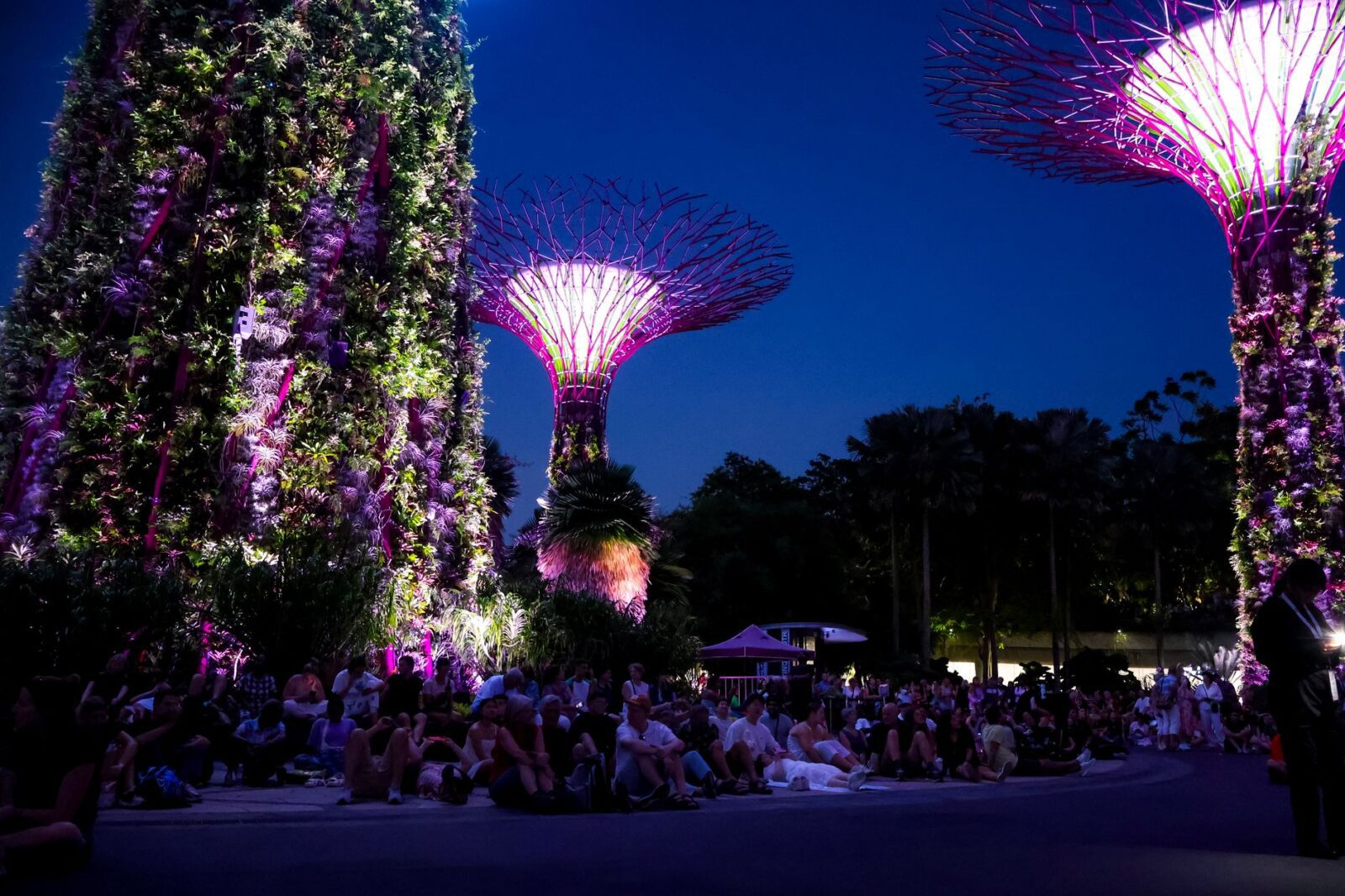
The Boeing Training Campus does more than teach pilots; it feeds directly into Singapore’s broader aviation ecosystem, which in turn supports the tourism sector. As airlines expand fleets and increase flight frequencies, the demand for qualified crew rises, and Singapore’s ability to supply that talent makes it an attractive base for carriers. The campus also hosts professional events, workshops and international collaborations that draw business travelers to the city‑state. These aviation‑related gatherings often extend stays, prompting participants to explore Singapore’s attractions such as Gardens by the Bay, Marina Bay Sands and the historic districts of Chinatown and Little India. Consequently, the training campus acts as a quiet catalyst that boosts both business and leisure arrivals.
Global Travel Trends: Aviation Training as a Tourism Driver
Around the world, destinations that invest in specialized aviation training are seeing ancillary benefits for tourism. In the Middle East, Qatar’s Doha Flight Academy has spurred increased business travel linked to aviation conferences. In Europe, Germany’s Lufthansa Aviation Training centre attracts pilots from across the continent, filling hotels in Frankfurt during training weeks. Singapore’s approach mirrors these models but adds a distinct advantage: its seamless integration with a top‑ranked airport, efficient public transport and a reputation for safety and cleanliness. According to the Singapore Tourism Board, international visitor arrivals reached 16.9 million in 2025, a figure supported by strong aviation connectivity and niche sectors like MICE (meetings, incentives, conferences and exhibitions). The Boeing campus contributes to that MICE pipeline by providing venues for technical seminars and regulator meetings.

What Travelers Can Expect When Visiting Singapore Today
For leisure travelers, the presence of a world‑class aviation training facility translates into smoother flight operations, more reliable on‑time performance and a higher likelihood of encountering modern aircraft on routes to and from Singapore. Changi Airport, consistently rated among the world’s best, benefits from the steady pipeline of skilled crew and maintenance personnel nurtured at the Boeing campus. Travelers may also notice increased frequencies on popular corridors such as Singapore‑London, Singapore‑Sydney and Singapore‑New York, as airlines confidence grows in the availability of qualified staff. Additionally, aviation enthusiasts can plan visits to the Singapore Airshow, held biennially at Changi Exhibition Centre, where the Boeing campus often showcases its latest training technologies alongside static aircraft displays.
Practical Tips for Aviation‑Focused Travelers
If your trip includes a passion for aviation, consider timing your visit around the Singapore Airshow (next edition scheduled for February 2028) or arranging a guided tour of the Boeing Training Campus through approved aviation education partners. While the campus itself is not generally open to the public, special open‑house events are occasionally held for students and industry groups; checking the Civil Aviation Authority of Singapore’s website for announcements is recommended. For those interested in flight simulation experiences, several public venues in Singapore offer Boeing‑type simulator sessions, such as the Flight Experience Singapore at Sentosa, which charges approximately USD 150 for a 60‑minute session. Combining a simulator ride with a visit to the nearby Maritime Experiential Museum makes for a full day of thematic exploration.
Cost Implications and Budget Adjustments for Upcoming Trips
Singapore remains a premium destination, but strategic planning can keep expenses manageable. Average hotel rates in the city centre range from USD 180 to USD 250 per night for mid‑range properties, while luxury hotels exceed USD 400. Budget travelers can find hostels or guesthouses in districts like Kampong Glam for USD 30‑50 per night. Dining costs vary: a meal at a hawker centre costs roughly USD 3‑5, whereas a restaurant meal averages USD 15‑25. Transportation is efficient and affordable; an EZ‑Link card provides unlimited MRT and bus rides for about USD 12 per day. For aviation‑related activities, budget USD 150‑200 for a simulator session and USD 30‑50 for entry to the Singapore Airshow (if attending). Overall, a moderate five‑day trip excluding international flights can be planned for approximately USD 900‑1,200, depending on accommodation choices and activity selections.
Looking Ahead: The Next Decade of Aviation Growth in Singapore
Industry analysts anticipate that the Boeing Training Campus will continue to expand its capabilities, incorporating emerging technologies such as electric propulsion training and artificial‑intelligence‑driven scenario analysis. Singapore’s government, through the Civil Aviation Authority of Singapore, has signaled support for further investment in aviation infrastructure, including a planned third runway at Changi Airport slated for completion in the early 2030s. These developments are expected to sustain the city‑state’s status as a preferred training base for airlines across Asia‑Pacific, thereby maintaining a steady flow of aviation‑related business travelers. For leisure tourists, the ripple effect means continued access to new flight routes, improved on‑time performance and a vibrant calendar of aviation‑themed events that enrich the travel experience.
Frequently Asked Questions
Is the Boeing Training Campus open to the general public for tours?
The Boeing Training Campus primarily serves airline personnel and aviation students; regular public tours are not offered. However, the campus occasionally hosts open‑house events, career fairs and educational outreach programs announced via the Civil Aviation Authority of Singapore’s website or Boeing’s Singapore newsroom. Interested visitors should monitor those channels for announcements, especially around major aviation milestones or the Singapore Airshow.
How does the Boeing campus affect flight prices to and from Singapore?
While the campus itself does not directly set ticket prices, its role in supplying skilled pilots and crew helps airlines maintain operational reliability and schedule consistency. Reliable operations can reduce costly delays and cancellations, which in turn supports competitive pricing. Travelers may notice more stable fares on popular routes, particularly when airlines expand capacity knowing they have a dependable source of trained personnel nearby.
What are the best aviation‑related attractions in Singapore for families?
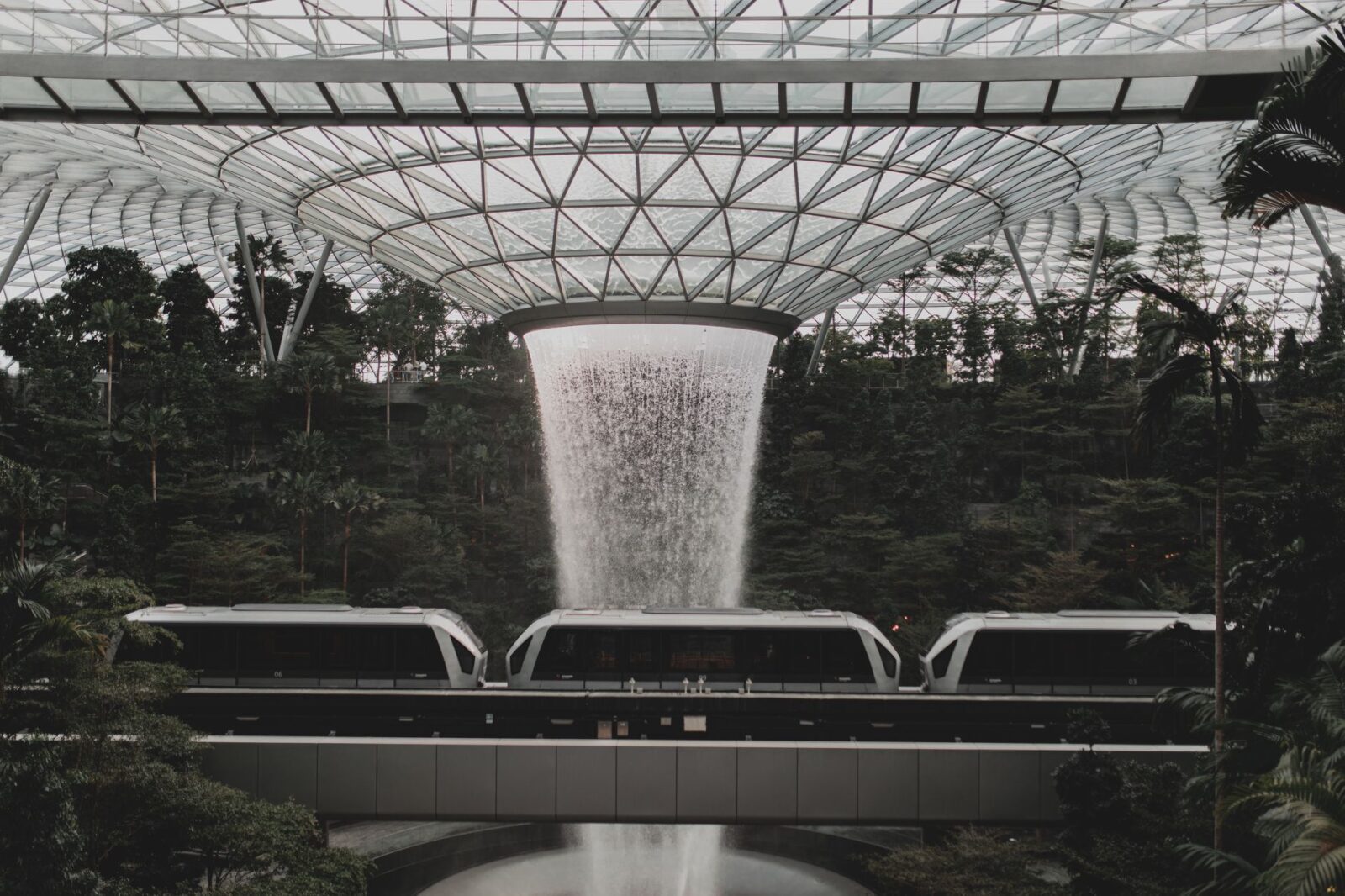
Families enjoy the Flight Experience Singapore simulator at Sentosa, the Singapore Aviation Academy’s public exhibitions (held periodically), and the outdoor aircraft displays at Changi Airport’s Terminal 3, which include a retired Boeing 747 fuselage. The Singapore Airshow, when in season, offers static aircraft displays, aerial demonstrations and interactive zones suitable for all ages. Combining these with the airport’s Jewel complex, featuring the Rain Vortex and Canopy Park, creates an engaging aviation‑themed itinerary.
Should I adjust my travel budget if I plan to attend the Singapore Airshow?
Yes. Attending the Airshow typically requires purchasing a ticket, which ranges from USD 30 for a single‑day pass to USD 80 for a multi‑day pass, depending on access level. Additionally, accommodation prices near the Changi Exhibition Centre may rise during the event period, so booking hotels several months in advance is advisable. Allocating an extra USD 100‑150 per day for lodging, meals and local transport during the show week will help ensure a comfortable experience.
How can I stay updated on aviation training events and public openings in Singapore?
Follow the Civil Aviation Authority of Singapore (CAAS) on their official website and social media channels for announcements about seminars, workshops and open‑house events. Boeing Singapore also posts updates on its LinkedIn page and press release portal. Subscribing to newsletters from the Singapore Tourism Board and industry groups such as the Asian Business Aviation Association will provide timely insights into upcoming aviation‑related activities that welcome visitors or observers.
Stay informed with the latest travel news, visa updates, and destination guides. Follow HimalayanCrest.com for weekly travel intelligence delivered by our editorial team.