

Stepping into a Himalayan Dream
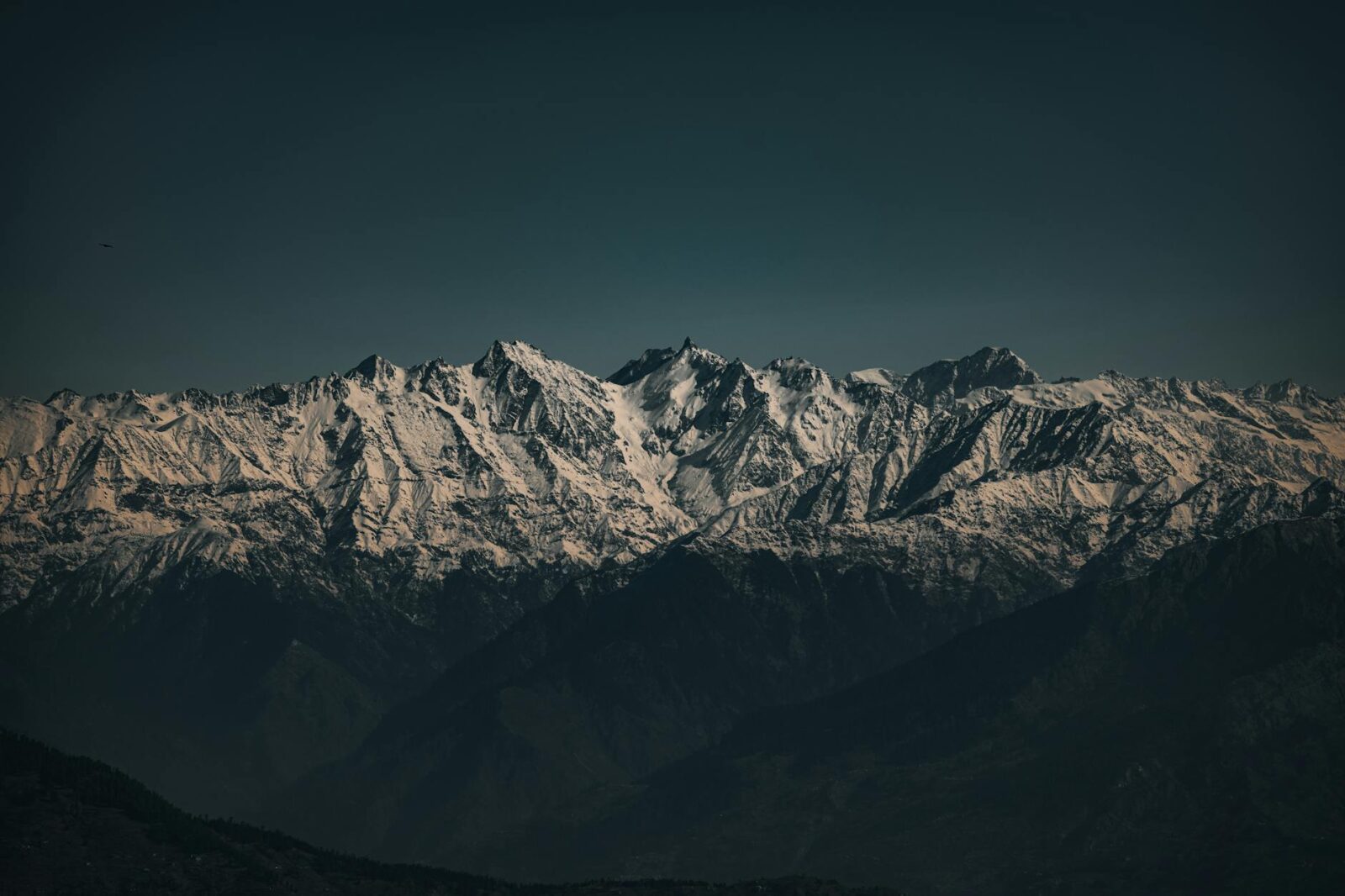
As you ascend the winding trails towards Everest Base Camp, the rhythmic clang of a distant monastery bell accompanies your journey. Above, the towering peaks of the Himalayas stand sentinel, their snow-capped summits piercing the azure sky. This iconic trek is more than a physical challenge; it’s a spiritual journey through landscapes that have inspired adventurers for generations.
Understanding the Everest Base Camp Trek Route
The Everest Base Camp (EBC) trek is a 12 to 14-day adventure that covers approximately 80 miles round trip. Starting at the Lukla airstrip, the trail weaves through the Khumbu region of Nepal, reaching a maximum altitude of 5,364 meters (17,598 feet) at the base camp. This trek is classified as moderate to challenging, demanding a good level of physical fitness due to the altitude and rugged terrain.
Day-by-Day Trekking Itinerary
Day 1: Lukla to Phakding (8 km, 3-4 hours) – The journey begins with a scenic flight from Kathmandu to Lukla. From Lukla, a gentle descent through the Dudh Kosi Valley leads to Phakding, at 2,610 meters.
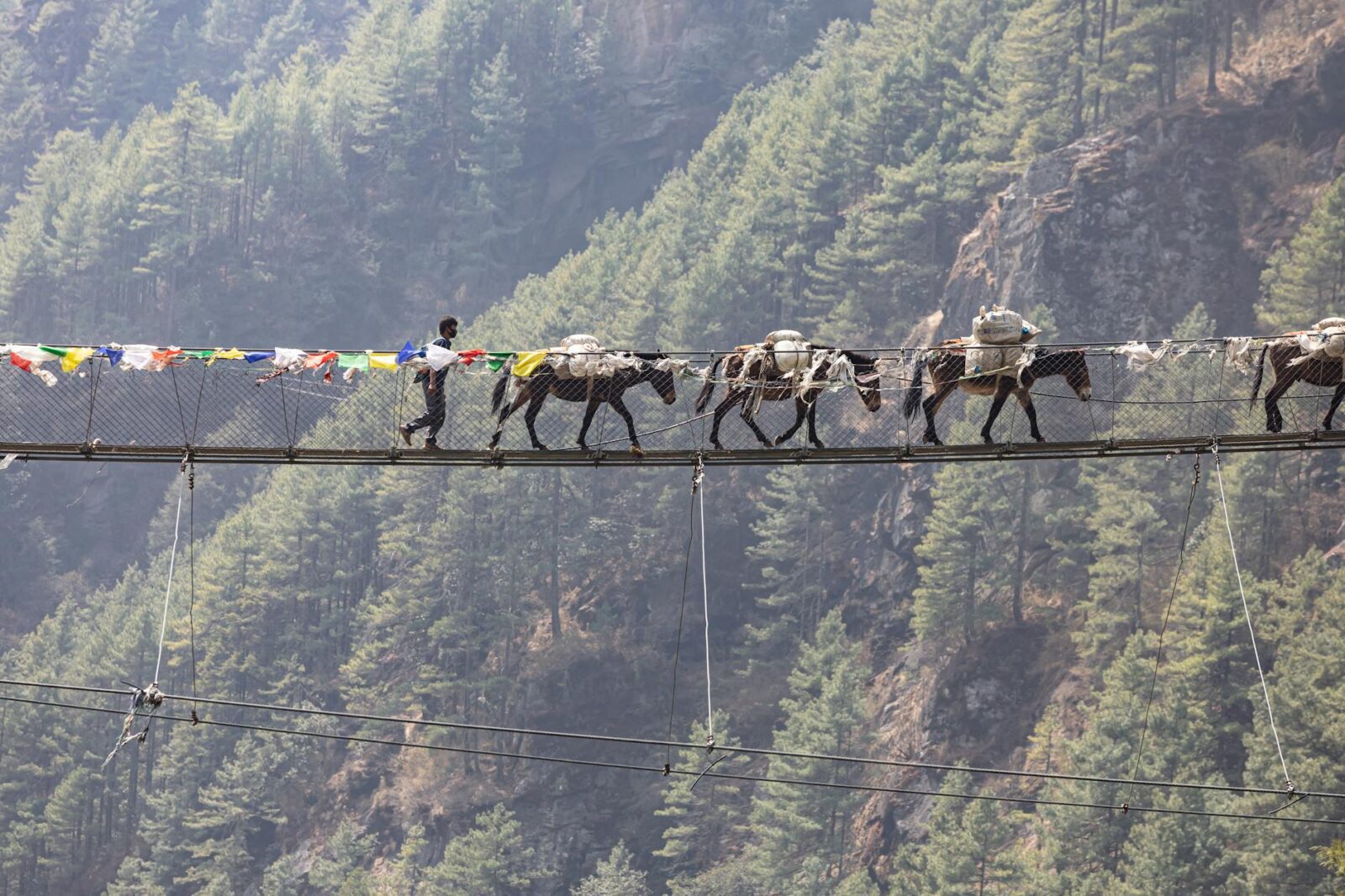
Day 2: Phakding to Namche Bazaar (11 km, 5-6 hours) – The trail continues along the Dudh Kosi River, with multiple crossings over suspension bridges, culminating in the bustling Sherpa town of Namche Bazaar at 3,440 meters.
Day 3: Acclimatization Day at Namche Bazaar – This rest day helps trekkers adjust to the altitude. Optional hikes to the nearby villages of Khunde and Khumjung offer spectacular views of Everest.
Day 4: Namche Bazaar to Tengboche (10 km, 5-6 hours) – The trek resumes with a path through lush forests, reaching the spiritual heart of the region, Tengboche Monastery, at 3,867 meters.
Day 5: Tengboche to Dingboche (9 km, 5-6 hours) – Journeying past rhododendron forests and crossing the Imja Khola, trekkers arrive at Dingboche, the ‘summer valley’ at 4,410 meters.
Day 6: Acclimatization Day at Dingboche – Another rest day with the option to climb the nearby Nangkar Tshang peak for panoramic views.
Day 7: Dingboche to Lobuche (7 km, 5-6 hours) – The trail gradually ascends past the memorial site of fallen climbers, reaching Lobuche at 4,940 meters.
Day 8: Lobuche to Gorak Shep and Everest Base Camp (15 km, 7-8 hours) – A challenging day that includes a trek to Gorak Shep and then onwards to the majestic Everest Base Camp at 5,364 meters.
Day 9: Gorak Shep to Kala Patthar and Pheriche (13 km, 6-7 hours) – An early morning ascent to Kala Patthar provides unparalleled sunrise views of Everest, before descending to Pheriche.
Day 10-12: Return Journey to Lukla – The descent follows the same route, offering a different perspective on the landscape.
Choosing the Best Season to Trek
Spring (March to May) – Known for blooming rhododendrons and mild weather, spring offers clear skies and pleasant temperatures. However, it can be crowded.
Autumn (September to November) – Offers stable weather and stunning views, making it the most popular season. The trails can be busy, but the conditions are ideal.
Winter (December to February) – The trails are quieter, but trekkers must be prepared for extreme cold and possible snow, which can make paths treacherous.
Monsoon (June to August) – While the landscapes are lush, heavy rains can cause landslides and leeches, making trekking challenging and less enjoyable.
Essential Permits and Costs
Trekking in the Everest region requires two main permits: the Trekkers’ Information Management System (TIMS) card and the Sagarmatha National Park Entry Permit. The TIMS card costs USD 20, while the national park permit is approximately USD 30. These permits are available in Kathmandu or at the park entrance in Monjo.
What to Pack for the Trek
- Clothing: Layered clothing, including a down jacket, thermal base layers, and waterproof outerwear.
- Footwear: Sturdy trekking boots with good ankle support.
- Accessories: Hat, gloves, sunglasses, and a buff for wind protection.
- Equipment: Trekking poles, headlamp, water purification tablets, and a first-aid kit.
Accommodation and Teahouse Tips
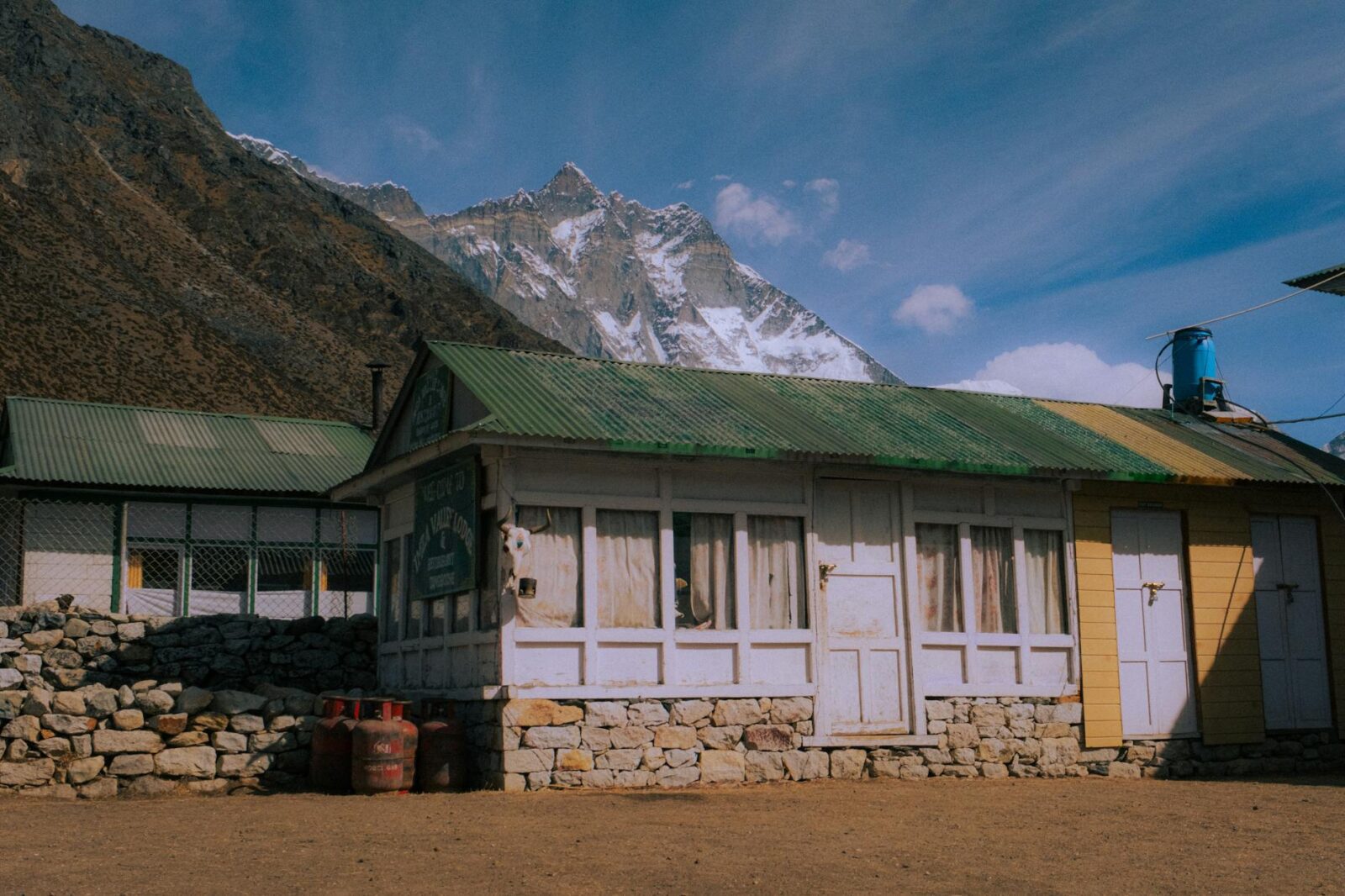
Teahouses, local lodges along the trek, offer basic accommodation and meals. Prices range from USD 5 to USD 10 per night, with meals costing an additional USD 10 to USD 20 daily. Hiring a guide or porter can enhance your experience and costs around USD 20 to USD 30 per day. Tipping is customary, with USD 5 to USD 10 per day being appreciated.
Health and Safety on the Trail
Altitude sickness is a real concern on the EBC trek. To prevent it, ascend slowly, stay hydrated, and consider taking Diamox. Ensure you have comprehensive travel insurance that covers high-altitude trekking and helicopter evacuation if necessary.
Respecting Local Culture and Environment
Visitors are encouraged to show respect by removing shoes before entering homes or monasteries. Embrace sustainable trekking practices by using refillable water bottles and minimizing waste. Remember, the Himalayas are as much a cultural heritage as a natural wonder.
Frequently Asked Questions
Do I need a guide for the Everest Base Camp trek?
While not mandatory, hiring a guide is highly recommended for safety, local insights, and navigation assistance.
What is the average cost of the EBC trek?
The trek can cost between USD 1,200 and USD 4,000, depending on the level of comfort and services chosen.
Is it possible to trek during the monsoon season?
Yes, but it is challenging due to heavy rains and leeches. Many trekkers prefer the spring and autumn seasons for better weather.
How fit do I need to be for the trek?
A good level of fitness is required. Regular cardiovascular exercises and hill walking are recommended as preparation.
Are there ATM facilities along the trek?
ATMs are scarce beyond Namche Bazaar, so it’s best to carry sufficient cash in Nepalese rupees for your expenses.
Stay informed with the latest travel news, visa updates, and destination guides. Follow HimalayanCrest.com for weekly travel intelligence delivered by our editorial team.