

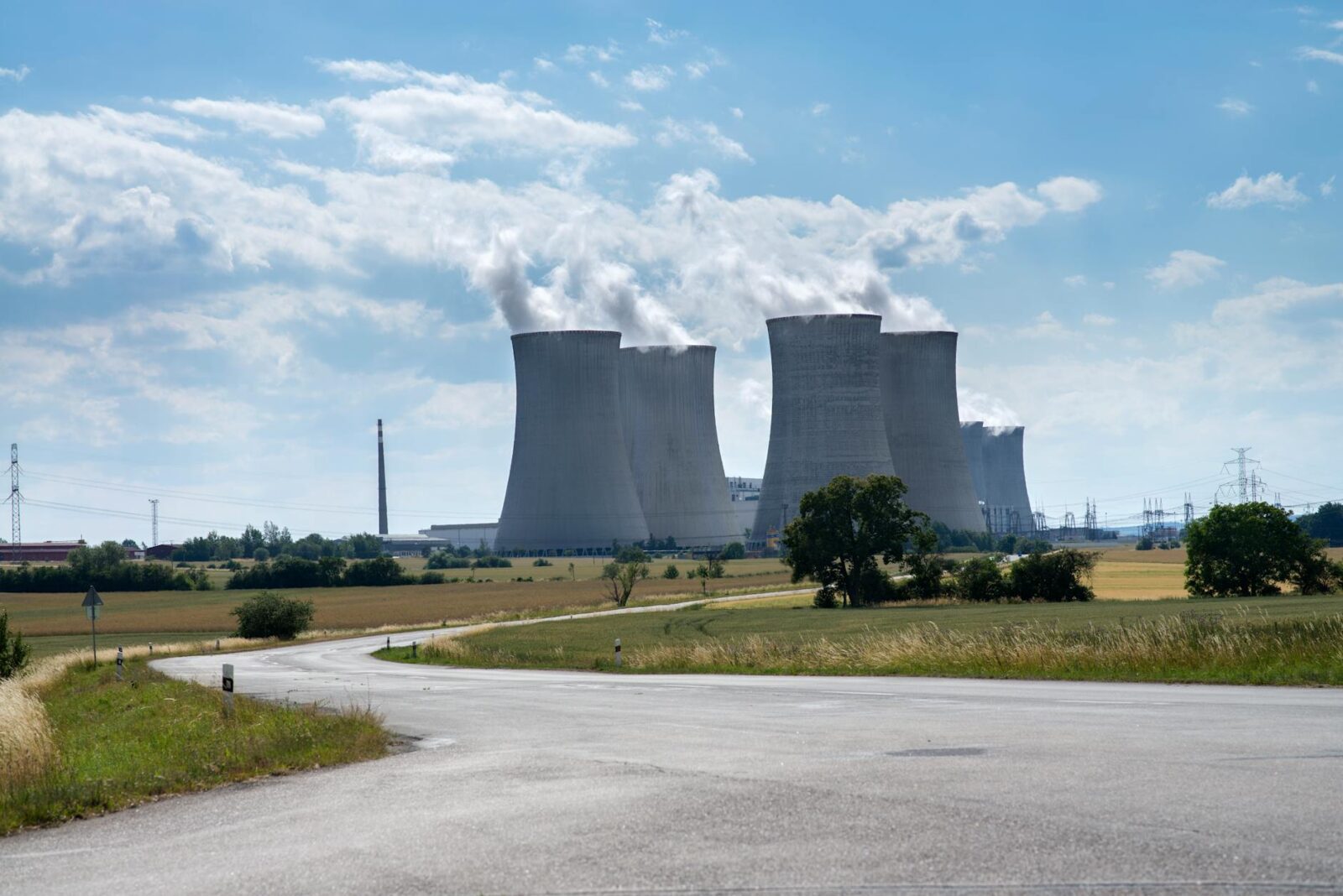
A New Chapter for Trawsfynydd: Decommissioning Success
In a historic achievement, the Trawsfynydd nuclear power station in Wales has reached a significant decommissioning milestone, marking the conclusion of a two-decade-long program aimed at managing and storing radioactive waste safely. Built in the early 1960s, Trawsfynydd was the only inland nuclear power station in the UK, providing electricity for nearly 30 years before ceasing operations. Since then, the focus has been on the safe dismantling and management of its legacy waste.
The 20-Year Decommissioning Journey
The decommissioning program, which began shortly after the station’s closure, involved meticulous planning and execution to safely handle intermediate-level waste. This category of waste, while not as hazardous as high-level waste, required careful management to prevent environmental contamination. Over the years, approximately 2,300 individual waste packages have been processed and stored securely, eliminating significant hazards from the site.
Impact on Local and Global Communities
The completion of this phase marks a pivotal moment not only for the local community but also for global nuclear decommissioning efforts. The Trawsfynydd project serves as a model for other decommissioning projects worldwide, showcasing the effectiveness of sustained commitment and innovation in handling nuclear waste. This success could influence decommissioning strategies in countries with aging nuclear infrastructure.
What This Means for Travelers and Investors
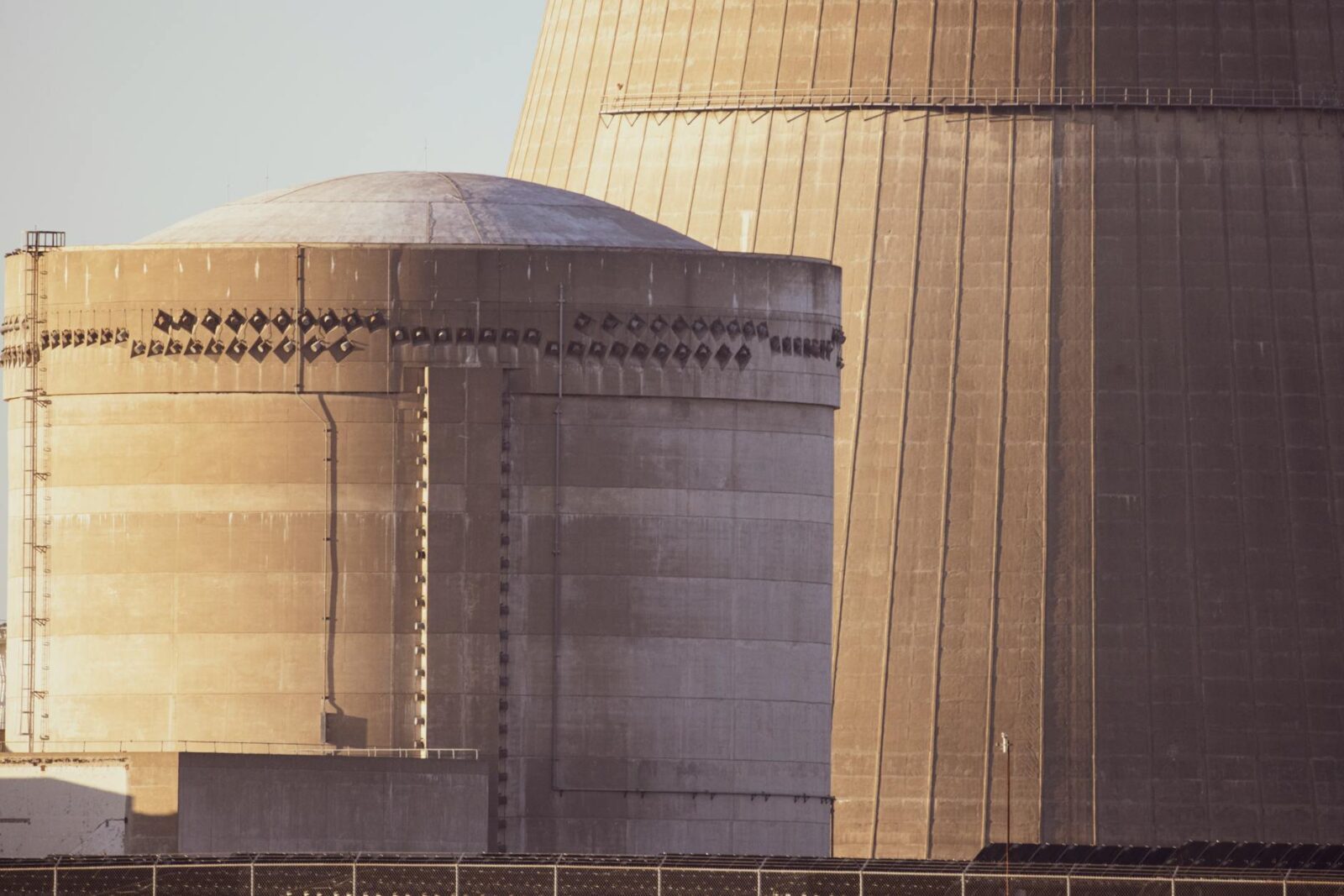
For those interested in the future of nuclear power and environmental restoration, Trawsfynydd’s decommissioning offers a case study in effective waste management and site rehabilitation. Investors, particularly those focusing on clean energy and environmental restoration, may find new opportunities as the site transitions into its next phase, potentially involving redevelopment for clean energy projects.
Comparing Global Decommissioning Efforts
Globally, the approach to nuclear decommissioning varies. Countries like Germany and Japan are also actively decommissioning their nuclear sites, each with unique challenges and strategies. Germany, for instance, plans to phase out nuclear power entirely, focusing heavily on renewable energy sources. Japan, still recovering from the Fukushima disaster, places a strong emphasis on safety and environmental protection in its decommissioning efforts.
Future Prospects for Trawsfynydd
With the reduction of reactor heights at Trawsfynydd, the landscape will undergo its most significant change in decades. This transformation paves the way for potential redevelopment projects, possibly involving new energy technologies such as small modular reactors (SMRs) or renewable energy installations. Such developments could revitalize the local economy and contribute to broader sustainability goals.
Guidance for Affected Travelers and Stakeholders
While the decommissioning does not directly impact visa or immigration policies, travelers and stakeholders interested in the site should keep abreast of developments through official channels. The UK government provides updates and guidance on nuclear decommissioning projects via their official website, ensuring stakeholders have access to the latest information.
FAQs About Trawsfynydd’s Decommissioning
What exactly was achieved at Trawsfynydd?
The completion of the Higher Activity Waste (HAW) program, which safely managed intermediate-level radioactive waste, marks the milestone.
How does Trawsfynydd’s decommissioning impact the local community?
The successful decommissioning reduces environmental risks and opens opportunities for redevelopment and economic revitalization.
Are there similar projects in other countries?
Yes, countries like Germany and Japan are also decommissioning nuclear sites with varying approaches to safety and environmental management.
What future developments are planned for Trawsfynydd?
Potential redevelopment projects could involve small modular reactors (SMRs) or renewable energy installations, contributing to sustainability goals.
How can I learn more about nuclear decommissioning in the UK?
Visit the UK government’s official website for updates and detailed information on ongoing and completed decommissioning projects.
Stay informed with the latest travel news, visa updates, and destination guides. Follow HimalayanCrest.com for weekly travel intelligence delivered by our editorial team.