


Exploring the Schengen Area on a Budget
Imagine wandering through the cobblestone streets of Prague, indulging in a delectable bowl of pierogi in Krakow, or watching the northern lights dance over the fjords of Norway—all without breaking the bank. The Schengen Area, comprising 29 European countries as of 2026, presents a plethora of affordable travel options that cater to the budget-conscious traveler. With Bulgaria and Romania now officially part of the Schengen family, the possibilities are even more expansive.
Why Budget Travel in the Schengen Area Matters
For many, Europe conjures images of luxury and high expenses. However, the Schengen Area offers some surprisingly affordable destinations. This matters because budget travel empowers a broader audience to experience diverse cultures, cuisines, and landscapes. With rising global travel costs, knowing where to stretch your dollar or euro is more critical than ever.
The Affordable Gems of the Schengen Area
The Czech Republic and Poland are standout choices for budget travelers. Prague’s stunning architecture and vibrant cultural scene can be enjoyed without hefty expenses. Similarly, Poland offers rich history and culinary delights at a fraction of the cost found in Western Europe. Both countries also boast high Schengen visa approval rates, making them accessible for travelers worldwide.
Spotlight on Portugal
Portugal, with its sun-kissed beaches and flavorful cuisine, is another budget-friendly destination. Lisbon’s charm, coupled with its affordable public transport and accommodation options, makes it a top pick for those traveling on a budget. A meal at a local tasca can cost as little as $10 USD, allowing visitors to enjoy authentic Portuguese flavors without overspending.
Understanding the Impact of ETIAS
Come late 2026, visa-exempt travelers will need to navigate the European Travel Information and Authorization System (ETIAS) when visiting the Schengen Area. While this might initially seem like an added expense, at an estimated $7 USD per application, it remains a minor cost in the broader scheme of a European adventure. Understanding this requirement is crucial for smooth travel planning.
Practical Tips for Budget Travelers
Travel experts recommend booking accommodations well in advance, especially during peak seasons, to secure the best rates. Additionally, consider traveling during the shoulder seasons—spring and fall—when prices are lower, and crowds are thinner. Utilizing budget airlines and rail passes can further reduce travel expenses across the Schengen countries.
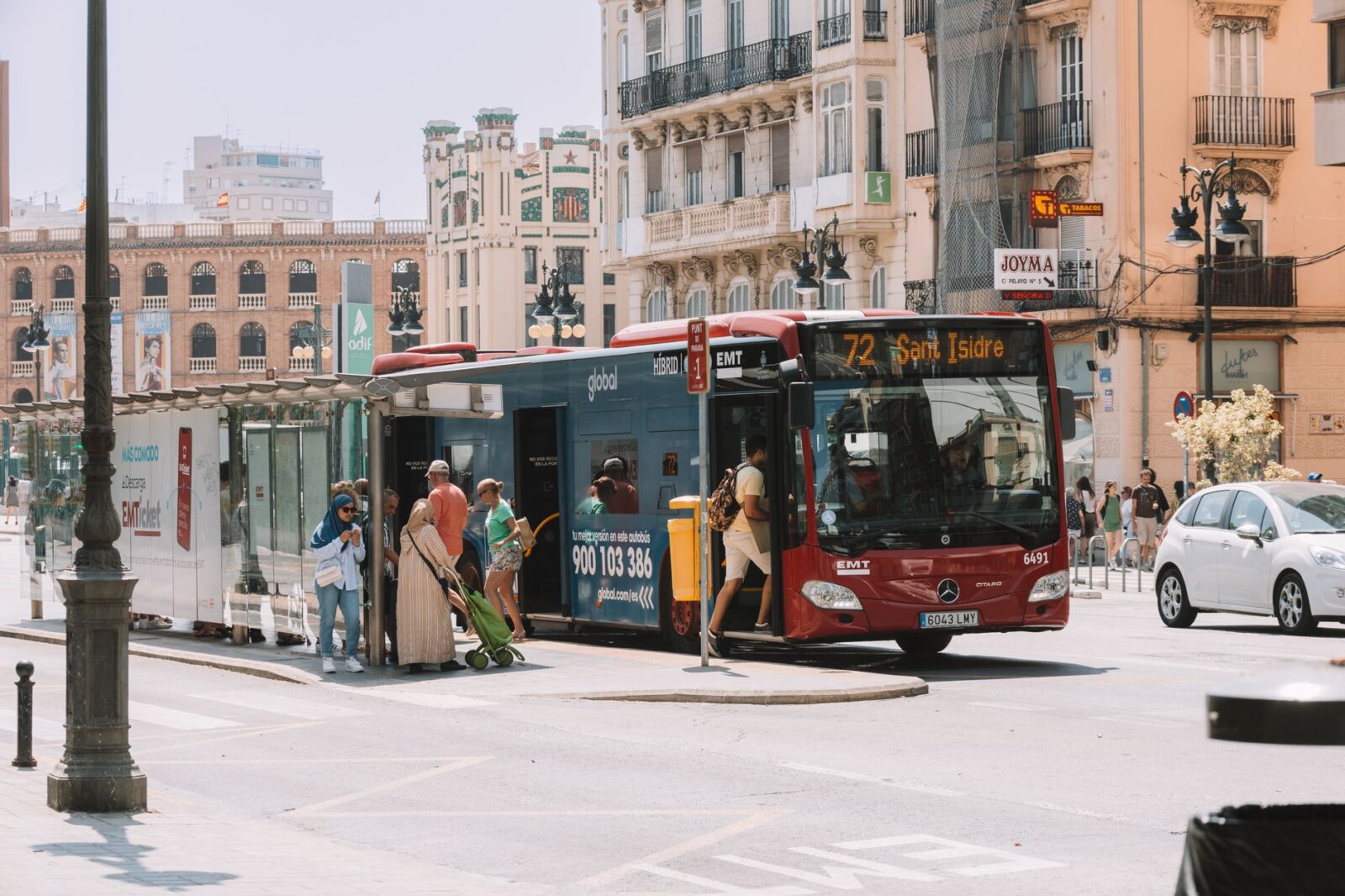
- Leverage public transportation for cost-effective city exploration.
- Seek out local markets for affordable and authentic culinary experiences.
- Consider hostels or Airbnb for cheaper accommodations.
Future Outlook: Travel Trends and Predictions
As remote work becomes more prevalent, Europe is poised to see an influx of digital nomads, drawn by its rich history and vibrant cultures. This trend could lead to more budget accommodations and coworking spaces, further enhancing the appeal of the Schengen Area for long-term, cost-conscious travelers.
Cost Implications and Budget Adjustments
While cities like Paris and Zurich are known for their high costs, savvy travelers can balance their budgets by mixing visits to these iconic locations with more affordable destinations like Budapest or Riga. A strategic mix of high and low-cost destinations can provide a well-rounded European experience without financial strain.
FAQs About Traveling the Schengen Area on a Budget
What are the cheapest Schengen countries to visit?
The Czech Republic, Poland, and Portugal are among the most affordable Schengen countries, offering low-cost accommodations, dining, and attractions.
How can I save money on transportation within the Schengen Area?
Consider budget airlines and train passes. Public transportation in cities is also a cost-effective way to explore.
What is ETIAS, and how does it affect travel?
ETIAS is a travel authorization for visa-exempt visitors to the Schengen Area, launching in late 2026. It costs approximately $7 USD and is necessary for entry.
Are there any hidden costs when traveling in the Schengen Area?
While most costs are transparent, be aware of potential fees for currency exchange and international transaction charges on credit cards.
What should I pack for a budget trip to the Schengen Area?
Pack versatile clothing suitable for various climates, a reusable water bottle, and consider digital maps to avoid data roaming charges.
In conclusion, the Schengen Area offers a wealth of opportunities for budget travelers eager to explore Europe’s rich tapestry of cultures and landscapes. With careful planning and strategic choices, a European adventure can be both affordable and unforgettable. Share your travel tips or ask questions in the comments below, and let’s inspire more people to explore Europe on a budget.
Stay informed with the latest travel news, visa updates, and destination guides. Follow HimalayanCrest.com for weekly travel intelligence delivered by our editorial team.