

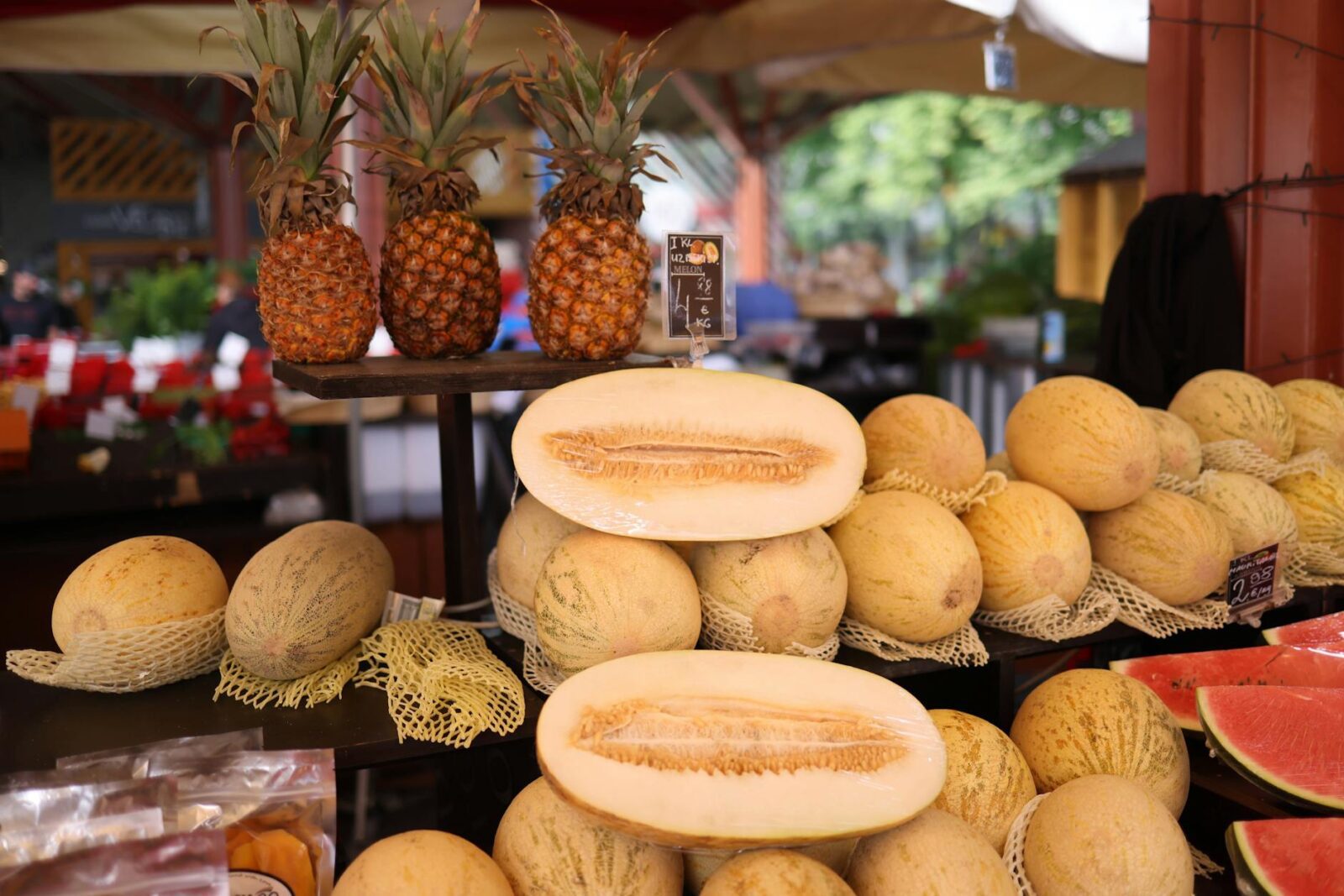
Shrimps Dancing in Your Mouth: The Drunken Shrimp
Imagine the sensation of live shrimp wriggling in your mouth. In parts of Southeast Asia, ‘drunken shrimp’ is not just a dish; it’s an experience. This dish involves live shrimp swimming in strong alcohol, which stuns them. Diners then consume the shrimp while they are still twitching, offering a burst of freshness and a unique texture. While this might seem shocking, it’s a testament to the region’s vibrant and daring culinary traditions.
The origins of drunken shrimp are rooted in traditional Chinese medicine, where consuming live seafood was believed to boost vitality. For those curious enough to try, it’s crucial to ensure the shrimp are sourced from clean waters to avoid health risks. This dish is primarily enjoyed as a delicacy in China and parts of Southeast Asia, offering an unforgettable dining adventure.
Tarantulas as a Crunchy Snack: A Cambodian Delicacy
In Cambodia, the sight of fried tarantulas being sold at street stalls might make you do a double-take. These arachnids are a popular snack, offering a crispy texture and a surprisingly savory flavor. The tradition of eating tarantulas dates back to times of food scarcity, where locals turned to alternative sources of protein.
Today, they are considered a delicacy, often seasoned with garlic and salt before being fried. For travelers, trying this dish is not just about the taste but also about embracing the adventurous spirit of Cambodian cuisine. Whether you find them appetizing or not, tarantulas represent the resilience and creativity of the Cambodian people.
The King of Fruits: Durian’s Divisive Aroma
Durian, often called the ‘king of fruits,’ is infamous for its pungent smell, which some liken to rotten onions. Despite its odor, many Southeast Asians adore this spiky fruit for its creamy, custard-like flesh. Native to the region, durian is available in markets across Thailand, Malaysia, and Indonesia.
Its strong aroma has led to it being banned in hotels and public transport in some areas, yet its fans can’t get enough of its rich, sweet taste. For the uninitiated, trying durian is an exercise in overcoming sensory challenges, but those who appreciate its flavor consider it a delicacy worth savoring.
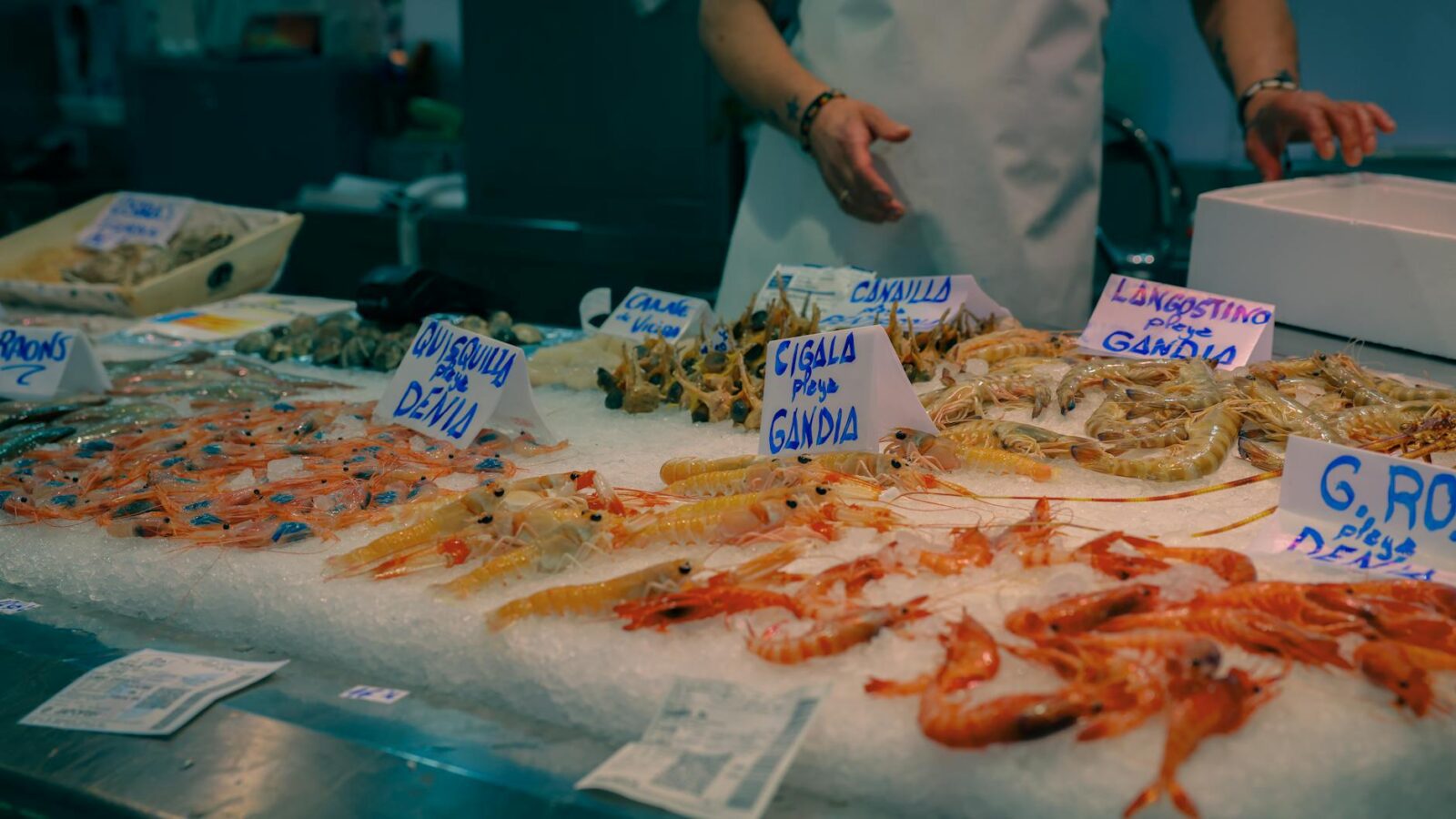
Snakefruit: A Scaly Surprise
Hailing from Indonesia, snakefruit, or salak, is named for its reddish-brown scaly skin resembling that of a snake. Inside, you’ll find a crisp, juicy fruit with a flavor that blends apple, banana, and pineapple. It’s a staple in Southeast Asian markets, celebrated for its unique taste and versatility.
Snakefruit is often eaten fresh but can also be used in salads or desserts. Its intriguing appearance and delightful taste make it a must-try for any fruit enthusiast exploring the region. The contrast between its tough exterior and sweet interior mirrors the diverse culinary landscape of Southeast Asia.
Ambuyat: The Sticky Staple of Borneo
Ambuyat, a traditional dish from Brunei and the Malaysian part of Borneo, challenges diners with its unique texture. Made from sago starch, ambuyat has a sticky, glue-like consistency and is eaten using a bamboo fork called a ‘chandas.’ It’s typically served with a variety of side dishes like fish or spicy sambals.
Historically, ambuyat became popular during wartime when rice was scarce. Today, it remains a cultural icon, representing the resourcefulness of Borneo’s people. Travelers can experience this dish at local restaurants, where it’s celebrated for its ability to bring families and communities together.
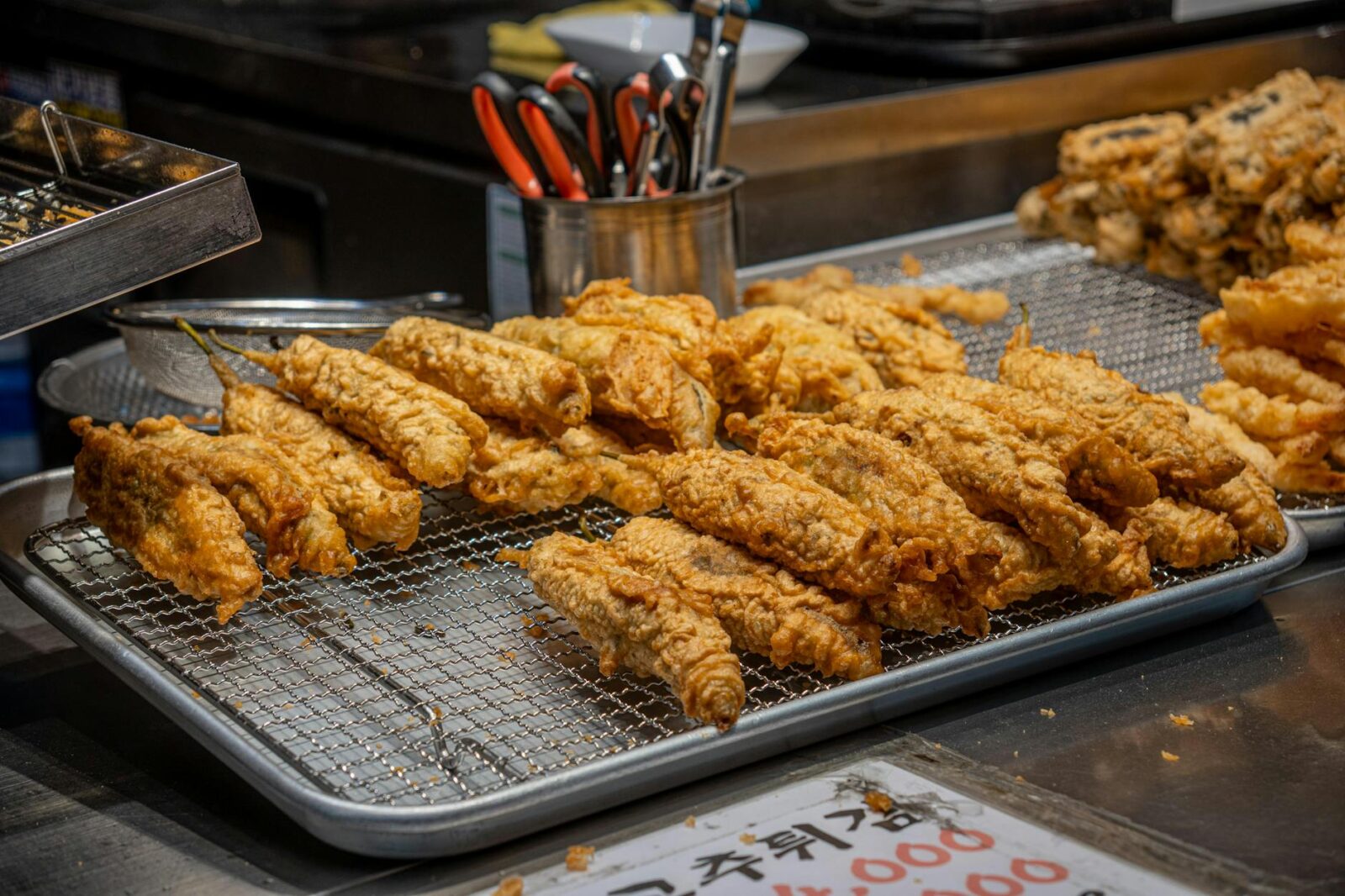
Guīlínggāo: The Herbal Dessert
Guīlínggāo, also known as turtle jelly, is a dessert that doubles as traditional Chinese medicine. Made from turtle shell powder and various herbs, it’s believed to have cooling properties that aid in detoxifying the body. This gelatinous dessert is a popular treat in parts of Southeast Asia, particularly in Malaysia and Thailand.
Despite its medicinal roots, guīlínggāo is enjoyed for its unique texture and slightly bitter taste, often sweetened with honey. For those interested in natural remedies, this dessert offers a glimpse into the region’s holistic approach to health, blending culinary enjoyment with wellness benefits.
Kaeng Tai Pla: The Spicy Curry That Packs a Punch
Hailing from Southern Thailand, kaeng tai pla is a spicy fish curry known for its intense flavors and fiery heat. Made with fermented fish entrails, this dish is not for the faint-hearted. It’s traditionally served with rice and a variety of fresh vegetables to balance the bold flavors.
Kaeng tai pla reflects the rich culinary heritage of Southern Thailand, where spices and seafood are staples. For adventurous eaters, this curry offers a taste of the region’s bold and vibrant cuisine, challenging even the most seasoned spice lovers.
Paniki: The Bat Stew of the Minahasa
In the Minahasa region of Indonesia, paniki is a dish that features fruit bat stewed in coconut milk and spices. This traditional delicacy is celebrated for its tender meat and rich flavor. The dish’s origins are tied to the local belief in using all available resources, especially in areas where bats are abundant.
For those curious enough to try, paniki offers a unique insight into the culinary practices of the Minahasa people, who have perfected the art of transforming unusual ingredients into delectable meals. While it may seem exotic, paniki exemplifies the innovative spirit of Southeast Asian cuisine.
A-Ping: The Crunchy Tarantulas of Cambodia
Another entry from Cambodia, a-ping refers to tarantulas that are deep-fried and enjoyed as a snack. These spiders are caught in the wild, seasoned, and cooked until crispy. The tradition of eating a-ping dates back to the Khmer Rouge era when food was scarce.
Today, these spiders are a sought-after delicacy, offering a taste that’s often compared to crab. They are a testament to the Cambodian spirit of survival and ingenuity. For travelers, trying a-ping is an opportunity to engage with local history and culinary practices.
Tiết Canh: The Blood Soup of Vietnam
Tiết canh is a traditional Vietnamese dish made from fresh animal blood, usually from ducks, mixed with herbs and peanuts. This dish is served cold and is popular in rural areas. Its origins lie in the belief that consuming fresh blood boosts vitality and health.
While it might be an acquired taste, tiết canh offers a glimpse into the traditional Vietnamese approach to food, where no part of the animal goes to waste. For adventurous eaters, this dish provides an opportunity to explore the cultural significance of food in Vietnam.
Travel Tips for the Adventurous Eater
For those planning to explore the culinary delights of Southeast Asia, embracing these unusual foods can be an unforgettable part of your journey. Start by researching local markets and street food stalls, where you can find many of these delicacies.
Remember to check the hygiene standards of food vendors to ensure a safe dining experience. Also, be open-minded and ready to challenge your palate. Each dish tells a story of survival, culture, and innovation that is unique to Southeast Asia.
FAQs About Southeast Asia’s Strange Foods
Are these foods safe to eat?
Yes, but it’s essential to ensure they are prepared in hygienic conditions. Always choose reputable vendors.
Where can I try these foods?
Local markets and street food stalls in countries like Thailand, Cambodia, and Indonesia are excellent places to start.
What should I expect in terms of flavor?
Expect bold and unique flavors that might be unfamiliar. Some dishes are spicy, while others are sweet or savory.
How do locals view these foods?
Many of these foods are considered delicacies and hold cultural significance. They are often tied to traditions and historical practices.
Can I find these foods outside Southeast Asia?
Some specialty Asian markets might offer them, but they are best experienced in their countries of origin for authenticity.
Stay informed with the latest travel news, visa updates, and destination guides. Follow HimalayanCrest.com for weekly travel intelligence delivered by our editorial team.