

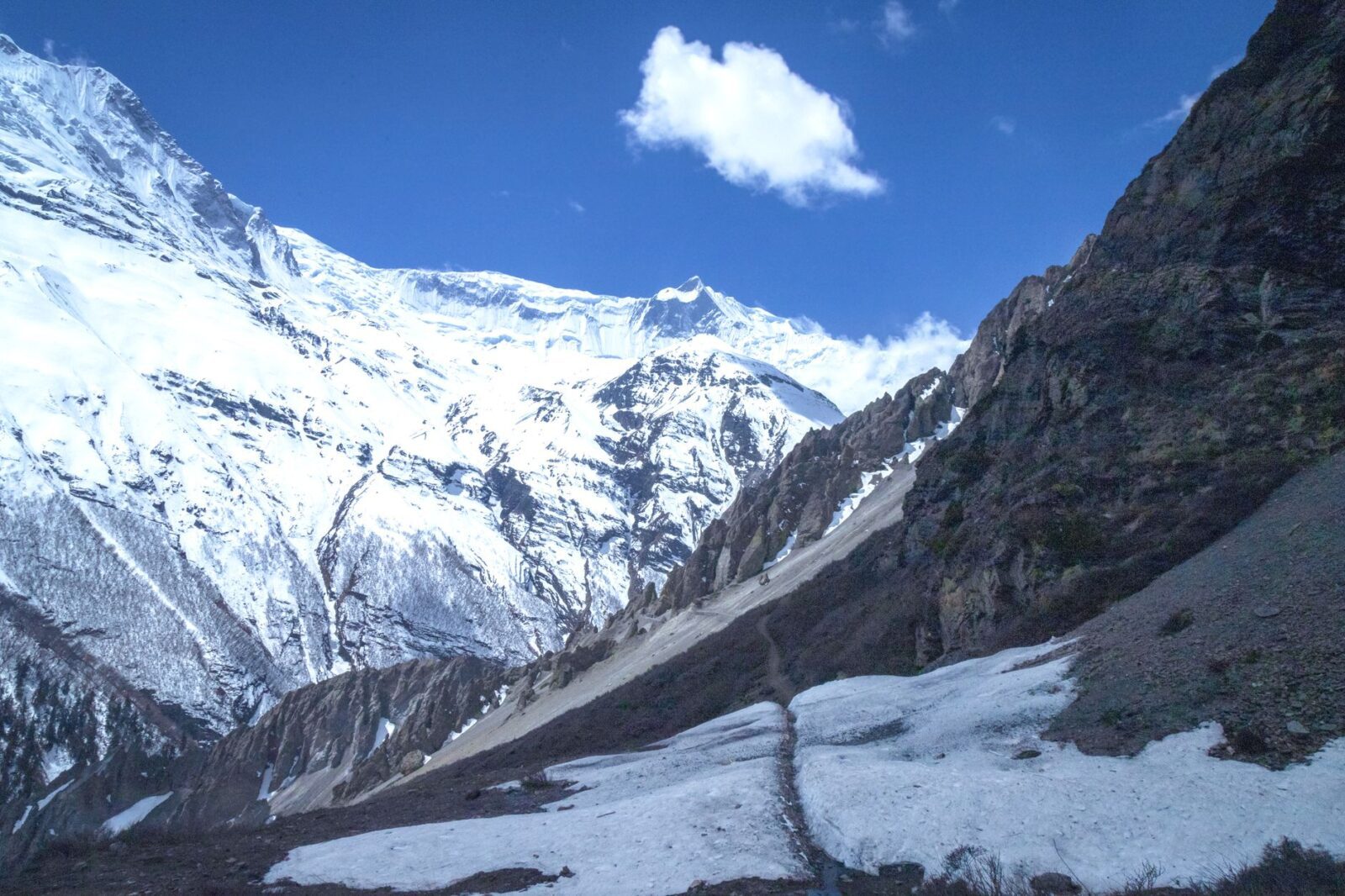
The Charm of the Himalayas: A Beginner’s Dream
As the first rays of dawn kiss the snow-capped peaks, the Himalayas awaken with a serenity that captivates every heart. Imagine standing at the edge of a lush green valley, the crisp mountain air filling your lungs, and the distant echo of a monastery bell resonating through the silence. For beginners, the Himalayas offer not just a trek, but an experience that lingers long after the journey ends.
Ghorepani Poon Hill Trek: Nepal’s Gateway to the Himalayas
The Ghorepani Poon Hill Trek is often hailed as the quintessential beginner’s trek in Nepal. This trek, which spans about 4-5 days, reaches a maximum altitude of 3,210 meters at Poon Hill. The trail is relatively easy, with well-marked paths and gradual ascents, making it perfect for those new to high-altitude trekking.
Itinerary Overview:
- Day 1: Pokhara to Nayapul, trek to Tikhedhunga (1,540m) – 4 hours
- Day 2: Tikhedhunga to Ghorepani (2,860m) – 6 hours
- Day 3: Ghorepani to Poon Hill (3,210m) and trek to Tadapani (2,630m) – 7 hours
- Day 4: Tadapani to Ghandruk (1,940m) – 3 hours
- Day 5: Ghandruk to Nayapul, drive back to Pokhara – 4 hours
With stunning views of Annapurna and Dhaulagiri ranges, this trek is accessible almost year-round, though the best seasons are spring (March-May) and autumn (September-November).
Kedarkantha Trek: India’s Winter Wonderland
In India, the Kedarkantha Trek offers a delightful winter trekking experience. Located in the Uttarakhand region, this trek spans 6 days and reaches an altitude of 3,810 meters. Known for its enchanting snowfall and panoramic views, Kedarkantha is a favorite among novice trekkers.
Itinerary Overview:
- Day 1: Dehradun to Sankri (1,950m) – 8 hours drive
- Day 2: Sankri to Juda Ka Talab (2,700m) – 4 hours
- Day 3: Juda Ka Talab to Kedarkantha Base (3,400m) – 3 hours
- Day 4: Base to Kedarkantha Summit (3,810m) and back to Base – 7 hours
- Day 5: Base to Sankri – 4 hours
- Day 6: Sankri to Dehradun – 8 hours drive
The trek is best experienced between December and April, when the snow transforms the landscape into a winter wonderland.
Permit Requirements and Costs
For trekking in Nepal, the Trekking Information Management System (TIMS) card is mandatory, costing around $20 USD. Additionally, entry fees for the Annapurna Conservation Area are $30 USD. In India, no special permits are needed for the Kedarkantha trek, though it’s wise to carry an identification document.
Essential Gear for Your Himalayan Adventure
When trekking in the Himalayas, packing the right gear is crucial. Essentials include:
- Sturdy trekking boots
- Layered clothing for varying temperatures
- Waterproof jacket and trousers
- Backpack with rain cover
- Sleeping bag (rated for low temperatures)
- Trekking poles
- First aid kit
Ensure you have a reliable water purification method and consider hiring a local guide for added safety and cultural insights.
Accommodation and Costs
Teahouses are the most common form of accommodation on these treks, offering basic amenities at an average cost of $5-$10 USD per night. Meals typically range from $2-$5 USD per dish. Hiring a porter costs around $15 USD per day, while a guide can be hired for $20-$30 USD per day. Tipping is customary, with $3-$5 USD per day being standard for porters and guides.
Health and Safety: Altitude Sickness and More
Altitude sickness is a genuine concern even on beginner treks. To minimize risks:
- Ascend gradually, no more than 500 meters per day above 3,000 meters
- Stay hydrated and avoid alcohol
- Recognize symptoms early: headache, nausea, dizziness
- Consider evacuation insurance for emergencies
Cultural Insights and Responsible Trekking
The Himalayan region is rich in cultural heritage. When visiting temples and monasteries, dress modestly and respect local customs, such as removing shoes before entering sacred spaces. Sustainable trekking practices include carrying out all trash, using biodegradable soap, and supporting local businesses.
FAQs
What is the best time to trek in the Himalayas?
The best times are pre-monsoon (March-May) and post-monsoon (September-November), offering clear skies and mild weather.
Do I need a guide for beginner treks?
While not mandatory, hiring a guide enhances your experience with local knowledge and safety. It also supports the local economy.
How fit do I need to be for these treks?
A reasonable level of fitness is required. Regular walking or jogging in preparation will enhance your trekking experience.
Can I rent trekking gear locally?
Yes, both Nepal and India offer gear rental options in major trekking hubs like Kathmandu and Rishikesh.
What should I do in case of altitude sickness?
Descend immediately if symptoms worsen. Rest, hydrate, and seek medical help if needed. Always have evacuation insurance.
The Himalayas beckon with a promise of adventure and tranquility. Whether it’s the vibrant culture or the majestic landscapes, these beginner-friendly treks offer an unforgettable journey into the heart of the mountains. Share your experiences and tips in the comments below, and inspire others to embark on their own Himalayan adventure!
Stay informed with the latest travel news, visa updates, and destination guides. Follow HimalayanCrest.com for weekly travel intelligence delivered by our editorial team.