

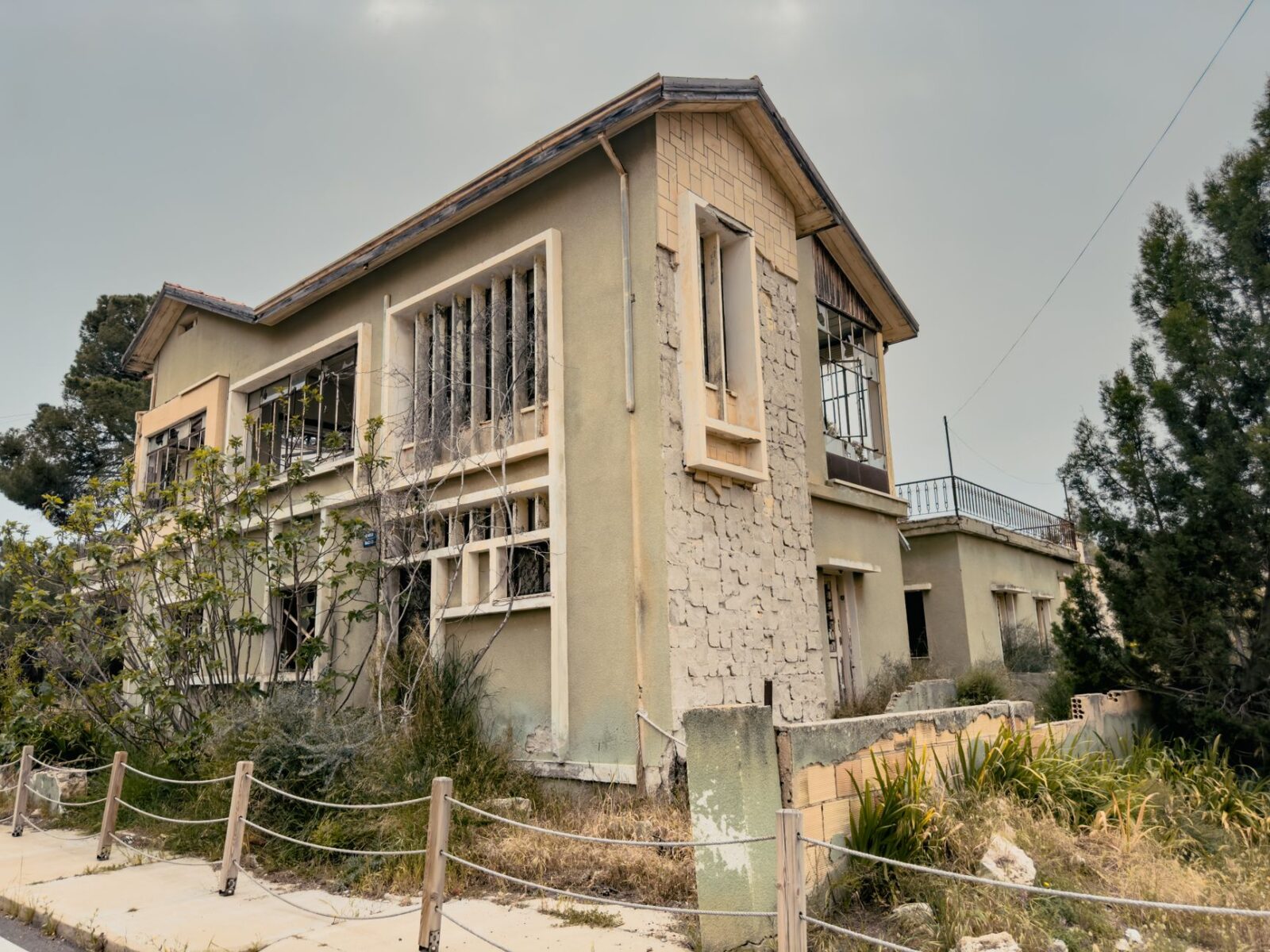
First Phase of UK Military Housing Delivered in Cyprus
The United Kingdom has handed over the first 46 homes of a larger 138‑unit housing programme at Dhekelia Station in the Eastern Sovereign Base Area of Cyprus. Families of service personnel are expected to move into these properties within weeks, marking a tangible improvement in the quality of life for those stationed on the island. The delivery represents the initial phase of the APOLLO initiative, a joint effort between the Defence Infrastructure Organisation and Cyber and Specialist Operations Command.
The overall programme is backed by a £48 million contract awarded to the Lagan Iacovou Joint Venture in 2023. When completed, the project will provide a mix of three‑ and four‑bedroom homes designed specifically for the Cypriot environment. This first tranche of 46 Service Family Accommodation (SFA) units is now ready for occupancy, with the remaining homes to be delivered in subsequent phases over the coming years.
Design Features Tailored to Cyprus
Each home has been engineered to withstand the seismic activity that characterises the eastern Mediterranean region. Reinforced concrete frames and flexible foundations meet modern earthquake‑resistant standards, giving residents peace of mind during the occasional tremors that affect the island.
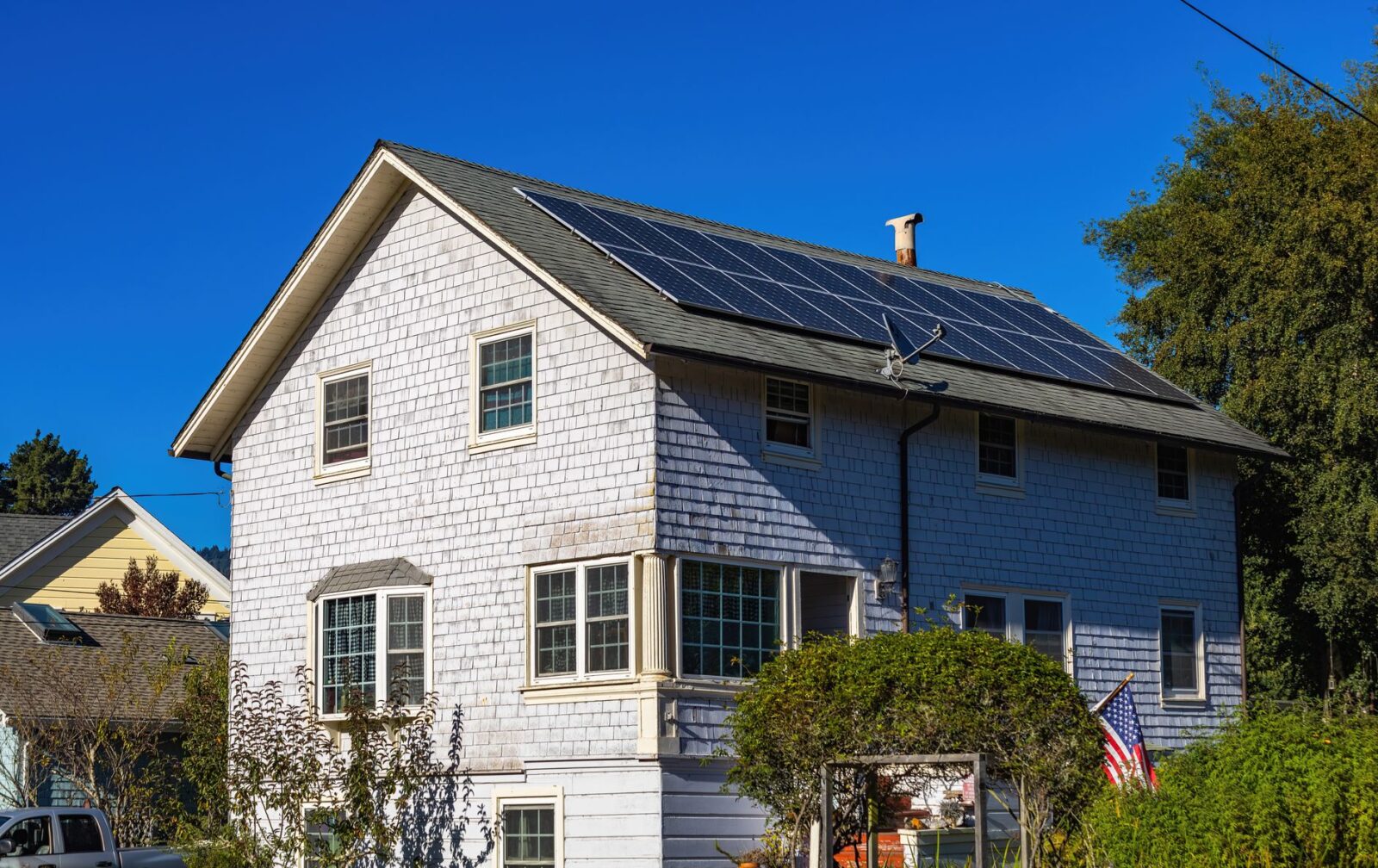
To combat the intense summer heat, the properties incorporate comfort‑cooling systems, high‑performance insulation, and shaded verandas. Sustainability is also a core consideration: solar panels on rooftops generate electricity, air source heat pumps provide efficient heating and cooling, and electric vehicle charging points are installed in each driveway. These features aim to lower energy consumption and reduce the carbon footprint of the military community.
Timeline, Handover and Future Phases
The official handover ceremony took place on 31 July 2026, with Lieutenant Colonel Tim Wildish, the Dhekelia Station Commander, receiving the keys from representatives of the contractor. Speaking at the event, Wildish highlighted that the new homes will allow families to settle more quickly and reduce the reliance on temporary accommodation.
Construction began in early 2023, and the work has been sequenced so that completed blocks can be occupied as soon as they pass inspection. This phased approach means that while the first 46 homes are now available, additional blocks will become ready later in 2026 and throughout 2027, ultimately delivering the full complement of 138 units.
What This Means for Military Families
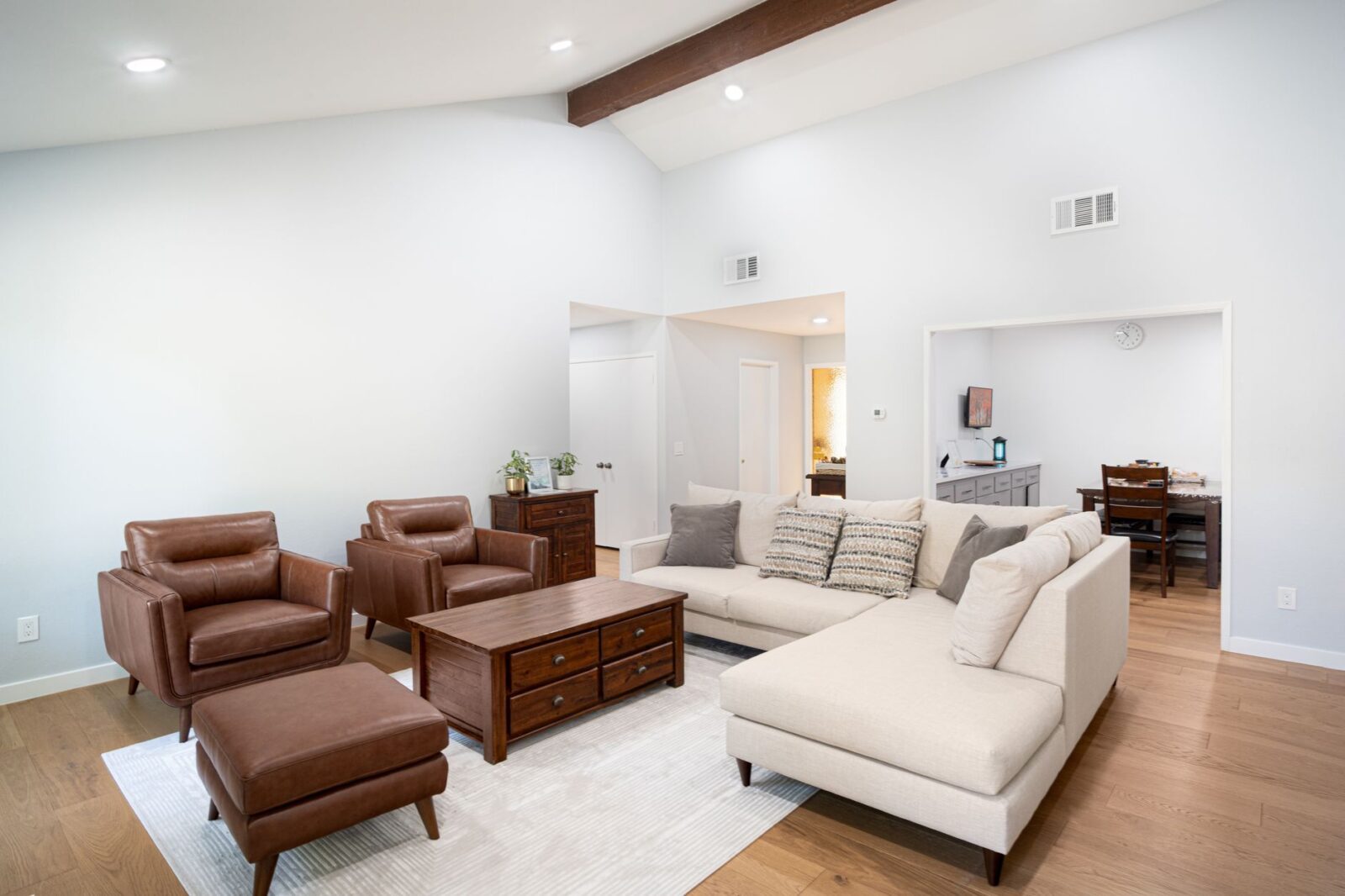
For service members and their dependents, the new housing offers more than just a roof. The SFA units are situated within the secure confines of the Sovereign Base Area, providing easy access to schools, medical facilities, and recreational amenities that are already established for the military community.
Spouses often report improved employment prospects when families can settle in a stable environment, and the availability of modern housing is expected to enhance retention rates for UK personnel assigned to Cyprus. The homes also include private gardens and parking, addressing common concerns about space and convenience for families with children.
Visa and Residency Implications for UK Personnel
UK forces stationed in Cyprus operate under the terms of the 1960 Treaty of Establishment, which grants personnel and their families the right to reside in the Sovereign Base Areas without needing a separate Cypriot visa. Dependents can obtain a UK‑issued residence endorsement that allows them to live and work within the SBA.
For those wishing to live outside the base in the Republic of Cyprus, the process involves applying for a Cyprus residence permit through the Civil Registry and Migration Department. The UK Ministry of Defence provides guidance and support, and the official GOV.UK page on “Living in Cyprus” outlines the required documentation, fees, and processing times. As of August 2026, the standard fee for a family residence permit is approximately €300, with processing typically completed within eight weeks.
Signals for Expats, Investors and Digital Nomads
The completion of military‑grade housing sends a positive signal about the stability and long‑term commitment of the UK to its Cyprus bases. This can reassure foreign investors who view the Sovereign Base Area as a secure enclave with reliable infrastructure, potentially influencing decisions about property purchases or business ventures in the wider region.
For expats considering a move to Cyprus, the development highlights the island’s capacity to accommodate high‑quality, sustainable housing projects. While the SFA units are reserved for military families, the same contractors and design principles are increasingly being applied to civilian projects, which may increase the overall supply of modern homes and moderate rental pressures in cities such as Larnaca and Limassol.
Digital nomads interested in Cyprus’s recently introduced “Digital Nomad Visa” (allowing stays of up to one year for remote workers earning outside Cyprus) may find that the improved general housing stock and ongoing infrastructure upgrades make the island a more attractive base. The government’s Category F residency permit for retirees and financially independent individuals also benefits from a perception of growing stability and amenity upgrades.
How Other Nations Handle Military Family Housing
The United States maintains extensive family housing installations across Europe, notably at Ramstein Air Base in Germany and Aviano Air Base in Italy. Those projects often emphasize energy efficiency, with many newer units meeting LEED‑silver standards and incorporating renewable energy sources similar to the Cypriot APOLLO homes.
France’s military housing programme, managed by the Direction Générale de l’Armement, has placed a strong emphasis on integrating homes into local communities, offering families access to French schools and healthcare. Recent renovations have added solar thermal systems and improved insulation to meet national energy‑transition goals.
Germany’s Bundeswehr provides family accommodation through the Federal Office for Bundeswehr Equipment, Information Technology and In-Service Support (BAAINBw). Their latest construction guidelines require all new builds to achieve near‑zero energy standards, reflecting Germany’s stringent climate legislation. Comparing these approaches shows a converging trend: military housing worldwide is increasingly designed for resilience, sustainability, and family wellbeing.
Frequently Asked Questions
Who is eligible to live in the newly delivered homes at Dhekelia?
The homes are designated as Service Family Accommodation and are reserved for UK armed forces personnel stationed at the Eastern Sovereign Base Area and their immediate dependents. Eligibility is determined by the Ministry of Defence based on assignment orders and family status.
Do family members need a Cypriot visa to reside in the SBA?
No. Under the Treaty of Establishment, UK service personnel and their families may reside in the Sovereign Base Areas without obtaining a separate Cypriot visa. However, if they wish to live outside the base in the Republic of Cyprus, they must apply for a standard residence permit through the Cyprus Civil Registry and Migration Department.
What is the cost of a Cyprus residence permit for UK dependents?
As of August 2026, the application fee for a family residence permit is approximately €300 per adult. Children under 16 are usually included in the parent’s application at no additional charge. Processing times average six to eight weeks, provided all documentation is submitted correctly.
How does this housing project affect the broader property market in Cyprus?
While the 138 SFA units are not available for civilian purchase or rent, the project demonstrates confidence in the island’s construction sector and may encourage private developers to adopt similar seismic‑resistant and sustainable building standards. Increased demand for skilled labour and materials could have a modest uplift effect on local construction costs, but the overall impact on residential prices is expected to be limited.
Can retirees or digital nomads benefit from the improvements seen in this military housing project?
Indirectly, yes. The upgrades to infrastructure, such as enhanced electrical grids supporting solar installations and the expansion of EV charging networks, benefit the wider community. Retirees applying for the Category F permit and digital nomads using the one‑year remote‑work visa may find a more reliable utility network and a growing stock of modern, energy‑efficient rental properties as a result of these developments.
Stay informed with the latest travel news, visa updates, and destination guides. Follow HimalayanCrest.com for weekly travel intelligence delivered by our editorial team.