

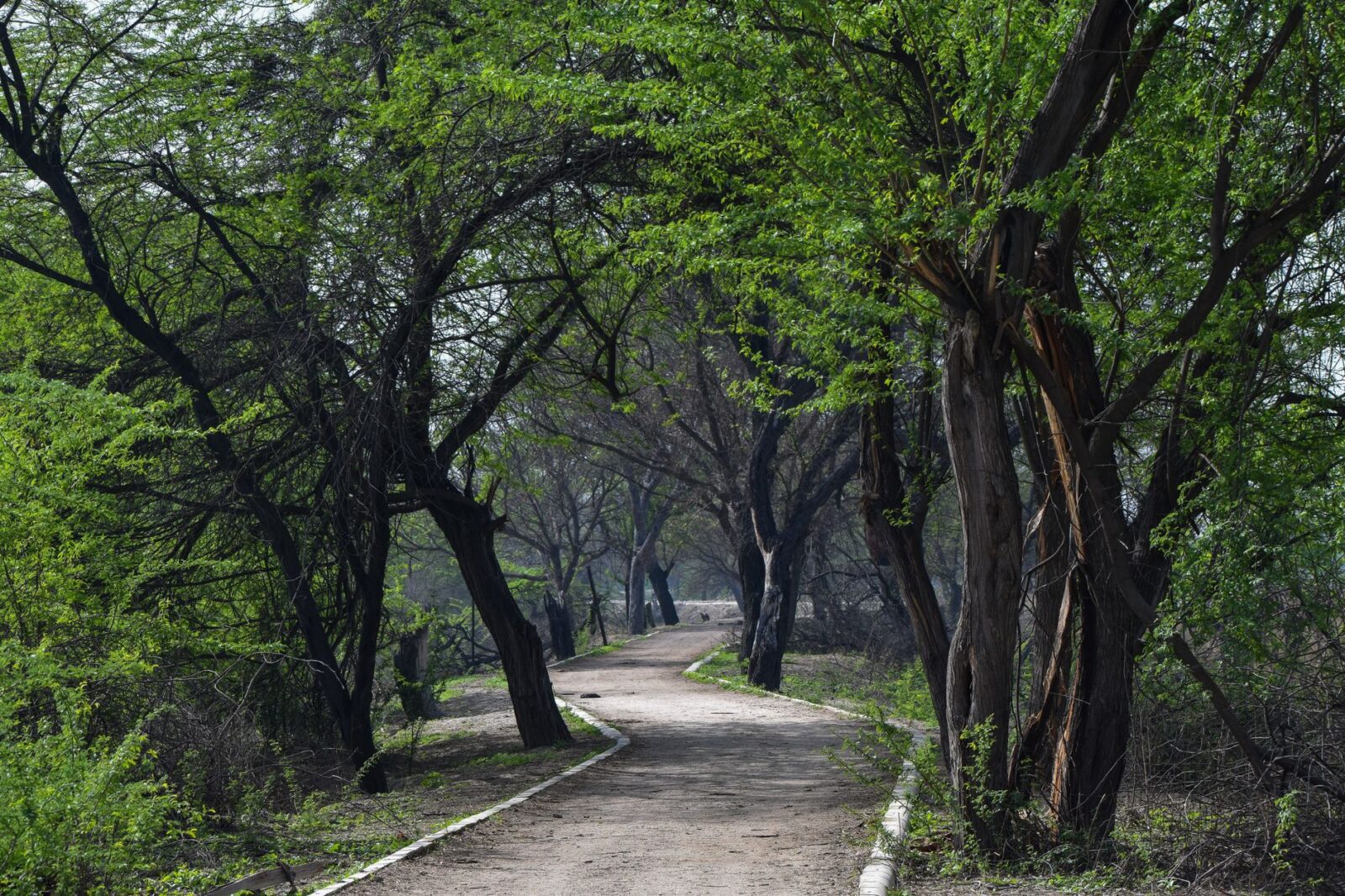
The Hidden North Woods: Why Most Visitors Stay Below 85th Street
Central Park stretches 843 acres from 59th Street to 110th Street, yet the majority of foot traffic concentrates below 85th Street. Visitors flock to the southern attractions like Bethesda Terrace, the Zoo, and the Great Lawn, leaving the northern reaches relatively quiet. This pattern means that many of the park’s natural and historical features remain overlooked by the casual tourist. The northern section, often referred to as the North Woods, offers a denser canopy, rugged terrain, and a sense of wilderness that feels far removed from Manhattan’s skyline. Understanding this geographic divide helps travelers appreciate why a dedicated tour focusing above 85th Street can reveal a completely different side of the park.
Data from the Central Park Conservancy shows that only about 15 percent of park users regularly venture north of the 86th Street transverse. The southern half benefits from proximity to subway stations and major museum entrances, which drives higher visitation. In contrast, the northern entrances at 100th, 106th, and 110th Streets see fewer daily visitors, preserving a more tranquil atmosphere. This lower footfall has allowed ecosystems to thrive, with more mature trees and a greater variety of bird species. For travelers seeking solitude or a deeper connection with nature, the North Woods presents an inviting alternative to the bustling southern loops.
The imbalance also reflects broader travel habits where iconic landmarks overshadow lesser-known gems. Many guidebooks highlight the southern loop as the “must-see” route, reinforcing the perception that the park’s highlights end before the Harlem Meer. As a result, repeat visitors often miss the evolving landscapes that change with the seasons in the northern zones. By shifting focus upward, tourists can experience a more authentic slice of the park that locals cherish. This insight underpins the value of specialized tours that deliberately steer guests away from the well-trodden paths.
Inside the Airbnb “Secrets of Central Park” Experience
The Airbnb Experience titled “Uncover Central Park’s Secret Places” is led by Bruce Racond, a guide with Revolutionary Tours who specializes in historical narratives of the city. Offered every Sunday, the tour limits participation to a little over a dozen guests to maintain an intimate atmosphere. Participants are advised to wear comfortable shoes, as the route covers approximately two and a half miles over varied terrain. The experience lasts roughly two and a half hours, providing ample time to explore sites that are rarely included in standard park maps. Booking a spot typically requires reservation at least a week in advance due to consistent demand.
Unlike generic park walks that stick to the southern loop, this experience deliberately guides guests north of 85th Street, emphasizing areas that many New Yorkers themselves rarely see. The itinerary includes visits to cascading waterfalls, remnants of Revolutionary War fortifications, and secluded glades where the city’s noise fades. Racond’s commentary weaves together landscape design, geological history, and anecdotes about the park’s creators, Frederick Law Olmsted and Calvert Vaux. By focusing on storytelling, the tour transforms a simple walk into an immersive lesson in urban ecology and heritage.
Feedback from participants frequently highlights the sense of discovery that comes from learning about features hidden in plain sight. Many note that the tour deepens their appreciation for the park’s complexity beyond its role as a recreational space. The small group size encourages questions and interaction, allowing guests to tailor the conversation to their interests. For travelers who enjoy uncovering layers of a destination, this Airbnb offering provides a structured yet flexible way to do so. It exemplifies how platform‑based experiences can connect visitors with niche knowledge that traditional tours might overlook.
Revolutionary Forts and Forgotten Waterfalls
One of the tour’s standout stops is the site of Fort Fish, a defensive earthwork constructed during the War of 1812. Although little remains visible today, Racond points out subtle topographical cues that hint at the fort’s former layout. The location offers panoramic views over the Harlem Meer, allowing visitors to imagine the strategic importance of the northern heights in early American military history. Understanding this layer adds depth to the perception of Central Park as merely a Victorian leisure project.
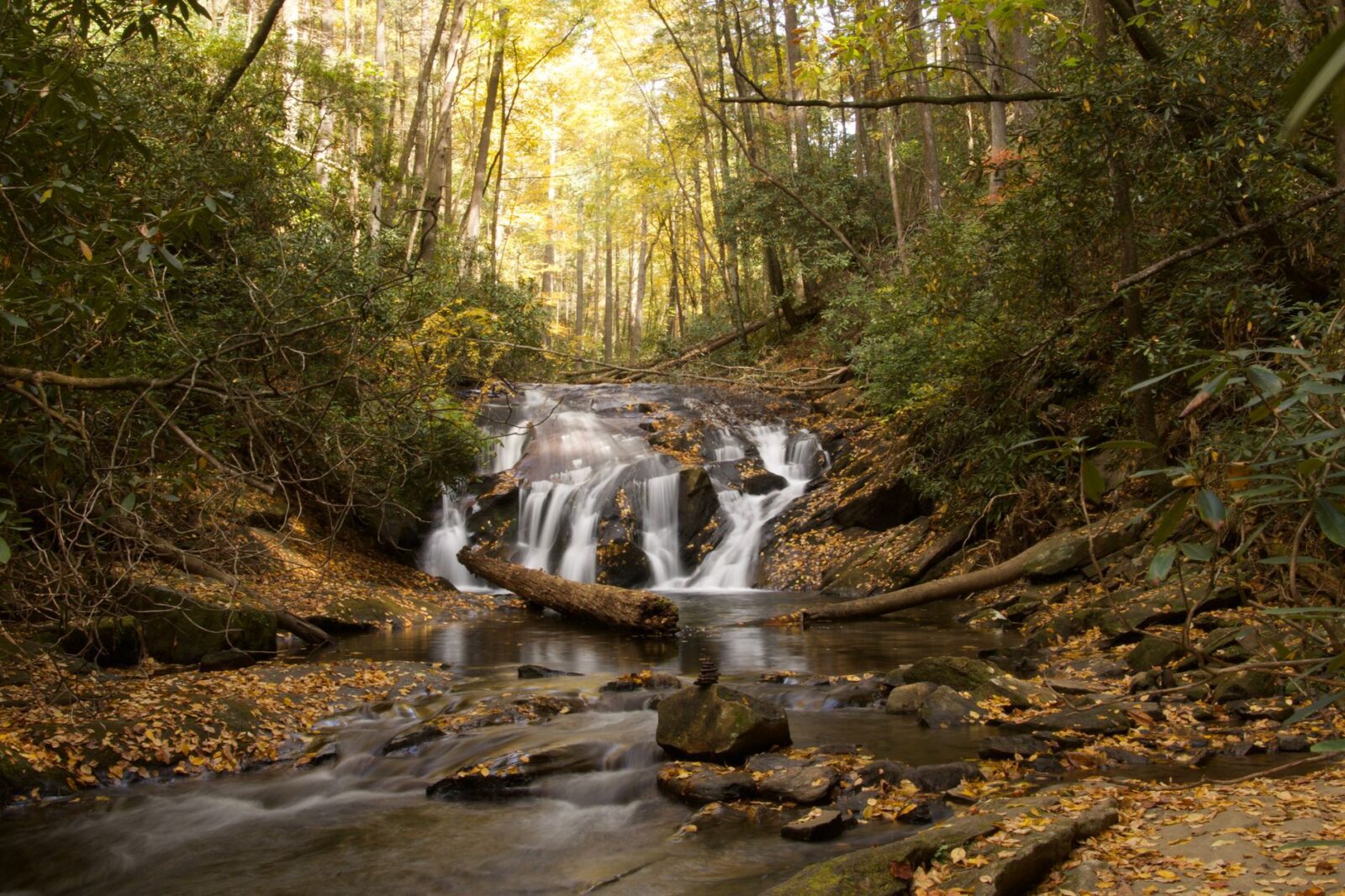
Another highlight is the cascade known as the Gill, a naturalistic waterfall that feeds into the Loch, a narrow stream winding through the North Woods. The waterfall is formed by water descending over Manhattan Schist bedrock, creating a soothing soundtrack that contrasts with the distant hum of traffic. The surrounding area is planted with native ferns and mosses, reinforcing the illusion of an Adirondack‑style ravine tucked inside Manhattan. These features illustrate Olmsted and Vaux’s intention to craft varied landscapes that evoke different regional ecosystems within a single park.
The tour also visits the remnants of McGowan’s Pass, a historic route that once served as a key crossing point during the Revolutionary War. Though the original fortifications have been erased by later park construction, interpretive signs and Racond’s narration help guests visualize the troop movements that once occurred here. By linking these sites to broader narratives of New York’s strategic role in early American conflicts, the experience connects the park’s design to the city’s layered past. This approach transforms a simple nature walk into a multidimensional historical exploration.
Bedrock Legends: Manhattan Schist and the Secret Bolt
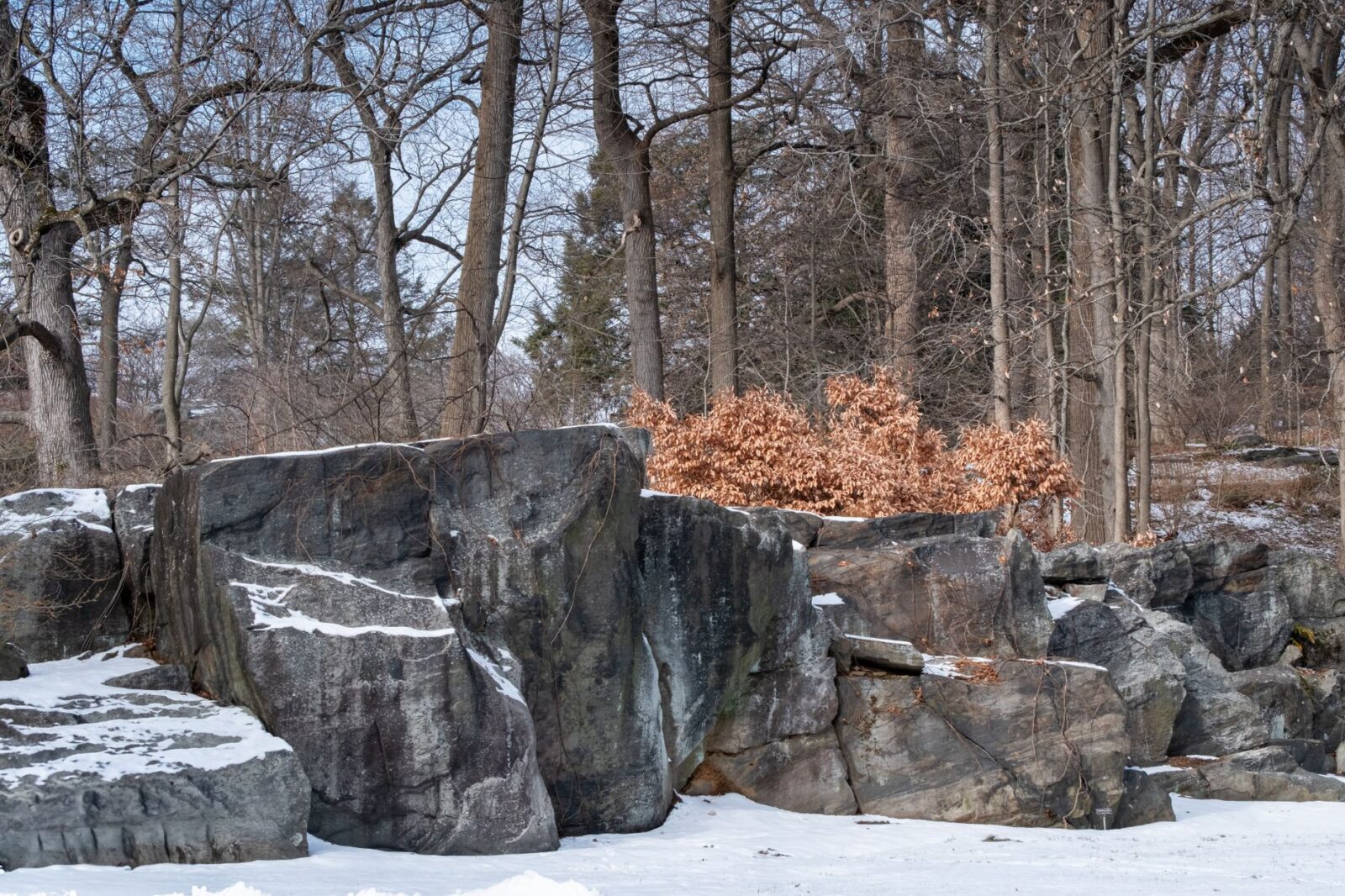
Central Park’s geology is a focal point of the tour, with particular attention given to the Manhattan Schist that underlies much of the park. This metamorphic rock, formed approximately 450 million years ago, provides the sturdy foundation that allowed Olmsted and Vaux to shape the park’s dramatic topography. Guides often invite guests to feel the smooth, gleaming surfaces of exposed schist outcrops, noting how the rock’s durability influenced the placement of roads and bridges. Recognizing this geological timescale adds a profound sense of depth to a visit that might otherwise focus only on flora and fauna.
A intriguing piece of lore shared on the tour concerns a concealed bolt embedded in a schist outcrop somewhere near the North Woods. According to local legend, the bolt dates back to the early planning of Manhattan’s street grid in the early 1800s and remains a hidden marker of the city’s surveying history. While the exact location is intentionally undisclosed to preserve its mystery, guides explain that discovering such artifacts requires a keen eye and respect for the park’s integrity. The story underscores how layers of human activity—from indigenous land use to colonial planning—are literally set in stone beneath the park’s surface.
These geological narratives serve to remind visitors that Central Park is not merely a designed landscape but a palimpsest of natural and human history. By highlighting the schist’s age and the anecdotal bolt, the tour encourages a mindset of curiosity and stewardship. Travelers leave with a greater awareness that every step in the park intersects with epochs stretching far beyond the city’s modern skyline. This perspective enriches the experience, turning a leisurely stroll into a journey through deep time.
Wildlife Encounters: Coyotes, Cardinals, and More
The North Woods supports a surprisingly diverse array of wildlife, offering chances to see species that are rare in more urbanized parts of the park. Eastern coyotes have been documented in Central Park since the early 2000s, with occasional sightings reported near the Loch and the Ravine. While these animals are generally elusive and avoid human contact, their presence signals a healthy ecosystem capable of supporting mid‑sized predators. Guides often advise visitors to keep a respectful distance and to refrain from feeding any wildlife they encounter.
Birdwatchers delight in the variety of species that inhabit the northern woodlands, including the striking northern cardinal, whose bright red plumage stands out against the green foliage. Warblers, woodpeckers, and various waterfowl also make use of the park’s wetlands and dense understory. Seasonal migrations bring additional visitors, such as the scarlet tanager in spring and the white‑throated sparrow in winter. The Ramble, though located south of 85th Street, extends its biodiversity northward, creating a continuous habitat corridor.
Beyond vertebrates, the park’s water bodies host several species of turtles, amphibians, and fish, contributing to the overall ecological richness. The presence of these organisms indicates good water quality and a balanced food web, both of which are monitored by the Central Park Conservancy. For travelers interested in urban ecology, the North Woods offers a living laboratory where nature persists amidst one of the world’s most densely populated islands. Observing these creatures responsibly adds a memorable, authentic dimension to any park visit.
How to Join the Tour: Practical Advice for Travelers
Prospective participants can locate the “Uncover Central Park’s Secret Places” experience on the Airbnb Experiences platform by searching for the title or filtering for New York City cultural tours. Prices for similar guided walks in the city typically range from $30 to $60 per person, reflecting the guide’s expertise, group size limits, and duration. It is advisable to check the experience page for the most current pricing, availability, and any seasonal variations. Booking in advance secures a spot, especially during peak travel months when demand for unique local experiences rises.
Travelers should prepare for a walk that covers uneven terrain, including rocky outcrops, wooded trails, and occasional steep inclines. Sturdy, closed‑toe shoes with good traction are recommended, along with weather‑appropriate clothing layers. Bringing a small bottle of water and a snack can enhance comfort, although the tour’s pace allows for occasional rests. Since the experience proceeds rain or shine, a compact umbrella or rain jacket is useful during the city’s unpredictable summer showers.
For those interested in extending their exploration, the tour’s endpoint near the Harlem Meer provides easy access to other northern attractions such as the Conservatory Garden and the Charles A. Dana Discovery Center. Public transportation options include the M1 options like the B or C subway line to 81st Street–Museum of Natural History, followed by a short crosstown bus or walk. Alternatively, the Q bus runs along 86th Street, offering a convenient crosstown connection. Combining the secret places tour with a visit to the nearby Metropolitan Museum of Art creates a full day of cultural and natural discovery on Manhattan’s west side.
Hidden Park Tours in the Context of Global Travel Trends
The popularity of niche tours like the Secrets of Central Park experience reflects a broader shift in travel toward authentic, locally‑led encounters. Modern travelers increasingly seek opportunities to move beyond checklist sightseeing and engage with the stories, ecosystems, and communities that define a destination. Platforms such as Airbnb Experiences, Withlocals, and Eatwith have facilitated this trend by connecting visitors with residents who offer specialized knowledge. In urban settings, these tours often reveal layers of history and nature that standard guidebooks overlook.
Data from the World Travel & Tourism Council indicates that experiential travel accounted for over 40 percent of global tourism spending in 2024, a figure that continues to grow as post‑pandemic travelers prioritize meaning over mere movement. Cities with extensive green spaces, such as London, Sydney, and Tokyo, have seen rising demand for park‑centric walks that highlight hidden habitats, historical monuments, and horticultural marvels. Central Park’s vast size and varied landscapes make it an ideal candidate for this type of experiential offering.
Moreover, the focus on lesser‑known areas helps mitigate overcrowding in popular zones, distributing visitor impact more evenly across a destination. By guiding guests to the North Woods, the tour reduces pressure on southern landmarks while encouraging appreciation for the park’s full ecological scope. This approach aligns with sustainable tourism principles that advocate for dispersing visitor flow and fostering deeper environmental stewardship. As cities worldwide grapple with tourism congestion, models like the Secret Places tour provide a blueprint for balancing visitor enjoyment with heritage preservation.
Frequently Asked Questions About the Central Park Secrets Tour
What is the best time of year to take the Secrets of Central Park tour?
The tour operates year‑round, but many participants find the months of May through October particularly pleasant due to milder temperatures and vibrant foliage. Spring brings blooming wildflowers and migratory birds, while autumn offers striking color changes in the North Woods’ deciduous trees. Winter tours are also available and can reveal a serene, snow‑covered landscape, though participants should dress warmly and wear footwear with good grip for icy patches.
How physically demanding is the walk, and is it suitable for children or seniors?
The route covers approximately two and a half miles with varied terrain, including gentle inclines, rocky steps, and uneven forest paths. A moderate level of fitness is recommended; the pace is relaxed with frequent stops for commentary. Children aged ten and older typically enjoy the experience, especially when interested in history or nature. Seniors who are comfortable walking on uneven surfaces can participate, but those with mobility limitations should review the detailed route description on the Airbnb page or contact the guide in advance.
Are there any costs beyond the tour fee that travelers should anticipate?
The primary expense is the tour fee itself, which generally falls between $30 and $60 per person. Additional costs may include transportation to the meeting point, personal snacks or beverages, and any optional purchases at nearby cafés or museums after the tour. There are no mandatory equipment rentals or entrance fees, as all visited sites are freely accessible parts of Central Park.
Is the tour offered in languages other than English?
As of the latest information, the Secrets of Central Park experience is conducted exclusively in English. Travelers who require another language may consider booking a private guide through alternative platforms or inquiring with the tour operator about the possibility of arranging a bilingual guide for a private group, subject to availability and additional fees.
What should I bring to ensure a comfortable and enjoyable experience?
Participants should wear sturdy, closed‑toe walking shoes with good traction, as the trail includes natural surfaces that can be slippery when wet. Dressing in layers allows adaptation to changing weather conditions, and a lightweight rain jacket or umbrella is advisable during the city’s frequent summer showers. Bringing a reusable water bottle, sunscreen, and a hat or cap enhances comfort, while a small notebook or camera can help capture the many interesting details shared by the guide.
Stay informed with the latest travel news, visa updates, and destination guides. Follow HimalayanCrest.com for weekly travel intelligence delivered by our editorial team.