

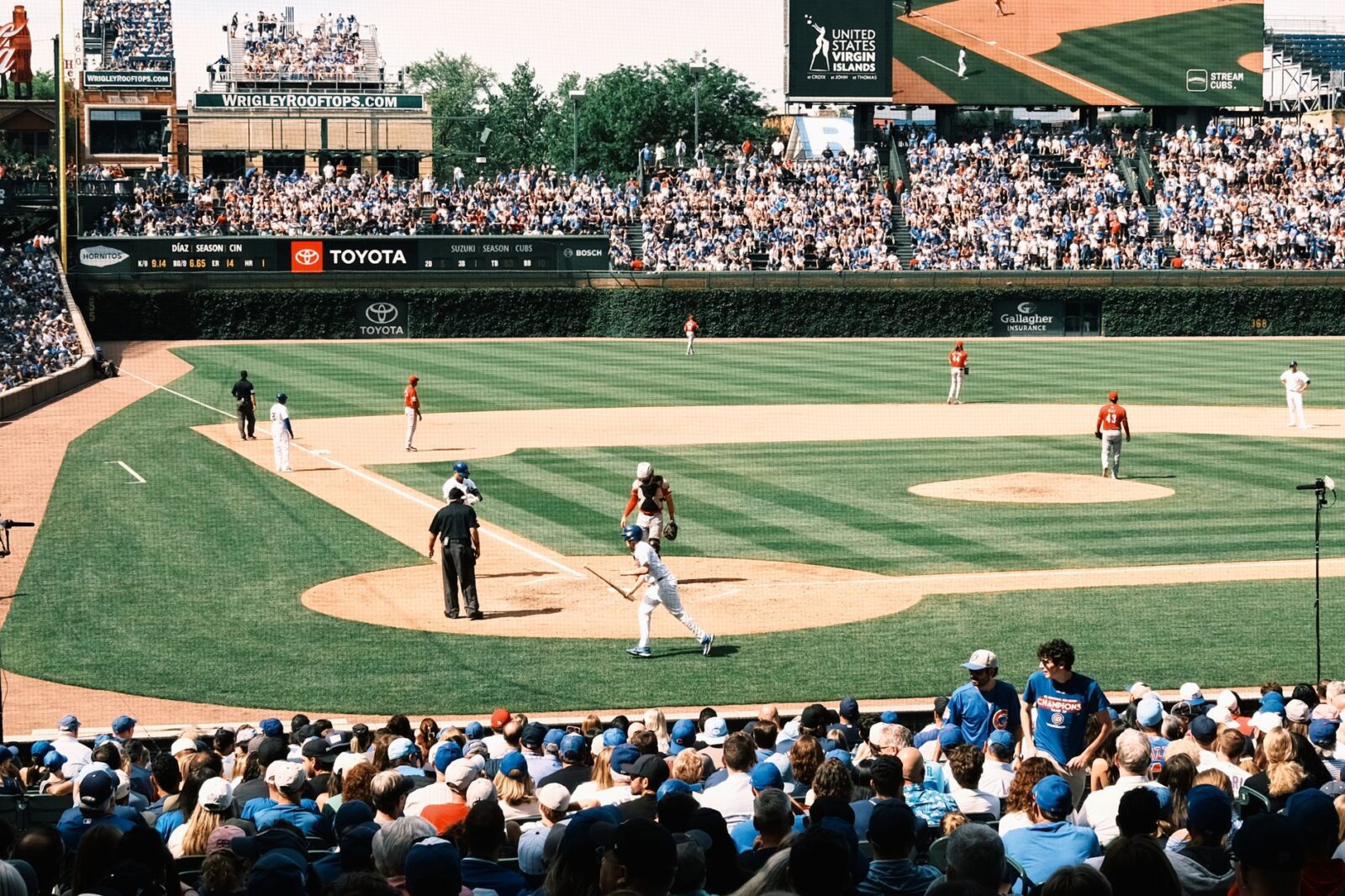
The Seattle Mariners’ Legacy: From Struggles to Hope in 2026
The Seattle Mariners remain one of baseball’s most intriguing stories as of August 2026. Despite a challenging 2026 season marked by inconsistent performance and managerial scrutiny under Dan Wilson, the franchise carries the weight of history and the promise of renewal. Founded in 1977 as an expansion team, the Mariners are the only active MLB club never to have appeared in a World Series—a drought spanning nearly 50 years. Yet their legacy includes iconic moments: Ken Griffey Jr.’s graceful swings in the 1990s, Randy Johnson’s dominant fastballs, Edgar Martínez’s legendary 1995 ALDS walk-off double, and Ichiro Suzuki’s record-setting 2001 season when the team won 116 games, tying the MLB single-season record. As of the end of the 2025 season, the Mariners’ all-time record stands at 3,689 wins, 4,022 losses, and 2 ties—a .478 winning percentage reflecting decades of resilience amid adversity.
Today, the team plays its home games at T-Mobile Park in Seattle’s SoDo district, a modern ballpark opened in July 1999 that replaced the aging Kingdome. The stadium’s retractable roof and scenic views of Elliott Bay make it a destination in itself, drawing fans not just for baseball but for the experience. With ticket prices ranging from $25 for upper-deck seats to $180+ for field-level clubs, and concessions averaging $12 for a beer and $8 for a hot dog, a family of four can expect to spend approximately $200–$300 per game. The Mariners’ 2026 Flex Membership, currently promoted on their official site, offers flexible ticket packages starting at $99 for five games, appealing to casual fans seeking value without long-term commitment.
Planning Your Visit to T-Mobile Park: Timing, Tickets, and Insider Tips
The best time to attend a Mariners game in 2026 is during weekend series in late May through September, when Seattle’s weather is mildest and the retractable roof is often open. Weekday games offer lower prices and shorter lines, while fireworks nights—typically Fridays after home games—add extra excitement. Arrive at least 90 minutes before first pitch to explore the stadium, including the Hall of Fame exhibit near the main entrance honoring Griffey, Martínez, and Johnson, and the Ichiro Suzuki display celebrating his 2001 achievements. For food, skip the generic concessions and head to the ‘Craft Beer Canyon’ in left field for local brews from Fremont Brewing or the ‘Salmon Bake Stand’ near center field for grilled Pacific Northwest salmon—a regional specialty.
Insider tip: Use the SoDo Link light rail station, just a five-minute walk from the stadium, to avoid game-day traffic and parking fees ($30–$40 in official lots). Trains run every 10 minutes during games from downtown Seattle and Seattle-Tacoma International Airport, making transit both affordable ($2.75 per ride) and efficient. If driving, reserve parking in advance via the Mariners’ official website to guarantee a spot and save up to 20% compared to day-of rates. For families, the Kids Deck in right field offers interactive games and reduced-price tickets ($15 for children under 12), while the ‘Mariners Moose’ mascot makes regular appearances near Section 134.
Beyond Baseball: Exploring Seattle’s SoDo and Waterfront Districts
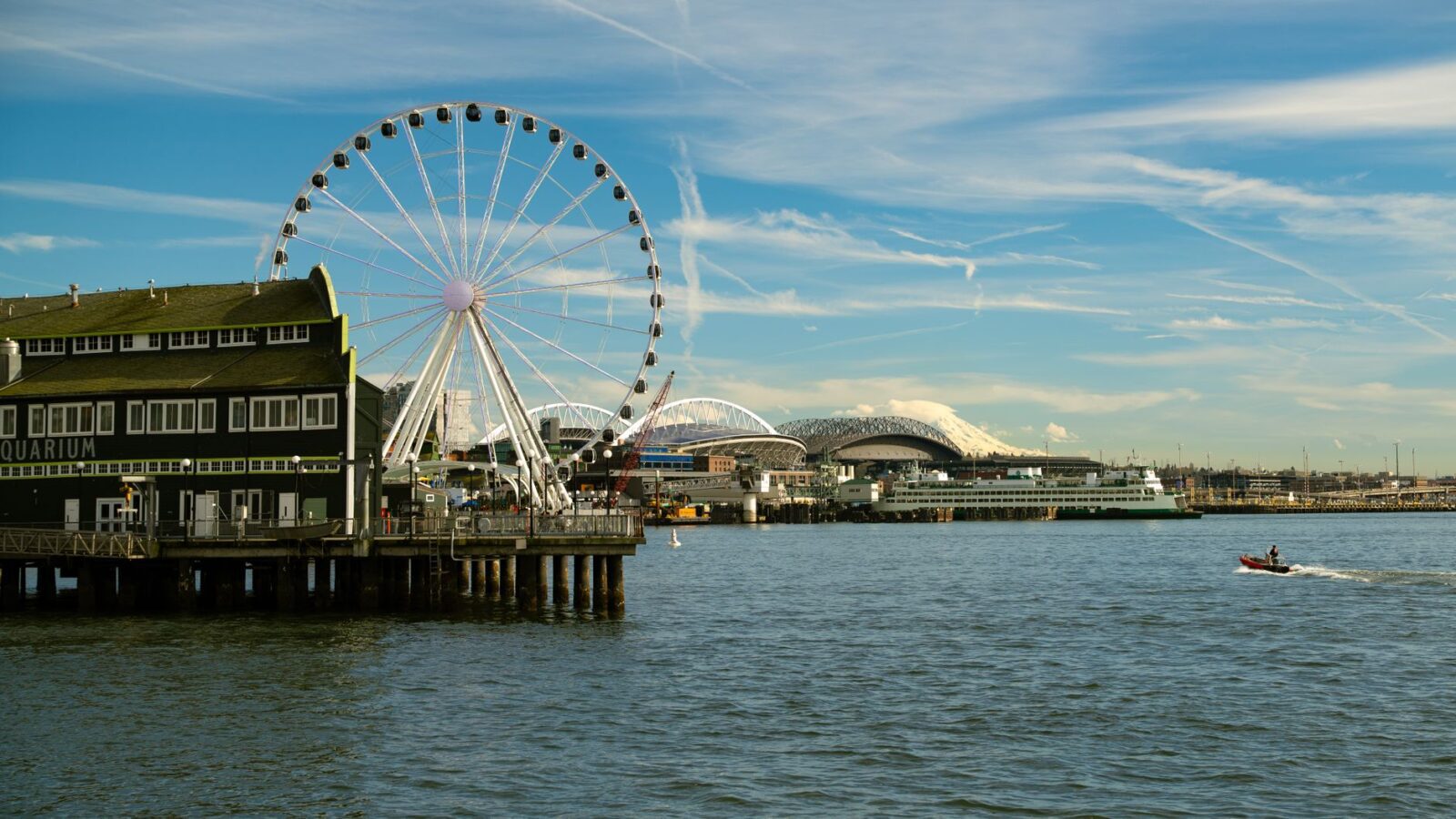
A Mariners game is just the start of a Seattle visit. The SoDo neighborhood surrounding T-Mobile Park has transformed from industrial warehouses to a vibrant corridor of restaurants, breweries, and hotels. Walk 10 minutes west to Elliott Bay for views of the Olympic Mountains and ferry terminals serving Bainbridge Island and Bremerton. The nearby Seattle Great Wheel on Pier 57 offers 12-minute gondola rides with panoramic city and water views ($18 for adults, $12 for youth). For food, try ‘Ivar’s Acres of Clams’ on the waterfront for legendary Dungeness crab or ‘The Pink Door’ in Pike Place Market for Italian fare with live acrobatics—both within a 15-minute rideshare of the stadium.
Culture seekers should allocate half a day to the Museum of Pop Culture (MoPOP) at Seattle Center, featuring exhibits on grunge music, sci-fi, and indie games ($32 adults, $22 youth). Sports fans can tour Lumen Field, home of the NFL Seahawks and MLS Sounders, located adjacent to T-Mobile Park ($25 for behind-the-scenes access). For a quieter experience, the Olympic Sculpture Park—just north of downtown—offers free admission and striking art installations with Puget Sound as a backdrop. All these attractions are easily reachable via Seattle’s robust public transit network, including buses, light rail, and the Seattle Streetcar.
Mariners Merchandise and Memorabilia: Where to Buy Authentic Gear
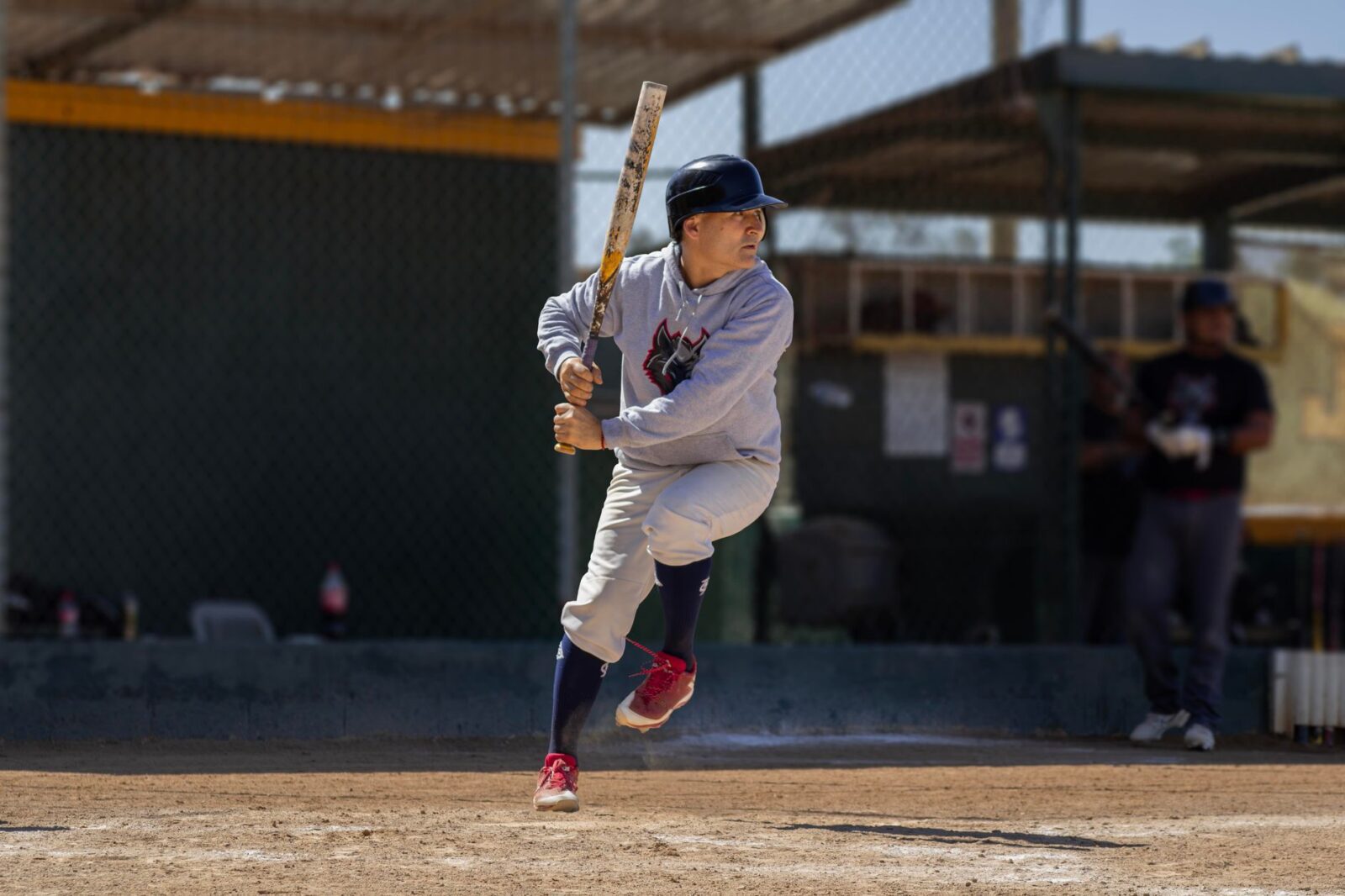
Authentic Mariners merchandise is available at the team store inside T-Mobile Park (open on game days and select non-game days) and at the flagship location in Seattle’s University Village shopping district. Current 2026 offerings include replica jerseys ($100 for player names/numbers, $75 for blank), fitted caps ($35), and limited-edition retro designs honoring the 1995 and 2001 seasons. For collectors, the ‘Vault’ section of the online store (shop.mariners.com) offers game-used bats, signed baseballs, and vintage ticket stubs—prices range from $50 for minor items to over $500 for game-worn jerseys from recent seasons.
Pro tip: Visit the store early in the season (April–May) for the best selection of sizes and styles, as popular items often sell out by summer. Avoid third-party sellers on unverified websites; stick to MLB.com or the Mariners’ official site to ensure authenticity and avoid counterfeit goods. International buyers should note that the Mariners’ website ships globally, with standard international delivery taking 10–15 business days and costing approximately $25–$40 depending on destination. For in-person pickup, the University Village store offers tax-free shopping for foreign visitors with proper documentation—a benefit often overlooked by tourists.
Alternatives for Baseball Fans: Minor Leagues and Spring Training
If you can’t make it to Seattle, consider the Mariners’ minor league affiliates for a more intimate, affordable baseball experience. The Triple-A Tacoma Rainiers play at Cheney Stadium in Tacoma, Washington—just 35 minutes south of Seattle—with tickets starting at $12 and family-friendly promotions like ‘Bark in the Park’ nights. The Double-A Arkansas Travelers in North Little Rock offer similar value, with scenic views of the Arkansas River and tickets under $15. For spring training, the Mariners compete in the Cactus League in Peoria, Arizona, where games begin in late February and tickets average $25—ideal for escaping winter and seeing prospects like Boston Smith (the Mariners’ No. 14 prospect as of August 2026, who hit two home runs in his first three games with the organization).
These alternatives provide authentic baseball at a fraction of the cost: concessions are cheaper ($8 beers, $5 hot dogs), parking is often free, and fan interaction is higher. Many minor league teams offer ‘behind-the-scenes’ tours for $10, including access to dugouts and batting cages. For die-hard fans, following the Mariners’ farm system offers insight into future stars—players like Smith represent the next generation the organization hopes will end the World Series drought. Check MLB.com’s ‘Prospects’ section for updates on player development and promotion timelines.
Practical Guide: Visiting Seattle as an International Traveler
International visitors to Seattle must adhere to U.S. entry requirements. As of August 2026, citizens from Visa Waiver Program countries (including the UK, Japan, Germany, and Australia) can enter the U.S. for tourism up to 90 days with an approved ESTA application ($21 fee, valid for two years). Travelers from other nations must apply for a B-2 tourist visa at a U.S. embassy or consulate, a process that can take several weeks and requires proof of ties to home country, financial stability, and travel itinerary. All visitors must present a valid passport upon entry, and customs officials may ask about the purpose of visit, accommodation details, and return plans.
Once in the U.S., domestic travel is straightforward. Seattle-Tacoma International Airport (SEA) is 20 minutes south of downtown via light rail ($3 fare, 40-minute ride to downtown). The city’s public transit system—operated by King County Metro—includes buses, light rail, and streetcars, with a one-day adult pass costing $8 for unlimited rides. Ride-sharing services like Uber and Lyft are widely available, with average fares of $15–$25 from the airport to downtown. English is the primary language, but many service workers speak Spanish, Mandarin, or Vietnamese due to Seattle’s diverse population. Tipping 15–20% in restaurants and for services like taxis is standard practice.
The Future of the Mariners: Hope on the Horizon
Despite the Mariners’ ongoing World Series drought—the longest active streak in MLB—the organization shows signs of progress. The 2025 AL West division title, their first since 2001, ended a 24-year playoff drought and signaled a shift toward competitiveness. Core players like Julio Rodríguez (whose home run was the Mariners’ sole offense in a recent 2026 game) and emerging talents like Boston Smith provide optimism for the future. Front office moves, including strategic trades and investments in player development, suggest a commitment to building a sustainable contender rather than chasing short-term fixes.
For fans, the journey matters as much as the destination. Attending a game at T-Mobile Park isn’t just about wins and losses—it’s about connecting with generations of fans who’ve endured the drought, celebrating the region’s maritime heritage that inspired the team’s name, and experiencing one of baseball’s most scenic ballparks. Whether you’re a lifelong follower or a first-time visitor, the Mariners offer a unique blend of history, hope, and Pacific Northwest charm. As the 2026 season unfolds, each game adds another chapter to a story still being written—one that, for many, is worth the wait.
Stay informed with the latest travel news, visa updates, and destination guides. Follow HimalayanCrest.com for weekly travel intelligence delivered by our editorial team.