

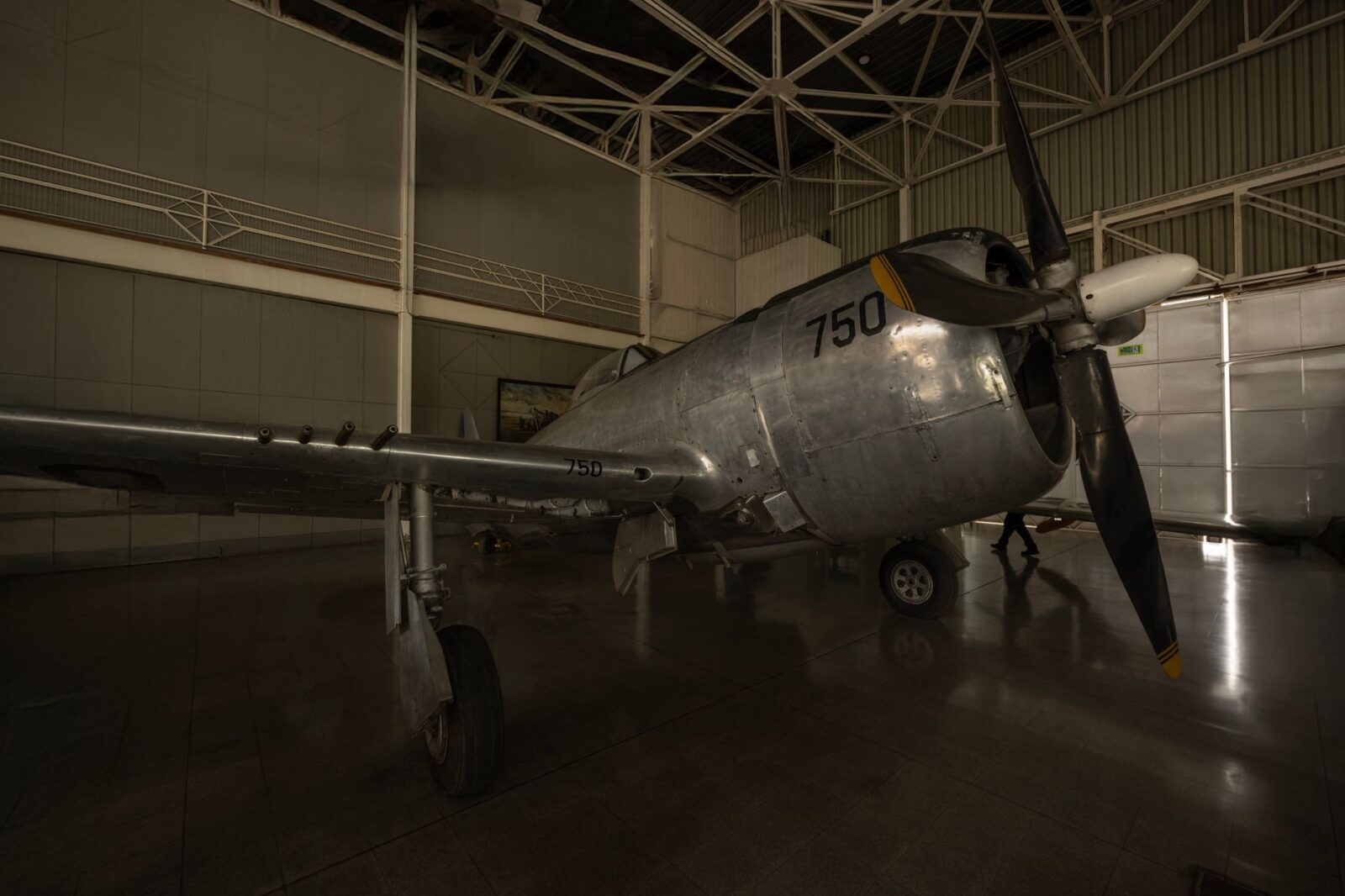
The Airbus A320 That Defied Disaster Now Stands in Charlotte
On January 15, 2009, US Airways Flight 1549 took off from LaGuardia Airport bound for Charlotte Douglas International Airport. Just three minutes into the flight, the Airbus A320 struck a flock of Canada geese, causing both engines to fail. Captain Chesley “Sully” Sullenberger and First Officer Jeffrey Skiles executed a controlled ditching on the Hudson River, bringing the plane to a stop near midtown Manhattan. All 155 people on board — 150 passengers, three flight attendants, and two pilots — survived, an outcome later dubbed the “Miracle on the Hudson” by the media. The aircraft was recovered from the river and, after years in storage, found its permanent home at the Sullenberger Aviation Museum near Charlotte Douglas International Airport in 2011. Today, it serves as the centerpiece of a museum dedicated to aviation safety and innovation.
The plane’s presence in Charlotte is no accident. US Airways, which operated Flight 1549, was headquartered in the city until its merger with American Airlines in 2015. Charlotte Douglas remains a major hub for American Airlines, making the location a logical choice for preserving this piece of aviation history. The museum, originally founded in 1992 as the Carolinas Aviation Museum, underwent a significant expansion and rebranding in 2023 to honor Sullenberger’s legacy and focus on the broader story of aviation safety. The restored Airbus A320 now sits in a climate-controlled hangar, its fuselage marked with the visible scars of the water landing — bent fuselage frames, displaced doors, and the iconic “US Airways” livery still partially intact.
What the Miracle on the Hudson Experience Actually Offers Visitors
Launched in early 2026, the Miracle on the Hudson Experience is a small-group, guided tour designed to go beyond static displays. Limited to 12 participants per session, the 45-minute program includes access to areas not open to general admission visitors, such as the flight deck and forward cabin. Guides walk visitors through the sequence of events using cockpit voice recorder transcripts, air traffic control recordings, and survivor testimonies. The tour emphasizes decision-making under pressure, highlighting how crew coordination, training, and aircraft design contributed to the successful outcome.
Visitors can touch replicated control panels, sit in actual passenger seats from the aircraft, and view personal artifacts donated by survivors — including a flight attendant’s emergency checklist, a passenger’s recovered wallet, and a child’s stuffed animal found in the wreckage. A short documentary plays in a dedicated theater, featuring interviews with Sullenberger, Skiles, air traffic controller Patrick Harten, and ferry captain Vincent Lombardi, who led the first rescue boat to the scene. The experience concludes with a Q&A session where guides address myths about the event, such as the misconception that the landing was purely luck or that the engines failed due to poor maintenance.
Why This Event Still Matters for Global Air Travel Safety
The Miracle on the Hudson is frequently cited in aviation safety training as a case study in effective crew resource management (CRM). Investigations by the National Transportation Safety Board (NTSB) confirmed that the aircraft performed as designed, and the outcome resulted from a combination of factors: the pilots’ extensive glider flying experience, the flight attendants’ rapid evacuation procedures, the immediate response of New York Waterway ferries and emergency services, and the aircraft’s ditching certification — a feature often overlooked in commercial jet design.
Following the incident, aviation authorities worldwide revised protocols for bird strike prevention. Airports near migratory paths, including LaGuardia, implemented enhanced radar systems to detect bird flocks and adjusted departure schedules during peak migration seasons. Engine manufacturers also accelerated testing for bird ingestion resistance, leading to improved designs in modern turbofans. The event reinforced the importance of preparing for low-altitude dual-engine failure scenarios, a situation once considered nearly unsurvivable but now integrated into simulator training for pilots globally.
How to Visit: Tickets, Timing, and What to Expect
The Sullenberger Aviation Museum is located at 4672 First Flight Drive, Charlotte, NC 28208, approximately five miles west of Charlotte Douglas International Airport. General admission is $19 for adults, $16 for seniors (65+), and $12 for youth (ages 4–12). Children under 4 enter free. The Miracle on the Hudson Experience adds $8 per person and must be booked in advance due to limited capacity. Tours run daily at 10:30 AM, 12:30 PM, and 2:30 PM, with additional slots on weekends. The museum is open Tuesday through Sunday, 9:00 AM to 5:00 PM, and closed on Mondays and major holidays.
Visitors should allow at least two hours to fully explore the museum, which now spans 80,000 square feet across three hangars. Beyond the Flight 1549 exhibit, highlights include a Wright Brothers glider replica, a Vietnam-era helicopter, and interactive displays on the future of electric aviation. The museum offers free parking and is accessible via CATS public transit Route 10. For the best experience, travelers are advised to book the guided tour online at least 48 hours in advance, wear comfortable shoes for standing and walking, and bring a government-issued ID for ticket verification.
The Human Stories Behind the Headlines
While the technical success of the ditching is remarkable, the museum places equal emphasis on the human element. Survivor talks, held twice monthly, feature firsthand accounts from passengers and crew. One recurring theme is the calm displayed by the flight attendants during evacuation — a direct result of their training, which includes annual drills for water landings. Passengers often describe hearing the impact of the geese, the sudden silence of the engines, and then Sullenberger’s calm voice over the intercom: “Brace for impact.”
Artifacts on display include a pair of flight attendant wings recovered from the mud, a luggage tag from a passenger heading to Charlotte to visit her newborn grandson, and a notebook used by Skiles to calculate glide ratios during the descent. These personal items transform the aircraft from a mechanical exhibit into a testament to human resilience. The museum also highlights the role of first responders, featuring a restored New York City Ferry boat propeller and uniforms worn by Port Authority officers who arrived within minutes of the landing.
How This Attraction Fits Into Charlotte’s Broader Travel Appeal
Charlotte has long been a business travel hub, but leisure tourism has grown steadily in recent years. The city welcomed over 28 million visitors in 2025, with aviation history emerging as a niche draw. The Sullenberger Aviation Museum now ranks among the top five paid attractions in Mecklenburg County, according to the Charlotte Regional Visitors Authority. Its proximity to the airport makes it ideal for travelers with long layovers — a 20-minute drive from most terminals — and the museum offers luggage storage for a small fee.
Nearby attractions include the NASCAR Hall of Fame, the U.S. National Whitewater Center, and the Levine Museum of the New South. For aviation enthusiasts, combining a visit with a tour of the American Airlines operations center at Charlotte Douglas (available through special arrangement) provides a full-circle perspective on the city’s deep ties to commercial flight. The museum also partners with local schools for STEM education programs, using the Flight 1549 story to teach physics, engineering, and crisis management principles to middle and high school students.
What the Future Holds for the Exhibit and Aviation Safety
Museum officials indicate that the Miracle on the Hudson Experience will remain a permanent offering, with plans to update content as new safety technologies emerge. Discussions are underway to incorporate augmented reality elements that would allow visitors to “see” the Hudson River landing through period-accurate visualizations. The museum also aims to expand its archive of survivor interviews, recognizing that firsthand accounts will become increasingly rare over time.
From a broader perspective, the event continues to influence aircraft design. Newer Airbus models feature enhanced ditching systems, including automatically deploying flotation devices and improved cabin sealing to delay water ingress. Regulatory bodies like the FAA and EASA now require more rigorous testing for water landings, a direct legacy of the 2009 incident. As air traffic grows and avian habitats shift due to climate change, the lessons of the Miracle on the Hudson remain relevant — not as a story of luck, but as proof that preparation, training, and system-wide cooperation can turn potential tragedy into a testament to human ingenuity.
Stay informed with the latest travel news, visa updates, and destination guides. Follow HimalayanCrest.com for weekly travel intelligence delivered by our editorial team.