

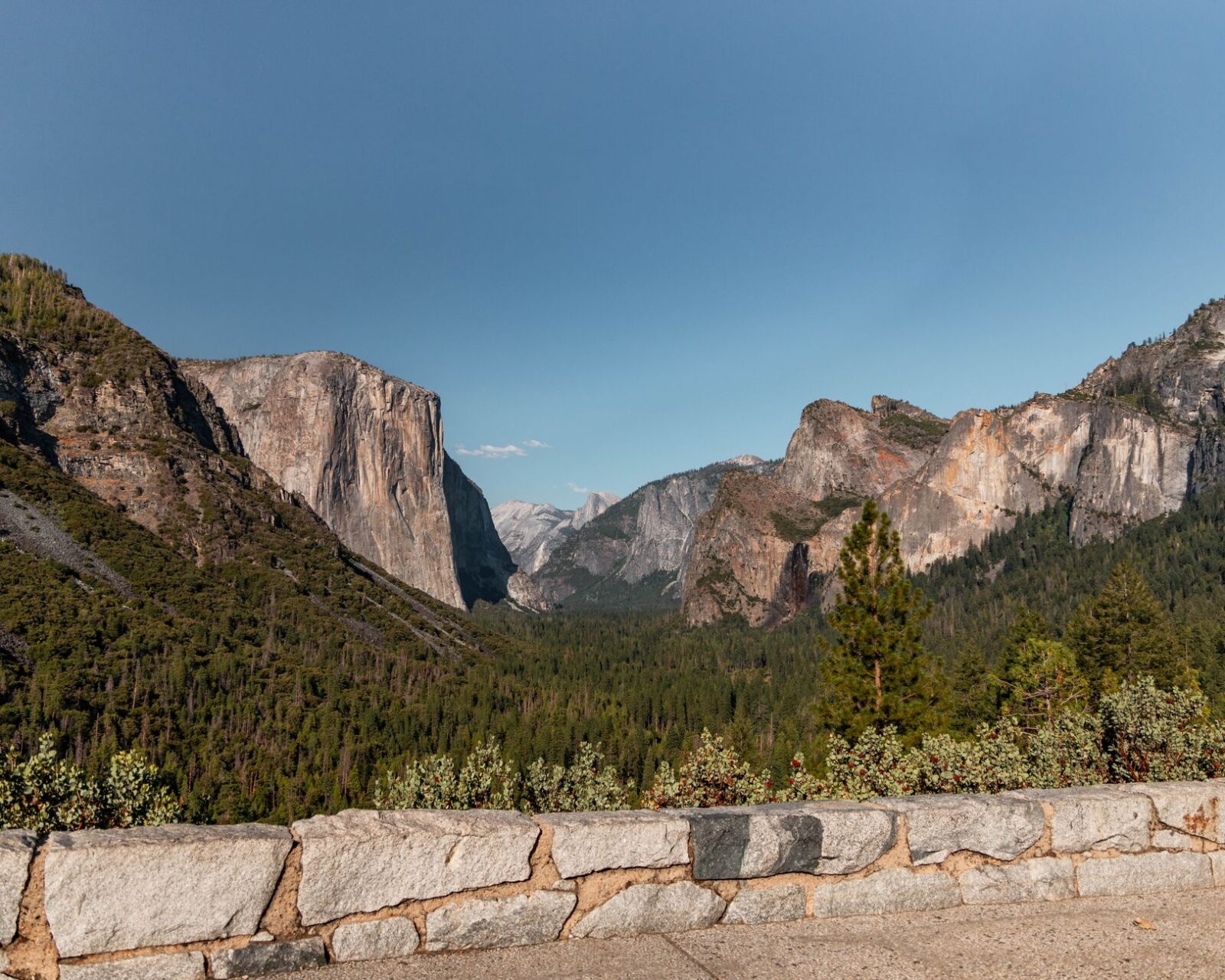
Amtrak Vacations Announces Major Discounts on Iconic National Park Rail Packages
Travelers dreaming of America’s most breathtaking landscapes now have a compelling reason to book soon. Amtrak Vacations has unveiled significant savings on rail-based vacations to Glacier National Park, the Grand Canyon, Yellowstone, and Yosemite, with discounts reaching up to $500 per couple for trips booked by August 31, 2026. This limited-time promotion applies to multi-day packages that combine scenic train travel with hotel stays and guided park experiences, making some of the country’s most sought-after destinations more accessible than ever. The offer comes as summer travel demand remains strong, positioning rail as both a scenic and economical alternative to flying or driving long distances.
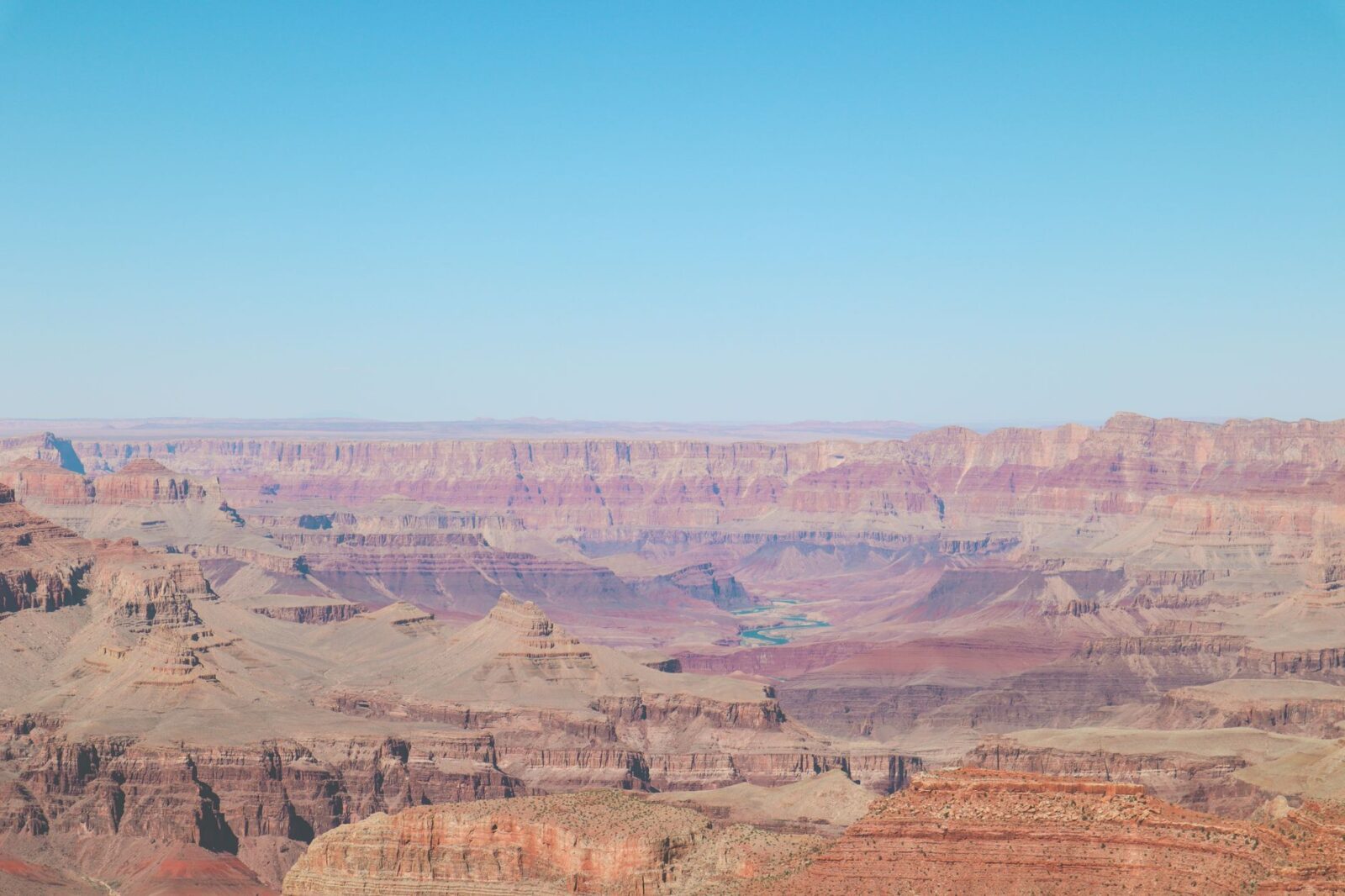
These savings are not isolated deals but part of a broader strategy to highlight the value of train travel for exploring the American West. Packages include routes on Amtrak’s legendary Empire Builder, which winds through the Northern Prairies and offers panoramic views en route to Glacier National Park, as well as connections to the Southwest Chief for Grand Canyon access. For Yellowstone and Yosemite, Amtrak Vacations coordinates seamless transfers from major rail hubs to park entrances, often including expert-led tours. The up to $500 discount is applied per couple, meaning solo travelers or families can also benefit proportionally, though exact savings vary by package and departure date.
Beyond the immediate price cuts, this promotion reflects a growing trend in experiential and sustainable travel. More travelers are seeking ways to reduce their carbon footprint while enjoying immersive journeys, and train travel emits significantly less CO2 per passenger than cars or domestic flights. According to Amtrak’s own data, traveling by train to national parks can reduce greenhouse gas emissions by up to 75% compared to flying. This aligns with global shifts where destinations from Switzerland to Japan are promoting rail tourism as a cornerstone of eco-conscious travel.
How the Amtrak Vacations National Park Savings Work
The current promotion is straightforward but time-sensitive: book any qualifying Amtrak Vacations package to Glacier, Grand Canyon, Yellowstone, or Yosemite by August 31, 2026, and receive up to $500 off per couple. The discount is applied directly to the package price at booking and does not require a coupon code. Eligible packages typically include round-trip railfare, hotel accommodations (often 3-4 star properties near park entrances), select meals, and guided excursions such as ranger-led walks, wildlife viewing tours, or scenic drives like Going-to-the-Sun Road in Glacier.
For example, a popular 6-night Glacier National Park package that normally retails for $1,899 per couple may drop to $1,399 during the promotion. Similarly, Grand Canyon packages combining the Southwest Chief train ride with stays in Williams or Flagstaff and guided South Rim tours see comparable reductions. Yellowstone itineraries, which often start in Chicago or Seattle and traverse the Empire Builder before connecting to ground transport, also fall under the discount umbrella. Travelers should note that blackout dates may apply during peak holiday weekends, and availability is subject to change.
It’s important to distinguish this offer from Amtrak’s standard USA Rail Pass, which is a separate product allowing flexible point-to-point travel. While the $499 USA Rail Pass (valid for 10 rides over 30 days) remains available through partners like Travelzoo, it does not include hotels or guided tours and is better suited for independent travelers. The Amtrak Vacations promotion, by contrast, is ideal for those who prefer a curated experience with logistics handled in advance—particularly appealing to international visitors, families, or those new to U.S. rail travel.
Why Rail Travel to National Parks Makes Sense in 2026
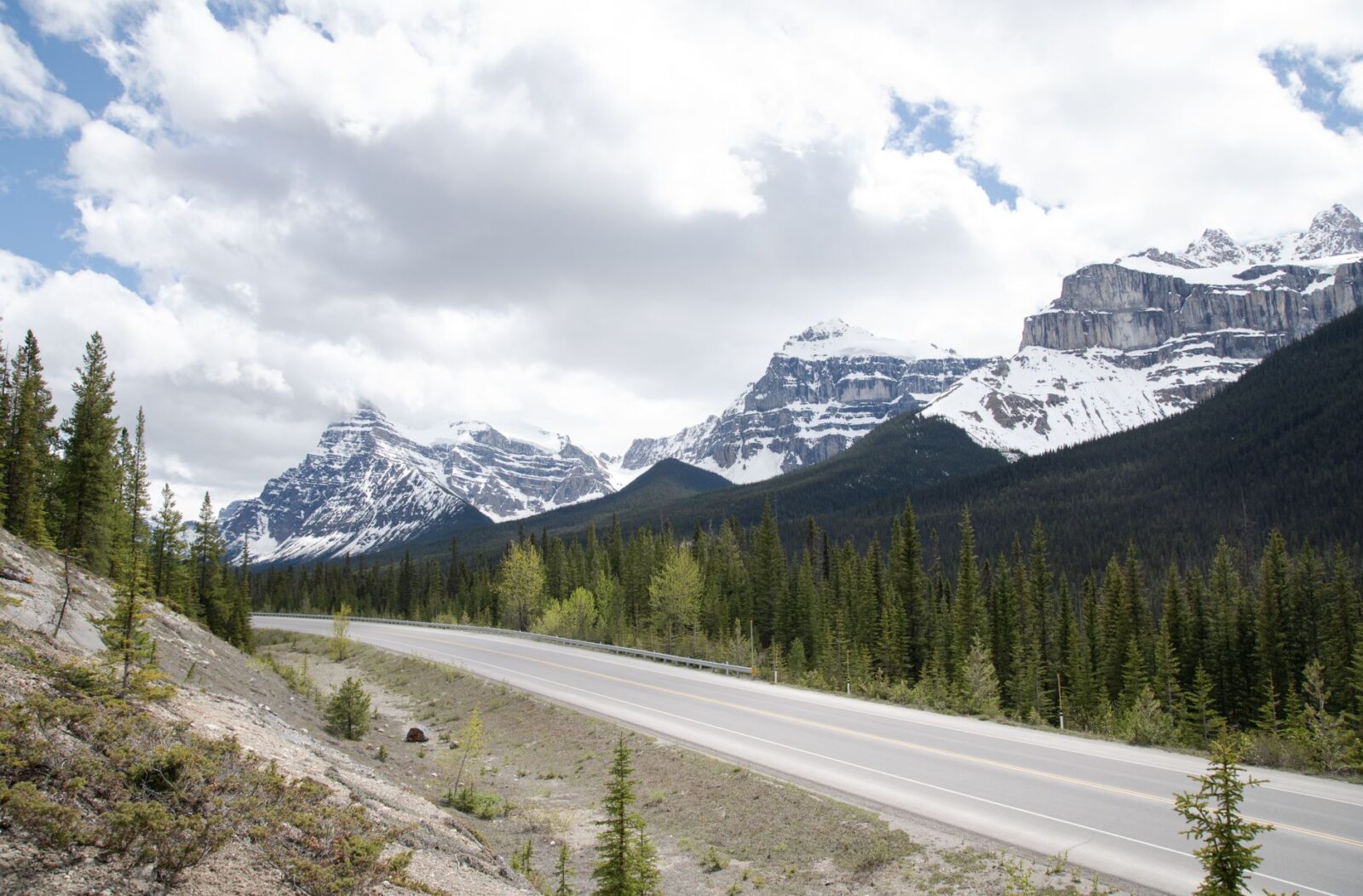
Choosing the train for a national park vacation offers advantages that go beyond cost savings. Unlike flying, which often requires lengthy drives from remote airports to park entrances, Amtrak stations are frequently located closer to gateway towns. For instance, the Empire Builder stops in Whitefish, Montana—just minutes from Glacier National Park’s west entrance—eliminating the need for a rental car upon arrival. Similarly, Amtrak’s Southwest Chief serves Flagstaff, a convenient base for exploring the Grand Canyon’s South Rim, with shuttle services running regularly to the park.
Comfort and scenery also set rail apart. Amtrak’s long-distance trains feature spacious coach seats, roomette accommodations for overnight privacy, and dining cars serving regionally inspired meals. Large windows provide uninterrupted views of landscapes that passengers flying overhead simply cannot appreciate—think endless wheat fields of North Dakota, the rugged Badlands of South Dakota, or the towering peaks of the Continental Divide. Many travelers report that the journey itself becomes a highlight of the trip, fostering a sense of anticipation and connection to the landscape.
From a practical standpoint, train travel reduces travel fatigue. Passengers can stretch their legs, visit the observation car, or work comfortably with access to power outlets and Wi-Fi on most routes. There’s no turbulence, no baggage fees for standard luggage, and no need to arrive hours early for security screening. For older travelers or those with mobility concerns, the ability to move freely during the journey is a significant advantage over cramped airline seats.
Broader Trends: How This Fits Into Global Rail Tourism Growth
The Amtrak Vacations promotion is not happening in a vacuum. It mirrors a resurgence in rail tourism worldwide, driven by climate awareness, flight shame (or ‘flygskam’), and investments in scenic rail networks. In Europe, countries like Switzerland and Austria continue to expand panoramic train routes such as the Glacier Express and Bernina Express, which attract hundreds of thousands of visitors annually. In Asia, Japan’s luxury rail trains like the Seven Stars in Kyushu and India’s Palace on Wheels offer high-end experiences that blend heritage, culture, and scenery.
Even in regions where rail infrastructure is less developed, governments are investing in tourist-focused routes. Morocco has upgraded its Marrakech-to-Ouarzazate line to better serve desert tourism, while Saudi Arabia is developing the Red Sea Rail project to connect luxury resorts along its western coast. In North America, Rocky Mountaineer in Canada and the upcoming Brightline West route between Las Vegas and Southern California signal growing confidence in rail as a tourism engine. Amtrak’s own long-distance routes, though sometimes criticized for punctuality, remain vital for accessing remote natural wonders.
This trend is further supported by changing traveler preferences. A 2025 survey by the U.S. Travel Association found that 42% of leisure travelers are now more likely to consider train travel for vacations under 1,000 miles compared to five years ago, citing environmental concerns and a desire for less stressful journeys. National parks, with their emphasis on preservation and natural beauty, are a natural fit for this mindset—making Amtrak Vacations’ current offer both timely and strategically aligned.
Practical Tips for Maximizing Your Savings and Experience
To get the most out of this promotion, travelers should act quickly and plan strategically. Since the discount expires on August 31, 2026, booking early ensures the best selection of departure dates and hotel availability. Flexibility with travel dates can also yield better results—midweek departures often have lower baseline prices, meaning the $500 discount represents a larger percentage savings. Travelers should also consider bundling; for example, combining a Glacier visit with a stop in Waterton Lakes National Park in Canada (accessible via shuttle from Glacier) adds international flavor without complicating logistics.
When selecting a package, pay close attention to what’s included. Some lower-priced options may exclude key experiences like guided tours or park entrance fees, which can add $35–$40 per person at Yellowstone or Yosemite. Look for packages that specifically mention ‘ranger-led programs,’ ‘scenic drives,’ or ‘wildlife safaris’ to ensure a rich, educational experience. Reading recent traveler reviews on platforms like TripAdvisor or Trustpilot can reveal insights about hotel quality, guide expertise, and overall value.
Finally, consider travel insurance. While Amtrak Vacations packages are generally refundable up to a point, policies vary, and unexpected events—such as wildfire-related park closures or extreme weather—can disrupt plans. A comprehensive travel insurance plan that covers trip cancellation, interruption, and medical emergencies offers peace of mind, especially when visiting remote areas where evacuation costs can be high. Many providers now offer policies tailored to national park visitors, including coverage for altitude sickness or hiking-related injuries.
What This Means for the Future of U.S. Rail Tourism
If this promotion generates strong booking numbers, it could encourage Amtrak Vacations to expand similar discounts to other national parks and scenic rail corridors. Parks like Zion, Bryce Canyon, and Arches—though not directly on Amtrak lines—are accessible via connecting bus or shuttle from rail hubs in Utah and Colorado, suggesting potential for expanded multi-park rail itineraries. The success of such offers may also pressure Congress to increase funding for long-distance Amtrak routes, which have historically operated on thin margins despite their importance to rural tourism.
There’s also growing interest in reinstating or expanding seasonal services. For example, the former North Coast Hiawatha route, which once connected Chicago to Seattle via southern Montana and Yellowstone country, remains a topic of advocacy among rail enthusiasts. While full restoration faces hurdles, seasonal or weekend excursion trains to gateway towns could serve as a viable alternative. Similarly, enhanced Thruway bus connections from Amtrak stations to park entrances—already in place for Yosemite via Merced—could be improved and promoted as seamless extensions of the rail journey.
Ultimately, offers like this one do more than fill seats; they reintroduce a generation of travelers to the unique pleasures of rail travel. By making national park vacations more affordable and convenient, Amtrak Vacations is helping to rebuild appreciation for a mode of transport that once defined American exploration. As climate concerns grow and travelers seek meaningful, low-impact adventures, the train may well reclaim its place as the preferred way to reach America’s wildest and most wonderful places.
Stay informed with the latest travel news, visa updates, and destination guides. Follow HimalayanCrest.com for weekly travel intelligence delivered by our editorial team.