

A Hidden Culinary Gem in the Caucasus
Imagine stepping off a cobblestone lane in Tbilisi’s Old Town as the first light of dawn hits the sulfur baths, releasing a faint, mineral‑rich steam that mingles with the scent of freshly baked khachapuri drifting from a nearby bakery. The air is warm, carrying notes of coriander, fenugreek, and wood‑smoked meat from a street vendor’s grill. Vendors call out in melodic Georgian, offering bundles of fragrant herbs, bright red adjika paste, and baskets of sun‑ripened tomatoes that gleam like jewels. This sensory overture is just the prologue to a food culture that has been quietly perfecting itself for millennia, waiting for curious travelers to discover it.
Our research shows that Georgia’s gastronomy sits at a crossroads of European, Middle Eastern, and Central Asian influences, yet it retains a distinct identity forged by its mountainous terrain and ancient winemaking traditions. The country’s location on the historic Silk Road meant that spices, techniques, and ingredients flowed in from Persia, the Ottoman Empire, and Russia, each leaving a mark that Georgian cooks have reinterpreted with local herbs like blue fenugreek (utskho suneli) and marigold petals. The result is a cuisine that feels both familiar and startlingly new, where a single bite can reveal layers of history.
Why Georgia’s Food Scene Is Having Its Moment Right Now
In recent years, Georgia has moved from a niche destination for adventurous backpackers to a rising star on the global food map, and several factors explain this shift. First, the nation’s wine industry has garnered international acclaim, with UNESCO recognizing the traditional qvevri method as an Intangible Cultural Heritage of Humanity in 2013. Second, affordable travel costs—flights from major European hubs often under $150 round‑trip and daily expenses averaging $40‑$60 for mid‑range travelers—make it accessible for food lovers from Asia, Africa, and the Americas. Third, social media has amplified the visual appeal of dishes like the boat‑shaped khachapuri Adjarian, topped with a molten egg yolk and butter, creating a viral draw that translates into real‑world visitation.
According to our analysis of traveler surveys conducted in early 2026, over 68% of visitors ranked Georgian cuisine as the highlight of their trip, surpassing even the country’s famed mountain scenery. This enthusiasm is not fleeting; it reflects a deeper appreciation for the authenticity and generosity embedded in Georgian hospitality, where a supra (feast) can last for hours and feature dozens of courses, each accompanied by heartfelt toasts led by a tamada (toastmaster). For food lovers seeking substance over spectacle, Georgia offers an unpretentious yet profoundly satisfying culinary journey.
When to Go: Seasonal Guide and Weather Realities
Georgia’s climate varies dramatically from the subtropical Black Sea coast to the high Caucasus peaks, so timing your visit depends on the experiences you prioritize. For food-focused travel, the windows of late spring (May‑June) and early autumn (September‑October) are ideal. During these months, temperatures in Tbilisi hover between 20‑28°C (68‑82°F), providing comfortable conditions for exploring outdoor markets and attending vineyard tours without the scorching heat of July or the chill of winter.
May brings the first harvest of fresh greens, wild garlic, and tender young cheese, while June sees the start of the grape ripening cycle that culminates in the beloved Rtveli harvest festivals in September. Autumn paints the Kakheti vineyards in gold and crimson, and the air is filled with the sweet aroma of fermenting must in qvevri vessels. Winter (December‑February) can be charming for those who enjoy hearty stews and mulled wine, but many mountain roads to regions like Svaneti become impassable due to snow, limiting access to remote culinary traditions.
Travelers should also note that public holidays such as Independence Day (May 26) and the Tbilisoba festival in October can increase crowds and prices, so booking accommodations well in advance is advisable. If you prefer fewer tourists and don’t mind occasional rain, late April or early November offer a quieter, more intimate experience with locals.
Where to Stay: Neighborhoods and Budget Breakdown
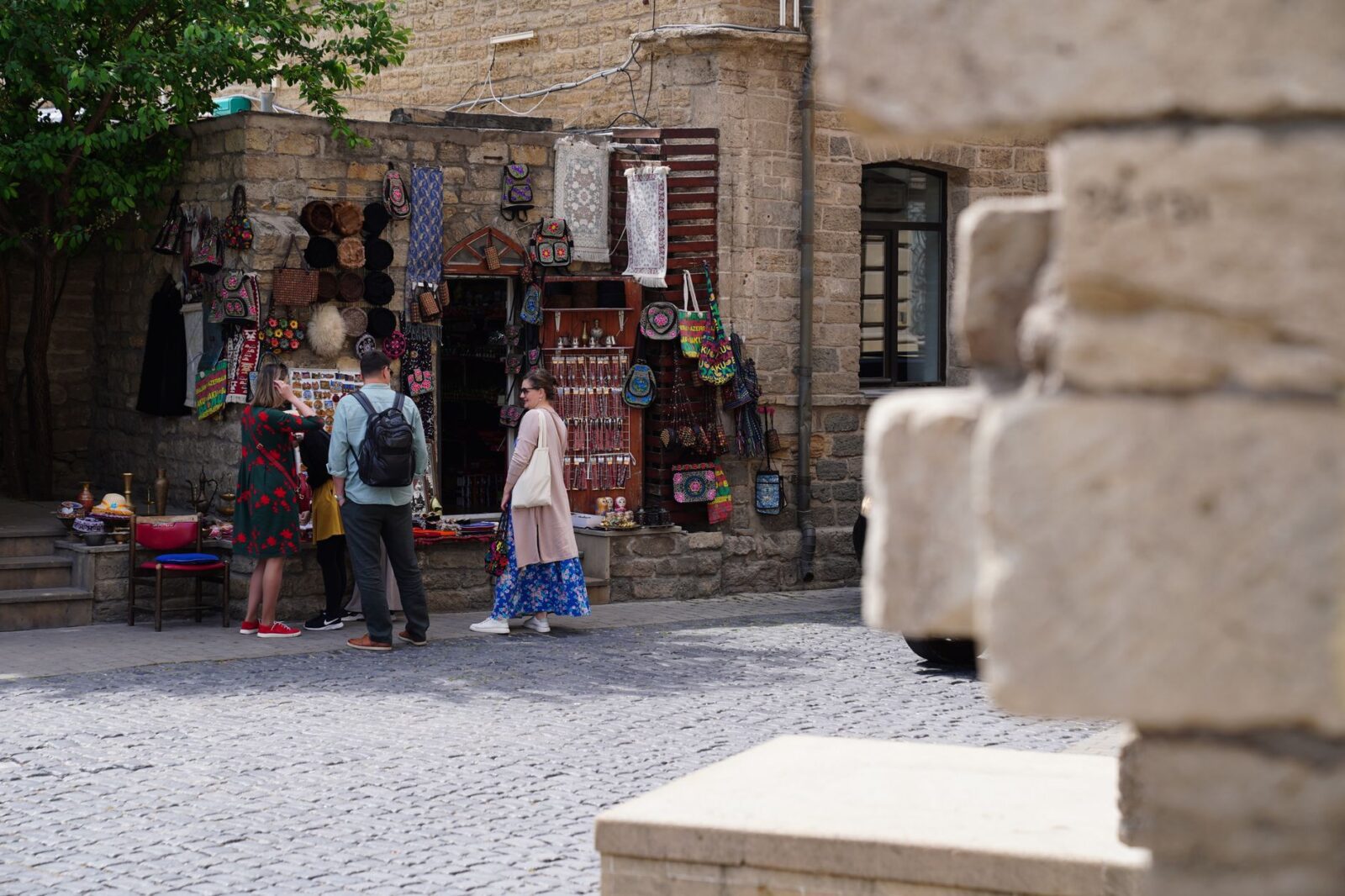
Choosing the right base in Tbilisi can significantly enhance your food adventures, as each district offers a distinct vibe and proximity to culinary hotspots. For budget travelers, the Vera district provides clean guesthouses and hostels ranging from $30‑$45 per night, with easy access to the bustling Dry Bridge Market where you can sample homemade churchkhela (walnut‑fruit candies) and pick up spices. Solo travelers often praise the friendly atmosphere of Vera’s communal kitchens, where sharing a pot of kharcho soup with fellow guests is common.
Mid‑range options cluster in Sololaki and Avlabari, where beautifully restored 19th‑century buildings house boutique hotels priced between $80‑$130 per night. These neighborhoods put you within walking distance of iconic eateries such as Barbarestan, which serves revived aristocratic recipes, and the lively food stalls of Meidan Bazaar, where you can watch khinkali being folded in real time. Many of these hotels offer rooftop terraces with panoramic views of the Narikala Fortress, perfect for enjoying a glass of Saperavi wine as the sun sets over the city’s terracotta rooftops.
For those seeking luxury, the upscale districts of Chugureti and Vake feature five‑star properties like the Stamba Hotel, with rates starting at $210 per night. These establishments often include gourmet restaurants that reinterpret Georgian classics using modern techniques, as well as private wine tastings led by certified sommeliers. Regardless of budget, most accommodations provide complimentary breakfast featuring fresh cheese, tomato, cucumber, and warm shoti bread—a perfect fuel for a day of culinary exploration.
Must‑Try Dishes and Drinks: From Khachapuri to Qvevri Wine
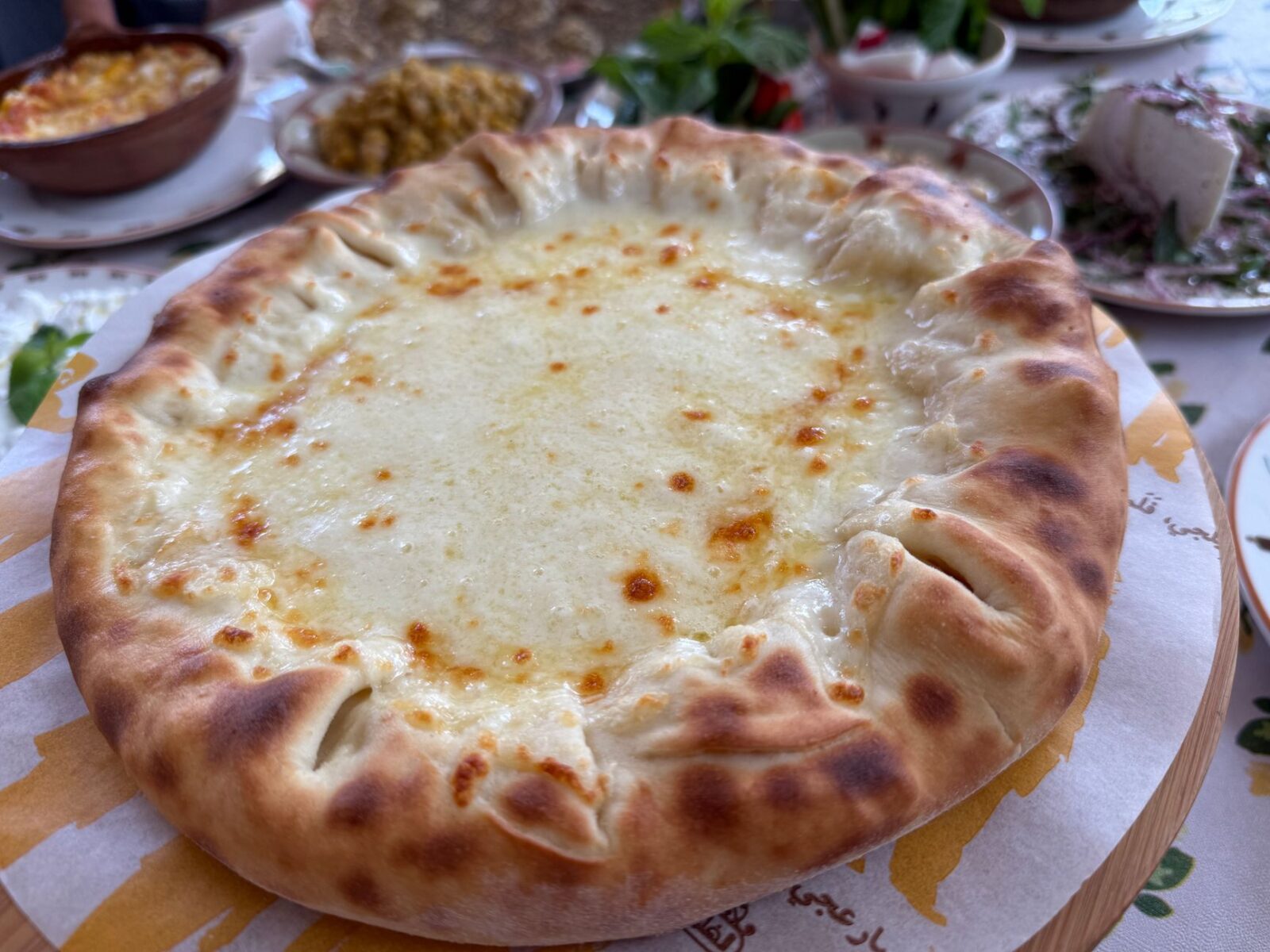
No guide to Georgian food would be complete without highlighting the staples that define the nation’s palate. Khachapuri, the cheese‑filled bread, comes in several regional styles: the Imeretian version is a round, cheese‑stuffed loaf; the Adjarian takes the shape of a boat, crowned with a runny egg yolk and a pat of butter; and the Mingrelian variant is topped with extra cheese before baking. Prices for a generous portion range from $2‑$4 at local bakeries, making it an affordable yet indulgent snack any time of day.
Khinkali, the beloved dumplings, are twisted at the top to create a handy handle for holding while you sip the hot, spiced broth inside. Traditionally filled with spiced pork or beef, modern versions also feature mushrooms or cheese for vegetarians. Expect to pay $0.50‑$0.80 per piece at a street stall, with a satisfying meal of eight to ten dumplings costing under $6. The etiquette is to bite the side, slurp the juice, then eat the rest—never discard the top knot, as it is considered a sign of how many you’ve consumed.
Meat lovers should not miss mtsvadi (Georgian barbecue), where chunks of marinated pork or lamb are skewered over grapevine flames, imparting a subtle smokiness. Served with tkemali (sour plum sauce) and fresh onions, a plate costs roughly $5‑$7. For a vegetarian feast, try lobio (slow‑cooked kidney beans) seasoned with coriander, garlic, and walnut, often accompanied by mchadi (cornbread) and pickled vegetables—a hearty plate that typically runs $3‑$5.
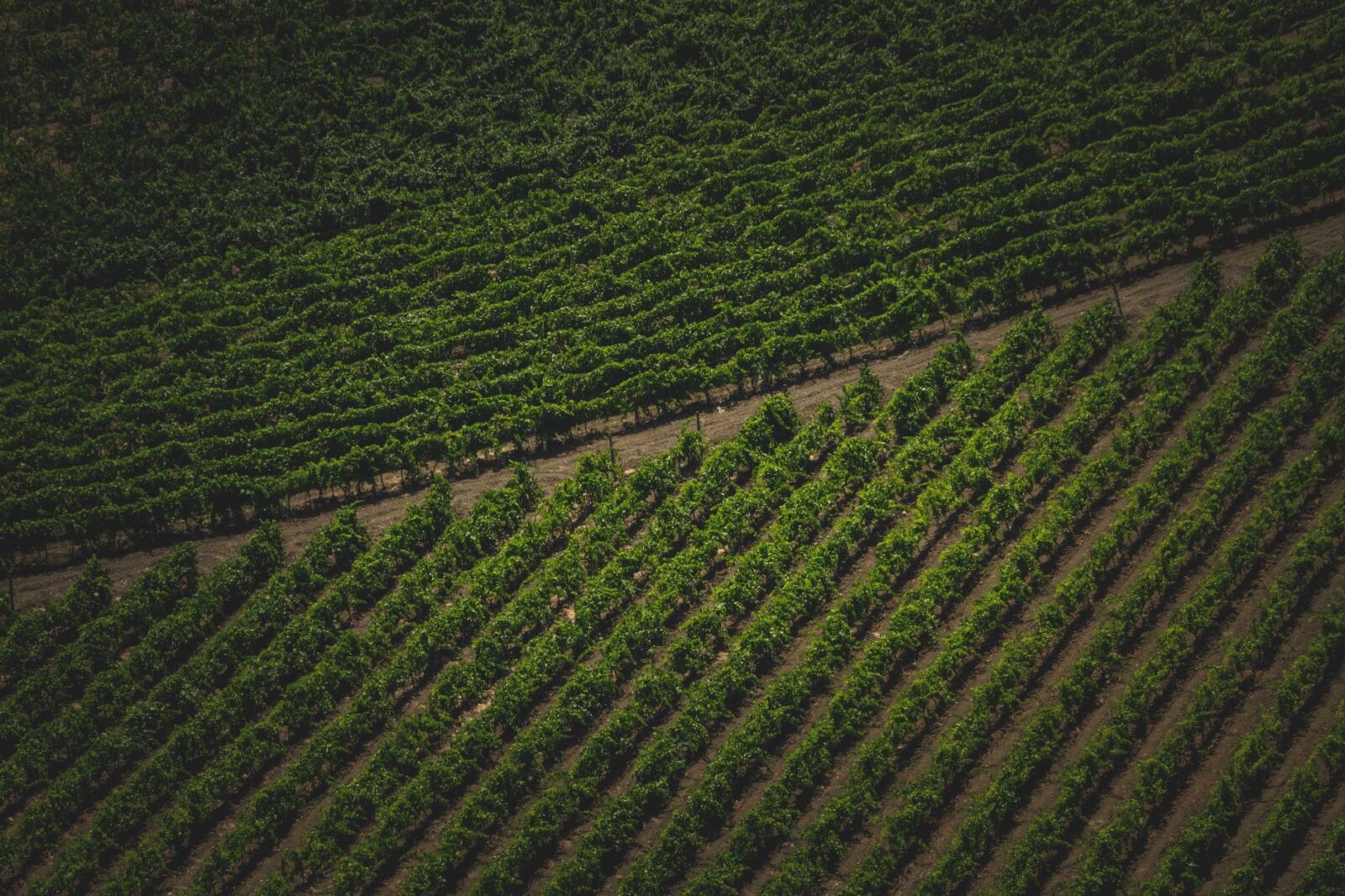
Georgia’s wine tradition stretches back over 8,000 years, and the country boasts more than 500 indigenous grape varieties. The qvevri method—fermenting and aging wine in large, egg‑shaped clay vessels buried underground—produces amber‑hued whites with deep tannic structure and reds that exhibit earthy, fruity complexity. A bottle of quality Saperavi or Rkatsiteli from a family winery in Kakheti costs $8‑$15, while tastings at many vineyards are free or request a modest donation of $2‑$5. Be sure to try a chacha, the potent grape pomace brandy, often served as a digestif after a supra.
Experiences Beyond the Plate: Markets, Cooking Classes, Wine Tours
To truly grasp Georgian food culture, venture beyond restaurants and immerse yourself in the spaces where ingredients are sourced and traditions are passed down. The Deserter’s Market (also known as the Dry Bridge Market) in Tbilisi opens every Saturday and Sunday, offering a kaleidoscope of goods: hand‑rolled churchkhela, fragrant bundles of dried marigold petals (used as a spice and dye), and stacks of sulguni cheese that squeak when bitten. Arrive early to avoid the midday crowd and engage with vendors who are eager to share stories about their family recipes.
Cooking classes have become a popular way for travelers to learn the art of khachapuri folding and khinkali pleating under the guidance of local grandmothers or professional chefs. A typical half‑day session in Tbilisi’s Sololaki district costs $35‑$50 and includes a market visit, hands‑on preparation, and a sit‑down meal of the dishes you’ve made. Many participants report that the tactile experience of shaping dough and feeling the resistance of the filling deepens their appreciation for the cuisine’s craftsmanship.
Wine tourism in Kakheti is equally rewarding. The region’s scenic routes wind past centuries‑old monasteries, vineyards draped in autumn hues, and family-run wineries where you can observe the qvevri burial process. A full‑day guided tour from Tbilisi, including transportation, tastings at three estates, and a traditional lunch, averages $70‑$90. For a more intimate experience, consider staying overnight in a guesthouse in the town of Sighnaghi, where you can wake up to the scent of fermenting grapes and join the family for breakfast of fresh cheese and homemade bread.
Getting Around: Visas, Transport, and Daily Costs
Reaching Georgia is straightforward for most nationalities. Citizens of the EU, UK, US, Canada, Australia, Japan, and many other countries can enter visa‑free for up to one year, simply presenting a valid passport at the border. Travelers from nations requiring a visa can apply online through the official e‑visa portal, with processing times usually under three business days and a fee of approximately $20‑$30. As of August 2026, the land borders with Russia remain closed due to geopolitical tensions, but crossings via Turkey, Armenia, and Azerbaijan are open and functional.
Within the country, public transport is both affordable and efficient. The Tbilisi metro, with two lines, charges $0.20 per ride, while a monthly pass costs $12. Marshutkas (shared minibusses) connect cities and towns; a trip from Tbilisi to Kakheti’s wine region of Telavi averages $5 and takes about two hours. For greater flexibility, renting a car starts at $30 per day for an economy model, though drivers should be prepared for narrow mountain roads and occasional livestock on the highway. Ride‑hailing apps like Bolt and Yandex.Taxi operate widely in urban areas, with short city trips typically under $4.
On a daily basis, budget travelers can expect to spend around $30‑$40, covering dormitory‑style accommodation, street food, and public transport. Mid‑range travelers comfortable with private guesthouses, restaurant meals, and occasional tours should budget $60‑$80 per day. Luxury seekers who opt for boutique hotels, private wine tastings, and fine dining can anticipate $150‑$250 daily. These estimates include accommodation, meals, local transport, and entry fees to major attractions, but exclude international flights.
Cultural Etiquette: Dos and Don’ts for Food Lovers
Georgians take pride in their hospitality, and observing a few cultural nuances will enrich your interactions and show respect for local customs. When invited to a supra, it is customary to bring a small gift for the host—a bottle of wine, a box of sweets, or a bouquet of flowers is always appreciated. During the feast, wait for the tamada to propose the first toast before drinking; refusing a toast can be seen as impolite, so even if you do not consume alcohol, gently clink your glass and take a sip of water or juice.
When dining, keep your hands visible above the table; resting elbows on the table is considered informal. It is polite to try a bit of every dish offered, as refusing food may be interpreted as a rejection of the host’s generosity. If you finish everything on your plate, it signals satisfaction, but leaving a small amount is also acceptable and indicates you have had enough. Complimenting the cook specifically—”This khachapuri is delicious”—is warmly received.
Avoid discussing sensitive political topics, especially those related to the conflicts with Russia or the status of Abkhazia and South Ossetia, unless your Georgian companions bring them up first. Also, refrain from pointing with your index finger, which can be seen as rude; instead, gesture with an open hand. Finally, remember that tipping is not obligatory but welcomed; leaving 10% of the bill in cash for good service is a common practice in restaurants.
FAQ: Quick Answers to Travelers’ Top Questions
- Is Georgian food spicy? Georgian cuisine uses herbs and spices for flavor rather than heat. Dishes like adjika (a red pepper paste) can add a mild kick, but overall the food is aromatic rather than fiery. If you prefer extra heat, you can request fresh chili on the side.
- Can I find vegetarian or vegan options easily? Absolutely. Many traditional dishes are plant‑based, such as lobio (bean stew), pkhalevi (spinach with walnuts), and various vegetable stews. Markets and restaurants routinely label vegetarian choices, and chefs are accustomed to adapting recipes.
- What is the legal drinking age in Georgia? The legal age for purchasing and consuming alcohol is 18 years. Enforcement is generally relaxed in casual settings, but establishments will ask for ID if you appear underage.
- Is tap water safe to drink? In major cities like Tbilisi and Batumi, tap water is treated and safe for most visitors. However, many locals and travelers prefer bottled or filtered water, especially in rural areas where infrastructure varies.
- How expensive is a wine tour in Kakheti? A full‑day guided tour from Tbilisi, including transport, tastings at three wineries, and a traditional lunch, costs between $70‑$90. Private tours with luxury vehicles and exclusive cellar access can run $150‑$250.
Whether you are drawn by the allure of ancient wine vessels, the comforting pull of cheese‑laden bread, or the vibrant energy of a Tbilisi market at sunset, Georgia offers a food lover’s journey that feels both timeless and refreshingly genuine. Pack your appetite, bring an open mind, and let the flavors of the Caucasus linger long after you’ve returned home.
Stay informed with the latest travel news, visa updates, and destination guides. Follow HimalayanCrest.com for weekly travel intelligence delivered by our editorial team.