

Beyond the Canal: Panama’s New Tourism Push
For years, the Panama Canal and the glittering skyline of Panama City have defined the country’s image to international travelers. In 2025, Panama welcomed close to 3 million international visitors, marking an estimated 8% increase over the previous year and reinforcing the nation’s ambition to diversify its tourism base. Recognizing that over‑reliance on the capital limits seasonal spread and regional benefits, the Panamanian Tourism Authority unveiled a 2026 strategy that channels investment into heritage zones, marine corridors, and highland communities. The goal is simple: encourage visitors to linger longer, spend more widely, and experience the cultural mosaic that stretches from the Pacific coast to the Caribbean archipelago.
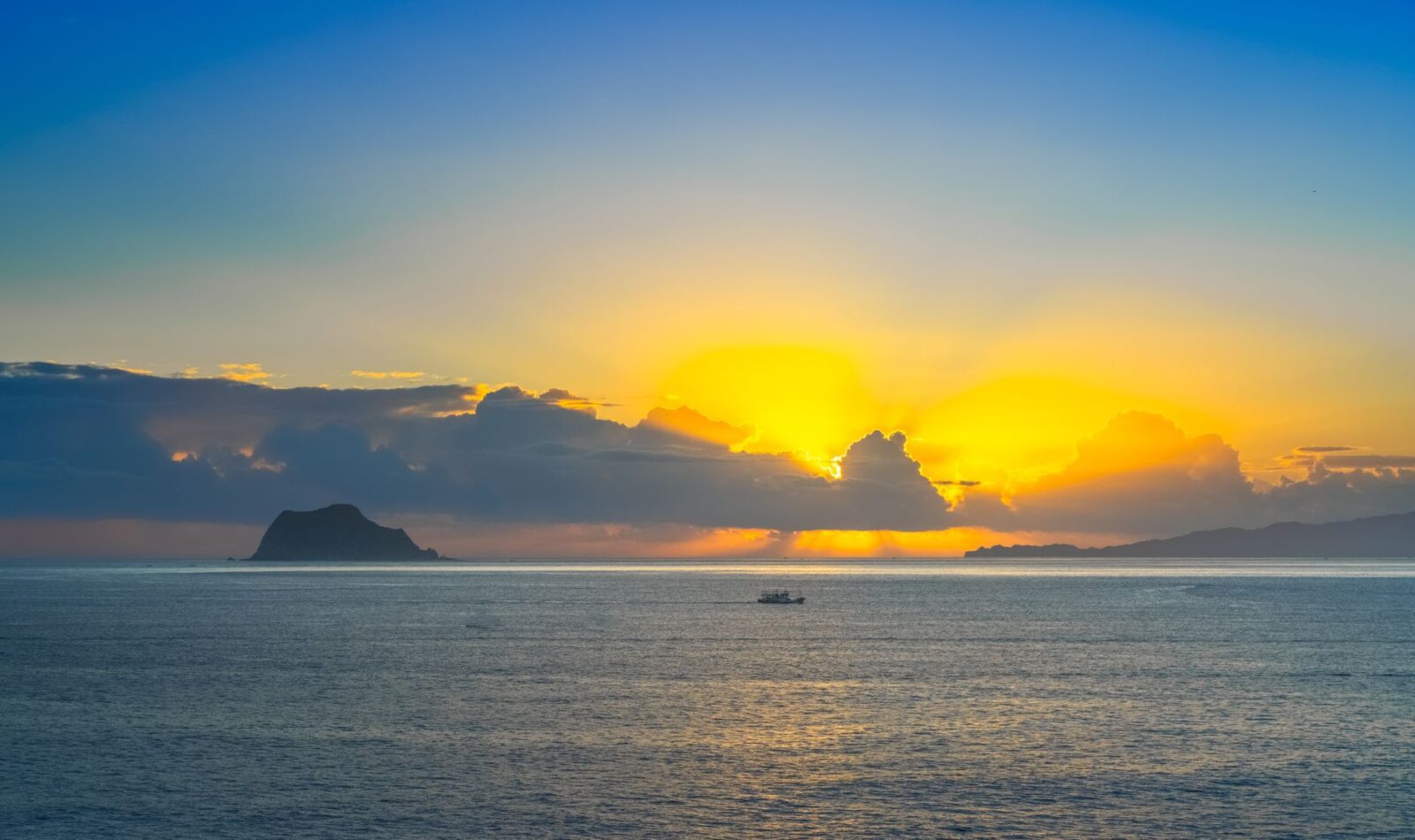
This shift is not merely promotional; it is backed by concrete upgrades in roads, accommodation standards, and visitor services. In Azuero, the peninsula that houses the provinces of Herrera and Los Santos, new boutique hotels and restored colonial facades now line the main plazas of towns like Las Tablas and Chitré. Meanwhile, in Guna Yala, the semi‑autonomous indigenous comarca known internationally as the San Blas Islands, upgraded docks, solar‑powered micro‑grids, and community‑run information centers have begun to appear on the larger cays. These changes aim to balance accessibility with the Guna people’s longstanding stewardship of their marine environment.
Early data from the first half of 2026 show a noticeable uptick in overnight stays outside Panama City, with hotel occupancy in Azuero rising by roughly 12% year‑on‑year and bookings for island hopping in Guna Yala up by nearly 18%. While the Canal still draws the largest single‑day crowds, the broader dispersal of tourism revenue is already evident in local markets, where demand for handicrafts, fresh produce, and guided tours has grown.
Azuero’s Cultural Renaissance: Festivals, Heritage, and Infrastructure
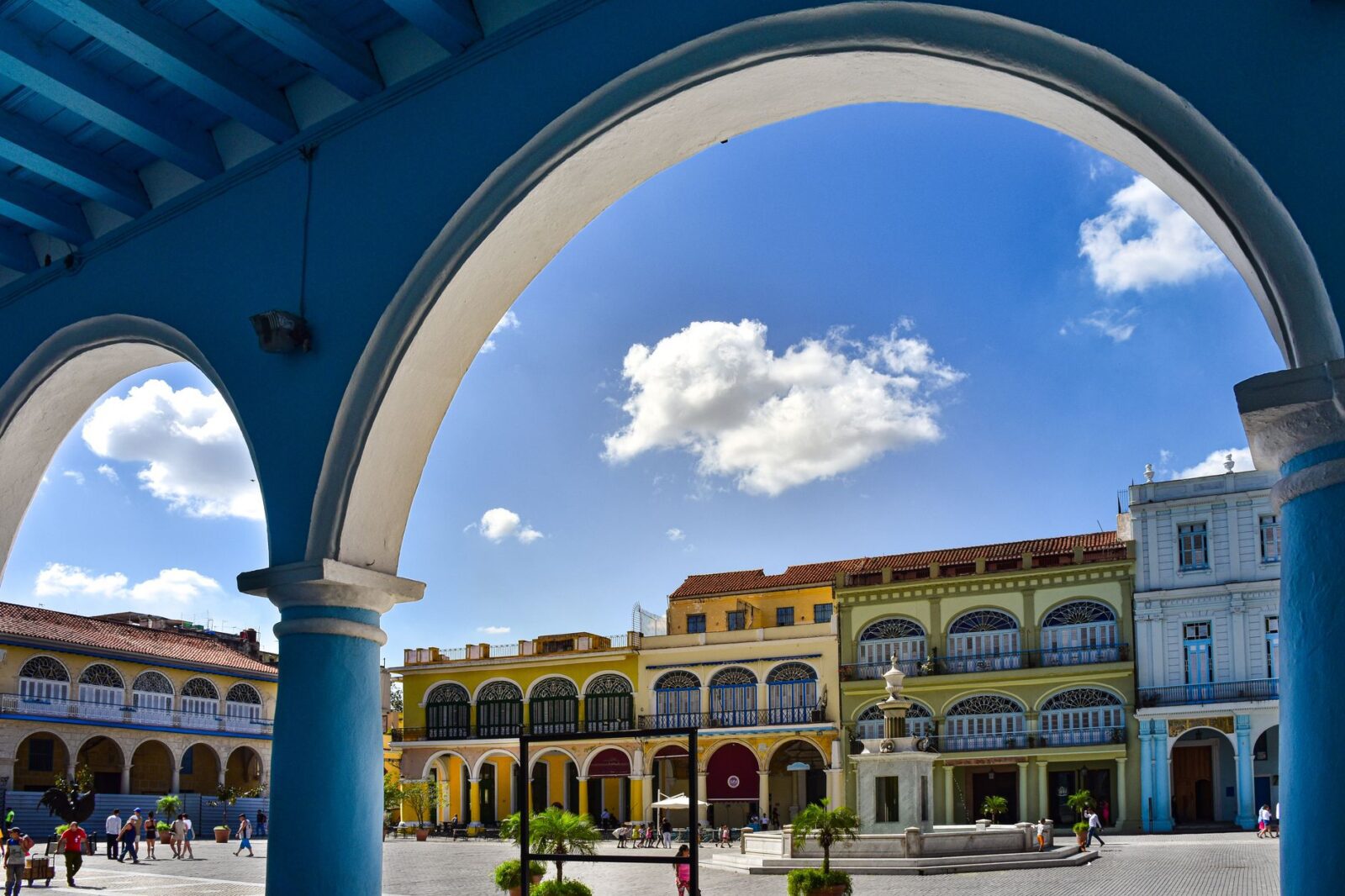
The Azuero Peninsula is often called the “cultural heart” of Panama, a reputation built on centuries‑old traditions, religious processions, and a vibrant agricultural sector. In 2026, the region’s most prominent event, the International Fair of Azuero (Feria Internacional de Azuero), welcomed over 150,000 attendees across its ten‑day run, a figure bolstered by improved security logistics. Authorities deployed more than 700 police officers to manage crowd control, traffic flow, and emergency response, a move that reassured both visitors and local vendors.
Beyond the fairgrounds, infrastructure upgrades have made it easier for travelers to explore Azuero’s diverse offerings. The Pan‑American Highway segment that traverses the peninsula received resurfacing and widened shoulders, reducing travel time between Chitré and the coastal town of Pedasí by approximately 20 minutes. New signage in Spanish and English now directs tourists to hidden gems such as the Cerro Hoya National Park trailheads and the tidal mangroves of La Barqueta.
Accommodation options have also evolved. A cluster of eco‑lodges near the village of La Villa de Los Santos now offers solar‑heated showers, organic farm‑to‑table meals, and guided bird‑watching walks that highlight species like the Azuero parakeet and the elusive jaguarundi. For those seeking a more urban stay, the renovated Hotel Museo in Las Tablas combines colonial architecture with modern amenities, charging roughly $90 per night for a double room in high season.
Food remains a major draw. Visitors can sample traditional dishes such as sancocho de gallina (a hearty chicken stew), tamales wrapped in banana leaves, and fresh ceviche made with Pacific corvina. Local cooperatives have begun offering culinary tours that include visits to sugar cane plantations, dairy farms, and coffee cooperatives, providing a transparent look at the region’s agrarian economy.
Guna Yala’s Island Autonomy: Traveling the San Blas with Respect
Guna Yala, an indigenous comarca that governs its own territory along Panama’s Caribbean coast, comprises roughly 365 islands, of which about 40 are inhabited. The Guna people have maintained political autonomy since the early 20th century, a fact reflected in the requirement that all non‑Guna visitors obtain a transit permit issued by the comarca’s congress. In 2026, the permit process was streamlined through an online portal, reducing average waiting time from 48 hours to under 12 hours for most applicants.
The islands themselves are renowned for their pristine coral reefs, powdery white sands, and traditional thatched‑roof huts known as ulu. Visitors often arrive via chartered catamarans departing from Cartagena or Colón, with typical day‑trip rates starting at $150 per person for a shared vessel that includes snorkel gear, a bilingual guide, and a lunch of freshly caught lobster. Private charters for groups of six to eight can range from $900 to $1,300 per day, depending on vessel size and itinerary.
Cultural etiquette remains paramount. Travelers are expected to ask permission before photographing individuals, to dress modestly when visiting villages, and to refrain from removing shells or coral from the beaches. Many tour operators now incorporate a brief cultural orientation led by Guna elders, explaining the significance of the mola textile art and the communal decision‑making process that governs resource use.
Environmental stewardship is also a growing focus. In response to rising visitor numbers, several islands have instituted user‑fee systems that fund reef monitoring and waste‑management projects. For example, the island of El Porvenir, which serves as the comarca’s administrative center, charges a modest $5 per person per day environmental fee that contributes to solar‑powered water desalination units and regular beach clean‑ups.
El Valle de Antón: Mountain Adventures Complement the Coast
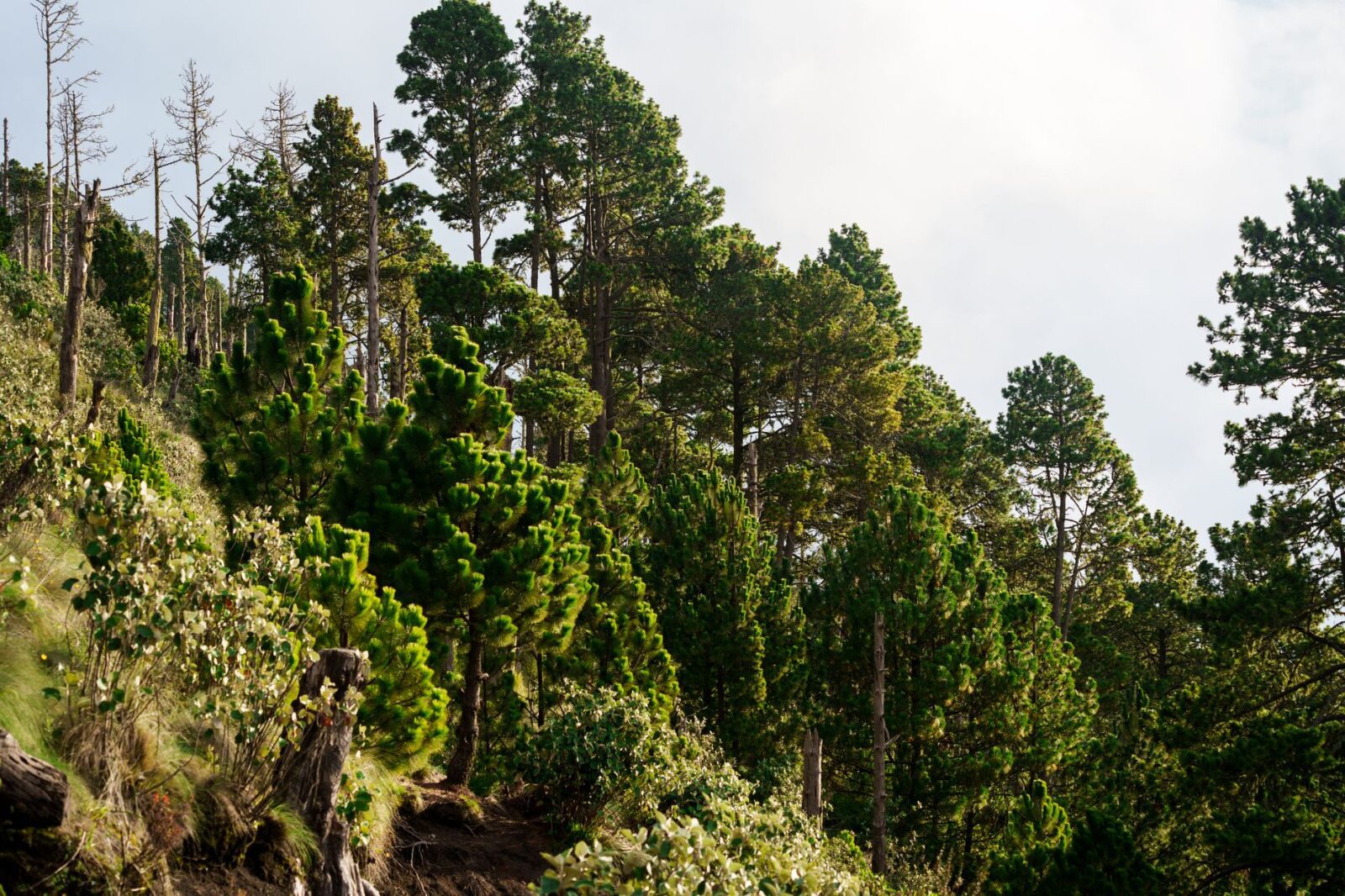
While Azuero and Guna Yala capture the coastal and cultural narratives, the highland valley of El Valle de Antón offers a contrasting experience defined by cloud‑forest trails, hot springs, and artisanal markets. Nestled within the caldera of an extinct volcano, the town sits at roughly 600 meters above sea level, providing a cooler climate that attracts travelers seeking respite from the tropical lowlands.
Recent investments have improved access to the valley’s natural attractions. The road linking El Valle to the Inter‑American Highway was repaved in early 2026, reducing travel time from Panama City to under two hours. New trail markers now guide hikers to landmarks such as La India Dormida, a rock formation nicknamed the “Sleeping Indian,” and the Chorro El Macho waterfall, where visitors can swim in emerald pools.
Accommodation ranges from budget hostels priced at $25 per night for a dormitory bed to mid‑range lodges offering private cabins with fireplace heating for about $80 per night. Many establishments emphasize sustainability, using rainwater harvesting systems and serving organic produce sourced from nearby farms.
The valley’s market, held every Saturday, showcases handicrafts made from tagua nut (vegetable ivory), woven baskets, and locally roasted coffee. Visitors can also participate in guided tours of orchid nurseries or join a night‑walk to spot the elusive glass frog, a species whose translucent skin reveals its internal organs under moonlight.
How Panama’s 2026 Tourism Strategy Is Reshaping Visitor Flows
Panama’s tourism authorities have adopted a data‑driven approach to disperse visitor traffic. By analyzing entry‑point statistics, hotel occupancy rates, and tour‑operator reports, officials identified three under‑served corridors: the Azuero cultural circuit, the Guna Yala marine corridor, and the Central Highlands nature loop. Targeted marketing campaigns now highlight these zones in key source markets such as the United States, Canada, Colombia, and Germany.
One measurable outcome is the extension of average length of stay. In 2025, the typical international visitor spent 3.2 nights in Panama; preliminary 2026 figures suggest an increase to 3.8 nights, driven largely by travelers who combine a Canal visit with a multi‑day island hop or a highland retreat. This shift has positive implications for local economies, as tourism spending becomes more evenly distributed across sectors such as agriculture, fisheries, and handicrafts.
Furthermore, the strategy emphasizes public‑private partnerships. For instance, a consortium of local hoteliers in Azuero secured a matching grant from the Ministry of Tourism to develop a regional training program for guides, focusing on English proficiency, first aid, and cultural interpretation. In Guna Yala, a similar initiative funds the installation of solar lanterns on community docks, improving safety for night‑time fishing activities while reducing reliance on diesel generators.
Practical Tips: When to Go, What to Pack, and Budget Breakdown
Timing a trip to Panama’s emerging destinations requires attention to both weather patterns and local calendars. The dry season, spanning mid‑December through April, offers the most reliable sunshine for beach activities in Azuero and sailing in Guna Yala, with average daytime temperatures ranging from 28°C to 32°C (82°F to 90°F). The wet season, from May to November, brings afternoon showers but also lush vegetation and fewer crowds, making it ideal for valley hikes and cultural festivals that often peak in September and October.
Packing recommendations vary by zone. For Azuero’s coastal towns, lightweight clothing, a wide‑brimmed hat, reef‑safe sunscreen, and sturdy sandals are essential. In Guna Yala, travelers should bring a quick‑dry towel, a dry bag for electronics, and a modest amount of cash (small bills) for community fees and artisan purchases. In El Valle de Antón, a light fleece, waterproof jacket, and sturdy hiking boots will serve well on misty trails.
Budget planning can be tailored to different travel styles. A modest backpacker itinerary that includes two nights in Panama City, three nights in Azuero (hostel + meals), and two nights sailing in Guna Yala (shared catamaran + permit) averages around $850 per person for a week. A mid‑range experience featuring boutique hotels, private catamaran charters, and guided valley tours typically falls between $1,500 and $2,000 for seven days. Luxury travelers opting for all‑inclusive lodges, private guides, and premium dining can expect expenditures of $2,500 or more.
It is wise to allocate approximately 10‑15% of the total budget for incidental costs such as permits, tips, and optional activities like scuba diving certifications or coffee‑farm workshops.
Safety, Sustainability, and Indigenous Partnerships in Emerging Zones
Safety considerations have evolved alongside infrastructure growth. In Azuero, the increased police presence during major events has contributed to a noticeable decline in petty crime reports; local authorities recorded a 15% reduction in theft incidents during the 2026 Fair compared with the previous year. In Guna Yala, the comarca’s own security force, known as the Guna Guard, works jointly with national police to monitor maritime traffic and respond to medical evacuations, a system that has improved response times to under 30 minutes for most incidents.
Sustainability initiatives are increasingly community‑led. The Guna Yala Congress has adopted a marine‑protected‑area framework that limits anchoring to designated zones, thereby reducing damage to fragile coral gardens. Visitors who wish to snorkel or dive are encouraged to use licensed operators who adhere to these rules and provide briefings on buoyancy control.
In Azuero, several municipalities have launched waste‑separation pilots that convert organic waste into compost for local farms, while recycling stations now accept plastics and aluminum at municipal offices. Travelers can support these efforts by refilling reusable water bottles at designated stations and avoiding single‑use plastics whenever possible.
Perhaps most importantly, the tourism model in both regions emphasizes partnership rather than extraction. Revenue‑sharing agreements ensure that a portion of hotel taxes and tour fees flows directly into community development funds, financing projects such as school repairs, health‑clinic upgrades, and the preservation of traditional mola embroidery workshops.
Looking Ahead: What Travelers Can Expect in 2027 and Beyond
Based on current trajectories, Panama’s tourism landscape is poised for further diversification. The Ministry of Tourism has announced plans to develop a “heritage railway” concept that would refurbish a historic freight line connecting Panama City to the Azuero interior, offering scenic journeys through coffee plantations and cloud forests. Though still in the feasibility stage, the project could launch pilot services by late 2028.
In Guna Yala, discussions are underway to expand renewable‑energy micro‑grids to additional islands, potentially eliminating diesel generators entirely within the next five years. Such upgrades would not only lower operating costs for lodges but also reduce noise pollution, enhancing the tranquility that draws visitors to the archipelago.
For travelers, the implication is clear: the opportunities to experience Panama beyond the Canal will continue to grow, offering richer cultural encounters, more varied natural scenery, and greater confidence that tourism benefits are shared equitably. By planning trips that incorporate at least two of these distinct zones—perhaps a morning exploring the Casco Antiguo, an afternoon sailing to a Guna Yala cay, and an evening savoring Azuero’s famed arroz con pollo—visitors can help sustain this positive momentum while creating memories that extend far beyond the usual postcard views.
Stay informed with the latest travel news, visa updates, and destination guides. Follow HimalayanCrest.com for weekly travel intelligence delivered by our editorial team.