

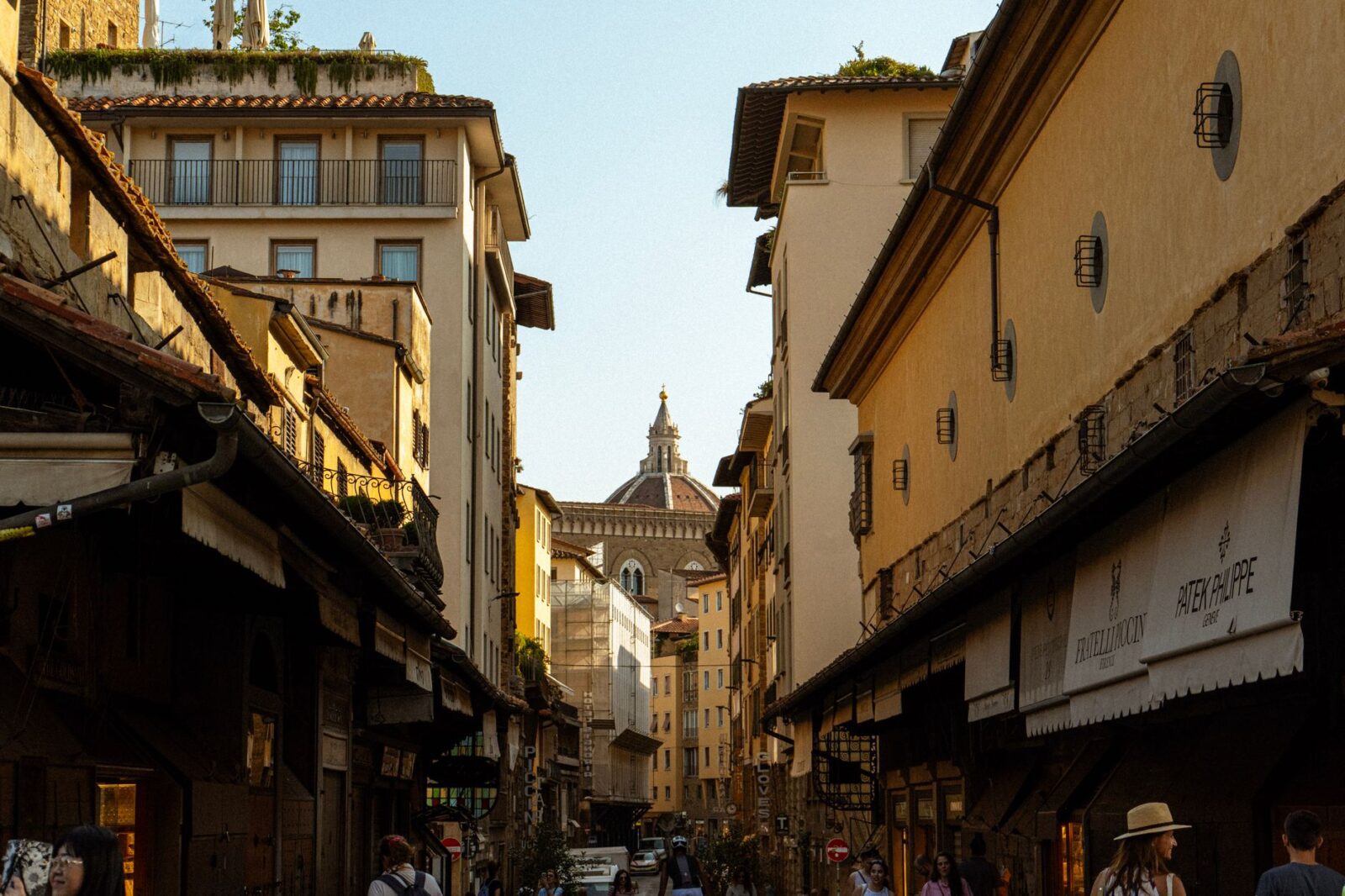
Florence’s New Outdoor Dining Rules: What Changed
In mid‑2026 the city of Florence introduced stricter regulations on outdoor dining, catching many visitors off guard. Restaurants and bars now face limits on where they can place tables and chairs on sidewalks and piazzas. In certain streets the installation of any outdoor seating is prohibited outright, while other zones allow only specific, low‑impact setups such as small, movable tables. Violators can be fined up to €500 by municipal authorities, a steep penalty aimed at deterring non‑compliance.
The measures do not ban eating outside altogether; tourists can still enjoy meals in designated areas or inside establishments. However, the new zoning means that popular spots for alfresco aperitivo, especially in the historic centre, have seen a noticeable reduction in available seating. Travelers who previously relied on sidewalk cafés for a leisurely lunch may need to adjust their plans or reserve indoor tables in advance.
Local officials say the rules are part of a broader effort to protect Florence’s fragile urban fabric and reduce congestion caused by excessive outdoor dining setups. By limiting the footprint of restaurants on public streets, the city hopes to preserve pedestrian flow and protect historic monuments from wear and tear caused by constant foot traffic and furniture movement.
Why Florence Is Tightening the Belt: Over‑Tourism at a Tipping Point
The catalyst behind Florence’s dining restrictions is a sustained surge in visitor numbers that has strained the city’s infrastructure. Data from the first half of 2026 shows a 7.1% increase in international arrivals compared with the same period in 2024, pushing tourism to record levels. This growth has been driven largely by travelers following the classic Rome‑Florence‑Venice circuit, which concentrates pressure on a handful of iconic destinations.
Studies indicate that roughly 70% of all tourists in Italy visit just 1% of the country’s territory, creating intense crowding in cities like Florence, Venice and Rome. Such concentration leads to overcrowded streets, heightened noise, and increased wear on historic sites. Municipal leaders argue that without intervention, the quality of life for residents and the authenticity of the visitor experience could deteriorate.
Florence’s approach mirrors a growing trend among European cities that view targeted restrictions as a way to manage over‑tourism while still welcoming guests. By focusing on specific behaviours — such as uncontrolled outdoor seating — authorities aim to mitigate negative impacts without imposing blanket bans that could deter travel altogether.
Where You Can and Cannot Dine Alfresco: Mapping the Restricted Zones
The new rules delineate three categories of streets within Florence’s historic centre. In the first category, outdoor seating is completely forbidden; these are often narrow lanes where tables would impede pedestrian movement or block access to residential entrances. In the second category, only certain types of furniture are allowed — typically lightweight, removable tables that do not require anchoring to the ground. The third category permits standard outdoor setups but imposes stricter limits on operating hours and noise levels.
One frequently cited example is the Oltrarno district, known for its artisan workshops and lively piazzas. During the COVID‑19 pandemic the area saw a temporary expansion of outdoor dining to support struggling businesses; now, the city has rolled back many of those permissions to restore pre‑pandemic street layouts. Signage has been installed at the entrances of restricted zones to inform restaurateurs and patrons of the new limits.
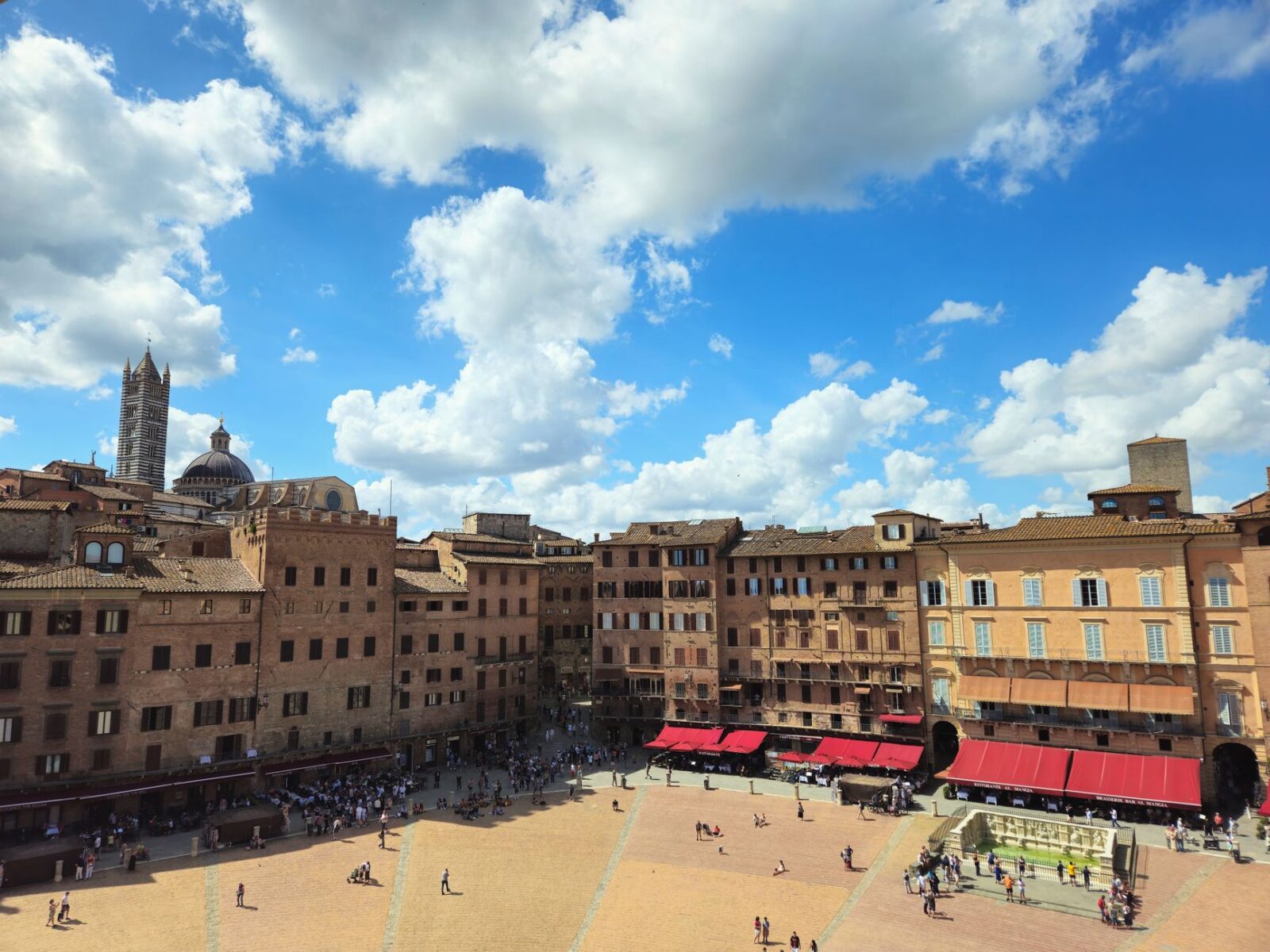
Travelers should consult updated maps provided by the municipality or ask their accommodation hosts for guidance on which piazzas still allow sidewalk cafés. Popular squares such as Piazza della Signoria and Piazza del Duomo have seen reductions in permissible seating, while larger avenues like Viale dei Colli retain more flexibility for outdoor service.
Counting the Cost: Fines, Fees, and How Budgets Shift
The financial implications of the new dining rules extend beyond the potential €500 fine for non‑compliant establishments. For travelers, the most immediate impact may be a shift in dining budgets as outdoor seating becomes scarcer and, in some cases, more expensive. Restaurants that retain outdoor tables may charge a premium for the limited availability, effectively passing on the cost of reduced capacity to patrons.
In addition to dining adjustments, Italy‑wide measures set to roll out in 2026 introduce new fees that will affect anyone visiting the country’s biggest attractions. Venice plans to reinstate an entrance fee for day‑trippers, while Rome is considering a similar charge for access to certain historic sites. These fees are designed to fund conservation efforts and manage crowd sizes, but they will add to the overall cost of a typical Italian itinerary.
Budget‑conscious travelers should factor in these extra expenses when planning trips for late 2026 and beyond. A typical mid‑range meal that once cost €15‑€20 outdoors might now approach €25‑€30 if seated inside or if a surcharge applies. Over a week‑long stay, such adjustments can add €50‑€100 to a traveler’s food budget, notwithstanding any city‑specific entrance fees.
Italy‑Wide 2026 Tourist Measures: Beyond Florence
Florence’s dining restrictions are part of a broader package of regulations Italy has announced for 2026 aimed at curbing over‑tourism. The government has confirmed entrance fees for Venice and Rome, targeting visitors who arrive for just a few hours and contribute little to local economies beyond transient spending. In Venice, the fee is expected to be around €5 for day‑trippers, while Rome’s proposal discusses a €3‑€4 charge for access to major archaeological zones.
Additional limitations are slated for the island of Capri and the coastal villages of Cinque Terre, both of which have experienced severe pressure from cruise ship passengers and day‑trippers. On Capri, authorities are considering caps on the number of daily visitors allowed to disembark from ferries, while Cinque Terre may introduce timed entry tickets for its famous hiking trails to prevent trail erosion.
These measures reflect a shift from voluntary guidelines to enforceable rules backed by fines and administrative penalties. By linking revenue from fees directly to conservation and infrastructure projects, Italian officials hope to create a sustainable tourism model that benefits both residents and visitors.
A Global Pattern: How Other Destinations Are Curbing Visitor Numbers
While Italy’s actions have drawn attention, similar responses are emerging in other popular destinations worldwide. Cities such as Amsterdam and Barcelona have introduced tourist taxes that increase with the length of stay, aiming to discourage short‑term, high‑impact visits. In Asia, Kyoto has discussed visitor caps for its historic districts, and Bali implemented a mandatory tourist levy in 2024 to fund waste management and cultural preservation.
The common thread across these initiatives is the recognition that uncontrolled growth can erode the very attributes that attract travelers in the first place. Rather than rejecting tourism outright, governments are experimenting with pricing mechanisms, zoning restrictions, and timed entry systems to balance economic benefits with environmental and social preservation.
For travelers, this evolving landscape means that advance research is more important than ever. Checking municipal websites, tourism board announcements, and reputable travel advisories can help avoid surprises such as unexpected fees or restricted access to beloved sites.
Smart Travel Tips: Enjoying Florence Within the New Rules
Despite the tighter regulations, Florence remains a rewarding destination for those who plan ahead. One practical strategy is to reserve indoor dining experiences early, especially for popular restaurants that have limited outdoor tables. Many trattorias now offer online booking systems that guarantee a seat and often provide a better view of the kitchen’s activity.
When outdoor dining is desired, aim for the larger piazzas and avenues where permissions remain more flexible, such as Piazza della Repubblica or the riverside lanes along the Arno. Arriving slightly before peak lunch or dinner hours can increase the chances of securing a table before the limited outdoor seating fills up.
Finally, consider exploring Florence’s culinary scene beyond the traditional tourist corridors. Neighborhoods like San Frediano and Santo Spirito host authentic eateries where locals dine, and these venues often have more generous outdoor seating allowances because they are situated on streets with wider sidewalks. Venturing off the beaten path not only reduces the risk of running into restrictions but also offers a richer taste of Florentine life.
Looking Ahead: What Future Regulations Might Mean for Travelers
The trajectory suggests that cities will continue to refine their approaches to managing visitor flows as tourism numbers rebound post‑pandemic. Travelers can expect more cities to adopt tiered fee structures, where longer stays incur lower daily charges, incentivizing visitors to linger and spend more locally. Additionally, technology‑driven solutions such as real‑time crowd monitoring apps may become common tools for both authorities and tourists seeking to avoid congested areas.
For the savvy traveler, adaptability will be key. Keeping an eye on official announcements, being flexible with dining times, and embracing alternative neighborhoods can turn regulatory changes from obstacles into opportunities for deeper cultural engagement. As Florence and other destinations experiment with these models, the ultimate goal remains to preserve the charm and authenticity that draw people to travel in the first place.
Frequently Asked Questions
- Are tourists still allowed to eat outside in Florence?
Yes, outdoor dining is still permitted in many parts of the city, but the new rules restrict where tables can be placed and what type of furniture can be used. Some streets prohibit any outdoor seating, while others allow only small, removable setups. Travelers should check signage or ask locals for the current status of specific piazzas before planning an outdoor meal.
- How much could a fine be for violating the outdoor dining rules?
Establishments that ignore the restrictions face municipal fines of up to €500 per violation. The penalty is aimed at discouraging non‑compliance and ensuring that restaurants adhere to the designated zones and furniture types. For travelers, the indirect effect may be higher prices at venues that have to absorb potential fines or invest in compliant infrastructure.
- What other Italian cities are introducing fees or restrictions in 2026?
In addition to Florence, Venice and Rome are set to implement entrance fees for day‑trippers, with Venice’s fee expected around €5 and Rome’s proposal discussing a €3‑€4 charge for major historic sites. Capri and the Cinque Terre villages are also preparing visitor caps or timed entry tickets to manage crowds from cruise ships and day‑trippers.
- How should I adjust my travel budget for a trip to Italy in late 2026?
Plan for possible increases in dining costs due to reduced outdoor seating availability and potential surcharges. Additionally, allocate extra funds for entrance fees in Venice and Rome, and consider any timed‑entry charges for attractions in Capri or Cinque Terre. A conservative estimate adds €50‑€100 per week for meals and fees, depending on your travel style and itinerary.
- Will these rules affect my ability to visit famous sights like the Duomo or Uffizi?
The dining restrictions do not limit access to monuments, museums, or churches. You can still visit the Duomo, Uffizi Gallery, Ponte Vecchio, and other landmarks as usual. The rules primarily concern where restaurants can place outdoor tables, so your sightseeing plans remain unaffected unless you rely heavily on sidewalk cafés for meals.
Florence’s new dining regulations illustrate how even beloved destinations are adapting to the realities of modern tourism. By understanding the specifics — where you can eat, what fees may arise, and how to plan around the changes — you can still enjoy all the art, history, and cuisine that make Florence unforgettable. If you’ve recently traveled to Florence or have tips for navigating the new rules, share your experience in the comments below and help fellow travelers prepare for their own Italian adventures. Don’t forget to share this article on social media so more readers can stay informed about the evolving travel landscape.
Stay informed with the latest travel news, visa updates, and destination guides. Follow HimalayanCrest.com for weekly travel intelligence delivered by our editorial team.