


The Funding Announcement: What Changed
On 18 September 2026 the UK government unveiled a renewed commitment to nurturing home‑grown fashion talent through the BFC NEWGEN programme. The Department for Digital, Culture, Media and Sport confirmed an annual award of £1 million for the next three fiscal years, totalling £3 million by 2029. This extends the existing partnership between the British Fashion Council and the state, which first began in 2023. The announcement was made by Creative Industries Minister Lisa Nandy, who attended a showcase by funding recipient Francesca Lake to highlight the scheme’s impact.
The funding is earmarked for emerging designers selected each year through a competitive process administered by the British Fashion Council. Recipients receive financial grants, mentorship from industry veterans, and the opportunity to present collections at London Fashion Week. London Fashion Week, held each February and September, ranks among the “big four” global fashion weeks alongside New York, Milan, and Paris. The refreshed investment signals the government’s view that fashion is both an economic driver and a core element of national cultural identity.
For visa applicants and prospective immigrants, the news creates a tangible link between creative excellence and UK immigration routes. Designers who secure NEWGEN funding can leverage that recognition when applying for work or talent‑based visas. The scheme’s track record includes alumni who have gone on to establish internationally recognised labels, making the programme a credible endorsement for immigration officials assessing exceptional promise.
Who Benefits: Emerging Designers and Visa Pathways
The primary beneficiaries are early‑career fashion designers based in the United Kingdom who demonstrate strong creative potential and a clear business vision. However, the scheme’s prestige also opens doors for international talent seeking to relocate to the UK. Non‑UK designers who win a NEWGEN award can use the grant as evidence of exceptional ability when applying for the UK Global Talent visa, which targets leaders or potential leaders in fields such as fashion, architecture, and digital technology.
In addition to the Global Talent route, recipients may qualify for the Skilled Worker visa if they obtain a job offer from a UK‑based fashion house that meets the skill and salary thresholds. The Innovator Founder visa is another option for those who wish to launch their own label in the UK, provided they have an innovative, viable, and scalable business plan endorsed by an approved endorsing body. The NEWGEN funding itself can serve as part of the endorsement evidence, showing that a recognised institution believes in the applicant’s potential.
Fashion professionals from countries across Asia, Africa, the Americas, and the Middle East have previously succeeded in securing UK visas after receiving recognition from bodies such as the British Fashion Council. The renewed government backing increases the visibility of the scheme, making it easier for immigration officers to verify the legitimacy of the award and its relevance to the applicant’s field.
How the BFC NEWGEN Scheme Works
Each year the British Fashion Council opens a call for applications to emerging designers who have been trading for fewer than five years or have recently graduated from a recognised fashion programme. A panel of industry experts reviews portfolios, business plans, and collection concepts. Successful candidates receive a financial grant of up to £100,000, although the exact amount varies depending on the cohort size and available funds. In addition to the cash award, winners gain access to a structured mentorship programme pairing them with established designers, retailers, or textile specialists.
Mentorship covers topics such as brand development, supply chain management, intellectual property protection, and digital marketing. Participants also receive guidance on preparing a runway show, including model casting, staging, and press outreach. The culmination of the programme is a showcase slot at London Fashion Week, where designers present their collections to buyers, editors, and influencers from around the world. This exposure often leads to orders, press coverage, and collaborations that can accelerate a brand’s commercial trajectory.
The scheme’s longevity—running since 1993—means that its alumni network is extensive. Past winners include names that have become household labels, and many return to the programme as mentors or judges. The government’s renewed funding ensures that this pipeline remains robust through at least 2029, providing a predictable source of support for the next wave of creative entrepreneurs.

Visa Options for International Fashion Talent in the UK
The UK offers several immigration pathways that align well with the profiles of NEWGEN recipients. The Global Talent visa is perhaps the most direct fit for individuals recognised as leaders or potential leaders in fashion. Applicants must secure an endorsement from a designated competent body; the British Fashion Council is an approved endorsing body for the fashion sector. Endorsement criteria include evidence of significant achievements, such as awards, press features, or commercial success, and the NEWGEN grant satisfies many of these benchmarks.
The Skilled Worker visa requires a job offer from a UK employer holding a sponsor licence. The offer must meet the minimum salary threshold, which varies by occupation code; for fashion designers the appropriate code is 3421 (Artistic, literary and media occupations). The NEWGEN funding can be used to supplement personal savings when demonstrating the ability to support oneself before employment begins, though the visa itself hinges on the job offer.
For entrepreneurial designers, the Innovator Founder visa demands an innovative, viable, and scalable business idea endorsed by an approved endorsing body. The British Fashion Council, through its NEWGEN programme, can act as such a body, assessing the originality of the designer’s concept and the potential for job creation. Successful applicants receive an initial stay of up to three years, with the possibility of extension and eventual settlement.
Finally, the Graduate visa allows recent graduates from UK higher‑education institutions to remain in the country for two years (or three for PhD graduates) to work or look for work at any skill level. Many NEWGEN applicants are recent graduates, making this route a convenient first step before transitioning to a longer‑term visa.
Step‑by‑Step Guide for Aspiring Designers Seeking UK Entry
Step 1: Prepare a strong portfolio and business plan. Highlight any awards, press coverage, or commercial sales. Include a clear narrative about your design philosophy and market positioning.
Step 2: Monitor the British Fashion Council’s website for the annual NEWGEN application cycle. Applications typically open in early spring with a deadline in late summer. Ensure you meet the eligibility criteria of fewer than five years of trading or recent graduation.
Step 3: Submit your application through the online portal, providing all requested documents: portfolio PDF, business plan, CV, and two references. If shortlisted, prepare for a virtual interview with the selection panel.
Step 4: If awarded, accept the grant and review the mentorship schedule. Use the funding to cover production costs for a collection, studio rent, or professional services such as legal advice on intellectual property.
Step 5: Plan your London Fashion Week showcase. Collaborate with the NEWGEN team on model selection, venue logistics, and press invitations. Leverage the event to collect buyer contacts and media coverage.
Step 6: With the endorsement letter from the British Fashion Council (included with the award package), begin your visa application. For Global Talent, complete the endorsement stage first, then apply online for the visa, paying the immigration health surcharge and visa fee. For Skilled Worker, secure a sponsor licence holder job offer before applying.
Step 7: Prepare supporting documents: passport, tuberculosis test results (if required), proof of English language proficiency, and evidence of maintenance funds. Submit your application and attend a biometrics appointment if requested.
Step 8: Await a decision. If approved, arrange travel to the UK, collect your biometric residence permit, and register with a local GP. Keep your endorsement letter safe, as it may be needed for visa extensions or settlement applications.
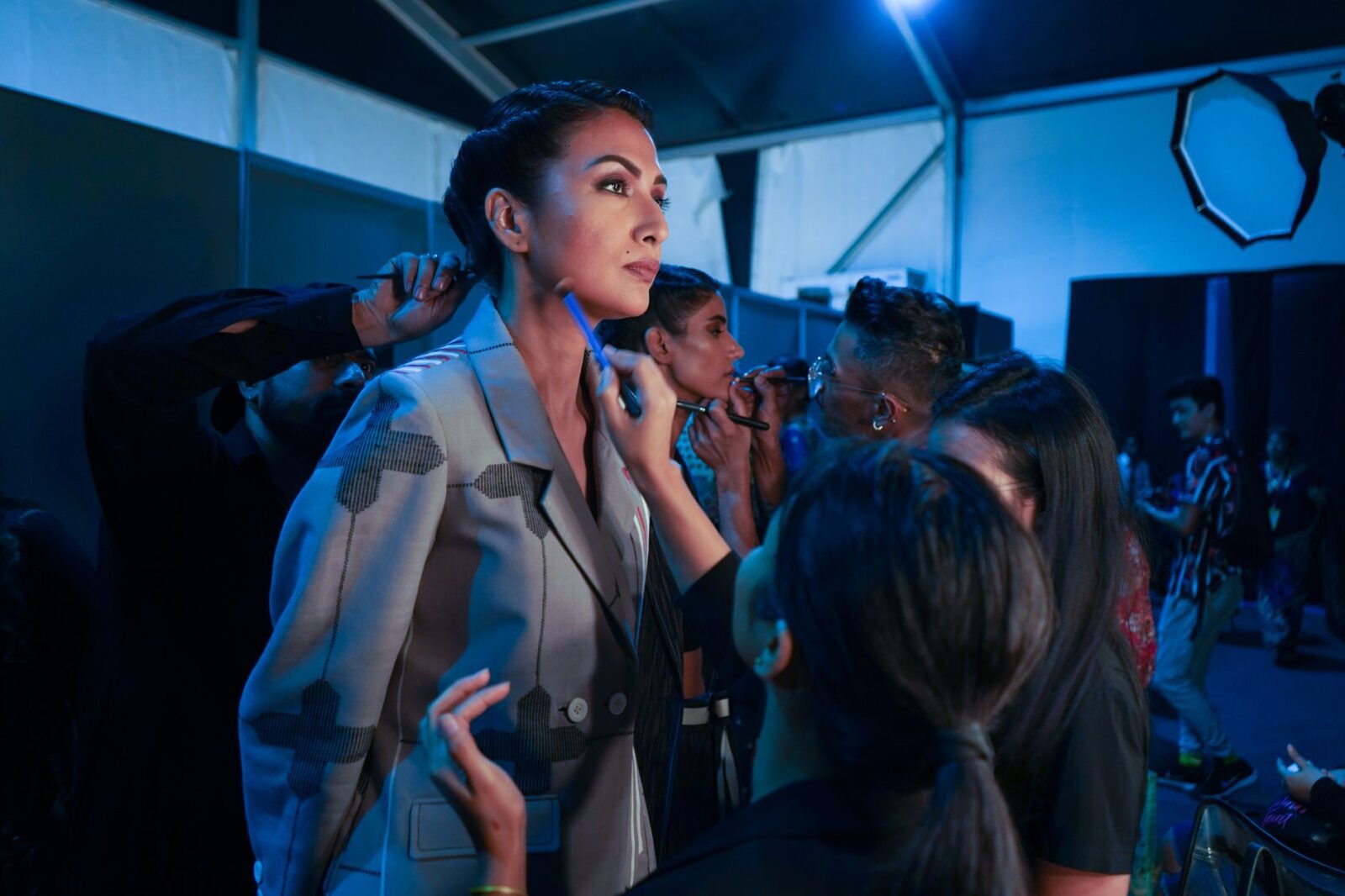
Comparing UK Support with Other Global Fashion Hubs
France offers the “Jeune Création” grant through the Institut Français de la Mode, providing up to €50,000 to emerging designers alongside mentorship and showroom access. However, the French system does not automatically confer an immigration benefit; designers must still navigate the French talent passport or employee visa routes separately.
In the United States, the Council of Fashion Designers of America (CFDA) runs the CFDA/Vogue Fashion Fund, awarding $200,000 to selected finalists. While prestigious, the fund does not directly influence visa outcomes; designers typically rely on the O‑1 visa for individuals with extraordinary ability or the H‑1B specialty occupation visa, both requiring substantial evidence of achievement.
Italy’s “Who Is On Next?” initiative, supported by Vogue Italia and AltaRoma, offers financial support and production assistance. Italy’s elective residence visa for self‑employed persons can be pursued, but applicants must prove sufficient income and accommodation, a process less streamlined than the UK’s endorsement‑linked pathways.
Germany’s Berlin Fashion Week provides the “Emerging Talent” grant via the Berlin Senate for Culture, offering up to €30,000. Germany’s freelance visa requires proof of clients or contracts, making the grant useful as income evidence but not as a direct endorsement.
The UK’s approach is distinctive because the government explicitly links the NEWGEN funding to an approved endorsing body for the Global Talent visa. This creates a clear, government‑backed route from recognition to residency, reducing uncertainty for international designers seeking to establish a base in London.
Impact on Investors, Digital Nomads, and Citizenship Seekers
Investors looking at the UK’s creative industries can view the NEWGEN extension as a signal of sustained governmental commitment to fashion innovation. The guaranteed £3 million over three years reduces risk for venture funds and corporate backers who may co‑invest alongside the grants, knowing that talent pipeline support is secured through 2029.
Digital nomads who work remotely for fashion‑tech startups or freelance design studios may find the UK an attractive base if they can secure a NEWGEN award. The Global Talent visa permits holders to work for any employer or be self‑employed, offering flexibility comparable to many nomad‑friendly visas while providing a pathway to settlement.
For those pursuing British citizenship, time spent on a Global Talent or Skilled Worker visa counts toward the five‑year residency requirement for indefinite leave to remain (ILR). After obtaining ILR, applicants typically need to wait 12 months before naturalisation, assuming they meet language and Life in the UK test criteria. The NEWGEN endorsement can accelerate the early stages of this journey by providing a recognised basis for initial entry.
Overall, the funding boost reinforces London’s status as a global fashion capital that welcomes international talent through clear, merit‑based immigration channels. It offers a concrete example of how cultural investment can intersect with immigration policy to benefit both the creative economy and individuals seeking to build a life in the United Kingdom.
Frequently Asked Questions
What exactly is the BFC NEWGEN funding scheme?
The BFC NEWGEN scheme is an annual programme run by the British Fashion Council that identifies and supports emerging UK‑based fashion designers. Since its launch in 1993 it has provided financial grants, mentorship, and a showcase opportunity at London Fashion Week. Government backing began in 2023 and has now been extended to deliver £1 million per year for the fiscal years 2026/27, 2027/28, and 2028/29, amounting to £3 million in total.
How can a fashion designer use a NEWGEN award to obtain a UK visa?
A NEWGEN award includes an endorsement letter from the British Fashion Council, an approved endorsing body for the Global Talent visa. Designers can submit this letter as part of the endorsement stage of the Global Talent application. Once endorsed, they proceed to the visa application, paying the standard fees and immigration health surcharge. The award can also support applications for the Skilled Worker or Innovator Founder visas by demonstrating financial backing and business viability.
Are there any nationality restrictions for applying to NEWGEN?
The scheme is open to designers who are based in the United Kingdom, regardless of nationality. Applicants must be trading for fewer than five years or have recently graduated from a recognised fashion programme. There is no explicit nationality bar; however, applicants must have the right to reside and work in the UK for the duration of the award, which typically means holding a valid visa or being a British citizen.
What are the costs associated with the UK Global Talent visa for fashion talent?
As of September 2026 the Global Talent visa application fee is £623 for applicants outside the UK and £716 for those switching from within the UK. Additionally, applicants must pay the immigration health surcharge, which is £624 per year of leave granted. For a three‑year initial visa this totals £1,872. Applicants also need to budget for endorsement fees, though the British Fashion Council does not charge a fee for its endorsement; any costs would be limited to document preparation or translation services.
How does the UK fashion funding compare to similar programmes in other countries?
France’s Jeune Création grant offers up to €50,000 with mentorship but lacks a direct immigration endorsement. The United States’ CFDA/Vogue Fashion Fund provides $200,000 but does not influence visa outcomes. Italy’s Who Is On Next? and Germany’s Berlin Emerging Talent grant offer smaller sums and similarly rely on separate visa routes. The UK’s combination of government‑funded grants, mentorship, London Fashion Week exposure, and an approved endorsing body for the Global Talent visa creates a more integrated pathway from recognition to residency.
Stay informed with the latest travel news, visa updates, and destination guides. Follow HimalayanCrest.com for weekly travel intelligence delivered by our editorial team.