

The Escalation: What the UK Statement Revealed on 8 October 2026
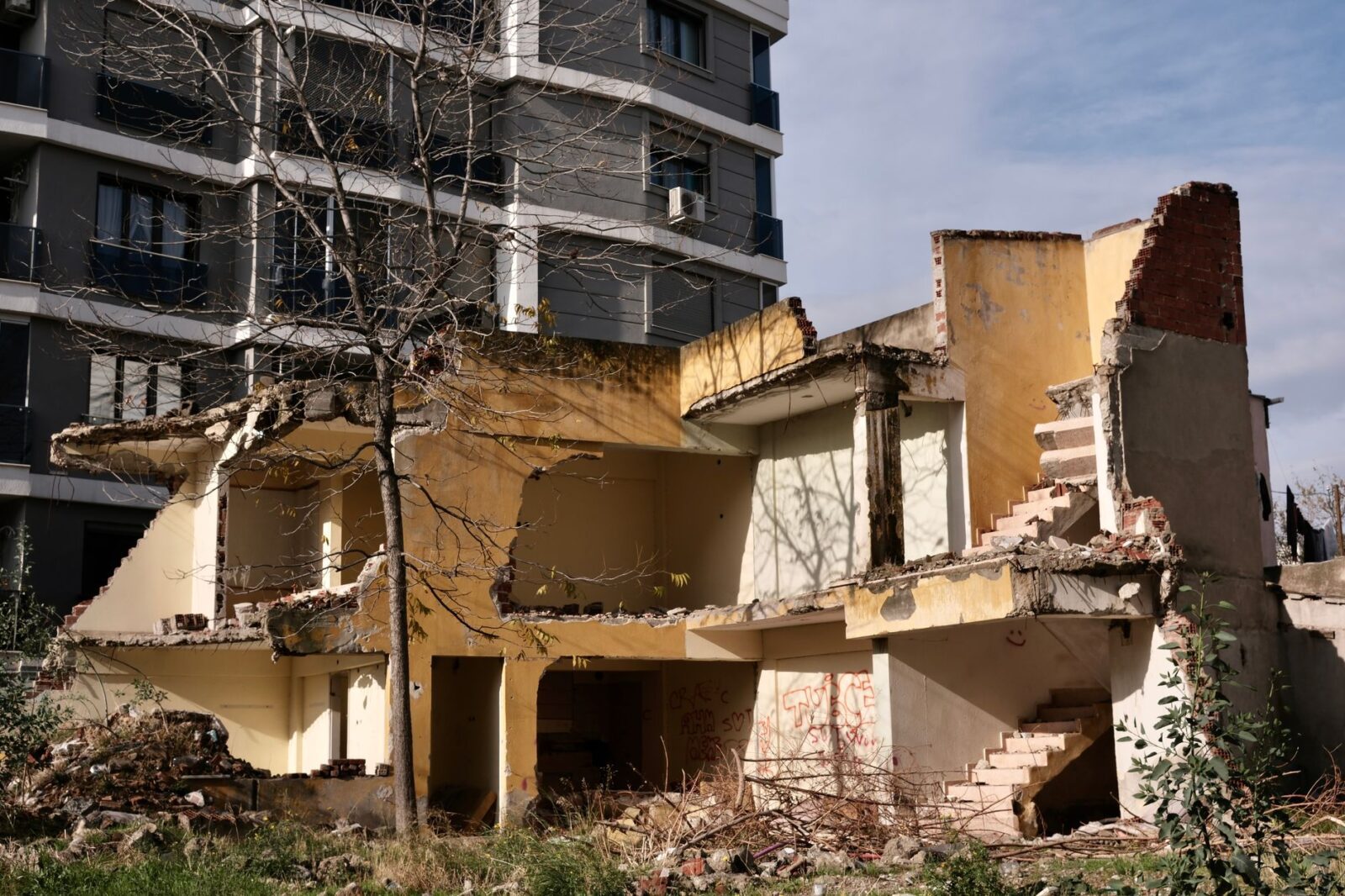
On 8 October 2026 the United Kingdom’s Chargé d’Affaires to the OSCE, James Ford, delivered a stark assessment of Russia’s intensifying campaign against Ukrainian civilian life. He pointed to a pattern of strikes that have moved beyond military targets to hit trains, energy facilities, data centres and bridges in Kyiv and other cities. The statement highlighted that over the previous 36 hours, Russian attacks in the Chernihiv region struck a residential building, killing 22 civilians including five children and injuring at least 50 others. These figures were presented as a snapshot of a broader effort to degrade the infrastructure that sustains daily life for millions of Ukrainians.
The UK representative also cited the prolonged air‑raid alert that gripped Kyiv on 30 September 2026, lasting 12 hours and 44 minutes. During that period schoolchildren were forced to attend lessons in shelters rather than classrooms, illustrating how the conflict is reshaping the rhythm of civilian existence. Ford’s remarks framed these actions as a deliberate attempt to render Ukrainian cities “unliveable,” a phrase echoed by President Zelenskyy. The statement concluded with a call for Russia to comply with international humanitarian law, accept an immediate ceasefire and engage in serious negotiations toward a just and lasting peace.
Humanitarian Toll: Civilians, Infrastructure, and Psychological Strain
The attacks described in the OSCE statement have tangible consequences for the people living in Ukraine’s urban centres. Repeated strikes on power plants and substations have led to rolling blackouts that affect heating, water supply and medical facilities. In the Chernihiv region, the destruction of a residential block not only claimed lives but also displaced dozens of families who now rely on temporary shelters or the hospitality of relatives in safer areas.
Beyond the physical damage, the psychological burden is significant. Constant alerts and the threat of sudden bombardment create a state of heightened anxiety that interferes with work, education and social life. The UK statement noted that millions of Ukrainians now organise their daily routines around the possibility of an attack, a reality that has led to increased demand for mental‑health services and community support networks. These hardships are prompting many to consider leaving the country, at least temporarily, to seek safety and stability elsewhere.
Immediate Effects on Travelers and Expats in Ukraine
For foreign nationals residing in Ukraine, the deteriorating security environment has triggered a cascade of practical concerns. Embassies have issued travel advisories urging citizens to reconsider non‑essential travel and to be prepared for rapid evacuation. Airlines have suspended or reduced flights to major Ukrainian airports, while land routes face periodic closures due to damaged infrastructure or security checkpoints.
Expats working in sectors such as IT, engineering and education report difficulties in maintaining regular schedules because of power outages and internet disruptions. Digital nomads who relied on Ukraine’s relatively low cost of living and vibrant coworking scene are now evaluating alternative bases in neighbouring countries such as Poland, Romania or Georgia. Retirees who had chosen Ukraine for its affordable healthcare and climate are confronting the risk of interrupted medical supplies and limited access to emergency services.
Visa and Residency Pathways for Those Fleeing the Conflict
In response to the growing humanitarian need, several countries have activated special visa programmes for Ukrainians seeking temporary protection. The United Kingdom, for example, operates the Ukraine Extension Scheme which allows individuals already in the UK on a valid visa to extend their stay without leaving the country. New arrivals can apply for the Ukraine Humanitarian Visa, which grants up to 12 months of residence, access to employment and the right to study.
The European Union has activated its Temporary Protection Directive, offering harmonised rights across member states including residence permits, access to the labour market, social welfare and medical care. Similar programmes exist in Canada (the Canada‑Ukraine Authorization for Emergency Travel), the United States (Uniting for Ukraine) and Australia (the Humanitarian Stay visa). Each programme has its own eligibility criteria, application process and duration, but all share the goal of providing a legal pathway to safety for those displaced by the conflict.
Applicants are advised to gather essential documents such as a valid passport, proof of Ukrainian nationality or residence, and any evidence of ties to the affected region (e.g., utility bills, employment letters). Many embassies now accept online submissions and offer expedited processing for humanitarian cases. It is crucial to monitor the official websites of the destination country’s immigration authority for updates on fees, processing times and any changes to the scheme.
How Other Nations Respond: Comparative Refugee and Visa Measures
While the UK’s approach focuses on individual visa extensions and humanitarian visas, the EU’s Temporary Protection Directive provides a blanket status that applies to all displaced Ukrainians without the need for individual assessment. This reduces administrative burden and allows quicker access to rights, though it requires coordination among 27 member states. Canada’s CUAET programme combines a visitor visa with an open work permit, enabling recipients to seek employment immediately upon arrival.
In contrast, the United States’ Uniting for Ukraine programme relies on a private‑sponsorship model where a U.S.-based supporter files Form I‑134A on behalf of the applicant. This can accelerate processing but places the responsibility of financial support on the sponsor. Australia’s Humanitarian Stay visa offers a temporary residence option with the possibility to apply for further protection visas if conditions in Ukraine do not improve.
These differences matter for travelers deciding where to seek refuge. Factors such as language familiarity, existing social networks, labour market opportunities and access to healthcare influence the choice of destination. Prospective applicants should compare the benefits, obligations and timelines of each programme before submitting an application.

Guidance for Investors, Digital Nomads, and Retirees
Investors with assets or business interests in Ukraine face heightened risk as attacks on energy infrastructure and logistics hubs disrupt supply chains and increase operational costs. The UK statement’s emphasis on the targeting of data centres and transport links signals potential threats to technology firms and e‑commerce platforms that rely on stable connectivity. Investors are advised to review their exposure, consider diversifying holdings into safer jurisdictions and consult with legal experts about force‑majeure clauses in contracts.
Digital nomads who previously chose Ukraine for its affordable lifestyle and growing tech scene may need to relocate temporarily. Countries offering attractive nomad visas—such as Portugal’s D7, Estonia’s Digital Nomad Visa or Georgia’s Remotely from Georgia programme—provide a legal framework to continue remote work while accessing residency benefits. It is wise to verify internet reliability, coworking space availability and tax implications before making a move.
Retirees who had settled in Ukraine for its low cost of living and pleasant climate should assess the continuity of pension payments, access to healthcare and the security of their housing. Many opt to maintain a secondary residence in a neighbouring country where they can spend part of the year, thereby reducing exposure to sudden escalations while preserving ties to their Ukrainian community.
Frequently Asked Questions
What should I do if I am currently in Ukraine and need to leave urgently? Contact your embassy or consulate immediately for emergency travel advice. Keep your passport, identification documents and any proof of residence in a secure, easily accessible location. Monitor official travel advisories and consider using designated evacuation routes or transport services arranged by your government.
Can I apply for a UK visa while I am still in Ukraine? Yes. The UK accepts visa applications from individuals located abroad, including those in Ukraine. You can submit an online application for a Ukraine Humanitarian Visa or, if you already hold a UK visa, request an extension through the Ukraine Extension Scheme. Be prepared to provide biometric information at a visa application centre in a neighbouring country if required.
How long does the Ukraine Humanitarian Visa in the UK allow me to stay? The visa grants an initial period of up to 12 months, with the possibility to extend if the situation in Ukraine remains unsafe. Holders are permitted to work, study and access public services such as healthcare during their stay.
Are there any fees associated with the emergency visa programmes? Fees vary by country. The UK Humanitarian Visa currently has a reduced fee of £55 for applicants applying from outside the UK, while the Ukraine Extension Scheme is free of charge. Some EU member states waive fees entirely under the Temporary Protection Directive. Always check the latest fee schedule on the official immigration website before applying.
Will my ability to apply for permanent residency or citizenship be affected by using a temporary humanitarian visa? In most jurisdictions, time spent under a humanitarian or temporary protection visa can count toward eligibility for permanent residency or citizenship, provided you meet other requirements such as language proficiency, continuous residence and good character. It is advisable to retain records of your stay and consult with an immigration lawyer to understand how the period will be treated in your specific case.
Conclusion and Call to Action
The latest UK statement to the OSCE underscores a grim reality: Russia’s campaign against Ukrainian civilian infrastructure is intensifying, driving millions to seek safety beyond their borders. For travelers, expats, investors, digital nomads and retirees, the evolving situation demands vigilance, timely action and a clear understanding of the visa and residency options available.
We encourage readers to share their experiences, ask questions in the comments section and help others navigate these challenging circumstances. Stay informed by bookmarking the official links provided below and revisiting them as the situation develops.
Stay informed with the latest travel news, visa updates, and destination guides. Follow HimalayanCrest.com for weekly travel intelligence delivered by our editorial team.