

The Rise of Earned Luxury: Why Effort Matters Now
You can visit the most beautiful places in the world and still feel nothing. This observation captures a growing sentiment among affluent travelers who have checked off iconic sights yet remain unsatisfied. Luxury is no longer defined solely by plush accommodations and effortless service; travelers are seeking a deeper connection that requires personal investment.
Our research shows that the modern luxury consumer is increasingly drawn to experiences that combine natural beauty with physical exertion. The scent of pine on a forest trail, the burn in the legs on a steep climb, and the taste of a locally sourced meal after effort all create memories that photos alone cannot replicate.
Seasoned travelers report that when a journey demands sweat, weather, and navigation, the eventual reward feels more authentic. This shift reflects a broader cultural move away from the cocoon of passive indulgence toward active participation in the destination’s rhythm.
DuVine Cycling has built its brand around this very idea, betting that the effort required to earn a meal, a view, or a glass of wine is what transforms a trip into a lasting story.
DuVine Cycling’s Model: Sweat Before Sip
Founded by Andy Levine nearly three decades ago, DuVine Cycling designs tours where the day begins on a bicycle and ends in a carefully selected hotel or villa. The company’s philosophy is simple: luxury is sweeter when it follows exertion.
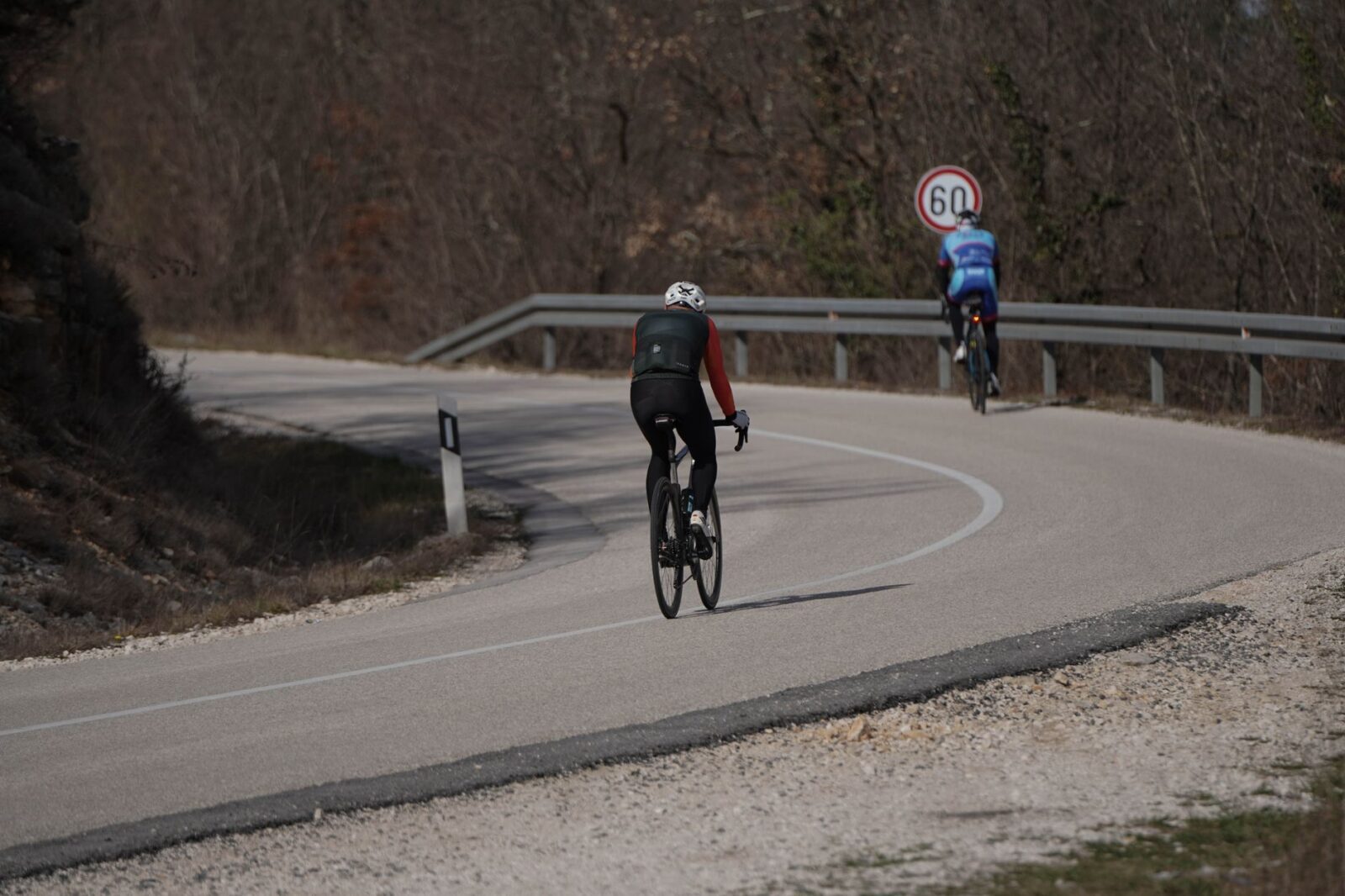
A typical itinerary balances morning rides through countryside roads, vineyard lanes, or mountain passes with afternoon cultural visits and evening gastronomic experiences. Riders contend with hills, variable weather, and the occasional gravel stretch before arriving at a property where a sommelier pours a local vintage and a chef prepares a regional specialty.
The physical challenge is not presented as a hardship but as an essential ingredient of the experience. Guides encourage participants to pace themselves, enjoy the scenery, and view each climb as a prelude to the evening’s indulgence.
All logistical details—bike maintenance, support vehicles, luggage transfers, and route navigation—are handled by DuVine, allowing travelers to focus on the ride and the sensations it evokes.
Signature Routes: From Burgundy Vineyards to Dolomite Peaks
DuVine’s portfolio spans some of Europe’s most celebrated cycling regions, including Burgundy in France, Tuscany and the Dolomites in Italy, and Mallorca in Spain. Each destination offers a distinct blend of terrain, culture, and culinary tradition.
In Burgundy, riders trace the Route des Grands Crus, passing historic villages such as Beaune and Nuits-Saint-Georges. The rolling hills provide a steady workout, and the day’s effort is rewarded with private tastings at family‑run châteaux where Pinot Noir and Chardonnay flow freely.
The Tuscany itinerary winds through cypress‑lined lanes, medieval hill towns like San Gimignano, and olive groves that scent the air. After a morning of climbing the Chianti hills, travelers unwind with a Florentine steak, fresh pecorino, and a glass of Brunello while the sun sets over the Val d’Orcia.
Mallorca offers a contrast of coastal cliffs and interior mountain routes. A ride from Palma to the Serra de Tramuntana includes steep ascents with panoramic sea views, followed by a seaside dinner of freshly caught fish, paella, and local ensaimada pastry.
The Dolomites tour presents dramatic limestone peaks, alpine meadows, and high‑mountain passes such as the Sella Ronda. Riders often stop at rifugios for hearty bowls of polenta and speck before tackling the next climb, with the option to try a via ferrata for those seeking extra adrenaline.
The Psychology Behind Physical Effort in Travel
Effort justification is a well‑documented psychological phenomenon: when we invest energy into an outcome, we tend to value that outcome more highly. This cognitive bias helps explain why a meal earned after a climb tastes richer than one delivered to a hotel door.
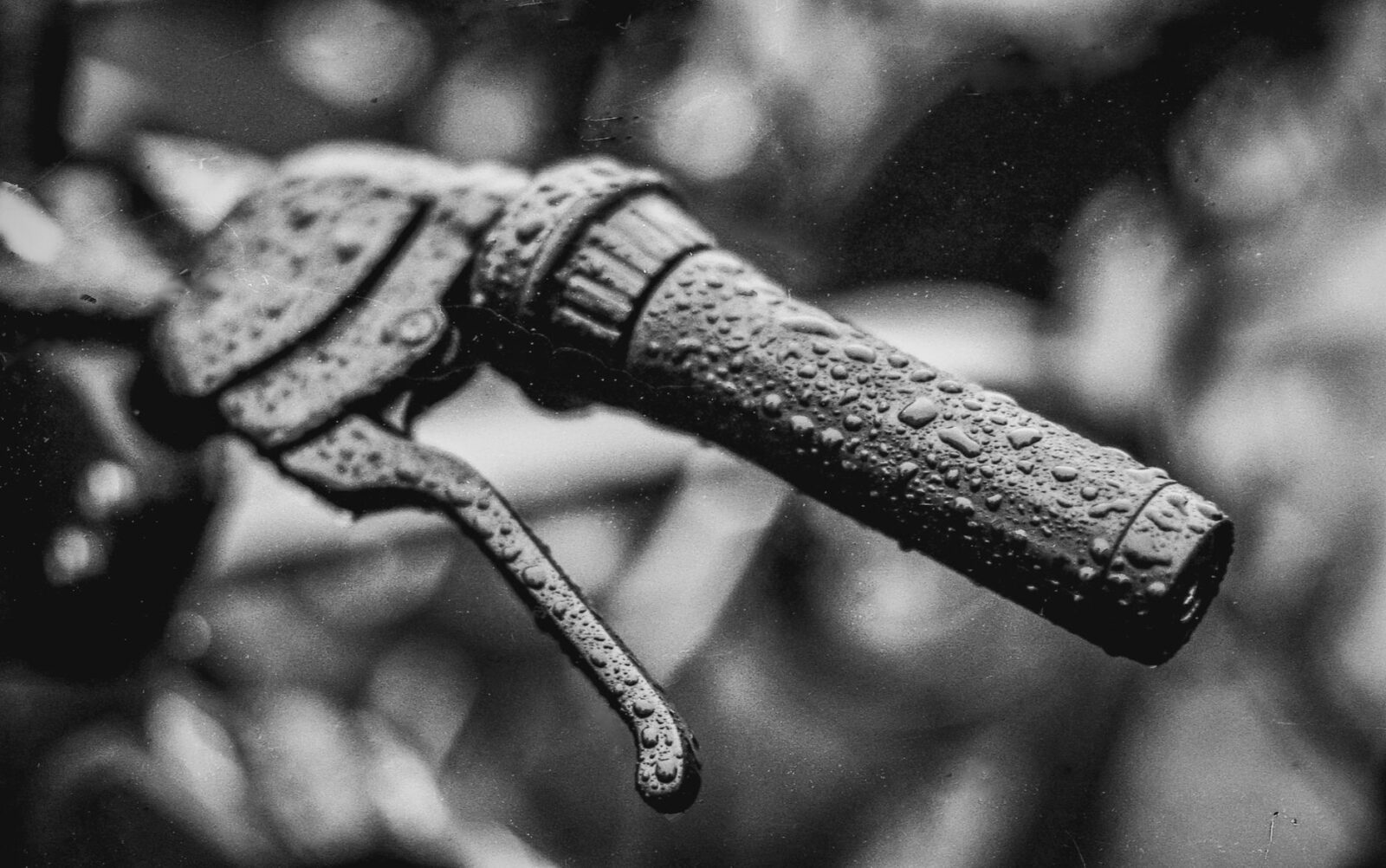
Sensory engagement amplifies the effect. The smell of damp earth after rain, the sound of tires crunching on gravel, and the feel of wind on the face create multilayered memories that are harder to fade than a visual snapshot.
Physical activity also triggers the release of endorphins and dopamine, linking the exertion with a natural high. Travelers often describe a feeling of accomplishment that lingers long after the trip ends, reinforcing the desire to repeat the experience.
For luxury consumers who have grown accustomed to instant gratification, earning a reward through effort restores a sense of narrative and personal agency, transforming a vacation into a chapter of their life story.
Cost Breakdown: What an Earned Experience Actually Costs
DuVine’s tours are sold as all‑inclusive packages that cover bicycle rental, expert guide, support vehicle, luggage transfers, accommodations, meals, and selected wine tastings. The price reflects the combination of luxury service and the logistical complexity of routing riders through varied terrain.
While exact figures depend on the itinerary, season, and hotel category, week‑long trips generally align with the pricing of other premium guided cycling experiences in Europe—typically several thousand dollars per person. Travelers should consult DuVine’s website for detailed quotes that break down each component.
Compared to a stay at a high‑end hotel alone, the added cost accounts for the expertise of local guides who know hidden backroads, the provision of top‑tier bicycles suited to the route, and exclusive access to private estates or mountain refuges that are not open to the general public.
Additional expenses to consider include personal cycling gear (such as shoes, padded shorts, and layers), travel insurance, and optional enhancements like private wine cellar tours or helicopter transfers for a scenic overview.
Booking during shoulder seasons—late spring or early autumn—can yield savings of 10‑20 % compared with peak summer rates, and early‑bird reservations often unlock further discounts, making the earned‑luxury model accessible to a wider segment of affluent travelers.
How to Prepare: Training, Gear, and Mindset Tips
DuVine grades its routes by difficulty, offering options that range from leisurely rides with minimal elevation to challenging climbs that test endurance. Prospective guests should review the specific profile of their chosen tour and assess their current fitness level accordingly.
A practical preparation plan includes two to three cardio sessions per week—such as brisk walking, jogging, or indoor cycling—combined with core‑strength exercises and flexibility work. Beginning this regimen eight to twelve weeks before departure helps the body adapt to sustained effort in the saddle.
Essential gear consists of a well‑fitted helmet, cycling shoes compatible with clipless pedals (rentals are available on most tours), padded cycling shorts to prevent saddle soreness, and layered clothing that can be added or removed as temperatures shift. A lightweight rain jacket is advisable for unpredictable mountain weather.
Mentally, travelers benefit from viewing each hill as part of the story rather than an obstacle. Embracing variable conditions, using rest stops to hydrate and sample local fare, and maintaining a conversational pace with fellow riders enhances enjoyment and reduces perceived exertion.
DuVine provides a pre‑trip checklist that covers bike fitting, visa requirements for Schengen countries, recommended vaccinations, and packing tips, ensuring guests arrive ready to focus on the ride and the rewards that follow.
Future Outlook: Will Earned Experiences Define Luxury Travel?
Industry observers note a growing cohort of travelers who are moving beyond passive consumption and seeking journeys that demand personal involvement. This trend suggests that the earned‑luxury model may expand beyond cycling to include hiking, kayaking, sailing, and even cultural immersion projects that require skill‑building.
DuVine’s success could inspire other operators to integrate physical challenges into their itineraries, pairing morning exertion with evening indulgence in a way that feels both authentic and aspirational.
While artificial intelligence can suggest optimal routes and recommend restaurants, it cannot replicate the bodily sensations—muscle fatigue, wind on the skin, the taste of a meal earned after effort—that create lasting memories. The irreplaceable human element remains central to the appeal.
Sustainability considerations further reinforce the case for human‑powered travel. Low‑impact modes such as bicycling align with the values of eco‑conscious luxury consumers who wish to minimize carbon footprints while still enjoying high‑touch service.
Looking ahead, we anticipate more hybrid offerings where mornings of activity are followed by evenings of spa treatments, private dining, or cultural performances, reinforcing the idea that the most memorable rewards are those we have worked to achieve.
FAQ: Your Questions About DuVine and Earned Travel Answered
What level of fitness is required for a DuVine cycling tour?
DuVine offers tours graded from easy to challenging, so there is a option for most fitness levels. Easy routes feature gentle rolling hills and daily mileage under 30 kilometers, while challenging itineraries may include sustained climbs and distances exceeding 80 kilometers per day. Prospective guests should review the specific tour description and choose a grade that matches their current ability and training commitment.
Are bicycles provided, or should I bring my own?
DuVine supplies high‑quality road or hybrid bicycles suited to the route, along with helmets, pedals, and basic tools. Travelers who prefer to ride their own bike can usually do so, but they must arrange for transport to the start point and ensure the bike meets the tour’s specifications. The company’s support vehicle carries spare parts and can assist with minor mechanical issues.
What type of accommodations can I expect on a DuVine trip?
Accommodations range from boutique hotels and historic villas to luxury agriturismos and mountain rifugios, depending on the region and tour tier. All properties are selected for their charm, service quality, and proximity to the day’s route. Rooms typically feature en‑suite bathrooms, air conditioning or heating as needed, and Wi‑Fi access.
How does DuVine handle meals and dietary restrictions?
Meals are included in the tour price and showcase local cuisine, often with wine pairings selected by a sommelier. The company can accommodate common dietary restrictions such as vegetarian, vegan, gluten‑free, and lactose‑free when notified in advance. Guests with severe allergies should discuss their needs directly with DuVine’s travel advisors to ensure suitable arrangements.
Is travel insurance required for a DuVine tour?
While DuVine does not mandate travel insurance, it strongly recommends that guests obtain a policy that covers medical emergencies, trip cancellation, and bicycle theft or damage. Many standard travel insurance plans provide adequate coverage, and DuVine’s website lists providers that offer plans tailored to active vacations.
Stay informed with the latest travel news, visa updates, and destination guides. Follow HimalayanCrest.com for weekly travel intelligence delivered by our editorial team.