

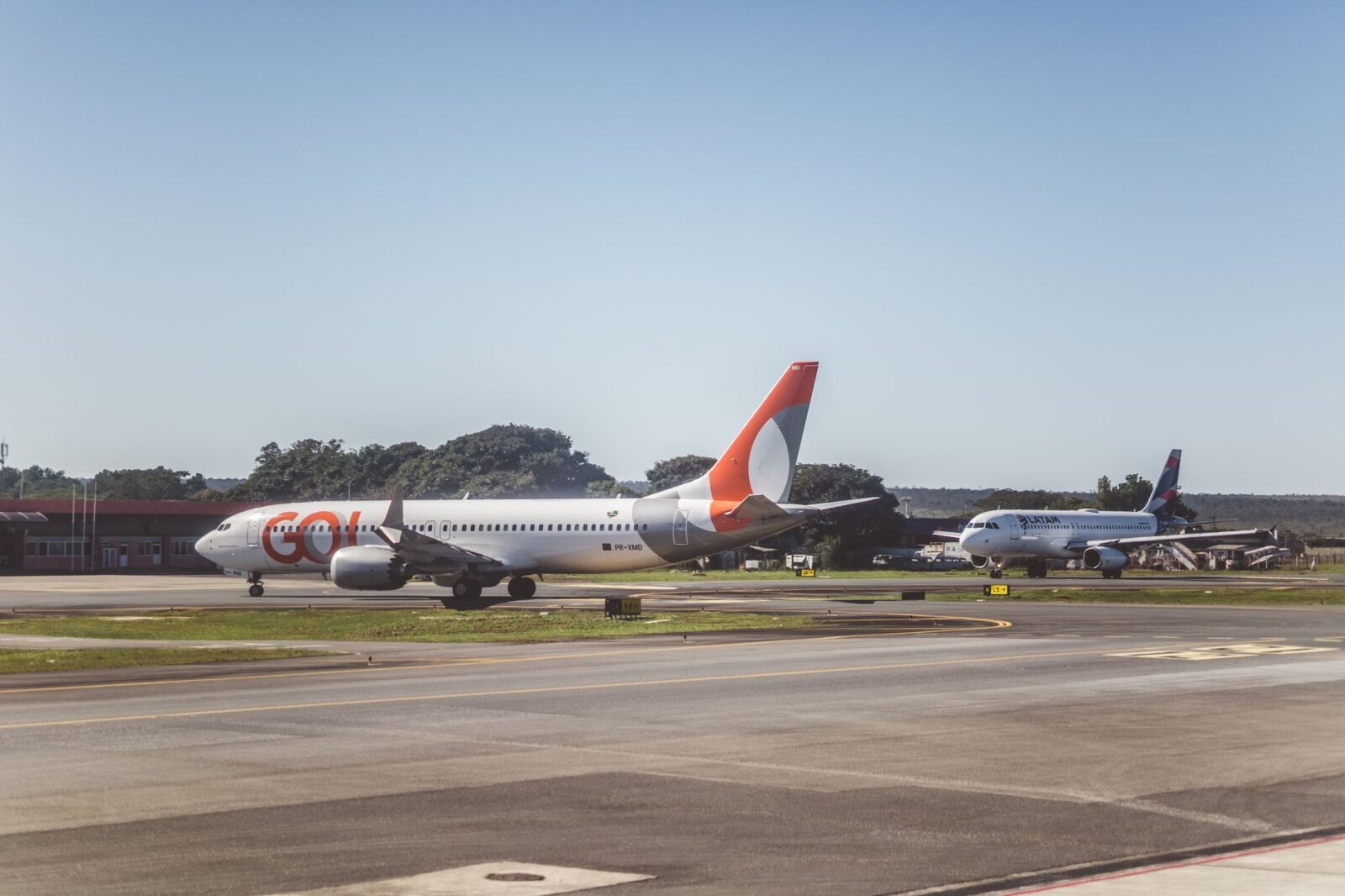
The Dawn of the Asian Century in Aviation
In an era where air travel dictates global connectivity, the Asia-Pacific region stands at the forefront of a monumental shift. The International Air Transport Association (IATA) Annual General Meeting 2026 in Rio de Janeiro underscored the region’s burgeoning influence, revealing that Asia-Pacific will add an astounding 2.4 billion passengers over the next two decades. This leap from 1.7 billion travelers in 2024 to 4.1 billion by 2044 represents a 41% share of global passenger growth. The numbers not only signify a milestone but also pose a daunting question: Can the region’s infrastructure and policies keep pace with this explosive demand?
The Infrastructure Challenge: Building for the Future
The Asia-Pacific region is poised to witness the largest aviation construction boom in history. As countries like Singapore and Thailand strive to expand their airports—Singapore Changi aims for a capacity of 140 million passengers annually, while Bangkok’s goal is 150 million by 2033—the scale of investment is unprecedented. More than half of the projected $2.4 trillion in global airport capital expenditure by 2040 will be directed here. However, experts at the IATA meeting voiced concerns not about the lack of investment but rather about the management of these funds. The challenge lies in ensuring that these mega-hubs are not just bigger, but also smarter and more efficient.
Global Travel Trends and Their Impact
Globally, the aviation industry is at a crossroads, with sustainability and efficiency at its core. As the Asia-Pacific region gears up for this massive expansion, it reflects a broader trend of growing passenger demand. This surge is driven by a burgeoning middle class, increased tourism, and business travel. Yet, the real test will be balancing this growth with sustainable practices. The shift towards greener technologies and sustainable fuels is imperative, as the world grapples with climate change. The region’s ability to integrate these practices will be crucial in setting a precedent for global aviation.
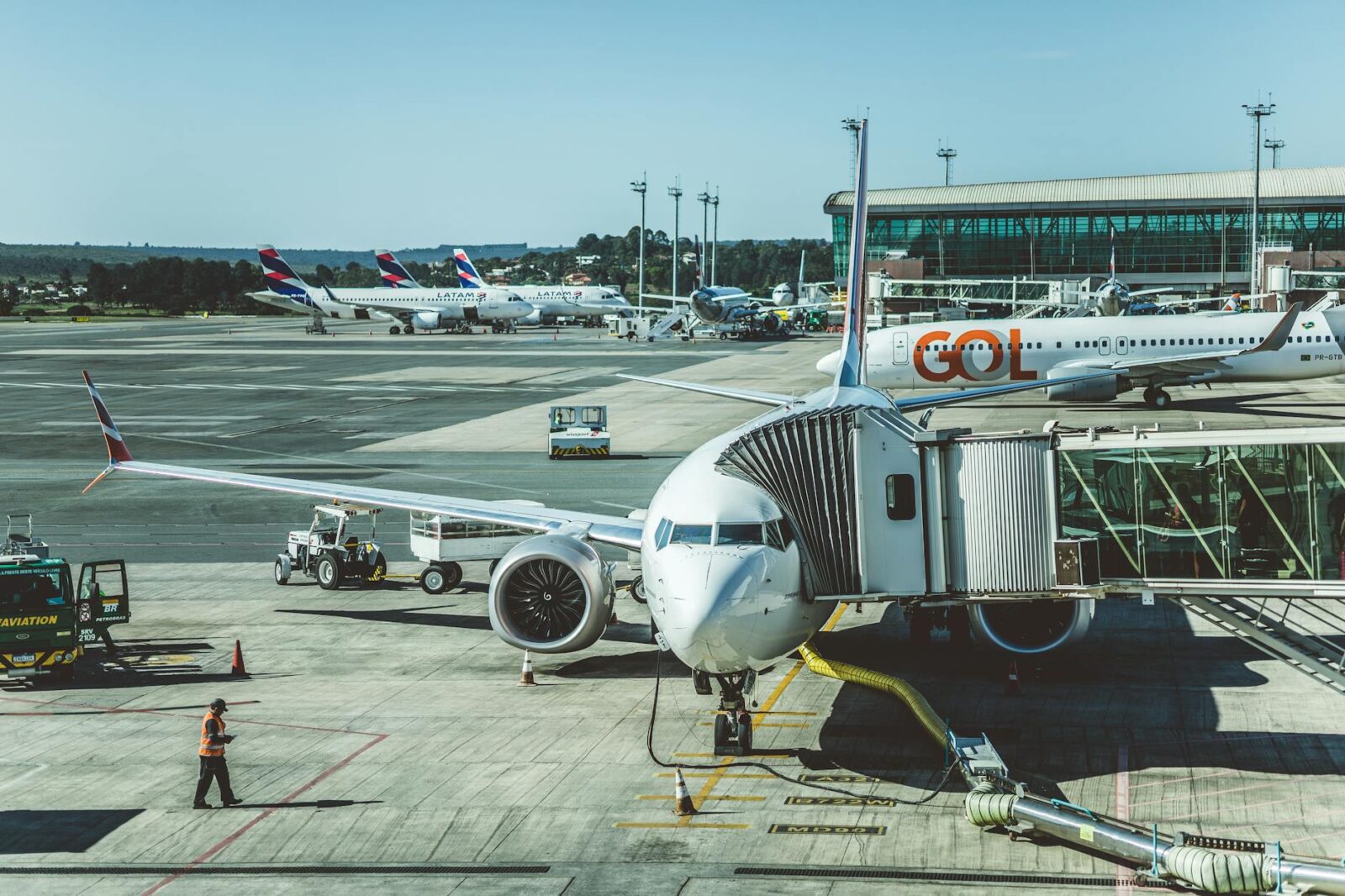
Practical Implications for Travelers
For travelers planning trips in the coming years, this aviation boom means more choices and potentially lower costs due to increased competition. However, it also calls for adaptability as airports undergo construction and expansion. Travelers should anticipate possible delays and plan for longer transit times. Additionally, being informed about the sustainability practices of airlines and choosing those with greener options can contribute positively to the environment. As Asia-Pacific becomes a more significant player in global aviation, travelers can look forward to enhanced connectivity and new routes that make previously inaccessible destinations reachable.
What to Expect Next: Expert Insights
Looking forward, the Asia-Pacific aviation industry must navigate several challenges to sustain its growth. Economic regulation, consultation processes, and efficient infrastructure management are key areas that need attention. The IATA’s focus on these aspects highlights the need for a collaborative approach between governments, airlines, and regulatory bodies. The integration of advanced technologies such as AI for traffic management and biometric systems for security can streamline operations, enhancing passenger experience. Moreover, regional cooperation in policy-making could facilitate a more uniform growth trajectory across nations.
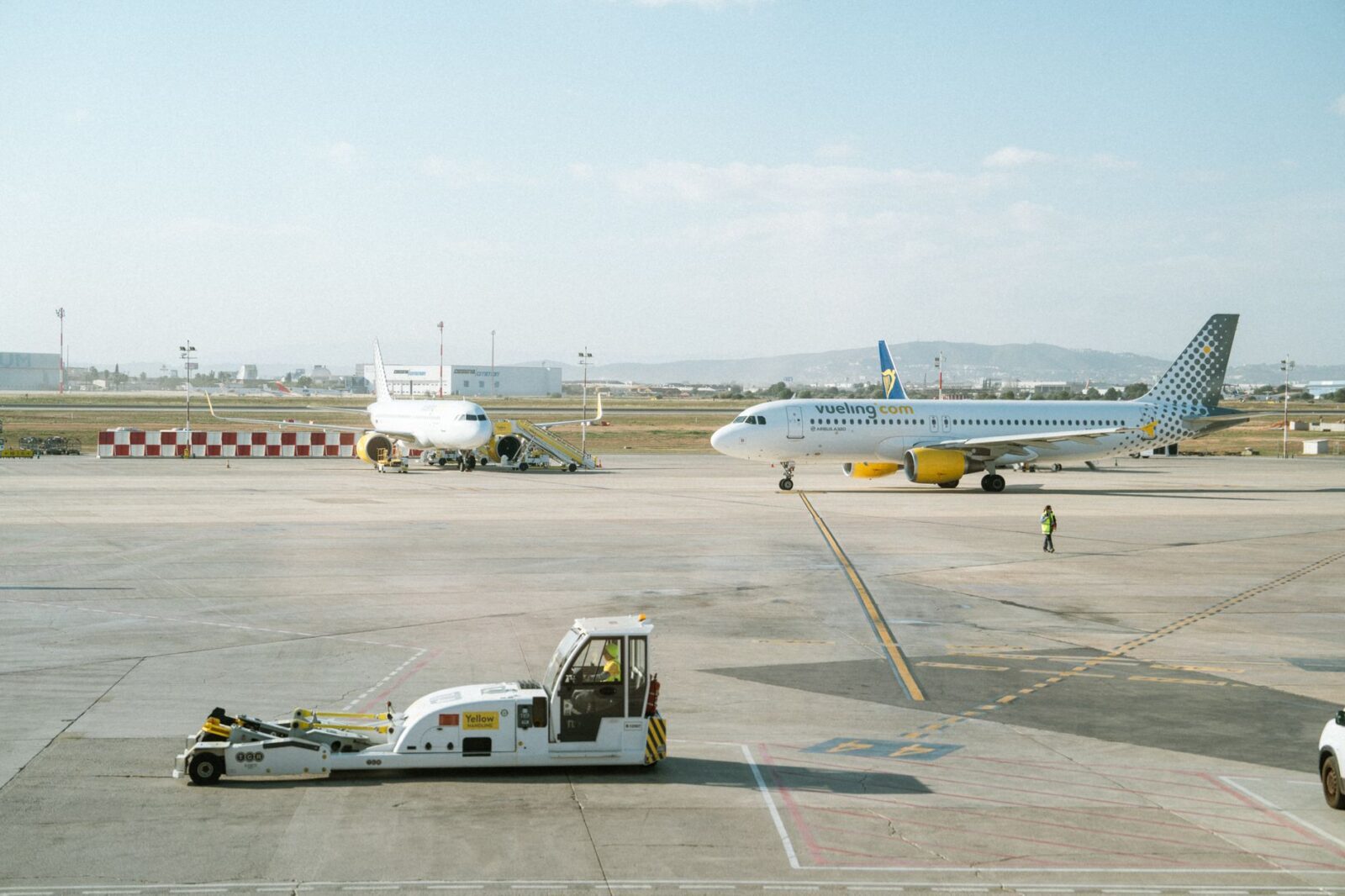
Cost Implications and Budget Adjustments
As the industry evolves, travelers may see fluctuating airfare costs. Initially, construction and expansion might lead to temporary surcharges or increased fees. However, as competition intensifies and efficiency improves, fares could stabilize or even decrease. Budget-conscious travelers should stay informed about fare trends and consider booking in advance to secure better rates. Loyalty programs and off-peak travel can also offer savings opportunities. It’s essential to factor in potential ancillary costs related to sustainability initiatives, such as carbon offset fees, into travel budgets.
FAQs About the Asia-Pacific Aviation Boom
Why is the Asia-Pacific region experiencing such rapid aviation growth?
The growth is driven by a rising middle class, increased tourism, and expanding business travel in the region. Additionally, economic development and improved connectivity contribute to this surge.
How will this boom affect global air travel?
The Asia-Pacific region’s growth will increase connectivity and potentially lower costs globally. It also sets a precedent for sustainable aviation practices, influencing worldwide policies.
What are the main challenges facing this growth?
The primary challenges include infrastructure development, efficient management of investments, and integrating sustainable practices to mitigate environmental impacts.
How can travelers prepare for changes in the aviation industry?
Travelers should plan for potential delays due to construction, stay informed about sustainability practices, and consider booking in advance to navigate fare fluctuations.
Will airfare costs increase due to this boom?
While there might be temporary increases due to construction costs, competition and improved efficiency could stabilize or decrease fares in the long run.
Conclusion: Navigating the Future of Travel
The Asia-Pacific aviation boom is a testament to the region’s growing importance in global travel. As it faces a trillion-dollar test, the focus must remain on sustainable and efficient growth. Travelers worldwide will benefit from the expanded connectivity and new opportunities this boom presents. Engaging in conscious travel decisions and staying informed will be key to navigating this dynamic landscape. We invite our readers to share their thoughts and experiences as they embark on their journeys across this rapidly evolving region.
Stay informed with the latest travel news, visa updates, and destination guides. Follow HimalayanCrest.com for weekly travel intelligence delivered by our editorial team.