

The Rising Tide of Cruise Travel Insurance
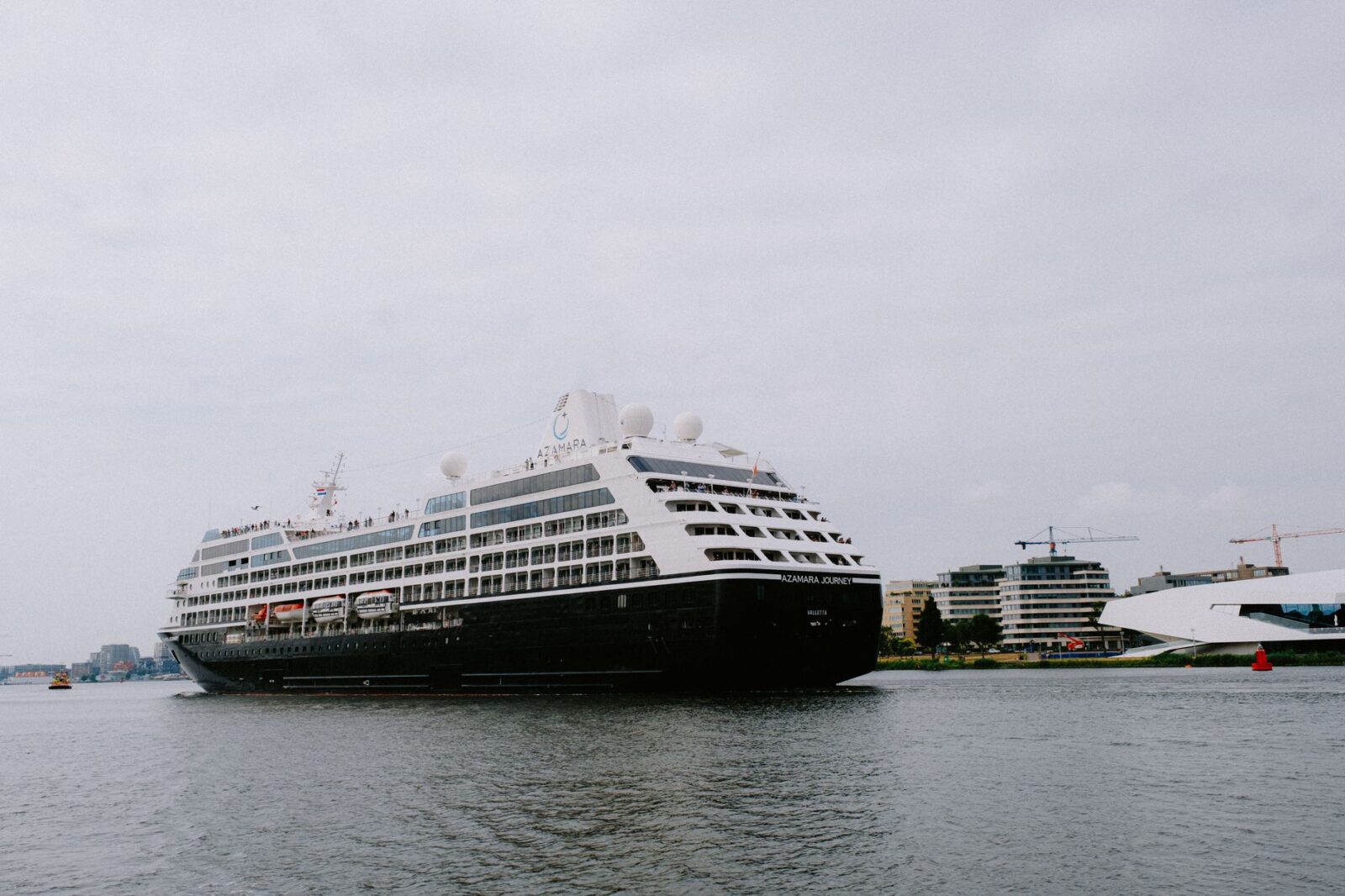
In the world of travel, cruises hold a unique allure—offering travelers the chance to explore multiple destinations while enjoying luxurious amenities. With the cruise industry rebounding and set to welcome millions of travelers in 2026, cruise travel insurance has become a hot topic. This type of insurance is specifically designed to cover the unique risks associated with cruising, such as itinerary changes, missed ports, and cabin confinement.
As more travelers embark on their oceanic adventures, understanding the nuances of cruise travel insurance is essential. According to industry reports, the number of cruise passengers is expected to reach 30 million by the end of 2026, highlighting the importance of securing comprehensive coverage.
What Makes Cruise Travel Insurance Unique?
Cruise travel insurance is tailored to address the specific challenges that come with a cruise vacation. Unlike standard travel insurance, these policies offer protection against unforeseen events such as missed connections due to a delayed flight, or the need to cancel excursions due to weather conditions. A typical cruise insurance policy may also cover:
- Medical emergencies on board or at ports of call.
- Trip cancellations or interruptions due to illness or other covered reasons.
- Lost or delayed baggage.
- Repatriation costs in the event of serious illness or injury.
In 2026, many insurance providers, like Allianz Travel Insurance and Travel Guard, are offering specialized plans that include additional benefits such as coverage for preexisting medical conditions, which is critical for older travelers or those with health concerns.
Planning Your Cruise: When and Where to Go
Timing is crucial when planning a cruise to ensure you enjoy the best weather and avoid peak crowds. For instance, Mediterranean cruises are ideal from April to October, while Caribbean cruises are best from November to May, avoiding hurricane season. It’s also wise to consider alternative destinations, such as river cruises in Europe or Asia, which offer unique cultural experiences and often have more lenient travel seasons.
When budgeting for your cruise, account for potential additional expenses like shore excursions, specialty dining, and gratuities. Cruise insurance costs generally range from 5% to 10% of the total trip cost, depending on the level of coverage you choose.

Insider Tips for Choosing the Right Policy
When selecting cruise travel insurance, travelers should compare policies from multiple providers to ensure they are getting the best value. Here are some tips from seasoned travelers:
- Check if your existing health insurance covers international medical expenses, as some do not.
- Consider policies that offer ‘cancel for any reason’ coverage for maximum flexibility.
- Read the fine print to understand the exclusions and limitations of the policy.
- Purchase insurance soon after booking your cruise to take advantage of early booking benefits.
Alternatives: River Cruises and More
If ocean cruises aren’t your preference, consider river cruises which offer a more intimate experience with stops at smaller, less crowded ports. Popular river cruise destinations include the Danube in Europe and the Yangtze in China. These cruises often include excursions in the package price and provide a different cultural perspective than ocean cruises.
For those who enjoy land travel, consider combining a cruise with a rail journey. For example, the Rocky Mountaineer in Canada offers stunning views of the Rockies and can be paired with an Alaskan cruise for a truly unforgettable trip.

Checklist: Preparing for Your Cruise
To ensure a smooth journey, use this checklist to prepare for your cruise:
- Verify your passport and visa requirements for each port of call.
- Purchase travel insurance that covers all aspects of your trip.
- Pack appropriately for the climate and activities planned.
- Download the cruise line’s app for onboard activities and updates.
- Inform your bank of international travel to avoid card holds.
Visa and Entry Requirements
Depending on your cruise itinerary, you may need visas for certain countries. For example, cruises that dock in China, Russia, or India often require a visa. Check the specific requirements well in advance, as visa processing can take time. Use official government websites such as travel.state.gov or embassy websites to get the most current information.
Frequently Asked Questions
Is cruise travel insurance worth it?
Yes, cruise travel insurance is worth considering due to the unique risks associated with cruises, including medical emergencies at sea, missed connections, and itinerary changes.
What should I look for in a cruise travel insurance policy?
Look for comprehensive coverage that includes medical expenses, trip cancellation, missed connections, and coverage for preexisting conditions.
Can I buy cruise insurance after booking my trip?
Yes, but it’s recommended to purchase insurance soon after booking to take advantage of benefits like ‘cancel for any reason’ coverage.
Are preexisting conditions covered by cruise travel insurance?
Many insurers offer plans that cover preexisting conditions if you purchase your policy within a certain time frame after booking your trip.
Do I need separate insurance for shore excursions?
Check your policy details; some insurance plans cover excursions, but you may need to purchase additional coverage for certain activities.
In conclusion, cruise travel insurance is an essential investment for anyone planning a cruise vacation in 2026. By understanding the specific coverage options available and planning accordingly, you can ensure peace of mind and a memorable travel experience. We invite readers to share their cruise experiences and insurance tips in the comments below.
Stay informed with the latest travel news, visa updates, and destination guides. Follow HimalayanCrest.com for weekly travel intelligence delivered by our editorial team.