

The Allure of Everest Base Camp
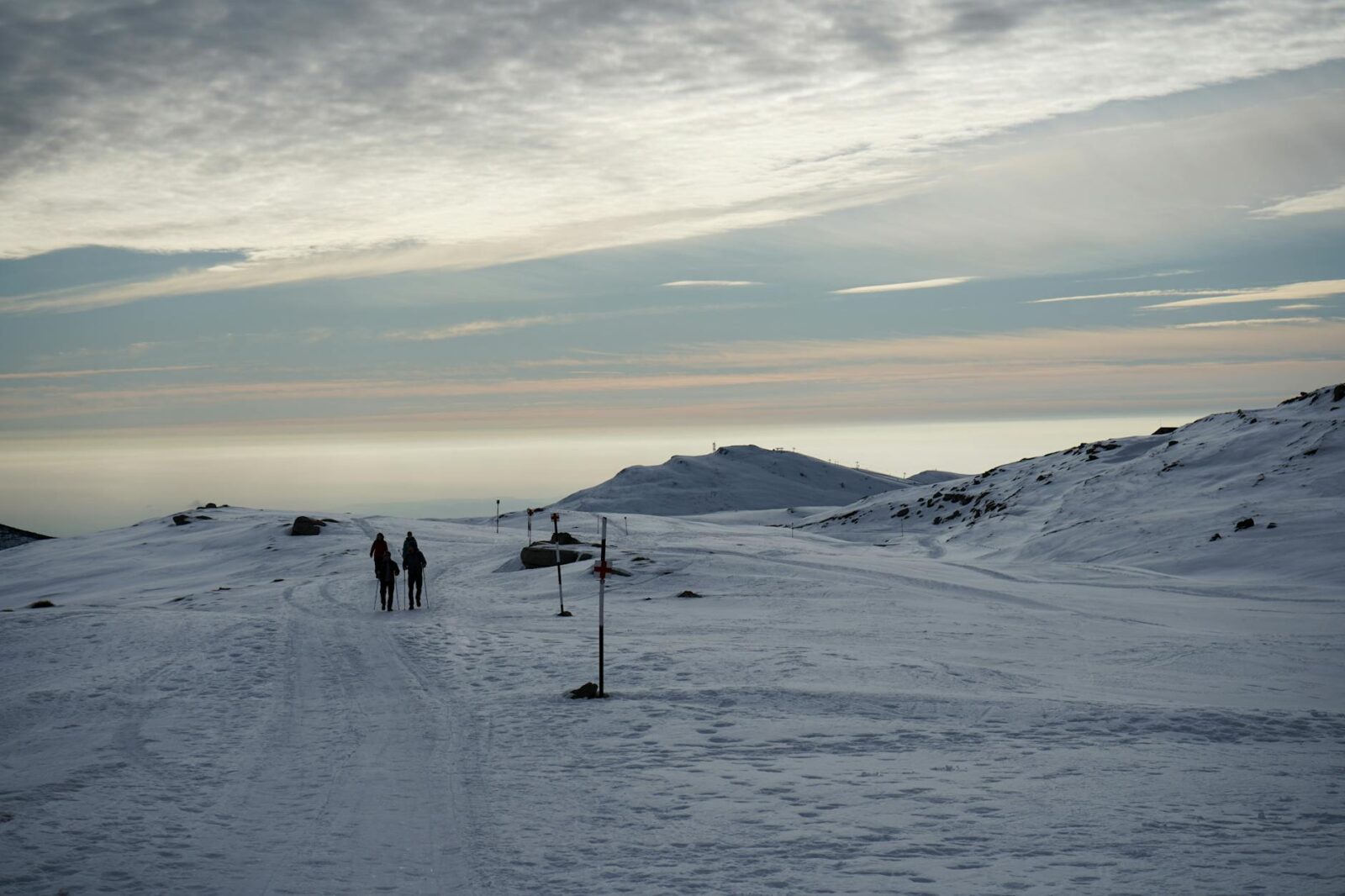
As the first rays of the sun paint the snow-clad peaks of the Himalayas in hues of gold and crimson, the distant sound of a monastery bell echoes through the crisp morning air. This is the call to adventure that awaits trekkers on the Everest Base Camp Trek, a journey that promises both challenges and the ultimate reward of standing in the shadow of the world’s highest mountain.
Understanding the Route and Requirements
The Everest Base Camp Trek covers a round trip of approximately 130 kilometers (80 miles), typically taking between 12 to 16 days to complete. It is a strenuous trek, with the highest point at Kala Patthar reaching an altitude of 5,545 meters (18,192 feet). This trek requires a good level of fitness and acclimatization to the high altitudes. Trekkers should be prepared for long days of hiking, sometimes up to 8 hours a day, through varied terrain.
Detailed Itinerary: Day-by-Day Adventure
The journey begins with a flight from Kathmandu to Lukla, a small town perched at 2,860 meters (9,383 feet). From Lukla, the trek proceeds as follows:
- Day 1: Trek from Lukla to Phakding (2,610 meters) – 8 km, 3-4 hours.
- Day 2: Phakding to Namche Bazaar (3,440 meters) – 11 km, 6-7 hours.
- Day 3: Acclimatization day in Namche Bazaar. Optional hike to Everest View Hotel.
- Day 4: Namche Bazaar to Tengboche (3,860 meters) – 10 km, 5-6 hours.
- Day 5: Tengboche to Dingboche (4,410 meters) – 11 km, 5-6 hours.
- Day 6: Acclimatization day in Dingboche. Trek to Nagarjun Hill for views.
- Day 7: Dingboche to Lobuche (4,940 meters) – 8 km, 5-6 hours.
- Day 8: Lobuche to Gorak Shep (5,164 meters), then to Everest Base Camp (5,364 meters) and back to Gorak Shep – 15 km, 8-9 hours.
- Day 9: Climb Kala Patthar for sunrise views, then descend to Pheriche (4,371 meters) – 13 km, 7-8 hours.
- Day 10-12: Return trek to Lukla via Namche Bazaar.
Choosing the Best Time to Trek
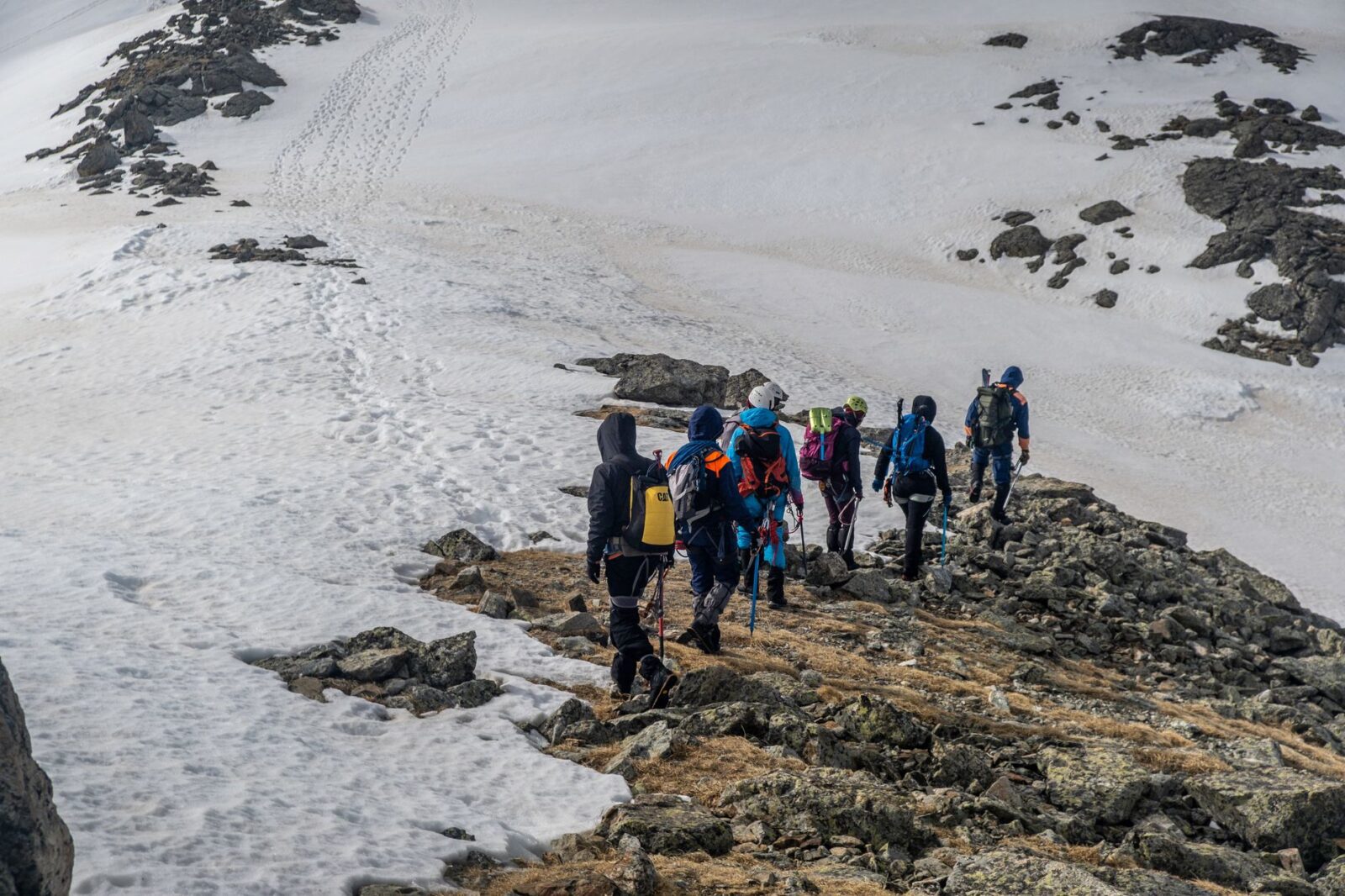
The ideal times to embark on this trek are pre-monsoon (March to May) and post-monsoon (late September to November). During these periods, the weather is relatively stable, and the skies are clear, offering spectacular views. However, each season has its trade-offs: spring brings blooming rhododendrons, while autumn offers cooler temperatures but can be crowded.
Permit Requirements and Costs
Trekking in the Everest region requires a TIMS card (Trekkers’ Information Management System) and a Sagarmatha National Park Entry Permit. The TIMS card costs USD 20, and the national park fee is USD 30. These permits can be obtained in Kathmandu or from the Nepal Tourism Board.
Essential Gear for the Trek
Prepare with layers of clothing suitable for cold weather, including thermal base layers, a down jacket, and waterproof outerwear. Good quality trekking boots, a sleeping bag rated for sub-zero temperatures, and a sturdy backpack are also essential. Don’t forget sunglasses, sunscreen, and a hat to protect against the sun’s intense UV rays at high altitudes.
Accommodation and Costs
Accommodation along the route consists of teahouses, which are basic but comfortable. Expect to pay around USD 5-10 per night for a room. Meals are extra, costing around USD 10-15 per meal. Hiring a guide or porter is recommended for safety and convenience, with costs around USD 25-30 per day for a guide and USD 15-20 for a porter. Tipping is customary, with a guide generally receiving USD 100-150 at the trek’s end and porters USD 50-80.
Health and Safety: Altitude and Water
Acute Mountain Sickness (AMS) is a risk due to high altitudes. To mitigate this, ascend slowly, stay hydrated, and consider acclimatization days. Diamox tablets can help prevent symptoms, but consult a doctor before use. Use water purification tablets or a filter to treat drinking water, as untreated sources can be unsafe.
Respecting Local Culture and Environment
The Everest region is home to the Sherpa community, and respecting their customs is vital. Always ask permission before photographing people, dress modestly, especially in religious sites, and avoid polluting the environment. Sustainable practices, such as carrying reusable water bottles and packing out trash, help preserve this fragile ecosystem.
FAQs for Aspiring Trekkers
What is the minimum age for trekking to Everest Base Camp?
There is no strict age limit, but trekkers should be in good health and physically fit. It is recommended that children under 12 years old be accompanied by experienced adults.
Can I trek solo to Everest Base Camp?
Yes, solo trekking is possible, but hiring a guide is advisable for safety, navigation, and cultural insights.
What vaccinations are recommended for this trek?
Consult your healthcare provider, but common recommendations include vaccinations for Hepatitis A, Typhoid, and Tetanus.
How can I prepare physically for the trek?
Focus on building cardiovascular fitness, strength training, and hiking practice on varied terrain to prepare your body for the demands of the trek.
What are the emergency evacuation procedures?
In case of severe altitude sickness or injury, helicopter evacuations can be arranged from points along the trek. Ensure you have insurance that covers high-altitude trekking and emergency evacuation.
Stay informed with the latest travel news, visa updates, and destination guides. Follow HimalayanCrest.com for weekly travel intelligence delivered by our editorial team.