

The Allure of Hidden Sanctuaries
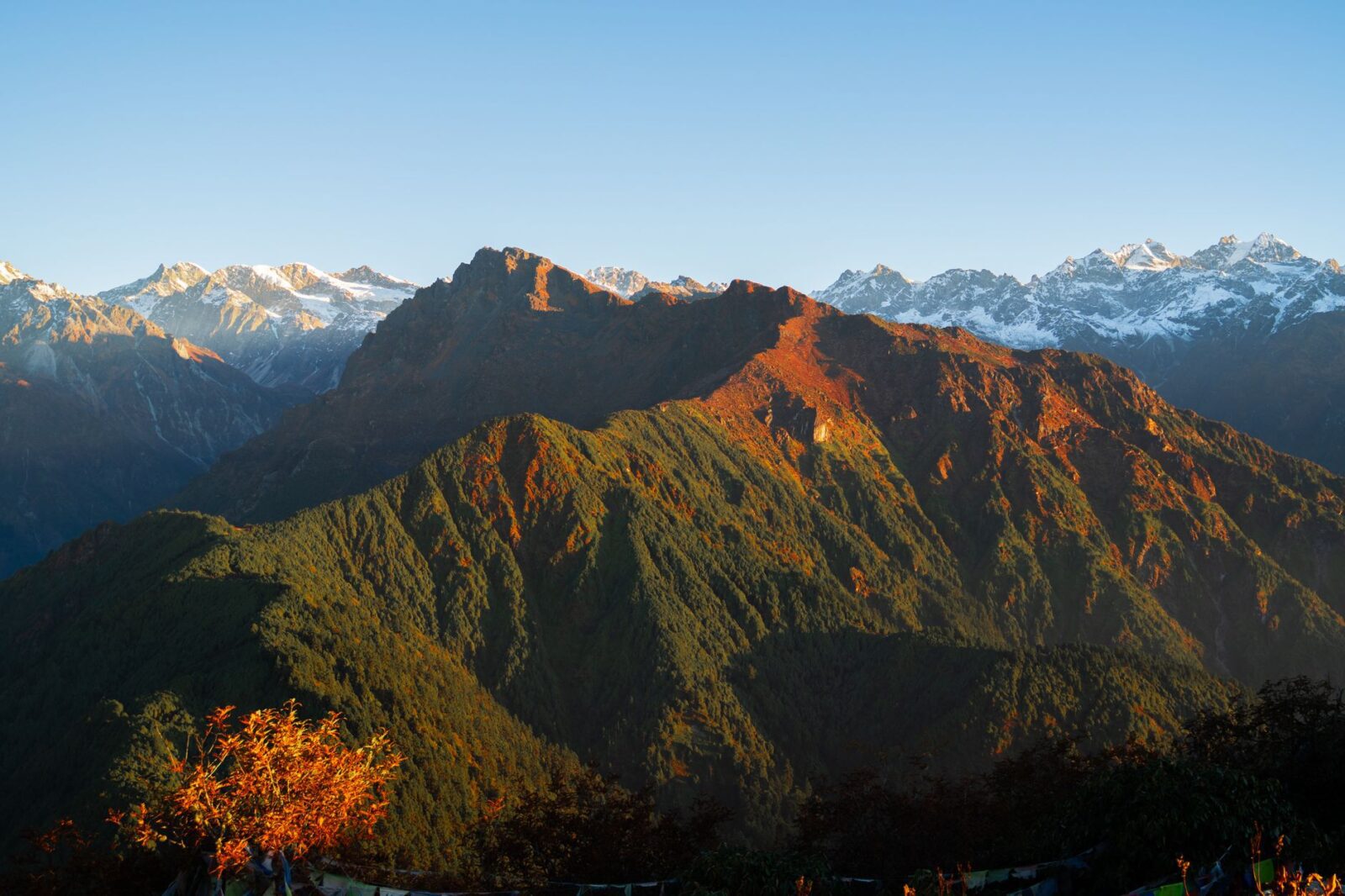
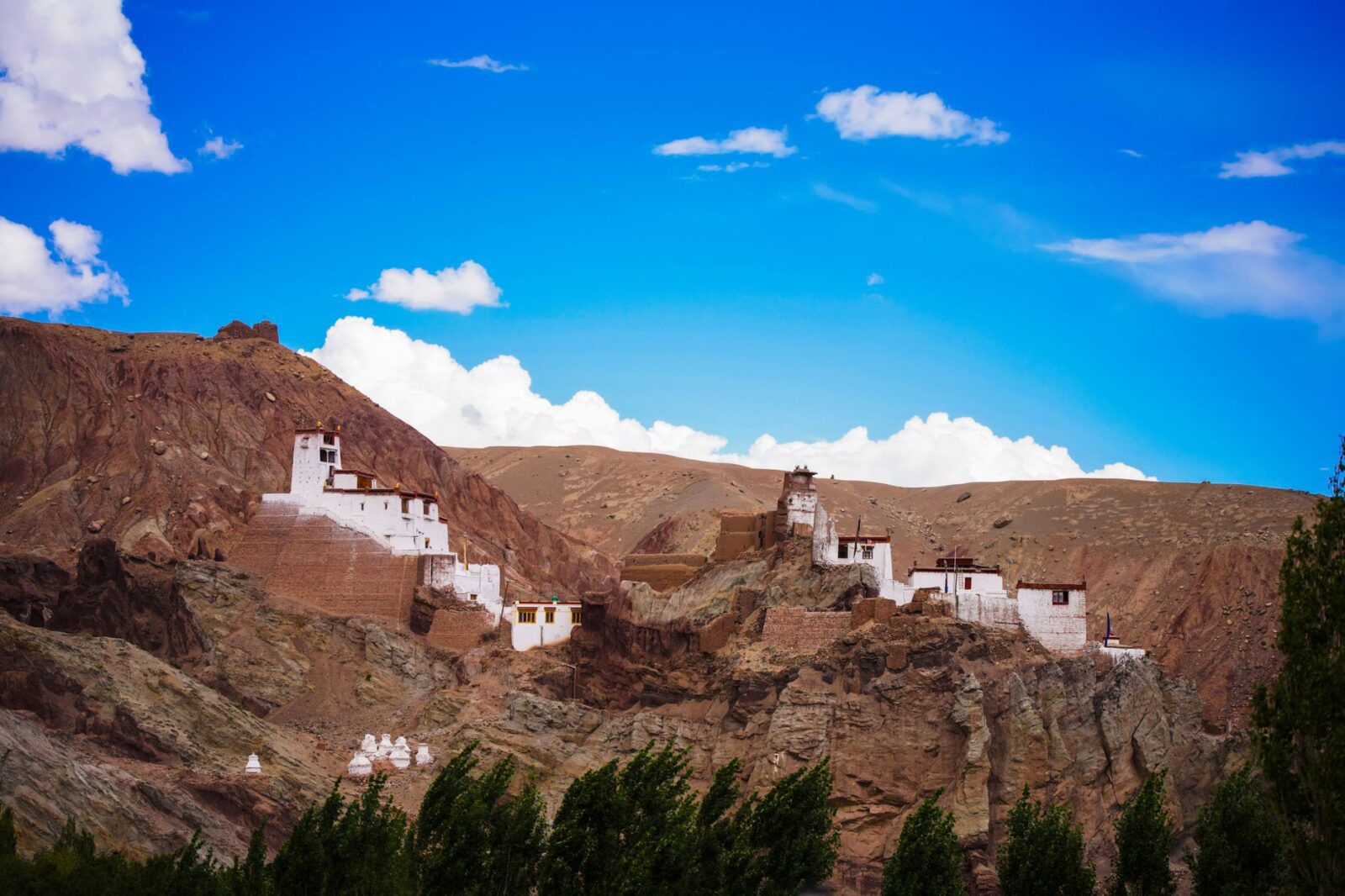
As dawn breaks over the majestic Himalayas, the gentle sound of a monastery bell echoes through the crisp mountain air. The path to these hidden spiritual havens is not just a trek; it’s a journey into the heart of Himalayan culture and spirituality. Nestled among the towering peaks are sacred temples and monasteries, each holding stories untold and a serenity unmatched.
Route Overview: Charting the Spiritual Path
Embarking on a trek to the hidden temples and monasteries of the Himalayas is both a physical and spiritual endeavor. One popular route is the journey to the remote Tengboche Monastery in Nepal, a trek of moderate difficulty spanning 10-12 days. With a maximum altitude of 3,867 meters, trekkers should be in good physical condition to handle daily hikes of 5-7 hours.
Day-by-Day Itinerary
Day 1-2: Begin in Lukla, trek to Phakding, and continue to Namche Bazaar. Altitude gain: ~800m. Distance: ~13 km.
Day 3-4: Acclimatize in Namche Bazaar, explore local markets and visit the Sherpa Museum.
Day 5: Trek to Tengboche Monastery. Altitude gain: ~600m. Distance: ~10 km.
Day 6-7: Visit the monastery, attend a prayer session, and hike to nearby viewpoints.
Day 8-9: Begin the return trek to Namche Bazaar and then to Lukla.
Choosing the Right Season
The best time to explore these hidden sanctuaries is during the pre-monsoon (March to May) and post-monsoon (September to November) seasons. The weather is generally stable, offering clear views and comfortable temperatures. However, expect crowded trails during these peak times. Winter treks (December to February) offer solitude and snow-capped vistas but require extra preparation for cold conditions. Monsoon treks (June to August) are less crowded but can be challenging due to rain and slippery paths.
Permits and Costs
To trek in Nepal, you’ll need a TIMS card (USD 20) and a Sagarmatha National Park entry permit (USD 30). It’s crucial to secure these permits in advance, either online or through a registered trekking agency. Always carry these documents as they are checked at various points along the route.
Essential Gear for the Trek
Your gear can make or break your trekking experience. Essential items include a sturdy pair of trekking boots, moisture-wicking clothing, a reliable sleeping bag, and a warm jacket. A lightweight backpack, water purification tablets, and a first-aid kit are also vital. Depending on the season, crampons and thermal layers might be necessary.
Accommodation and Local Expertise
Teahouses along the route offer basic accommodation and meals, with costs averaging USD 10-20 per night. Hiring a local guide (USD 25-30 per day) not only supports the community but enriches your experience with cultural insights and navigation expertise. Tipping guides and porters is customary, with a recommended tip of 10% of their fee.
Health and Safety Considerations
Altitude sickness is a real concern. Ascend slowly, hydrate well, and consider carrying Diamox tablets for prevention. Always boil or purify water before drinking. Evacuation insurance is advisable, covering helicopter rescue if needed, with costs around USD 150-200 for basic coverage.
Respectful Visits and Sustainable Practices
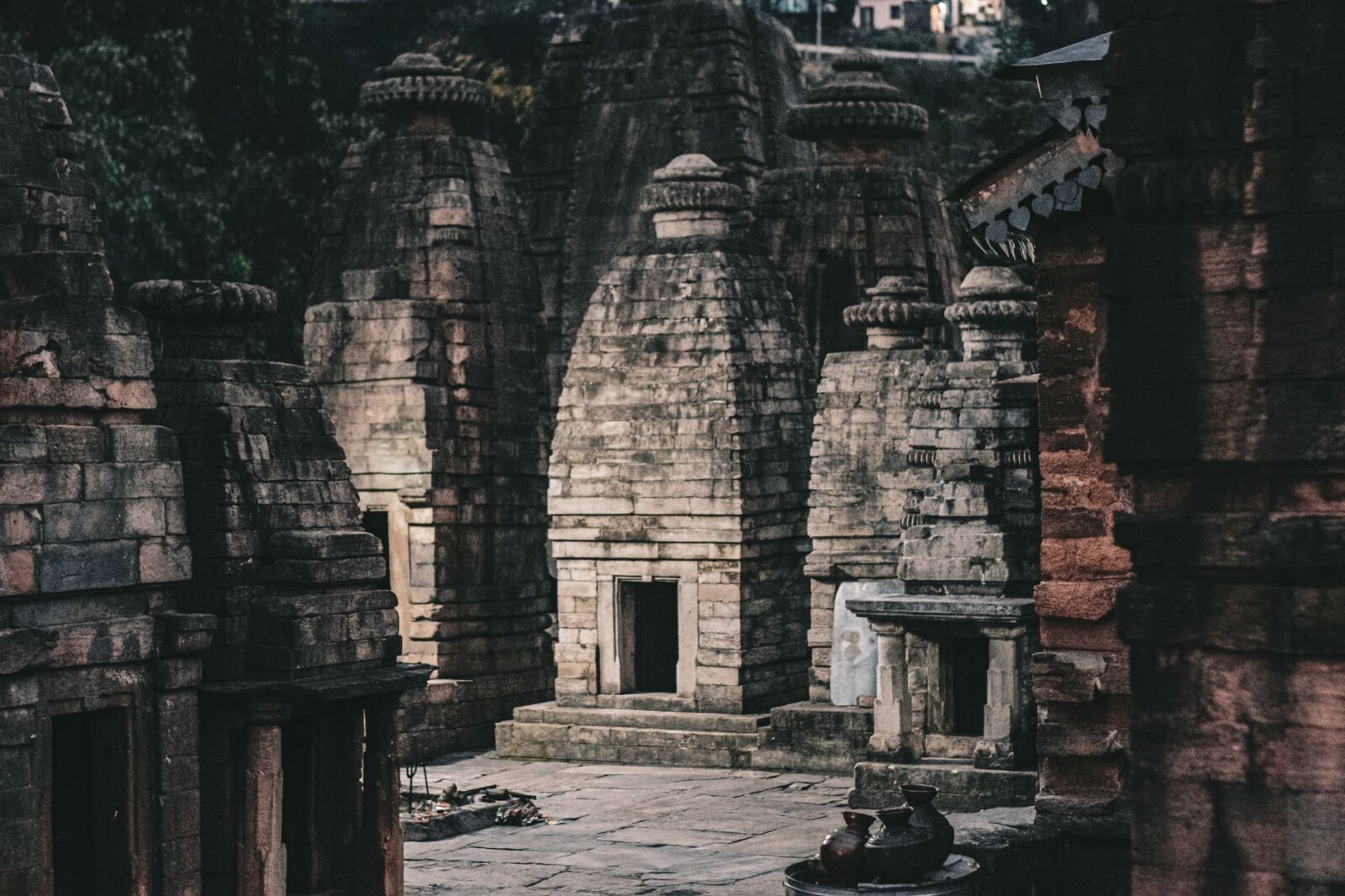
While visiting temples and monasteries, dress modestly, remove shoes before entering, and seek permission before photographing. Engage with local customs and support sustainability by minimizing waste and respecting wildlife. Leave no trace to preserve these spiritual sanctuaries for future generations.
FAQ
What is the difficulty level of the trek to hidden monasteries? The trek is moderately difficult, suitable for fit individuals who can handle daily hikes of 5-7 hours.
How can I prevent altitude sickness? Ascend gradually, stay hydrated, and consider acclimatization days. Carrying Diamox as a preventive measure is recommended.
What are the costs for permits and accommodation? TIMS card costs USD 20, and the Sagarmatha National Park entry permit is USD 30. Teahouse accommodations range from USD 10-20 per night.
When is the best time to trek? The best seasons are pre-monsoon (March-May) and post-monsoon (September-November) for clear views and stable weather.
What should I pack for the trek? Essential gear includes trekking boots, layered clothing, a sleeping bag, a warm jacket, and water purification tablets.
Conclusion
The hidden temples and monasteries of the Himalayas offer more than just breathtaking views; they provide a glimpse into a world where spirituality and nature intertwine. Whether you’re seeking adventure or spiritual awakening, these sacred paths are waiting to be explored. Share your thoughts and experiences in the comments below, and inspire others to embark on this unforgettable journey.
Stay informed with the latest travel news, visa updates, and destination guides. Follow HimalayanCrest.com for weekly travel intelligence delivered by our editorial team.