


The Mesmerizing Call of Leh Ladakh
As the first rays of dawn illuminate the rugged mountains of Ladakh, a symphony of colors dances across the barren landscape. The serene chime of a distant monastery bell echoes through the crisp morning air, inviting travelers to embark on an unforgettable journey. This is Leh Ladakh—a region where ancient Buddhist culture and breathtaking natural beauty converge to create a truly transformative experience.
Route Overview: Navigating the Himalayan Highways
The Leh Ladakh road trip is not for the faint-hearted. This expedition spans approximately 1,200 kilometers and takes you through some of the world’s highest motorable roads. The journey typically begins in either Manali or Srinagar, culminating in Leh, the heart of Ladakh. With altitudes reaching up to 18,380 feet at Khardung La, travelers must be prepared for both the physical and mental challenges that accompany high-altitude travel.
The entire trip is best suited for those with a moderate level of fitness. The roads can be treacherous, with steep climbs and sharp turns, requiring both skill and patience. Yet, the reward lies in the unparalleled vistas—snow-capped peaks, azure lakes, and verdant valleys that stretch as far as the eye can see.
Day-by-Day Itinerary: A Step-by-Step Adventure
Day 1-2: Delhi to Manali – Begin your journey from Delhi, traveling approximately 550 kilometers to Manali. Spend a day acclimatizing and exploring the local sights.
Day 3: Manali to Jispa – Covering 140 kilometers, this leg takes you through the Rohtang Pass, a gateway to the Himalayas.
Day 4: Jispa to Sarchu – Traverse 90 kilometers to Sarchu, the halfway point to Leh. The route is dotted with breathtaking landscapes and high-altitude passes.
Day 5: Sarchu to Leh – A 250-kilometer stretch leads you to Leh, passing through Tanglang La, the second-highest pass in the world.
Day 6-8: Leh and Surroundings – Spend time acclimatizing and exploring Leh, including visits to the Thiksey Monastery and Shanti Stupa.
Day 9: Leh to Nubra Valley – A 150-kilometer drive over Khardung La brings you to Nubra Valley, known for its sand dunes and double-humped camels.
Day 10: Nubra Valley to Pangong Tso – Travel 160 kilometers to the stunning Pangong Lake, a shimmering expanse of blue.
Day 11: Pangong Tso to Tso Moriri – The journey continues 240 kilometers to Tso Moriri, a lesser-visited but equally beautiful lake.
Day 12: Tso Moriri to Leh – Conclude your adventure with a return to Leh, a 220-kilometer drive through spectacular landscapes.
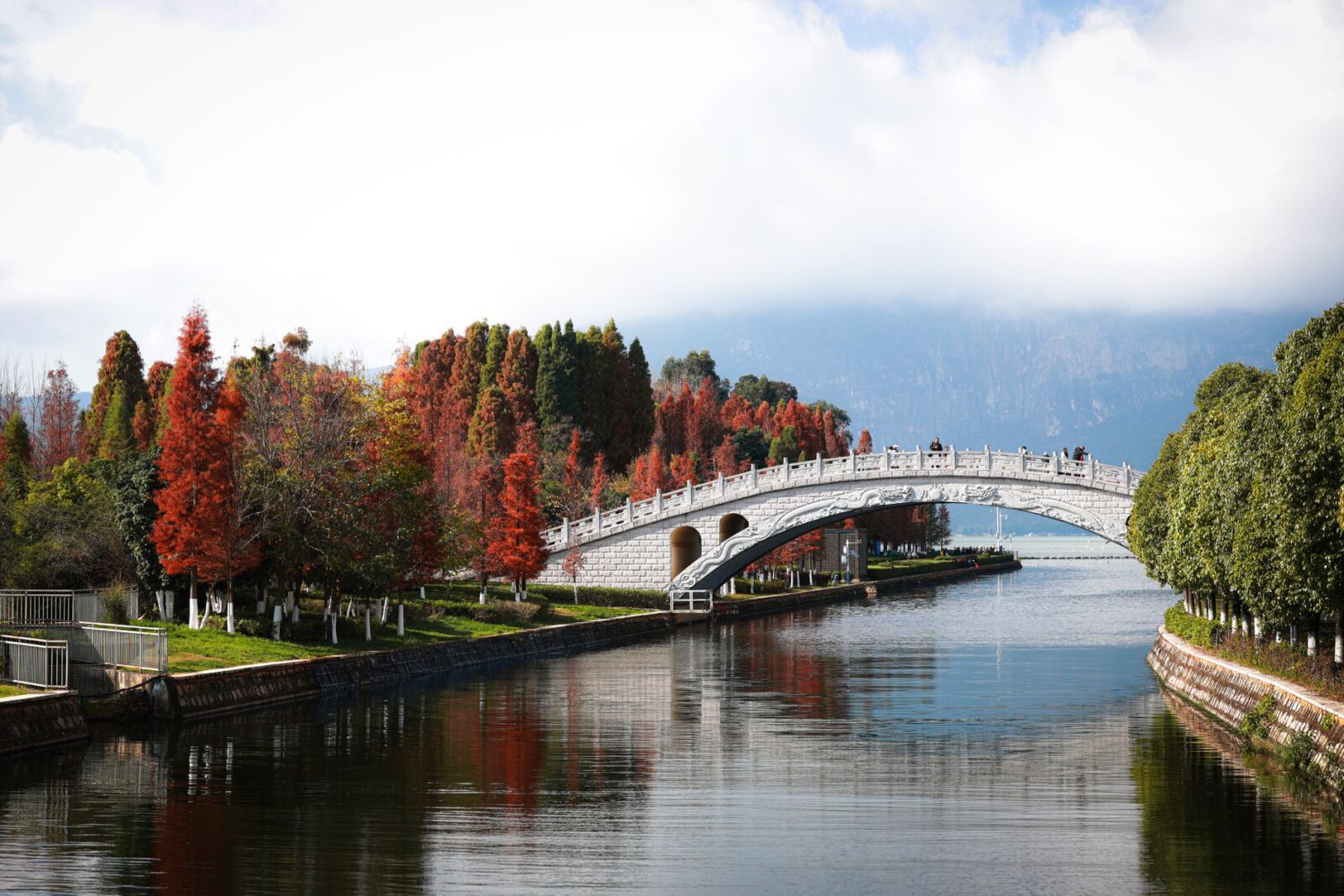
Best Seasons to Travel: Choosing the Right Time
The ideal time to embark on a Leh Ladakh road trip is from late May to early October. During these months, the roads are clear of snow, and the weather is relatively mild. However, each season offers its own unique experience.
Summer (June-August): The peak tourist season, with pleasant weather and vibrant festivals. However, expect larger crowds and higher accommodation prices.
Monsoon (July-September): Though Ladakh is a rain-shadow region, some areas can experience landslides. Travel with caution.
Autumn (September-October): A quieter time with fewer tourists, offering a chance to enjoy the serene beauty of Ladakh in peace.
Permits and Costs: Navigating the Red Tape
Travelers to Ladakh require an Inner Line Permit (ILP) to visit certain restricted areas such as Nubra Valley, Pangong Tso, and Tso Moriri. These permits are available online or in Leh at a cost of approximately $5 (INR 400).
Additionally, foreign nationals must secure a Protected Area Permit (PAP), which costs around $10 (INR 800). It’s advisable to carry multiple photocopies of these permits as they will be checked at various checkpoints.

Essential Gear: Packing Smart for High Altitude
Preparing for a Leh Ladakh road trip requires careful consideration of your gear. Essentials include:
- Warm clothing, including thermal layers, as temperatures can drop significantly at night.
- A sturdy pair of trekking boots for exploring rugged terrain.
- Sunscreen and sunglasses to protect against the intense UV rays at high altitudes.
- A water purification system or tablets to ensure safe drinking water.
- A basic first-aid kit and altitude sickness medication.
Accommodation and Costs: Where to Rest Your Head
Accommodation in Ladakh ranges from budget guesthouses to luxury hotels. On average, expect to pay between $15 to $50 per night. In more remote areas like Nubra Valley and Pangong Tso, homestays and campsites are popular options, offering a chance to experience local hospitality.
Hiring a guide or porter can enhance your experience and costs about $20-$30 per day. Tipping is customary, with a suggested tip of 10-15% of the total cost.
Staying Safe: Health and Safety Tips
Altitude sickness is a significant concern when traveling to Ladakh. To minimize risk, allow time for acclimatization, stay hydrated, and avoid strenuous activity for the first few days. Consider carrying Diamox, a medication that helps prevent altitude sickness.
It’s also crucial to have comprehensive travel insurance that covers high-altitude trekking and medical evacuation. Check that your policy includes coverage for emergency evacuation and medical expenses.
Embracing Local Culture: Customs and Etiquette
Respect for local culture is paramount in Ladakh. When visiting monasteries, dress modestly and remove your shoes before entering. It’s polite to ask for permission before taking photographs of people, especially monks.
Engage in sustainable travel practices by minimizing waste and respecting the fragile ecosystem. Support local businesses and participate in cultural exchanges to enrich your travel experience.
Frequently Asked Questions
What is the best time for a Leh Ladakh road trip?
The best time to visit is from late May to early October, with each season offering distinct advantages.
Do I need a permit to travel in Ladakh?
Yes, an Inner Line Permit (ILP) is required for certain areas, costing around $5.
What should I pack for a Leh Ladakh trip?
Essential items include warm clothing, trekking boots, sunscreen, water purification tablets, and a first-aid kit.
How can I prevent altitude sickness?
Acclimatize slowly, stay hydrated, and consider taking Diamox to prevent symptoms.
Are there ATM facilities in Ladakh?
ATMs are available in Leh, but it’s advisable to carry cash for remote areas where card facilities may be limited.
The Leh Ladakh road trip is more than just a journey; it’s an odyssey that tests your limits and rewards you with memories that last a lifetime. Whether you’re a seasoned traveler or a first-time adventurer, the allure of the Himalayas promises an experience like no other. Share your stories and tips in the comments below—your insights could be the spark that ignites another traveler’s journey.
Stay informed with the latest travel news, visa updates, and destination guides. Follow HimalayanCrest.com for weekly travel intelligence delivered by our editorial team.