

Why the UAE Golden Visa Is Trending in 2026
The United Arab Emirates continues to attract global talent and capital, and the Golden Visa program remains at the forefront of that appeal. In early 2026, the UAE government announced a streamlined renewal process for existing holders, reducing paperwork and reinforcing the program’s commitment to long‑term residency. This update, combined with the country’s push to diversify away from oil, has sparked renewed interest among investors, entrepreneurs, and skilled professionals worldwide. For anyone considering a move to a dynamic, tax‑friendly hub, understanding the latest Golden Visa rules is essential.
Launched in 2019 under Cabinet Resolution No. 56, the Golden Visa offers renewable residence permits ranging from five to ten years. Unlike standard employment visas, it is not tied to a specific sponsor, giving holders greater freedom to live, work, or study in the emirates. The program targets investors who inject capital into the economy, entrepreneurs who launch innovative startups, specialized talents in fields such as technology and healthcare, outstanding students, and humanitarian contributors. As of August 2026, more than 200,000 individuals have secured Golden Visas, underscoring its role in shaping the UAE’s knowledge‑based future.
Who Qualifies for the UAE Golden Visa
Eligibility is divided into several distinct categories, each with its own set of criteria. Investors must demonstrate a qualifying financial commitment, whether through property purchase, capital investment, or establishing a business that meets government‑defined thresholds. Entrepreneurs need to own or partner in a registered small‑ or medium‑sized enterprise (SME) that shows potential for growth and job creation. Specialized talents include scientists, doctors, engineers, and artists who have received prestigious awards or hold patents recognized internationally.
Outstanding students are eligible if they have achieved a minimum GPA of 3.8 (or equivalent) in secondary school or university and have received a recommendation from their educational institution. Graduates of UAE‑based universities with a GPA of 3.5 or higher can also apply. Finally, the program reserves slots for humanitarian pioneers and frontline heroes—individuals who have made significant contributions to disaster relief, public health, or community service, as verified by authorized UAE entities.
Investment Pathways: Property, Capital, and Business Setup
The most common route for investors remains real estate. To qualify, an applicant must purchase a property in Dubai valued at least two million Arab Emirates Dirhams (AED). At the August 2026 exchange rate of 1 USD ≈ 3.67 AED, this equals roughly US $545,000. The property can be residential, commercial, or a mix, but it must be freehold and located within an approved development zone. Holding the title deed for the minimum period is required before the visa can be issued.
Alternative investment pathways include a capital deposit of at least ten million AED (about US $2.7 million) in a UAE‑based investment fund, or establishing a company with a minimum capital of ten million AED that contributes to the UAE’s economic diversification goals. For entrepreneurs, the threshold is lower: a registered SME with a minimum capital of five hundred thousand AED (approximately US $136,000) and a clear business plan that projects job creation for at least five UAE nationals within the first two years.
All investment routes require proof of the source of funds, a clean criminal record, and valid medical insurance covering the applicant and any dependents. The government periodically reviews the minimum thresholds to align with economic objectives, so applicants should verify the latest figures on the official UAE government portal before submitting an application.
Costs, Fees, and Renewal Conditions
The Golden Visa itself carries a processing fee that varies by category. For investors, the standard fee is US $136,000, which covers the visa issuance, Emirates ID, and associated administrative costs. Entrepreneurs pay a reduced fee of US $68,000, reflecting the lower capital requirement. Specialized talents and outstanding students generally incur fees between US $34,000 and US $68,000, depending on the specific sub‑category and duration requested.
Beyond the visa fee, applicants should budget for ancillary expenses. Property purchases involve registration fees (typically 4 % of the purchase price), agent commissions (around 2 %), and annual service charges that can range from US $500 to US $2,000 for a mid‑range apartment. Capital‑deposit routes may incur fund management fees of 1 %‑2 % per annum. Medical insurance for a family of four averages US $1,200 per year, while Emirates ID renewal costs approximately US $30 every five years.
The visa is valid for either five or ten years, with automatic renewal provided the holder continues to meet the original eligibility conditions. For property‑based visas, the investor must retain ownership of the qualifying real estate; selling the property before the renewal date can jeopardize residency status. Entrepreneurs must demonstrate ongoing business activity, such as maintaining a minimum annual turnover or employing a set number of local staff. The government conducts periodic compliance checks, usually every two years, to ensure adherence.
Key Benefits Beyond Residency
Golden Visa holders enjoy a suite of privileges that extend far beyond the right to reside in the UAE. Perhaps the most notable is the ability to sponsor family members—spouse, children, and even parents—without the need for a separate employment contract. This facilitates family reunification and allows dependents to access UAE schools and universities under the same residency status.
Tax advantages remain a major draw. The UAE imposes no personal income tax, no capital gains tax, and no inheritance tax for individuals, making it an attractive base for wealth preservation. While corporate tax was introduced in 2023 at a rate of 9 % for profits exceeding US $375,000, many free‑zone entities remain exempt, allowing Golden Visa holders who operate businesses in designated zones to benefit from zero‑tax treatment.
Access to world‑class healthcare and education is another perk. Holders can use private hospitals and clinics that meet international standards, often at rates lower than those in Europe or North America. For education, children can enroll in prestigious international schools offering British, American, or IB curricula, with tuition fees ranging from US $8,000 to US $25,000 per year depending on the institution and grade level.
Finally, the Golden Visa confers a degree of travel flexibility. Holders can enter and exit the UAE multiple times without needing a new visa stamp, and the residence permit facilitates easier visa‑on‑arrival or e‑visa access to numerous countries, particularly within the Gulf Cooperation Council (GCC) and Asia.

Step‑by‑Step Application Process
Applying for a Golden Visa begins with gathering the required documentation. Core documents include a valid passport (with at least six months’ validity), recent passport‑size photographs, proof of the qualifying investment (title deed, capital‑deposit certificate, or business license), a clean criminal record certificate from the applicant’s home country, and a medical fitness report issued by an approved UAE health centre.
Once documents are ready, the applicant submits an online application through the Federal Authority for Identity, Citizenship, Customs & Port Security (ICA) portal or visits an Amer centre in Dubai or Abu Dhabi. The system guides the user through category selection, document upload, and fee payment. After submission, the ICA typically issues an initial approval within five to ten working days, followed by a request for biometric enrolment (fingerprints and facial scan).
Biometric enrolment is completed at a designated service centre, after which the applicant receives an Emirates ID card. The final visa stamp is placed in the passport, either electronically (e‑visa) or as a physical sticker, depending on the applicant’s preference. The total processing time from document submission to visa issuance averages two to four weeks, though expedited services are available for an additional fee.
Insider tips can smooth the journey. First, ensure that all documents are translated into Arabic or English and notarized if required; mismatched translations often cause delays. Second, consider engaging a licensed immigration consultant who is familiar with the latest 2026 updates—consultant fees range from US $500 to US $1,500 but can prevent costly errors. Third, keep copies of every submitted document and receipt; the ICA may request additional evidence during the compliance review period.
Living in the UAE on a Golden Visa: Practical Insider Advice
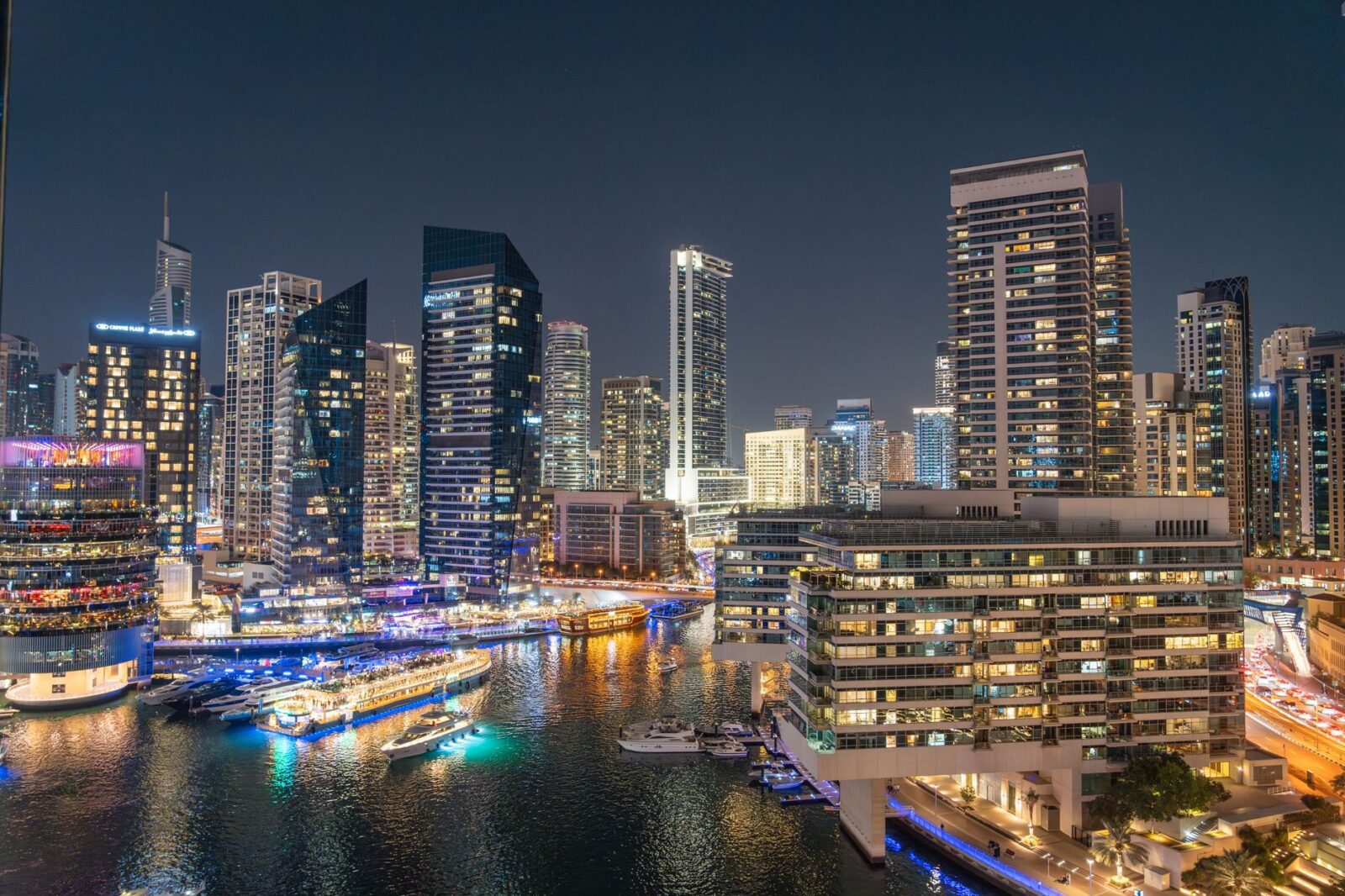
Securing the visa is only the first step; thriving in the UAE requires an understanding of local nuances. Housing choices vary widely across the emirates. In Dubai, neighborhoods such as Jumeirah Village Circle, Dubai Marina, and Arabian Ranches offer a mix of villas and apartments suited to families, while areas like Downtown Dubai and Business Bay cater to professionals seeking proximity to work and entertainment. Rental prices for a two‑bedroom apartment in mid‑range districts range from US $1,800 to US $2,800 per month, whereas luxury waterfront properties can exceed US $6,000 monthly.
Transportation is efficient and relatively affordable. The Dubai Metro, buses, and taxis provide comprehensive coverage, and a monthly public transport pass costs about US $80. Many Golden Visa holders opt to lease a car; compact sedans start at roughly US $400 per month, inclusive of insurance and maintenance, while premium models can reach US $1,200 monthly. Fuel prices remain low compared to global averages, hovering around US $0.60 per litre.
Cultural integration enhances the experience. While the UAE is cosmopolitan, respecting local customs—such as dressing modestly in public spaces, observing Ramadan fasting hours, and greeting with the traditional “As‑salamu alaykum”—goes a long way. Expatriate communities are vibrant; clubs and associations cater to interests ranging from photography and hiking to entrepreneurship and tech meet‑ups, providing ready‑made networks for newcomers.
Healthcare and education logistics merit advance planning. Registering with a preferred private hospital early can secure faster appointment slots, and many insurers offer direct billing arrangements. For schooling, apply at least six months before the desired start date, as top international schools often have waiting lists. Finally, consider opening a local bank account; major banks such as Emirates NBD and Abu Dhabi Commercial Bank offer tailored expatriate packages with low‑fee international transfers.
Alternatives and Comparisons: Other Gulf Residency Options
While the UAE Golden Visa is prominent, neighboring countries offer comparable long‑term residency schemes that may suit different priorities. Qatar’s Permanent Residence Permit, launched in 2020, requires a minimum property investment of QAR 1 million (about US $275,000) or a business investment of QAR 10 million (roughly US $2.75 million). The permit is valid for ten years and renewable, but sponsorship rules are stricter, limiting the ability to bring parents.
Saudi Arabia introduced its Premium Residency (often dubbed the “Saudi Green Card\)) in 2019, with two tracks: a permanent option costing SAR 800,000 (approximately US $213,000) and a renewable annual option priced at SAR 100,000 (about US $26,700) per year. The program targets investors, entrepreneurs, and talented individuals, and offers similar benefits such as family sponsorship and access to public services, though the tax environment includes a nascent expatriate levy on certain goods.
Oman’s Investor Residence Visa demands a minimum capital commitment of OMR 150,000 (roughly US $390,000) in an approved project or the purchase of property valued at OMR 200,000 (about US $520,000). The visa is initially granted for one year and renewable annually, provided the investment remains active. Oman’s appeal lies in its lower cost of living and slower pace, which may attract retirees or those seeking a quieter lifestyle.
When comparing these options, the UAE Golden Visa stands out for its flexibility—no mandatory minimum stay requirement, the ability to work for any employer or start a business without additional permits, and a well‑established infrastructure that supports international connectivity. However, applicants prioritizing lower upfront costs might find Saudi Arabia’s annual premium residency more accessible, while those desiring a tax‑free environment with minimal reporting obligations could lean toward Oman’s simpler renewal process.
Frequently Asked Questions
1. Can I work for any employer in the UAE with a Golden Visa?
Yes. The Golden Visa is not tied to a specific sponsor, allowing holders to take up employment, freelance work, or start a business without needing a separate labour card or employment visa. This freedom is one of the program’s biggest advantages over standard residence visas.
However, if you choose to be employed by a company, you must still obtain a labour contract and obtain a labour card through the Ministry of Human Resources and Emiratisation, as the Golden Visa only covers residency, not work authorization. The process is straightforward and usually completed within a few days once the employer submits the required paperwork.
2. What happens if I sell the property that qualified me for the visa?
Selling the qualifying property before the visa renewal date can affect your eligibility to renew the Golden Visa. The immigration authorities require proof that the original investment remains intact at the time of renewal. If you sell, you would need to replace the investment with another qualifying asset—such as purchasing a different property of equal or greater value, or shifting to the capital‑deposit or business‑setup route—to maintain residency status.
It is advisable to plan any property transaction well in advance of the renewal deadline and to consult with an immigration specialist to ensure continuous compliance.
3. Are there any minimum stay requirements to keep the visa valid?
No. Unlike many residency programs that impose a minimum number of days per year in the country, the UAE Golden Visa does not mandate a specific physical presence period. You can travel freely in and out of the UAE as long as your visa and Emirates ID remain valid.
That said, maintaining strong ties—such as keeping your property, business, or family residence in the UAE—helps demonstrate ongoing eligibility during the periodic compliance checks conducted every two years.
4. Can I include my parents in my sponsorship?
Yes. Golden Visa holders are permitted to sponsor their parents for long‑term residence, a benefit not universally available in other Gulf residency schemes. The sponsorship requires proof of adequate financial means (typically a minimum monthly salary of US $4,000 or equivalent passive income) and suitable accommodation that meets the UAE’s housing standards.
The process involves submitting a separate sponsorship application, medical fitness reports for the parents, and proof of relationship. Once approved, parents receive a residence visa that mirrors the validity of the sponsor’s Golden Visa and can be renewed under the same conditions.
5. How does the Golden Visa affect my tax residency status?
Obtaining a UAE Golden Visa does not automatically make you a tax resident; you a tax resident for purposes of your home country. Tax residency is generally determined by where you spend the majority of your time (often 183 days or more) and where your vital interests lie. However, the UAE’s lack of personal income tax means that, if you do become a tax resident there, you will not owe UAE income tax on your worldwide earnings.
It is essential to review the tax rules of your home country and consider consulting an international tax advisor to avoid double taxation and to optimize your global tax position.
Stay informed with the latest travel news, visa updates, and destination guides. Follow HimalayanCrest.com for weekly travel intelligence delivered by our editorial team.