

Canada Extends Federal Fuel Excise Tax Relief Through Early 2027
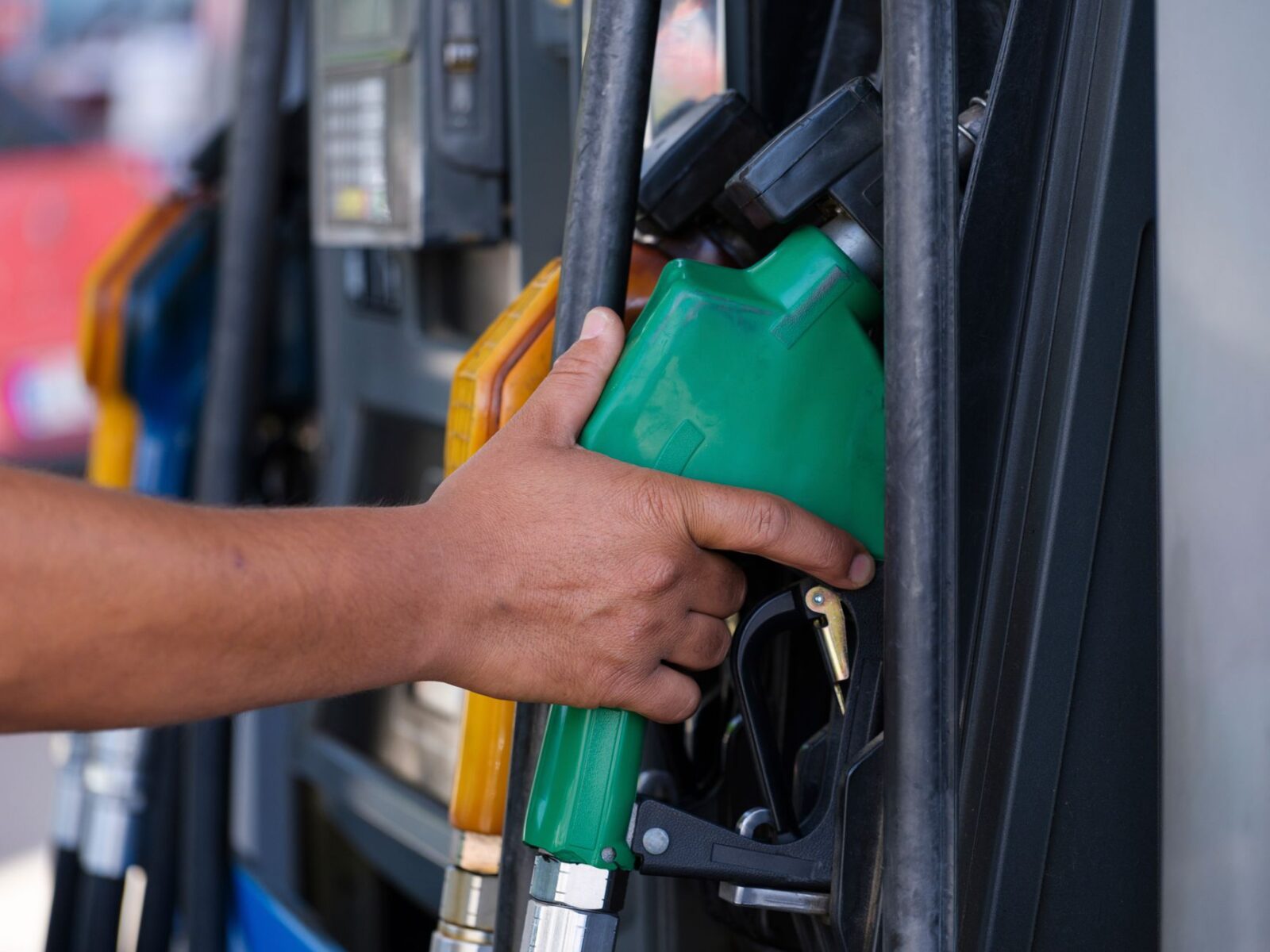
In September 2026 the Government of Canada announced that the temporary suspension of the federal fuel excise tax, which had been in place since April 2026, will be extended until January 31, 2027. After that date, a reduced rate of 50 % of the regular excise tax will apply from February 1 through March 31, 2027. This measure directly lowers the price Canadians pay at the pump for gasoline, diesel and aviation fuels.
The original suspension saved consumers roughly 10 cents per litre on gasoline and unleaded aviation gasoline, 11 cents per litre on leaded aviation gasoline, and 4 cents per litre on diesel and aviation fuel. By extending the relief, officials estimate that households and businesses will continue to save hundreds of dollars annually on fuel expenses, a significant benefit amid rising global prices and new United States tariffs on Canadian goods.
“Extending the fuel tax relief is a practical step to reduce costs today while we invest in long‑term prosperity,” said a senior official from the Department of Finance during the announcement in London, Ontario.
Who Feels the Impact: Expats, Digital Nomads and Investors
The tax relief is not limited to Canadian citizens; anyone purchasing fuel in Canada benefits from the lower pump price. This includes expatriates living and working in Canada, digital nomads who base themselves in Canadian cities for part of the year, and foreign investors who operate businesses that rely on transportation.
For expatriates, the reduced fuel cost translates into lower commuting expenses, cheaper weekend trips to explore the country, and decreased operating costs for those who run delivery or ride‑hailing services. Digital nomads who rent cars or use rideshares for coworking trips see a noticeable dip in monthly budgets.
Investors in sectors such as agriculture, construction, food processing and logistics experience lower input costs. Trucking companies, which move goods across the vast Canadian landscape, save on diesel expenses, allowing them to offer more competitive rates or reinvest savings into fleet upgrades.
Step‑by‑Step: What Affected Travelers Should Do Now
First, check the current pump price at your usual filling station and compare it to the pre‑relief baseline. Many stations display the tax‑inclusive price; the relief is already reflected in the number you see.
Second, adjust your monthly budget for transportation. If you typically allocate CAD 150 for fuel, you may now need only CAD 120‑130, freeing up cash for other expenses such as housing, food or leisure activities.
Third, keep records of fuel receipts for tax or reimbursement purposes. While the federal excise tax is suspended, provincial fuel taxes still apply, and you may need to substantiate expenses for employer reimbursements or business deductions.
Fourth, if you are planning a move to Canada or an extended stay, factor the lower fuel cost into your cost‑of‑living calculations. Websites such as Numbeo and Expatistan allow you to adjust fuel prices when comparing cities.
How Other Countries Handle Similar Fuel Tax Measures
Several nations have introduced temporary fuel tax cuts or suspensions in response to price spikes. In the United States, a number of states enacted gas tax holidays in 2022 and 2023, typically suspending state‑level excise taxes for a few months.
Within the European Union, countries such as Germany and Italy reduced value‑added tax on energy products during 2022‑2023 to cushion consumers from the energy crisis triggered by the war in Ukraine.
In Asia, India periodically cuts excise duties on petrol and diesel when international crude prices surge, while Malaysia has used targeted subsidies for specific consumer groups rather than a broad tax suspension.
Canada’s approach is notable for its duration—extending relief for nearly a full year and then tapering to a 50 % rate—providing a longer‑term buffer compared with many short‑term holidays elsewhere.
Impact on Specific Traveler Categories
Retirees and Snowbirds
Retirees who spend winters in Canada (often called snowbirds) benefit from lower heating oil and gasoline costs, making their seasonal stays more affordable. The relief also reduces the cost of renting vehicles for exploring provincial parks and scenic routes.
Students and Young Professionals
International students attending Canadian universities often rely on public transit or occasional car rentals. Lower fuel prices can reduce the cost of rideshare services and make weekend trips to nearby cities more accessible, enhancing the overall student experience.
Business Travelers and Conference Attendees
Those who fly into Canada for conferences or meetings may rent cars or use taxis. The aviation fuel component of the relief slightly lowers the operating cost for domestic flights, which can translate into marginally lower ticket prices or better availability of seats.

Official Resources for Verification and Further Information
For the most accurate and up‑to‑date details on the fuel excise tax relief, visit the Department of Finance Canada page: https://www.canada.ca/en/department-finance/news/2026/09/the-government-of-canada-extends-the-federal-fuel-excise-tax-relief-on-gasoline-diesel-and-aviation-fuels-for-canadians.html
Immigration, Refugees and Citizenship Canada provides guidance on how temporary residents can access provincial services and understand cost‑of‑living considerations: https://www.canada.ca/en/immigration-refugees-citizenship/services/new-immigrants/prepare-life-canada.html
If you need to confirm the current federal excise tax rates or learn about provincial fuel taxes, the Canada Revenue Agency offers a detailed overview: https://www.canada.ca/en/revenue-agency/services/tax/excise-taxes/fuel-tax.html
Looking Ahead: What Happens After March 2027?
After the 50 % rate period ends on March 31, 2027, the federal fuel excise tax will return to its full pre‑relief level unless further legislative action is taken. Policymakers have indicated that they will monitor global oil prices, exchange rates and the impact of ongoing trade tensions before deciding on any additional measures.
For expats and investors, this means that budgeting for the second half of 2027 should anticipate a gradual increase in fuel costs. Staying informed through the Department of Finance announcements and setting aside a contingency fund can help smooth the transition.
In the meantime, the extended relief offers a valuable window to lock in lower transportation expenses, renegotiate service contracts, or invest in fuel‑efficient technologies that will continue to pay dividends even after the tax rates normalize.
Stay informed with the latest travel news, visa updates, and destination guides. Follow HimalayanCrest.com for weekly travel intelligence delivered by our editorial team.