

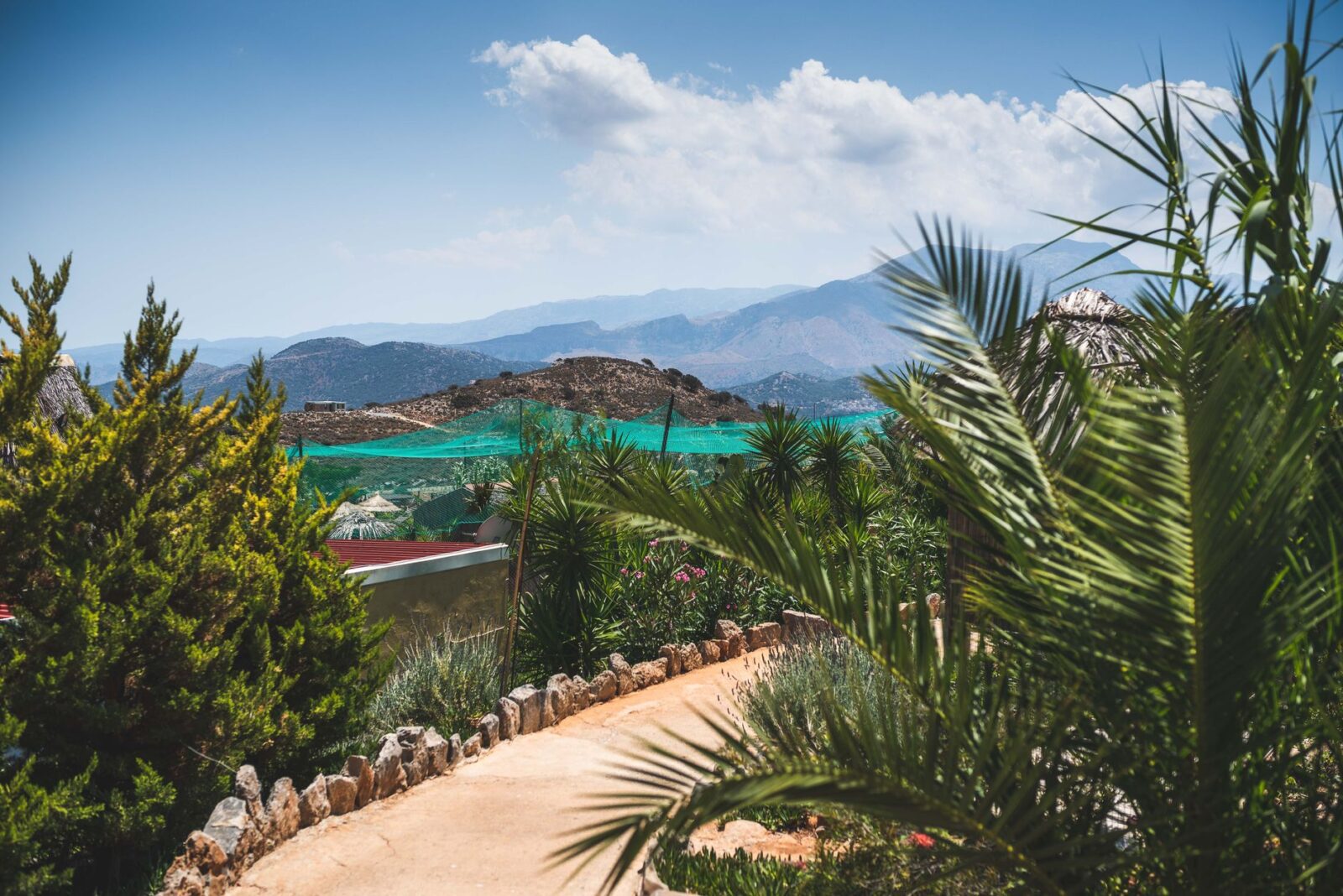
Why Early Spring Beats Summer on Crete
Travelers who have experienced Crete in July and August often describe packed beaches, long queues at archaeological sites, and accommodation prices that peak at double or triple the off‑season rate. By contrast, April and early May bring a different rhythm to the island. The weather is mild, with daytime temperatures usually ranging from 15 °C to 22 °C, making it comfortable for long walks and outdoor meals. Rain showers are frequent but brief, leaving the landscape washed clean and the air fragrant with wild herbs.
Nikos Tsepetis, who has run the Ammos Hotel in Chania for three decades, calls this period his favorite time of year. He notes that the western part of Crete, where Chania sits, stays greener than the eastern plains because it receives more winter precipitation. The result is a carpet of green that stretches from the coast up into the mountains, a sight that is rarely visible during the dry summer months.
The reduction in visitor numbers is immediate and noticeable. Hotel occupancy in Chania drops to roughly 40 % of its summer capacity, which means shorter lines at tavernas, more availability at boutique hotels, and a calmer atmosphere in the old town’s narrow streets. For travelers seeking authentic interaction with locals, this quieter window offers a chance to converse with shopkeepers, fishermen, and farmers without the rush of high season.
Beyond the practical benefits, early spring carries a cultural resonance. Easter, the most important celebration in the Greek Orthodox calendar, often falls in April. Even if travelers are not religious, the processions, the scent of tsoureki bread, and the communal feasting create a palpable sense of renewal that adds depth to any visit.
The White Mountains: Snow, Hiking, and Skiing Opportunities
The Lefka Ori, or White Mountains, dominate the skyline south of Chania. Their limestone peaks retain snow well into spring, and on clear days the white caps can be seen glinting from the sea while swimming at beaches such as Elafonissi or Balos. This unique combination of sea and snow is a major draw for active travelers who want to combine a beach day with a mountain adventure.
Hiking trails that wind through the Lefka Ori are at their best in April and May. Snowmelt feeds numerous mountain streams, creating lush valleys dotted with wildflowers such as orchids, anemones, and the endemic Cretan ebony. Popular routes include the Samaria Gorge (which opens fully by early May), the Imbros Gorge, and the lesser‑known trek to the summit of Pachnes, the island’s highest point at 2,453 meters. Trail conditions are generally good, though hikers should carry waterproof layers and sturdy boots because sudden showers can make paths slippery.
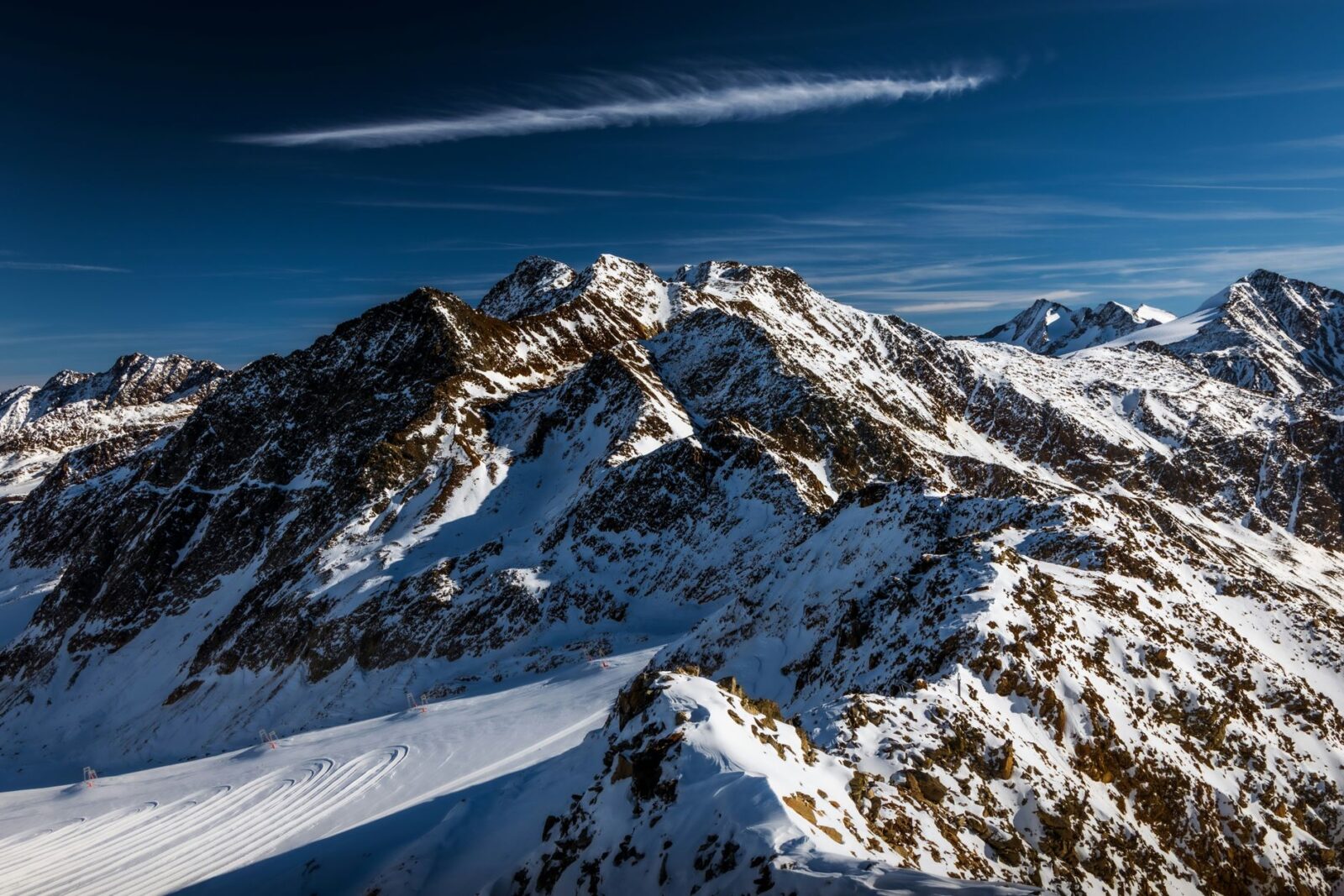
For those who want to ski, the Lefka Ori still offer limited but genuine downhill options. Small ski clubs maintain a few groomed slopes near the village of Omalos, where a rope tow operates on weekends when snow depth exceeds 30 centimeters. Lift tickets are modest, typically around 15 USD per day, and equipment rental can be arranged in Chania for about 20 USD. While the ski season is short, the novelty of skiing with a view of the Mediterranean is a memorable experience that few other European destinations can match.
Flavors of the Season: Food, Easter Traditions, and Local Markets
Crete’s culinary reputation rests on its emphasis on fresh, locally sourced ingredients, and spring brings the first harvest of many staples. Artichokes, fava beans, wild greens known as hortá, and tender lamb appear on taverna menus in April. The island’s famous dakos, a barley rusk topped with tomato, mizithra cheese, and olive oil, tastes especially vibrant when the tomatoes are sun‑ripened but still retain a hint of acidity from the cooler nights.
Easter celebrations involve a series of food‑focused customs that travelers can observe or participate in. On Holy Saturday, families break their fast with magiritsa, a soup made from lamb off‑rice and herbs, followed by roasted lamb on Easter Sunday. Sweet treats such as kalitsounia (cheese or herb pastries) and tsoureki (braided sweet bread scented with mahlepi) are baked in homes and sold at local bakeries like the Red Jane Bakery attached to the Ammos Hotel. Visitors who join a community feast often leave with a deeper appreciation of Cretan hospitality.
Weekly farmers’ markets in Chania’s old town and in villages such as Vamos and Kritsa burst with seasonal produce. Stalls display bunches of fresh herbs, jars of thyme honey, and wheels of graviera cheese. Prices are noticeably lower than in peak season; a kilogram of local honey might cost 8 USD compared to 12 USD in July. Shopping at these markets not only saves money but also supports small‑scale producers who rely on off‑season trade.
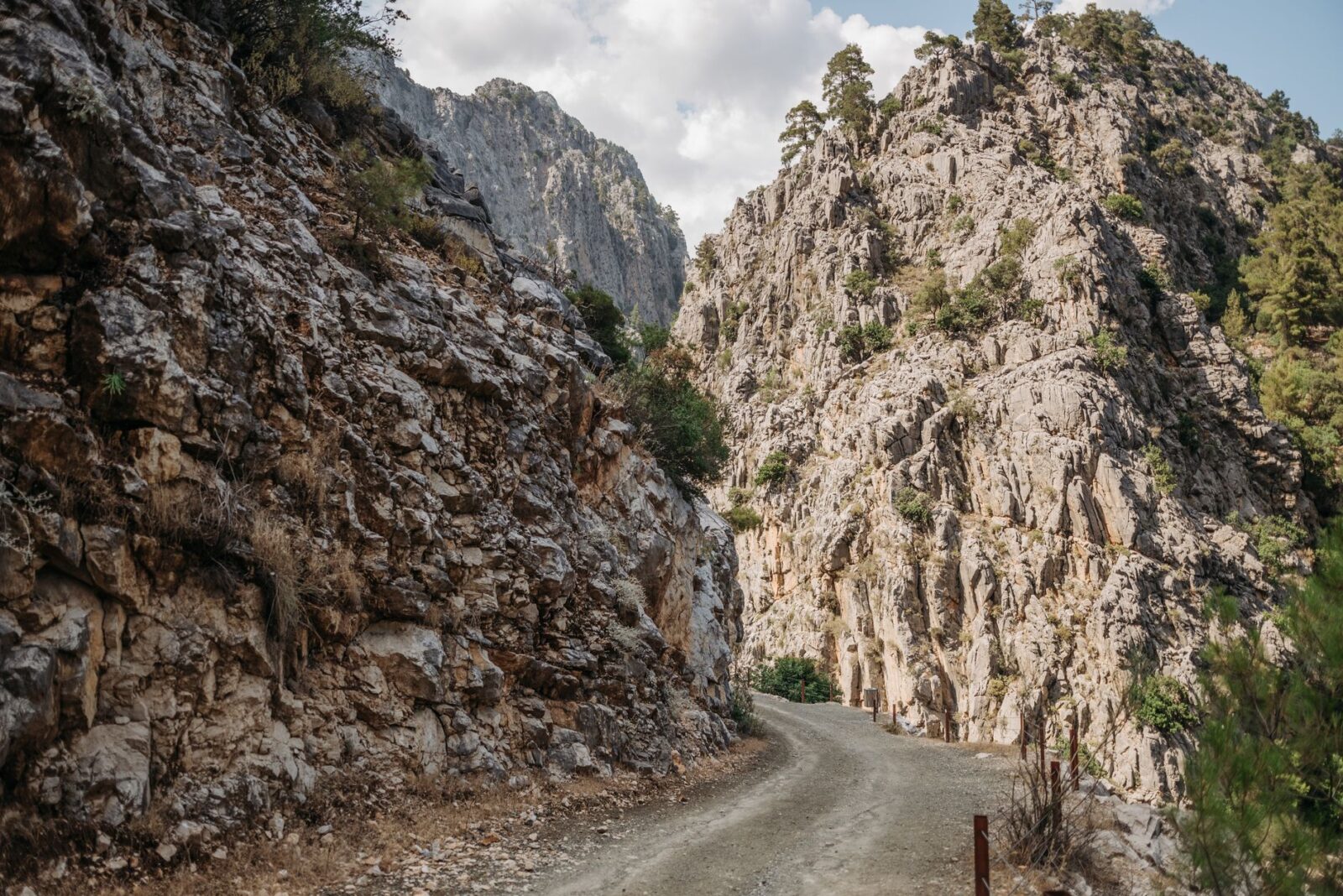
Avoiding the Crowds: Quiet Villages, Monasteries, and Beaches
While the north coast draws the bulk of summer tourists, the interior and southern shores of Crete remain relatively undiscovered even in high season. In early spring, these areas become even more tranquil. Villages such as Archanes, known for its wine production, and Anogeia, famed for its musical traditions, welcome visitors with open courtyards and leisurely pace. Walking through their stone‑paved lanes offers a glimpse into daily life that is hard to find when the streets are thronged with cruise‑ship passengers.
Monasteries dotted across the island, including the historic Arkadi Monastery near Rethymno and the tranquil Gouverneto Monastery on the Akrotiri peninsula, see fewer visitors in spring. This allows for quieter contemplation of the frescoes and architecture, and often the monks are more available to share stories about the site’s history. Entrance fees to many monastic sites are reduced during the off‑season, sometimes by as much as 50 %.
Beaches that are usually crowded in summer, such as Falassarna and Elafonissi, enjoy spacious sand and clear water in April. The sea temperature averages around 17 °C, cool enough for a refreshing dip but warm enough for snorkeling without a wetsuit. Because the prevailing winds are lighter, the water is often calm, making it ideal for paddle‑boarding or kayaking. Sunset views over the Libyan Sea are particularly striking when the sky is still clear of the summer haze.
Practical Travel Tips: Flights, Accommodation, and Gear for Spring
Reaching Crete in early spring is straightforward. Major airlines operate regular flights from Athens to Chania International Airport (CHQ) and Heraklion International Airport (HER). Flight times are about 45 minutes, and fares typically range from 40 USD to 80 USD for a one‑way ticket when booked four to six weeks in advance. Budget carriers sometimes offer promotional fares as low as 25 USD, especially mid‑week.
Accommodation options reflect the reduced demand. Boutique hotels such as Ammos in Chania offer rooms for approximately 90 USD per night in April, compared to 180 USD or more in July. Guesthouses and family‑run pensions can be found for 50 USD to 70 USD per night. Many establishments provide complimentary breakfast featuring local cheese, honey, and fresh bread, adding value to the stay.
Packing for a spring trip requires layers. A waterproof jacket, a fleece or lightweight sweater, and comfortable walking shoes are essential for mountain hikes. For beach days, a swimsuit, a quick‑dry towel, and sunscreen with at least SPF 30 are recommended. Skiers should bring insulated gloves, goggles, and a warm hat; rental shops in Chania can supply skis and boots if needed. Travelers are advised to check the latest weather forecasts from the Hellenic National Meteorological Service before heading into the Lefka Ori, as conditions can change rapidly.
Cost Breakdown: Savings Compared to Peak Season
Traveling to Crete in early spring yields substantial financial benefits across several categories. Airfare savings average 50 % when compared to July fares, based on data from major flight aggregators. Hotel rates drop by roughly 55 % for mid‑range properties, and even luxury resorts often offer packages that include meals and spa access for under 150 USD per night.
Food and drink expenses also decline. A typical meal at a taverna that costs 20 USD in peak season can be enjoyed for 12 USD to 15 USD in April, thanks to lower ingredient prices and fewer tourist‑focused surcharges. A bottle of local Cretan wine averages 8 USD in the off‑season versus 12 USD in summer. Public transportation fares remain unchanged, but car rental rates fall from about 45 USD per day in July to 25 USD per day in April, making self‑driven exploration more affordable.
Entrance fees to archaeological sites and museums are reduced by the Greek state during the off‑season period from November to March; however, many sites maintain lower prices through April as part of promotional efforts. For example, the combined ticket for the Knossos Palace and the Heraklion Archaeological Museum drops from 16 USD to 10 USD. These savings, when added together, can reduce a seven‑day trip budget from roughly 1 200 USD in peak season to under 650 USD in early spring, a difference of nearly 45 %.
What the Future Holds: Tourism Trends and Climate Considerations
Recent data shows that international arrivals to Greece increased by 38 % in the first months of 2026 compared to the same period in 2025. This growth reflects a broader shift toward year‑round travel, driven by travelers seeking authentic experiences and better value. Destinations like Crete are responding by extending the operating season of hotels, restaurants, and tour operators, which in turn creates more employment opportunities for local residents.
Climate models indicate that the island’s spring temperatures are rising slightly, with average April highs up by about 0.8 °C over the past decade. While this shift may extend the comfortable hiking window, it also reduces the reliability of snow on the Lefka Ori for skiing. Ski operators report that the season length has decreased from an average of six weeks to four weeks in recent years, prompting some to invest in snow‑making equipment at higher elevations.
Sustainability initiatives are gaining traction. Many hotels, including Ammos, have implemented water‑saving measures, sourced renewable energy for heating, and introduced zero‑waste kitchen practices. Travelers who choose eco‑certified accommodations contribute to these efforts and often receive incentives such as complimentary guided nature walks or discounts on local produce.
Final Thoughts: Planning Your Off‑Season Cretan Adventure
Early spring offers a rare combination of natural beauty, cultural richness, and financial advantage that is difficult to match during the bustling summer months. Whether the goal is to trek through snow‑capped gorges, savor seasonal dishes at a family taverna, or simply wander quiet streets without the press of crowds, Crete in April and May delivers on all fronts.
For travelers ready to embrace this off‑season rhythm, the practical steps are clear: book flights and accommodation early to secure the best rates, pack versatile clothing for variable weather, and leave room in the itinerary for spontaneous discoveries—perhaps a spontaneous invitation to a village feast or a sudden clearing that reveals the White Mountains in all their glory. By traveling when the island is still waking from its winter slumber, visitors gain a perspective that many summer tourists never see, and they carry home memories of a Crete that feels both timeless and intimately personal.
Stay informed with the latest travel news, visa updates, and destination guides. Follow HimalayanCrest.com for weekly travel intelligence delivered by our editorial team.