

Awakening to the Himalayas: A Beginner’s First Sunrise on the Trail
Imagine standing on a ridge as the first light spills over snow‑capped peaks, turning the sky pink and gold while a distant monastery bell echoes through the valley. The air is crisp, scented with pine and wild juniper, and every breath feels like a gift from the mountains. For many travelers, this moment marks the start of a lifelong love affair with trekking. It is also the perfect reward for those who choose a beginner‑friendly route that respects their fitness level while still delivering awe‑inspiring scenery.
Our guide focuses on routes that combine manageable daily walks, clear trails, and reliable teahouse infrastructure. We have selected treks in India and Nepal that are repeatedly recommended by guides, locals, and first‑time trekkers for their safety, beauty, and cultural richness. Whether you dream of walking through rhododendron forests, gazing at Annapurna’s summit, or wandering among alpine flowers, there is a starter trek that fits your schedule and aspirations.
In the following sections we break down each route with practical details: duration, maximum altitude, daily distances, and the kind of preparation you need. We also cover seasons, permits, gear, costs, health tips, and etiquette so you can step onto the trail with confidence and respect for the mountains and the people who call them home.
How to Pick Your First Himalayan Trek: Matching Fitness, Time, and Dreams
Beginner trekkers come in many shapes. Some have never walked more than a few kilometres at a stretch, while others are regular gym‑goers looking for a new challenge. The first step is to be honest about your current fitness: can you comfortably walk 5‑7 kilometres on uneven ground with a light daypack? If yes, most of the routes outlined here are suitable after a few weeks of light cardio and leg strengthening.
Time constraints also matters as well as season shapes your choice. A long weekend may fit a two‑day trek like Triund, while a week‑long holiday opens up the Poon Hill or Kedarkantha circuits. Consider how many days you can allocate to actual walking, travel to the trailhead, and rest. Remember that altitude adds fatigue, so building in an acclimatization day is wise even on easier routes.
Finally, think about what you want to see and feel. Do you crave panoramic mountain views, cultural encounters with hill‑town villages, or a burst of colour from wildflowers? Matching your personal highlight to the trek’s strengths will keep motivation high when the trail gets steep. With these three factors in mind, you can narrow the list to a trek that feels both exciting and achievable.
Triund Trek, Himachal Pradesh: Easy Access, Stunning Views
Located just a short drive from Dharamshala, the Triund trek is often called the gateway to the Dhauladhar range. The trail begins at Gallu Devi Temple and climbs steadily through mixed oak and rhododendron forest to the meadow of Triund, perched at 2,850 metres. Most trekkers complete the ascent in 4‑5 hours, covering about 9 kilometres with a gradual gain of roughly 1,000 metres.
The summit offers a 360‑degree panorama that includes the mighty Dhauladhar peaks, the Kangra Valley below, and on clear days, a glimpse of the distant Himalaya. Overnight options range from basic trekkers’ huts to camping under the stars, with several tea stalls serving hot maggi noodles and ginger tea. The descent follows the same path, making navigation simple for first‑timers.
Fitness requirement: moderate. You should be able to walk uphill for an hour without stopping. No technical gear is needed; sturdy walking shoes, a waterproof jacket, and a hat are sufficient. The trek is open year‑round, though monsoon months (July‑August) can make the trail slippery, and winter (December‑February) may bring snow at the top, requiring gaiters and extra layers.
Poon Hill Trek, Nepal: Classic Sunrise Over the Annapurnas
The Poon Hill trek is perhaps the most famous introductory route in the Annapurna region. Starting from Nayapul or Birethanti, the trail winds through terraced fields, Gurung villages, and lush forests before reaching the viewpoint at Poon Hill (3,210 metres). The typical itinerary spans four to five days, with daily walking distances of 8‑12 kilometres and gentle to moderate ascents.
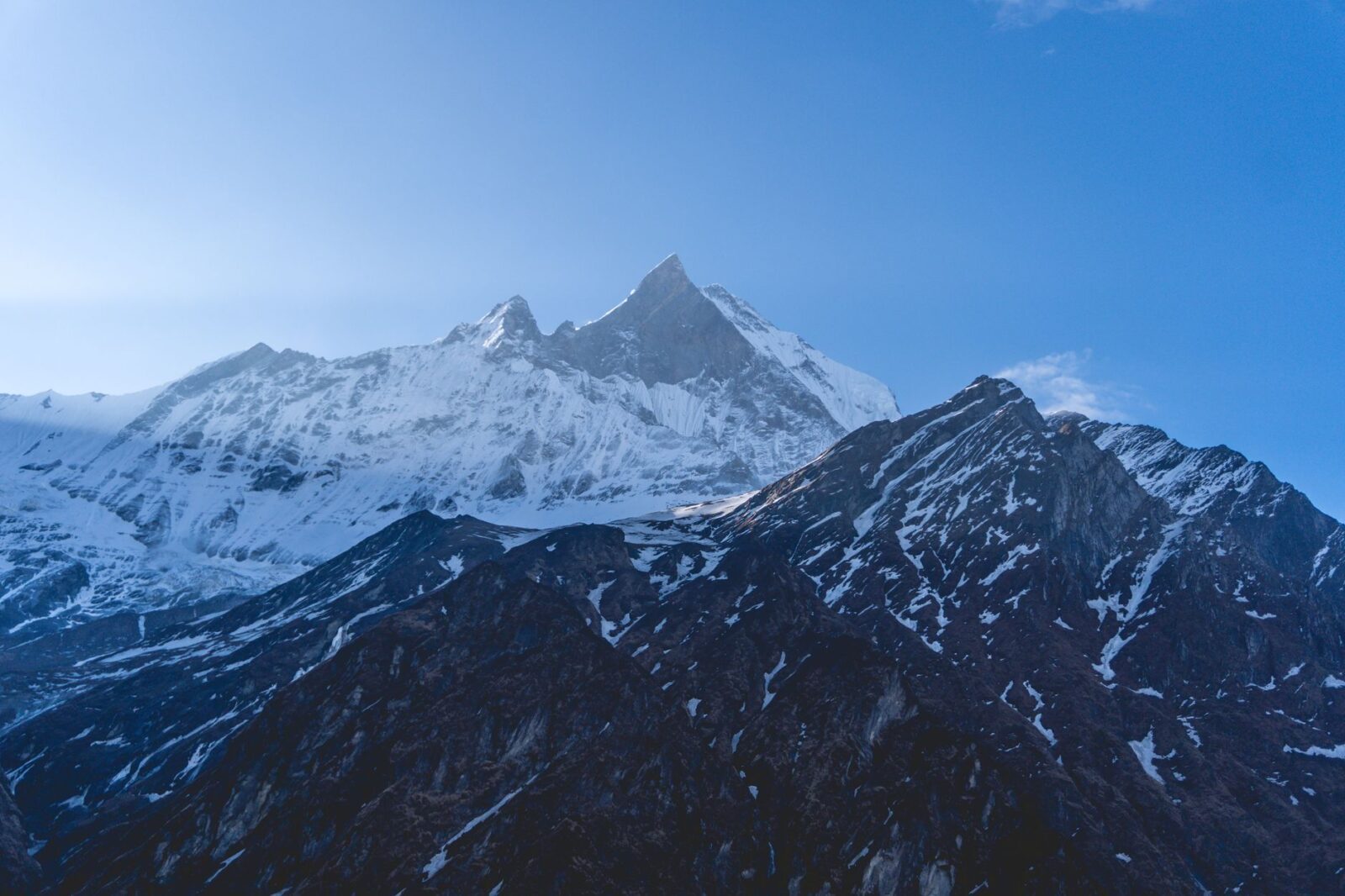
Sunrise from Poon Hill is legendary: the Annapurna South, Machapuchare (Fishtail), and Dhaulagiri peaks glow in alpengold while the valleys below remain in shadow. Along the way, trekkers pass through Ghorepani, where teahouses offer hearty dal bhat, and Tadapani, known for its rhododendron blooms in spring. The trail is well‑marked, and tea houses provide reliable lodging and meals, reducing the need to carry heavy supplies.
Fitness requirement: low to moderate. A regular walking routine of 30‑45 minutes a day, plus some stair climbing, prepares you well. The highest point is just over 3,200 metres, so altitude sickness is rare but still possible; staying hydrated and pacing yourself helps. The best seasons are pre‑monsoon (March‑May) and post‑monsoon (September‑November), when skies are clear and temperatures are pleasant.
Kedarkantha Trek, Uttarakhand: Winter Snows and Pine Forests
If you dream of trekking on snow‑covered trails, Kedarkantha in the Govind Wildlife Sanctuary offers a classic winter experience. The trek starts from Sankri village and ascends through dense pine forests, frozen streams, and open meadows to the summit at 3,850 metres. Most itineraries span six days, with daily walks of 6‑10 kilometres and a steady gain that allows for natural acclimatization.
The summit rewards trekkers with a panoramic view of peaks like Swargarohini, Bandarpoonch, and Black Peak. Night temperatures can drop well below freezing, so proper cold‑weather gear is essential. The trail is heavily used by both Indian and international trekkers, meaning teahouses and homestays are plentiful, and guides are easy to hire in Sankri.
Fitness requirement: moderate. You should be comfortable walking on snow or icy patches; gaiters and trekking poles add stability. The trek is best undertaken from December to April when snow cover is reliable. Early winter (December) offers fresh snow, while late winter (March‑April) brings clearer skies and milder days, though snow may be patchier at lower elevations.
Valley of Flowers Trek, Uttarakhand: Alpine Meadows in Full Bloom
For a burst of colour unlike any other, the Valley of Flowers trek leads you into a UNESCO World Heritage Site where hundreds of alpine species carpet the ground. The journey begins at Govindghat, follows a paved track to Ghangaria, and then continues on a well‑maintained footpath into the valley itself. The typical trek lasts five to six days, with daily distances of 7‑11 kilometres and a maximum altitude of around 3,650 metres at the valley’s highest point.
During the peak season (mid‑July to early September), the meadows explode with blues, yellows, reds, and whites of flowers such as blue poppies, brahmakamal, and potentilla. The trail also offers views of snow‑capped peaks like Nilgiri and Rataban. Teahouses in Ghangaria provide basic rooms and meals, and the trail is dotted with small shelters for rest.
Fitness requirement: low to moderate. The trail is mostly gradual, though there are some rocky sections near the valley entrance. Monsoon rains make the path slippery, so waterproof boots with good grip are a must. The trek is closed during heavy snowfall (October‑June), making the summer window the only viable period.
Langtang Valley Trek, Nepal: Culture, Glaciers, and Gentle Grades
The Langtang Valley trek offers a blend of Tibetan‑influenced culture, glacier views, and relatively mild walking. Starting from Syabrubesi, the trail follows the Langtang River through pine and bamboo forests, past traditional Tamang villages, and up to Kyanjin Gompa at 3,870 metres. Most trekkers spend seven to nine days on the route, allowing for side trips to Tserko Ri or a glacier walk.
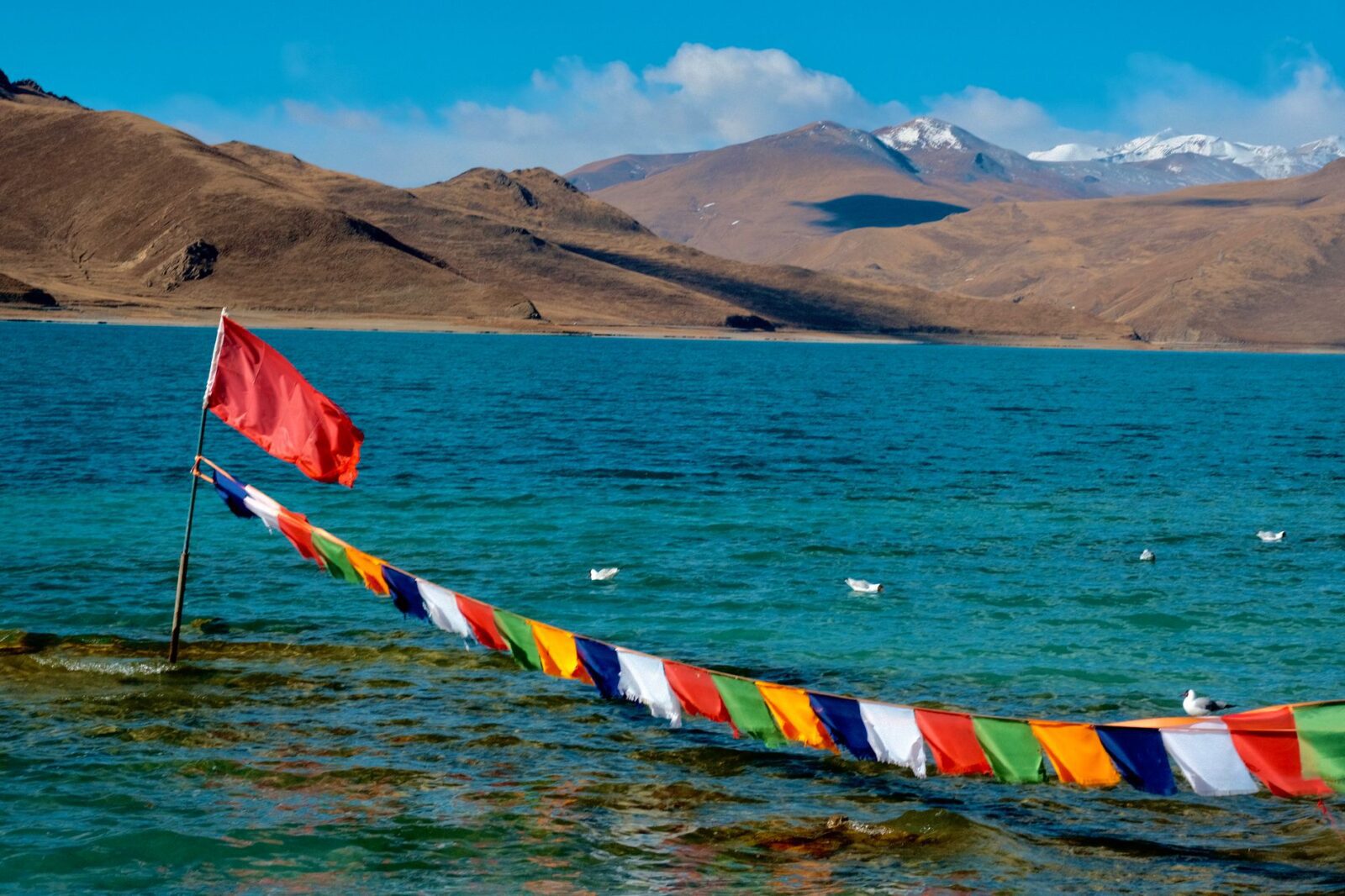
Along the way, you will encounter mani walls, prayer flags, and cheese factories where you can sample yak cheese. The views of Langtang Lirung and Dorje Lakpa are spectacular, especially from the ridge above Kyanjin Gompa. Teahouses are plentiful, offering rooms with blankets and meals of dal bhat, noodles, and tea. The trail is well‑marked, and the risk of getting low is minimal.
Fitness requirement: moderate. You should be able to handle several hours of walking each day with a daypack of 6‑8 kilograms. The highest point is just under 4,000 metres, so altitude awareness is advised; spending an extra night at Kyanjin Gompa helps with acclimatization. The best seasons are spring (March‑May) and autumn (September‑November), when the weather is stable and the trails are dry.
When to Go: Seasons, Weather, and What to Expect
The Himalayas present two primary trekking windows: pre‑monsoon (March to early June) and post‑monsoon (mid‑September to November). During these periods, skies are generally clear, temperatures are moderate, and the risk of landslides or heavy rain is low. Winter treks (December‑February) are possible on select routes like Kedarkantha, but they demand cold‑weather gear and tolerance for sub‑zero nights.
Monsoon season (June‑early September) brings lush greenery and fewer crowds, but trails can become slick, leeches appear in lower forests, and mountain views are often obscured by clouds. Some routes, such as the Valley of Flowers, are actually at their best during monsoon because the flowers need the moisture, yet hikers must be prepared for wet conditions and possible trail closures due to landslides.
Shoulder months (late February and early December) can offer a compromise: fewer trekkers, crisp air, and the chance to see snow‑capped peaks without the deep winter chill. However, facilities may be limited as some teahouses close for the off‑season, so carrying extra food and fuel is wise.
Permits, Fees, and Paperwork: What You Need to Pay
Most beginner treks in India require only a basic identification check and, in some cases, a forest entry permit. For example, the Triund trek needs a free forest pass obtainable at the Dharamshala ranger office, while Kedarkantha requires a permit from the Govind Wildlife Sanctuary office in Sankri (approximately USD 5). The Valley of Flowers trek mandates a permit from the Forest Department at Govindghat (USD 5) and a separate entry fee for the UNESCO site (USD 10).
In Nepal, the Trekkers’ Information Management System (TIMS) card is compulsory for all trekkers. As of 2026, the TIMS fee is USD 20 for solo trekkers and USD 10 for those in a group arranged through a registered agency. Additionally, national park or conservation area fees apply: Langtang National Park costs USD 30, Annapurna Conservation Area USD 30, and Sagarmatha (Everest) area USD 30. These fees are paid at the entry points and contribute to trail maintenance and community projects.
Always carry a printed copy of your permits and a passport‑sized photo. Some checkpoints may ask for a copy of your travel insurance policy. Keep the documents in a waterproof pouch inside your daypack to avoid damage from rain or snow.
Gear Guide: Clothing, Footwear, and Essentials for Beginner Treks
Layering is the cornerstone of comfortable trekking in the Himalayas. Start with a moisture‑wicking base layer (synthetic or merino wool), add an insulating fleece or down jacket, and top it with a waterproof breathable shell. Avoid cotton, as it retains moisture and can lead to chill. For the legs, lightweight trekking pants that convert to shorts work well in spring and autumn, while insulated pants are preferable for winter treks.
Footwear should be sturdy, broken‑in trekking boots with good ankle support and a grippy sole. Gaiters are useful for snow or muddy sections. A warm hat, gloves, and a buff or scarf protect extremities, especially at higher elevations. A headlamp with spare batteries is essential for early starts or unexpected delays.
Other essentials include a 20‑30 litre daypack with a rain cover, a reusable water bottle or hydration bladder (minimum 2 litres), water purification tablets or a filter, sunscreen (SPF 50+), lip balm with UV protection, a basic first‑aid kit, and a multi‑tool or knife. Pack snacks such as nuts, dried fruit, and energy bars to keep energy levels steady between meals.
Teahouses, Porters, and Guides: Costs, Hiring Tips, and Tipping
Teahouse accommodation on beginner routes typically ranges from USD 5 to USD 12 per night for a basic room with two beds and shared bathrooms. Meals are priced separately: breakfast (tea, bread, eggs) around USD 3, lunch (dal bhat, noodles) USD 4‑5, and dinner similar to lunch. Many trekkers opt for a full board package (room + three meals) which averages USD 15‑20 per day, simplifying budgeting.
Hiring a guide is highly recommended for first‑time trekkers, especially in Nepal where trail signage can be sparse in remote sections. Guide fees range from USD 25‑35 per day, depending on experience and language skills. Porters, who carry your main luggage (up to 15 kg), cost about USD 18‑25 per day. If you prefer to trek solo, you can hire a porter‑guide who handles both roles for roughly USD 30‑40 per day.
Tipping is customary but not obligatory. A common practice is to give guides USD 5‑10 per day and porters USD 3‑5 per day at the end of the trek, adjusted for group size and satisfaction. Always hand tips directly and thank the staff by name; this builds goodwill and supports the local economy.
Staying Healthy on the Trail: Altitude, Water, and Insurance
Altitude sickness (AMS) can affect anyone above 2,500 metres, even on easy treks. Symptoms include headache, nausea, dizziness, and shortness of breath. Prevention starts with gradual ascent: aim to gain no more than 300‑500 metres in sleeping elevation per day once above 2,500 m, and take an acclimatization rest day every 1,000 m of gain. Staying well‑hydrated (3‑4 litres of water daily) and avoiding alcohol also reduces risk.
If mild symptoms appear, rest at the same altitude, hydrate, and consider taking acetazolamide (Diamox) after consulting a physician. Severe symptoms (vomiting, inability to walk, confusion) require immediate descent to a lower elevation and possibly evacuation. Carry a basic medical kit with rehydration salts, pain relievers, and any personal medication.
Water from streams and taps should never be drunk untreated. Use a reliable filter (pore size 0.2 micron) or chemical tablets (chlorine dioxide) to remove bacteria, protozoa, and viruses. Boiling water for at least three minutes is also effective. Travel insurance that covers high‑altitude trekking and helicopter evacuation is essential; look for policies with a minimum coverage of USD 50,000 for medical and USD 100,000 for evacuation.
Respecting the Mountains: Temple Etiquette, Local Customs, and Sustainable Practices
Himalayan trails pass through living communities where religion and tradition shape daily life. When entering monasteries, temples, or mani walls, dress modestly: cover shoulders and knees, remove hats, and speak softly. Walk clockwise around religious structures, and never touch prayer flags or sacred objects unless invited. Photography is usually allowed outside, but ask permission before photographing people or inside religious spaces.
Supporting local economies means buying food and handicrafts directly from villagers, using locally owned teahouses, and hiring guides and porters from the area. Avoid single‑use plastics by carrying a reusable bottle and refusing plastic bags. Pack out all non‑biodegradable waste; many trekking agencies now offer a “pack‑in, pack‑out” service for a small fee.
Respect wildlife by observing from a distance and never feeding animals. Stay on marked trails to prevent erosion and protect fragile alpine flora. Finally, consider offsetting your trek’s carbon footprint through reputable programs that invest in renewable energy or forest conservation in the Himalayan region.
Frequently Asked Questions
Q: Do I need prior trekking experience for these routes?
A: No. The treks described are designed for beginners with basic fitness. A few weeks of walking or jogging, plus some stair climbing, will prepare you adequately.
Q: Can I trek alone, or should I join a group?
A: Solo trekking is possible on well‑marked routes like Triund or Poon Hill, but hiring a guide adds safety, navigation help, and cultural insight. Many first‑timers find a small group or guide‑porter combination the most comfortable option.
Q: What is the average cost per day for a beginner trek in Nepal?
A: Expect to spend USD 30‑45 per day when you include teahouse lodging, meals, a guide, and a porter. In India, the daily cost is often lower, ranging from USD 20‑35 depending on the route and season.
Q: How do I prevent blisters on long walking days?
A: Wear well‑broken‑in boots, use moisture‑wicking socks (liners plus outer socks), and apply anti‑chafe balm to hot spots before they develop. Change socks if they become damp, and keep your feet dry whenever possible.
Q: Are there age limits for these treks?
A: There is no strict upper age limit; many trekkers in their 60s and 70s complete these routes successfully. The key is good joint health, cardiovascular fitness, and a doctor’s clearance if you have any medical conditions.
Final Thoughts: Your First Step Into the Himalaya
Choosing a beginner‑friendly Himalayan trek is less about conquering a summit and more about opening yourself to the rhythm of mountain life. Each step on the trail teaches patience, humility, and a deep appreciation for the natural world and the cultures that thrive in its shadows. With the right preparation, respect, and sense of wonder, your first trek will become the foundation for many more adventures to come.
We hope this guide has given you the concrete information and confidence to lace up your boots, pack your bag, and set off toward the sunrise waiting beyond the ridge. When you return, share your stories, leave only footprints, and carry the mountains’ quiet strength back into your everyday life.
Stay informed with the latest travel news, visa updates, and destination guides. Follow HimalayanCrest.com for weekly travel intelligence delivered by our editorial team.