

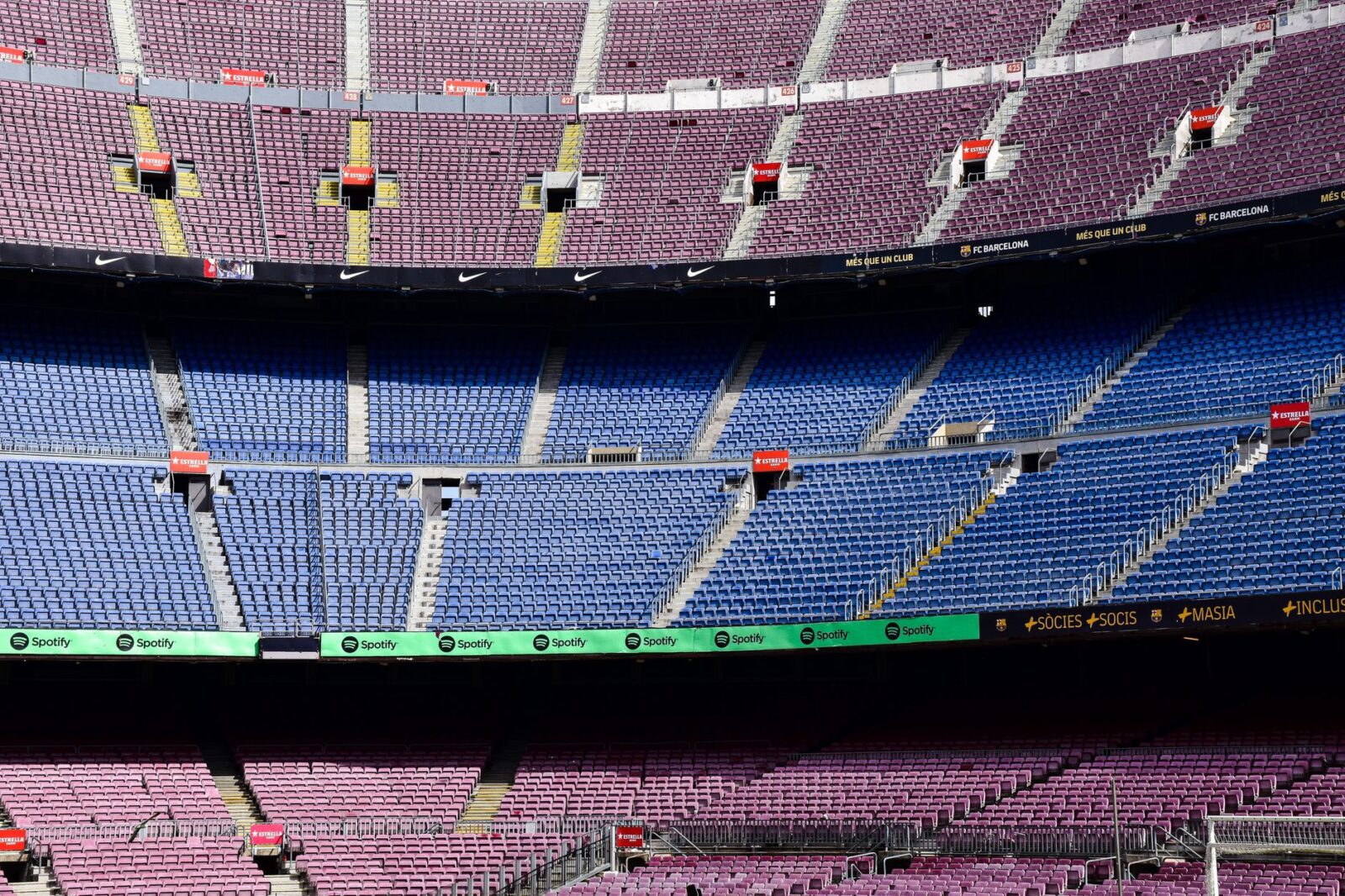
Why Barcelona’s 2026-27 Schedule Is Trending Right Now
The 2026-27 season marks Futbol Club Barcelona’s 128th year in existence and their 96th consecutive season in Spain’s top division. This milestone has drawn attention from fans worldwide who are eager to see how the Blaugrana will build on recent domestic success.
Beyond the league, Barcelona enters the UEFA Champions League for the 23rd straight year, guaranteeing high‑stakes European fixtures that attract global viewership. The combination of a historic season, Champions League participation, and a packed preseason calendar has made the club’s schedule a hot topic on sports news sites and fan forums.
For travelers, knowing the exact match dates opens the door to planning a trip around a live Barça experience. Whether you want to witness a La Liga showdown at Camp Nou or catch a Champions League night under the lights, the schedule provides the anchor points for flights, accommodation, and matchday logistics.
Our research consolidates the official club announcements, trusted sports outlets, and preseason reports to give you a clear, date‑by‑date picture of what lies ahead for Barcelona in 2026-27.
Opening Friendly and Preseason Highlights
On Wednesday, 12 August 2026 at 7:00 p.m., Barcelona faced Montpellier in a pre‑season friendly at the Johan Cruyff Stadium. The match served as the first public showcase of the squad’s new formations and gave fans a chance to see emerging talent alongside established stars.
The club’s preseason campaign began in early July 2026 with a 4‑1 victory over local third‑tier side Club Esportiu Europa at the Ciutat Esportiva training base. That result set a confident tone for the weeks of preparation that followed, as the team worked on fitness, tactical cohesion, and integration of summer signings.
According to Sporting News and Tribalfootball, the preseason list included a mix of regional friendlies and international tours, with stops in cities such as Girona, Valencia, and a short trip to the United States for a showcase match. These games allowed the coaching staff to experiment with line‑ups while maintaining competitive sharpness.
For supporters planning to attend a preseason fixture, ticket prices are generally lower than league matches, often ranging from €10 to €25 (≈$11‑$28 USD) depending on the venue and opponent. Preseason games also offer easier access to the training ground areas, where fans can watch open sessions before the official kickoff.
La Liga Matchday Overview
Barcelona’s La Liga campaign consists of 38 matchdays, with each of the other 19 teams encountered twice—once at home at the iconic Camp Nou and once away. The league typically runs from mid‑August through late May, with a brief winter break in early January.
While the exact opponent list for each matchday is published on the club’s official site and mirrored by outlets such as The Athletic and ESPN, the structure guarantees high‑profile encounters. Traditional rivals like Real Madrid (El Clásico) and Atlético Madrid appear twice each season, delivering the most anticipated fixtures on the calendar.
Match kickoff times vary throughout the season to accommodate television broadcasting. Evening games often start at 8:00 p.m. local time, while weekend afternoon slots can be 4:00 p.m. or 6:15 p.m. Fans should check the official schedule a few weeks before travel to confirm the exact timing for their chosen match.
Attending a La Liga game at Camp Nou offers more than just football; the stadium tour, museum, and surrounding Les Corts neighbourhood provide a full day of activities. Many supporters combine a match with a visit to nearby attractions such landmarks as the Palau Blaugrana or the bustling Mercat de la Concepció market.

UEFA Champions League Path
As a 23rd‑time participant, Barcelona enters the Champions League group stage after qualifying through their league position. The draw for the 2026-27 groups takes place in late August, setting the schedule for six group matches spread from mid‑September to early December.
Group stage fixtures are typically scheduled on Tuesdays and Wednesdays, with kickoff times around 9:00 p.m. local time to suit European audiences. Successful navigation of the group phase leads to the round of 16 in February, followed by quarter‑finals in April, semi‑finals in late April or early May, and the final at the end of May.
For travelers, a Champions League night at Camp Nou is a premium experience. Ticket prices for these matches are higher than regular league games, generally starting at €50 (≈$55 USD) for standard seats and rising to €300 (≈$330 USD) for hospitality packages that include lounge access and gourmet catering.
Planning a trip around a Champions League fixture requires early booking, as demand spikes quickly once the fixture list is released. Many fans opt to combine a match with a short city break, taking advantage of Barcelona’s extensive flight connections and high‑speed rail links to nearby destinations such as Madrid or Valencia.
Copa del Rey and Supercopa de España
Barcelona also competes in the Copa del Rey, the country’s premier knockout cup tournament. The competition usually begins in early January with lower‑division clubs entering the fray, while La Liga sides like Barcelona join in the round of 32.
Matches are played over two legs, except for the final, which is a single showdown held at a neutral venue—often the Estadio Olímpico de Sevilla or the Wanda Metropolitano in Madrid. Winning the Copa del Rey adds another trophy to the club’s cabinet and guarantees a place in the following season’s Supercopa de España.
The Supercopa de España pits the La Liga champion against the Copa del Rey winner (or the runner‑up if the same team wins both). The tournament format has varied in recent years, but as of 2026‑27 it consists of a single‑match semifinal and a final, typically staged in January in Saudi Arabia or within Spain, depending on the rotation agreement.
For supporters interested in these cup fixtures, ticket availability can be more limited than league games, especially for the final. Prices for Copa del Rey matches at Camp Nou start around €25 (≈$28 USD), while Supercopa tickets, when held in Spain, follow similar pricing to high‑profile league encounters.
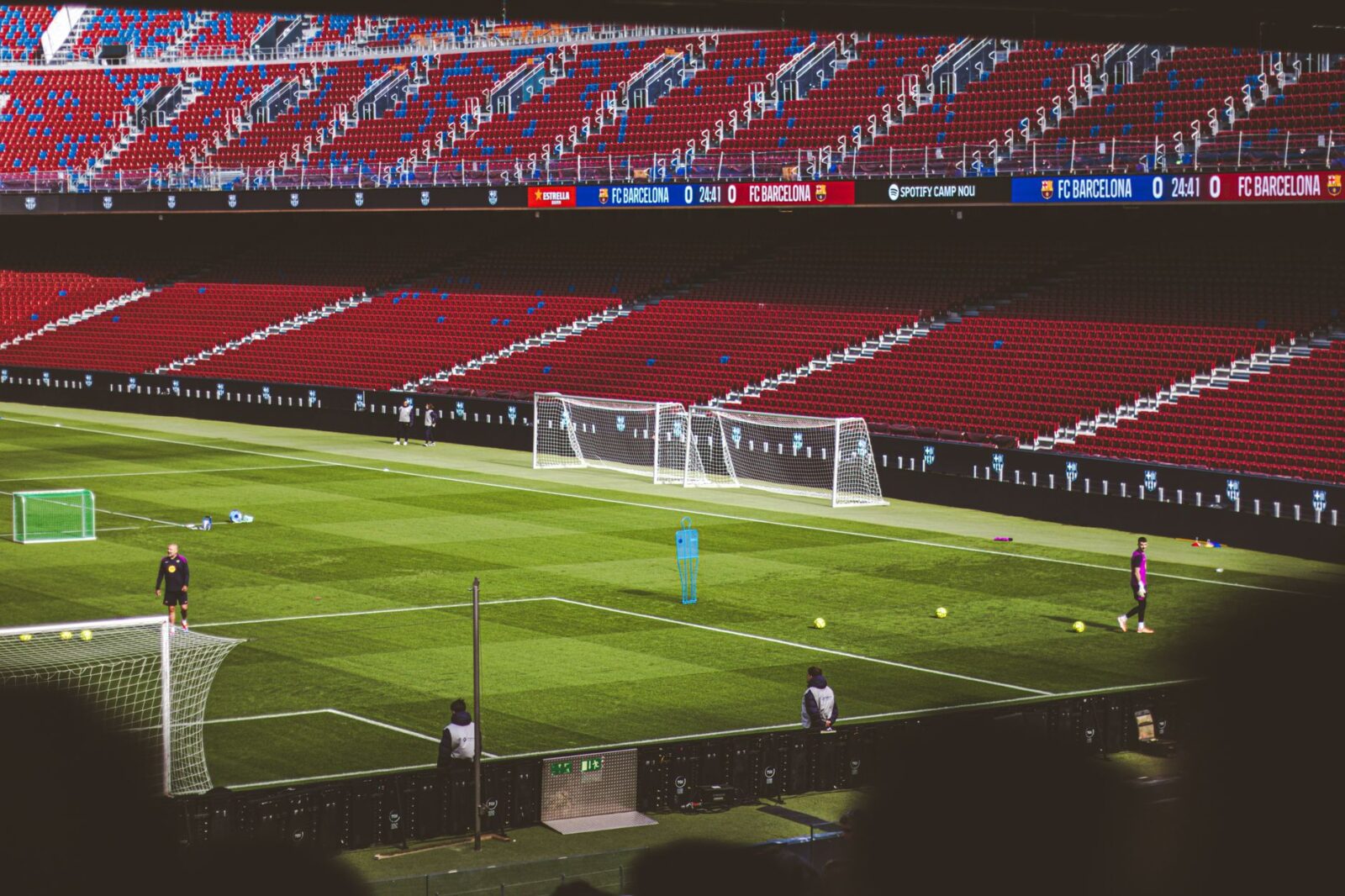
How to Experience a Match in Barcelona: Tickets, Travel, and Matchday Tips
Securing tickets is the first step for any fan hoping to watch Barcelona live. The safest route is through the club’s official ticketing portal, where you can create an account, select your preferred match, and choose from categories such as General Admission, Tribuna, or Hospitality.
As of mid‑2026, typical price ranges are:
- General Admission (La Liga): €30‑€50 (≈$33‑$55 USD)
- Mid‑tier Tribune Seats: €60‑€120 (≈$66‑$132 USD)
- Premium Hospitality (including lounge access and meal): €180‑€300 (≈$198‑$330 USD)
These figures fluctuate based on opponent, competition, and seating location, so checking the official site close to the match date is recommended.
Getting to Camp Nou is straightforward via public transport. The Les Corts metro station (Line 3) drops you a short walk from the stadium, while numerous bus routes (including the V17 and H8) serve the area. A single‑ride T‑Casual ticket costs €1.35 (≈$1.50 USD), and a ten‑ride T‑10 multi‑ticket is €11.35 (≈$12.50 USD).
Matchday tips: arrive at least 90 minutes before kickoff to clear security, explore the club museum, and soak up the pre‑match atmosphere at the nearby Plaça de les Glòries Catalanes. Many local bars along Carrer d’Estatut offer traditional tapas and a lively crowd of culés before the game.
Insider Advice: Best Times to Visit, Avoiding Crowds, and Local Eats Near Stadium
If your primary goal is to watch a Barcelona match while also enjoying the city, consider scheduling your trip for a midweek La Liga fixture. Tuesday and Wednesday games tend to draw slightly smaller crowds than weekend clashes, making it easier to navigate public transport and find accommodation at reasonable rates.
For Champions League nights, the opposite is true—these fixtures attract the largest influx of visitors. Booking flights and hotels at least six weeks in advance can save you up to 30 % compared to last‑minute rates, based on recent travel data.
When it comes to food, the Les Corts neighbourhood boasts several beloved spots. Try Bar Tomàs for its legendary patatas bravas, or head to La Taverna del Poblenou for a modern twist on Catalan cuisine. For a quick bite before the match, the kiosks inside Camp Nou serve bocadillos (sandwiches) filled with jamón ibérico or tortilla española.
Weather in late August and early September is warm, with average highs around 28 °C (82 °F) and lows near 20 °C (68 °F). Pack light clothing, a hat, and sunscreen for daytime excursions, and bring a light jacket for evening matches when temperatures can dip after sunset.
Planning Checklist: From Visa to Packing for a Barcelona Football Trip
1. Verify entry requirements – Most travelers from the United States, Canada, the EU, Australia, and Japan can enter Spain visa‑free for stays up to 90 days. Check the latest rules on the Spanish Ministry of Foreign Affairs website (exteriores.gob.es) before booking.
2. Book flights early – Major carriers operate daily flights to Barcelona‑El Prat Airport (BCN) from hubs such as New York (JFK), London (LHR), Dubai (DXB), and São Paulo (GRU). As of July 2026, round‑trip fares from North America average $650 USD, while European departures start near $150 USD.
3. Secure accommodation – Staying in the Eixample or Gràcia districts puts you within 20‑30 minutes of Camp Nou by metro. Mid‑range hotels typically charge $120‑$180 USD per night in high season; consider booking a refundable rate in case your match date changes.
4. Purchase tickets – Log into the official FC Barcelona ticketing site (fcbarcelona.com/tickets) as soon as the fixture list is released. Use a credit card that does not charge foreign transaction fees to avoid extra costs.
5. Arrange local transport – Buy a T‑10 multi‑ticket for ten metro/bus rides (≈$12.50 USD) or consider a Hola Barcelona travel card for unlimited rides over 2‑5 days (≈$16‑$30 USD).
6. Pack matchday essentials – Include your ticket (printed or mobile), a valid ID, comfortable walking shoes, and a light rain jacket. Remember that large bags are not permitted inside the stadium; a small clear pouch is recommended.
7. Plan extra activities – Allocate at least one full day for a Camp Nou stadium tour and museum visit, and another for exploring landmarks such as Sagrada Família, Park Güell, and the Gothic Quarter.
Frequently Asked Questions
What is the exact date of Barcelona’s first La Liga match in the 2026‑27 season?
The club has not yet published the full La Liga fixture list on its official site as of July 31 2026. However, historical patterns show that the league season typically starts the weekend of mid‑August. Fans should monitor the official Barcelona schedule page or trusted sources like The Athletic and ESPN for the confirmed opening match date once it is released.
How can I buy tickets for a Champions League game at Camp Nou without paying inflated resale prices?
The most reliable method is to purchase directly through the club’s official ticketing portal. Create an account, verify your identity, and select the desired match as soon as tickets go on sale—usually several weeks before the fixture. Avoid third‑party resale sites, as they often add significant markups and may sell invalid tickets.
If the official sale is sold out, consider joining the club’s official members program (socis), which grants early access to a limited ticket allocation. Membership requires an annual fee but can improve your chances of securing seats for high‑demand matches.
Are there any travel restrictions or health requirements for entering Spain in 2026?
As of July 2026, Spain has lifted all COVID‑19‑related entry restrictions for travelers. No vaccination proof, negative test, or quarantine is required for tourists arriving from most countries. However, it is wise to verify any updates on the Spanish Ministry of Health website before departure, especially if you are traveling from a region with specific advisories.
Standard customs rules apply: you may bring in up to €10 000 (≈$11 000 USD) in cash without declaration, and goods valued under €430 (≈$475 USD) are duty‑free. Always carry a valid passport and, if required, a visa for your nationality.
What is the best way to get from Barcelona‑El Prat Airport to the city center and Camp Nou?
The Aerobús service runs frequently between the airport terminals and Plaça de Catalunya in the city center, with a journey time of about 35 minutes and a fare of €5.90 (≈$6.50 USD). From Plaça de Catalunya, take the L3 (green) line of the metro toward Zona Universitaria and alight at Les Corts station—Camp Nou is a five‑minute walk away.
Alternatively, a taxi from the airport to the city center costs roughly €30‑€35 (≈$33‑$38 USD) and takes 20‑30 minutes depending on traffic. Ride‑hailing apps such as Uber and Bolt operate in Barcelona and offer comparable pricing.
Should I purchase a travel insurance policy for my football trip to Barcelona?
Yes, a comprehensive travel insurance plan is strongly recommended. Look for coverage that includes medical emergencies, trip cancellation, and personal belongings. Policies from providers such as World Nomads, Allianz Travel, or AXA typically range from $40‑$80 USD for a two‑week trip, depending on your age and coverage limits.
Having insurance ensures you are protected against unexpected events such as flight delays, lost luggage, or a sudden illness that could affect your ability to attend a match.
Stay informed with the latest travel news, visa updates, and destination guides. Follow HimalayanCrest.com for weekly travel intelligence delivered by our editorial team.