

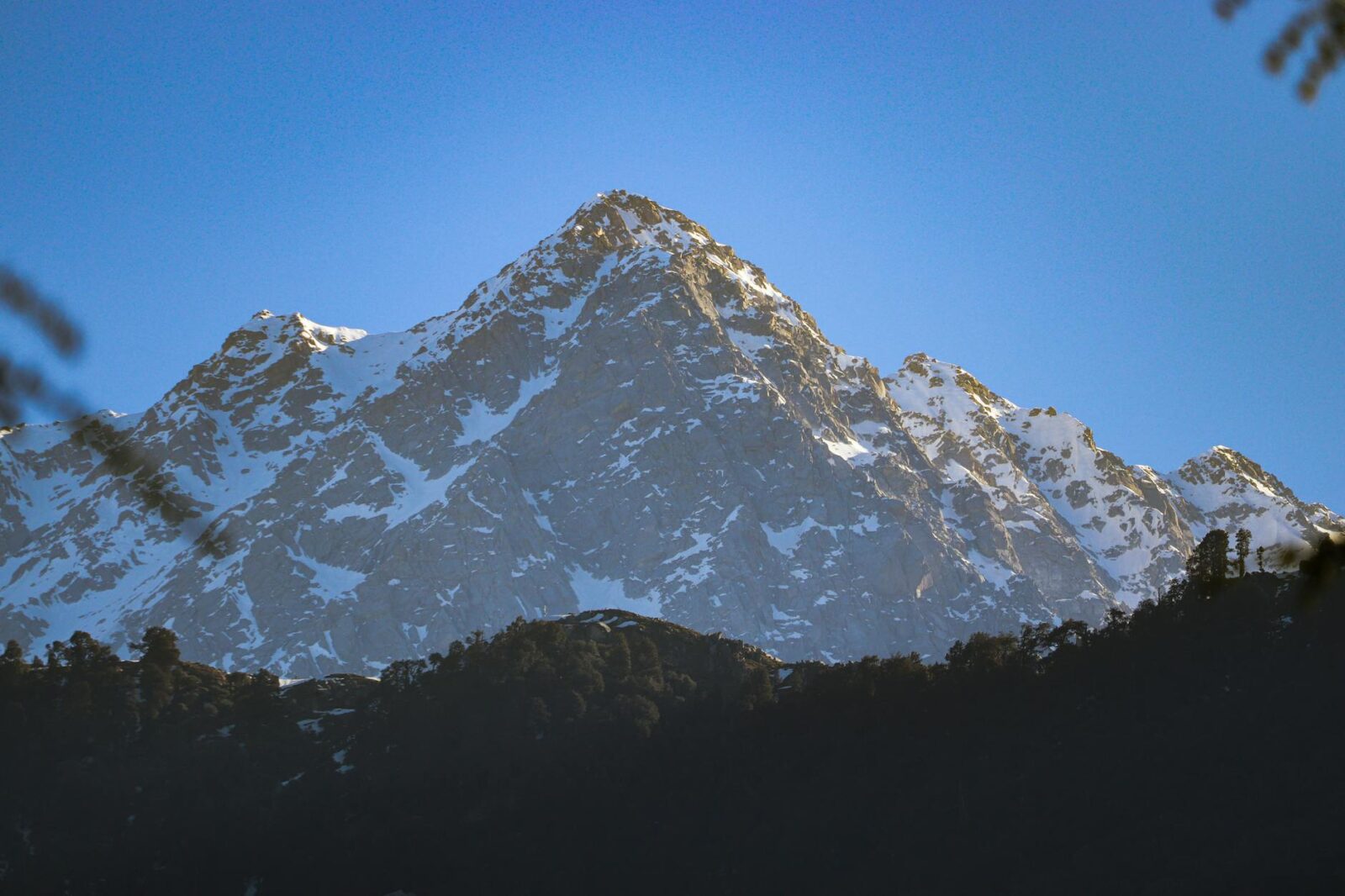
Embrace the Majesty of the Himalayas
Imagine the crisp mountain air tingling against your skin as the sun rises over the snow-capped peaks of the Annapurna range. The sound of a distant monastery bell echoes through the valleys, harmonizing with the gentle rustling of prayer flags in the breeze. This is Nepal, where the rhythm of nature and spirituality blend seamlessly, offering a unique experience for every traveler.
January: The Winter Wonderland
January in Nepal presents a landscape draped in snow, especially in the higher altitudes. Temperatures can plummet to as low as -10°C (14°F) in regions like Everest Base Camp. While trekking is still possible, routes such as the Annapurna Circuit can be challenging due to snow-covered paths. Lower altitudes remain accessible with crisp, clear skies, making it a suitable time for cultural tours in Kathmandu and Pokhara.
February: A Hint of Spring
February sees a gradual thawing, with temperatures beginning to rise slightly. While high-altitude treks are still icy, the lower elevations start to bloom with early signs of spring. The skies remain clear, providing spectacular views of the mountains. This month is ideal for visiting the Terai region, where the Chitwan National Park offers a glimpse of Nepal’s rich wildlife.
March: The Bloom of Spring
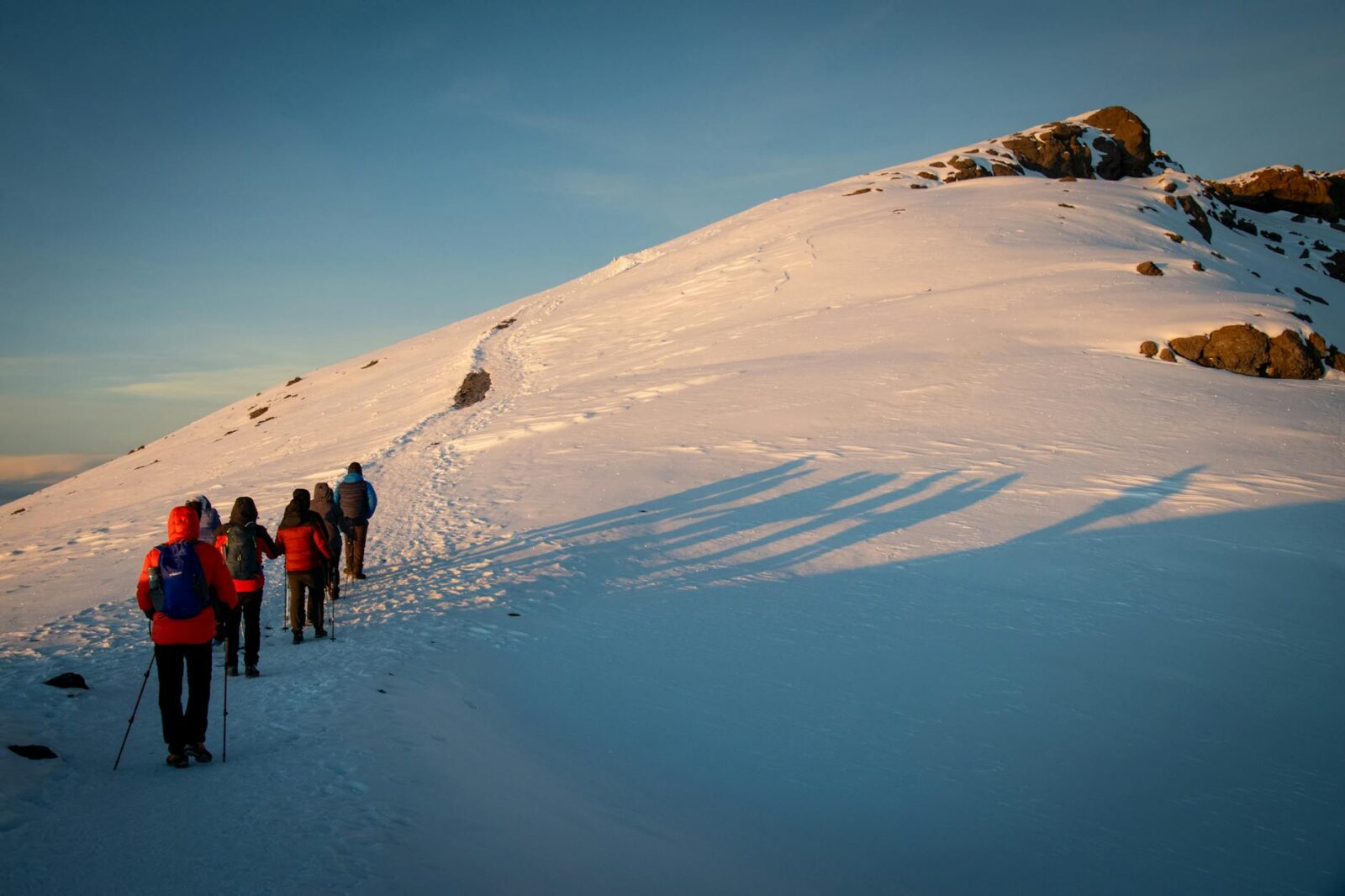
March marks the beginning of spring, arguably one of the best times to visit Nepal. The weather is pleasant, with temperatures ranging from 16°C to 23°C (61°F to 73°F) in Kathmandu. Trekkers flock to trails like the Langtang Valley, where rhododendrons burst into vibrant colors. This is also the month for the colorful Holi festival, celebrated with much enthusiasm across the country.
April: Peak Trekking Season
April is a standout month, scoring 8.3/10 for favorable weather conditions. It is one of the peak seasons for trekking, with popular routes such as Everest Base Camp bustling with adventurers. The temperatures are moderate, and the rhododendron forests are in full bloom. However, expect some crowds on the trails, and book accommodations in advance to secure your spot.
May: Transition to Monsoon
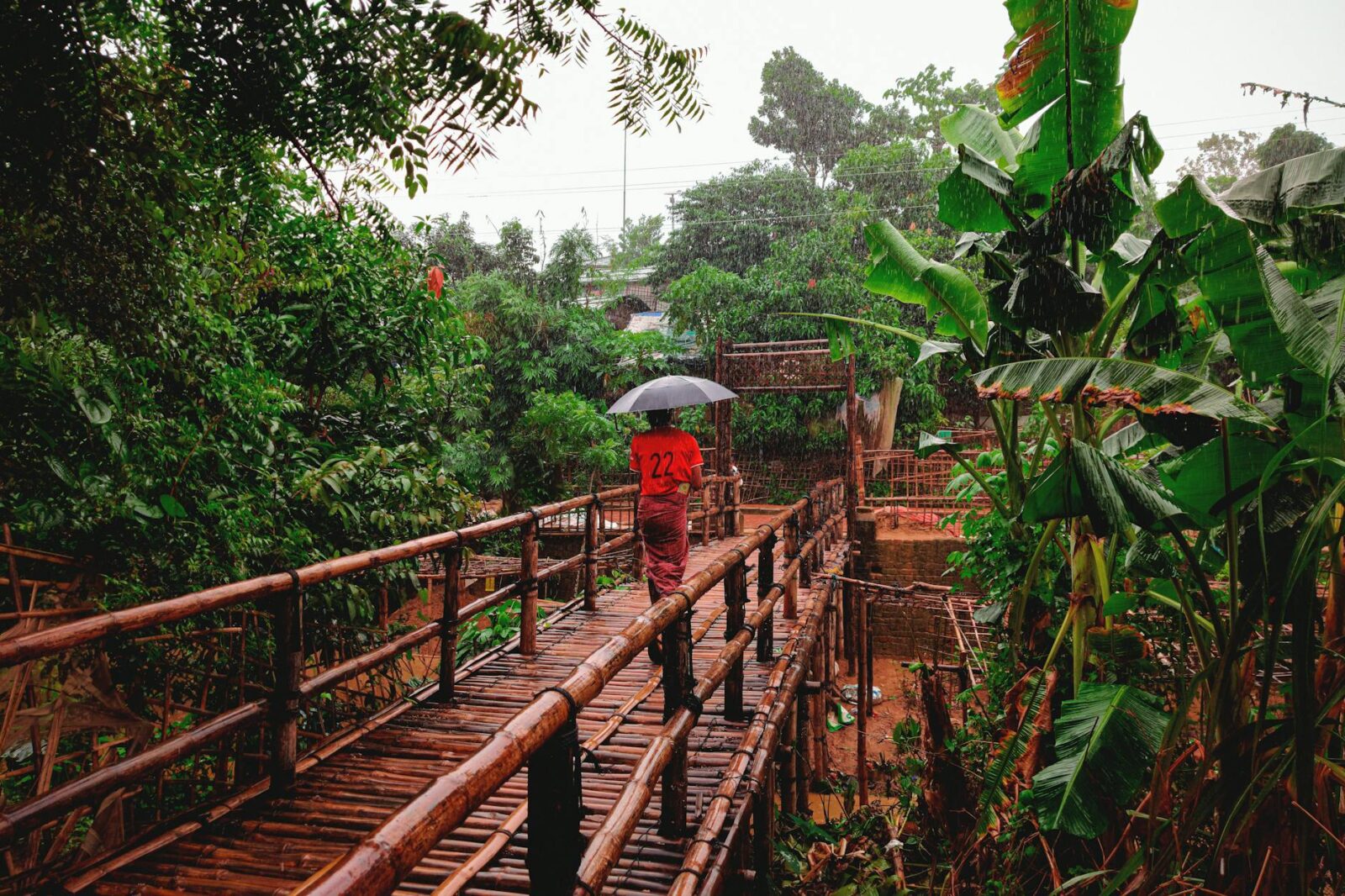
As May progresses, the temperatures rise, reaching up to 30°C (86°F) in the Terai region. The pre-monsoon showers begin to set in, especially in the afternoons, providing relief from the heat. While high-altitude treks remain doable, be prepared for occasional rain and muddy trails. This month is perfect for exploring the cultural heritage of the Kathmandu Valley before the monsoon fully arrives.
June to August: Embracing the Monsoon
The monsoon season arrives in full swing by June, bringing heavy rains and lush greenery. Trekking during these months can be challenging due to slippery trails and potential landslides. However, it is an excellent time for those seeking solitude and a unique perspective of Nepal’s landscapes. The Mustang region, lying in the rain shadow, offers a drier alternative for trekkers.
September: The Return of Clear Skies
September marks the end of the monsoon and the return of clearer skies. The temperatures are comfortable, ranging between 15°C and 28°C (59°F to 82°F). The landscapes are rejuvenated and fresh, making it a fantastic time for trekking. Popular routes like the Manaslu Circuit begin to see an influx of trekkers. The Dashain festival, a major Hindu celebration, also takes place, offering cultural insights.
October: The Pinnacle of Trekking
October is widely regarded as the best month for trekking in Nepal. The weather is stable, with clear skies and breathtaking views of the Himalayas. Temperatures are ideal for trekking, and all routes, including the challenging Annapurna Circuit, are open. Expect bustling trails, so early planning is essential to secure permits and accommodations.
November: A Quiet Respite
As November approaches, the trekking season begins to wind down. The temperatures start to drop, especially at higher altitudes, but the weather remains dry and clear. This is a great time for those looking to avoid the crowds while still enjoying excellent trekking conditions. The Tihar festival, known as the festival of lights, adds a festive atmosphere to your journey.
December: The Onset of Winter
December brings colder temperatures, with snow becoming more prevalent in the mountains. While high-altitude treks are less popular, the lower regions remain accessible for trekking and exploration. It’s an ideal time for cultural tours, with fewer tourists and a peaceful ambiance. The Gokyo Lakes trek offers stunning views of the Everest region without the usual crowds.
Permits and Essential Preparations
Travelers should secure a TIMS card (Trekkers’ Information Management System) and any necessary national park permits, costing approximately $30 USD each. It’s crucial to prepare for altitude sickness by acclimatizing properly and considering medications like Diamox. Ensure you have adequate evacuation insurance and use water purification tablets or filters to stay healthy.
Practical Trekking Tips
Hiring a guide or porter can greatly enhance your trekking experience. Expect to pay around $25 USD per day for a guide and $15 USD for a porter. Tipping is customary, with $5 to $10 USD per day recommended. Accommodations in teahouses cost between $5 to $10 USD per night, offering a cozy respite after a day on the trail.
Cultural Etiquette and Sustainable Practices
Respect local customs by dressing modestly and seeking permission before photographing people or religious sites. Support the local economy by purchasing handicrafts from artisans. Practice Leave No Trace principles to preserve Nepal’s natural beauty for future generations. Use refillable water bottles and avoid single-use plastics whenever possible.
FAQs for Nepal Trekkers
What is the best time to trek to Everest Base Camp?
The best times are from March to May and September to November, when the weather is stable and views are clear.
Do I need a visa to visit Nepal?
Yes, most nationalities require a visa to enter Nepal, which can be obtained on arrival at Kathmandu airport for $30 USD for 15 days.
How do I prevent altitude sickness?
Acclimatize gradually, stay hydrated, avoid alcohol, and consider taking Diamox. If symptoms persist, descend to a lower altitude immediately.
What should I pack for a trek in Nepal?
Pack layers of clothing, a good quality sleeping bag, trekking boots, a water purification system, and essential medications.
Is it safe to trek in Nepal?
Nepal is generally safe for trekkers, but it’s important to stay informed about weather conditions and follow local safety advice.
Stay informed with the latest travel news, visa updates, and destination guides. Follow HimalayanCrest.com for weekly travel intelligence delivered by our editorial team.