


A Landmark Decision in the UK Justice System
In a pivotal moment for the UK justice system, the sentence of Masoud Abdi, a convicted sexual predator, was increased from six to eleven years following intervention by the Solicitor General, Ellie Reeves KC MP. This decision, announced on June 5, 2026, underlines the commitment to holding sexual predators accountable and protecting vulnerable individuals, particularly teenagers, from online abuse.
The Details of the Case
Masoud Abdi was initially sentenced at Leeds Crown Court in September 2025 after pleading guilty to multiple charges, including sexual activity with a child and making indecent images of children. His actions involved grooming a 14-year-old girl via social media, a chilling reminder of the potential dangers lurking on online platforms. Despite his initial six-year sentence, the Court of Appeal, upon the Solicitor General’s referral under the Unduly Lenient Sentence Scheme, found the original punishment insufficient, hence the increase to an 11-year term.
Implications for the Justice System
The decision to extend Abdi’s sentence is not just a victory for justice but also a strong message about the UK’s stance on sexual offenses. It highlights the effectiveness of the Unduly Lenient Sentence Scheme in ensuring that sentences for serious crimes reflect the severity of the offenses. This case could set a precedent for future instances where sentences may seem disproportionately lenient, thus reinforcing the system’s role in delivering justice.

Global Comparisons: How Other Nations Handle Similar Cases
The UK’s proactive approach contrasts with policies in other countries. For example, in the United States, laws vary significantly by state, with some imposing life sentences for severe sexual offenses involving minors. In Sweden, the judicial system emphasizes rehabilitation, with maximum sentences often shorter but supplemented by stringent supervision and rehabilitation requirements. Such comparisons highlight the diversity in global judicial approaches to similar crimes.
What This Means for Travelers and Expats
While this case primarily concerns UK residents, it has broader implications for travelers and expatriates. Countries around the world, including those in the EU, often share information about sexual predators, which can impact an individual’s ability to travel or emigrate. Those with past convictions may face increased scrutiny or travel restrictions, underscoring the importance of understanding local laws and regulations.
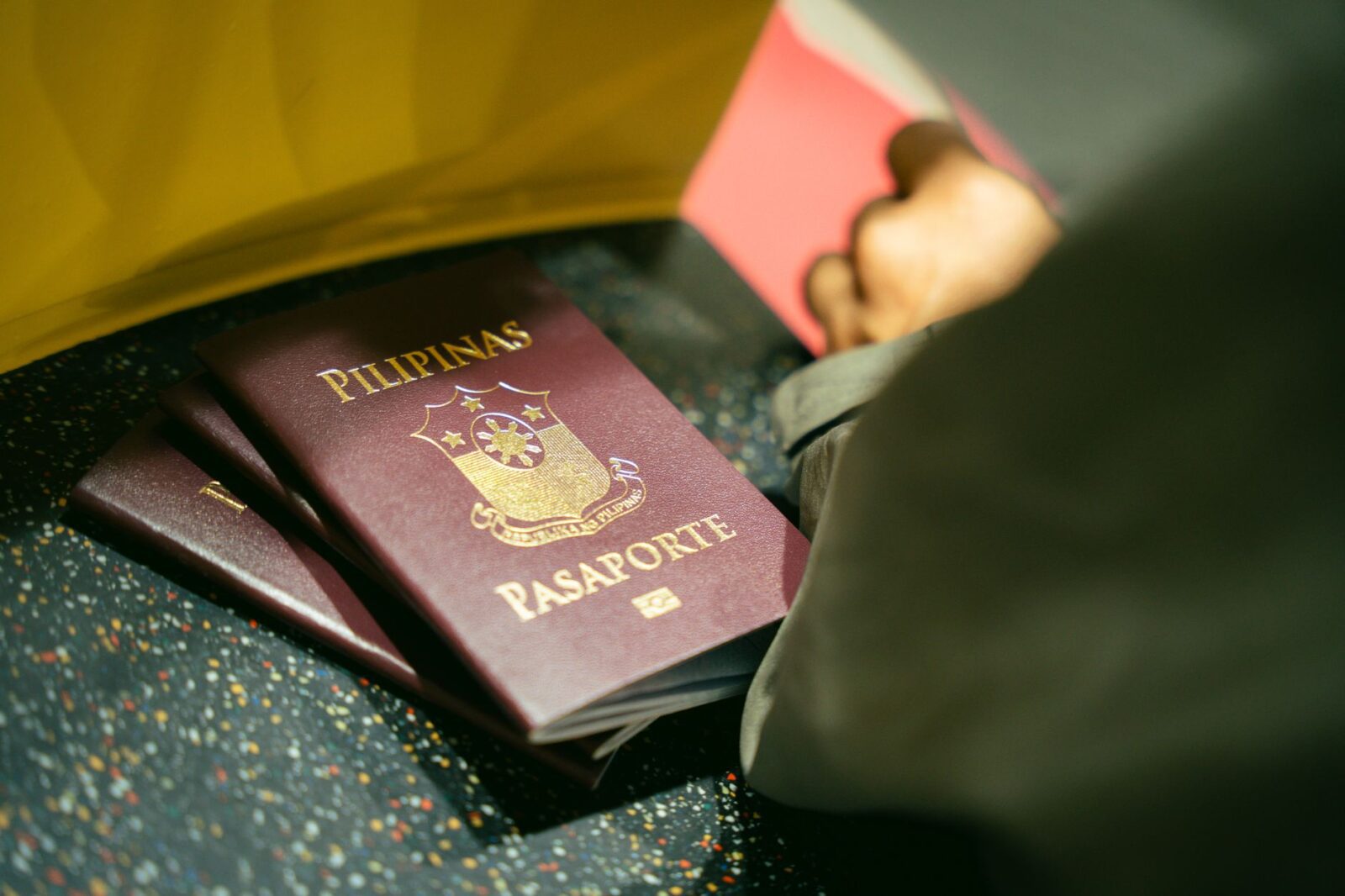
Steps for Affected Travelers
Travelers who have concerns about their eligibility due to past convictions should take proactive steps:
- Consult legal experts who specialize in immigration and criminal law.
- Check with the relevant country’s embassy or consulate for specific entry requirements.
- Consider applying for a rehabilitation certificate if applicable.
- Regularly check official government websites, such as GOV.UK, for updates.
Impact on Investors and Digital Nomads
For investors and digital nomads, this case serves as a reminder of the importance of due diligence and understanding the legal landscape in the countries where they operate. Legal issues can impact business operations, residency applications, and even lead to deportation in severe cases. It’s crucial to maintain a clean legal record and consult with legal professionals to navigate international laws effectively.
Future Outlook: Stricter Measures and Digital Safety
As technology continues to evolve, so too will the methods of those looking to exploit it for nefarious purposes. Governments worldwide are likely to implement stricter measures to combat online predation, including enhanced monitoring and harsher penalties. Travelers, investors, and digital nomads should stay informed about these developments to ensure compliance and safety.
FAQs
- What is the Unduly Lenient Sentence Scheme?
This UK scheme allows certain sentences to be reviewed if they appear too lenient. It applies to serious crimes such as sexual offenses. - How can a criminal conviction affect my travel plans?
Criminal convictions can lead to travel restrictions. It’s important to check entry requirements for each country you plan to visit. - Are there similar schemes in other countries?
Yes, many countries have mechanisms to appeal or review sentences perceived as too lenient, although the specifics vary. - What should I do if I am concerned about a past conviction?
Consult a legal expert and check with relevant embassies or consulates regarding entry requirements and potential restrictions. - How can I stay safe online?
Use privacy settings on social media, avoid sharing personal information with strangers, and report any suspicious behavior to authorities.
The increase in Masoud Abdi’s sentence serves as a critical reminder of the justice system’s role in protecting individuals from harm. It also highlights the importance of vigilance, both online and in understanding international laws, for travelers and expatriates. Share your thoughts and experiences in the comments below or reach out to us for more information.
Stay informed with the latest travel news, visa updates, and destination guides. Follow HimalayanCrest.com for weekly travel intelligence delivered by our editorial team.