

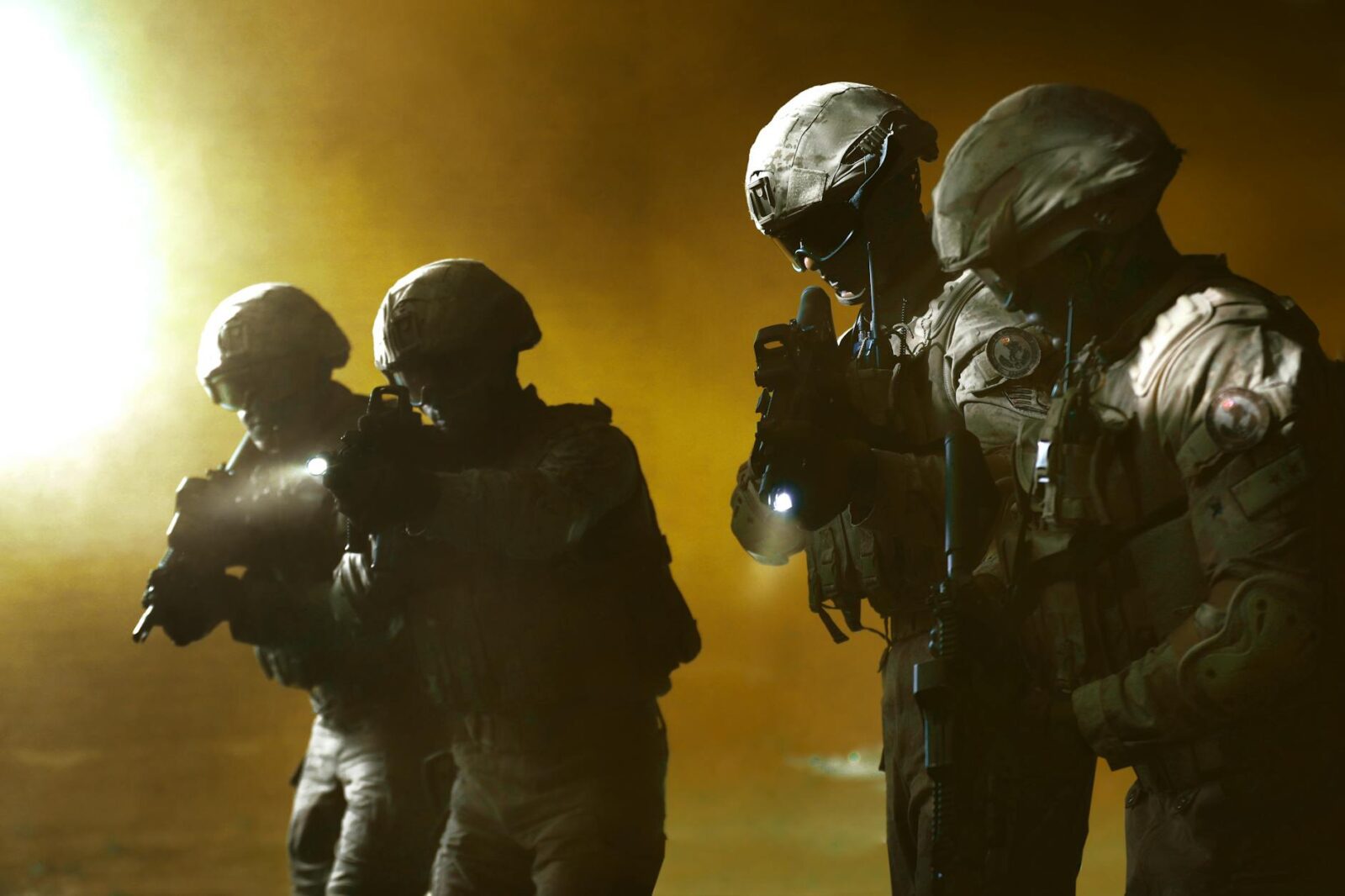
The Changing Face of Modern Warfare
The landscape of global defense and security is shifting at an unprecedented pace, a reality underscored by the recent speech delivered by the UK’s Minister for Armed Forces at the London Defence Conference. As the world grapples with technological advancements and geopolitical tensions, the Minister’s address highlighted the stark realities of modern warfare, with a particular focus on the ongoing conflict in Ukraine. This conflict serves as a poignant example of how warfare has evolved, with drones and missile technology playing a pivotal role.
Key Takeaways from the Minister’s Speech
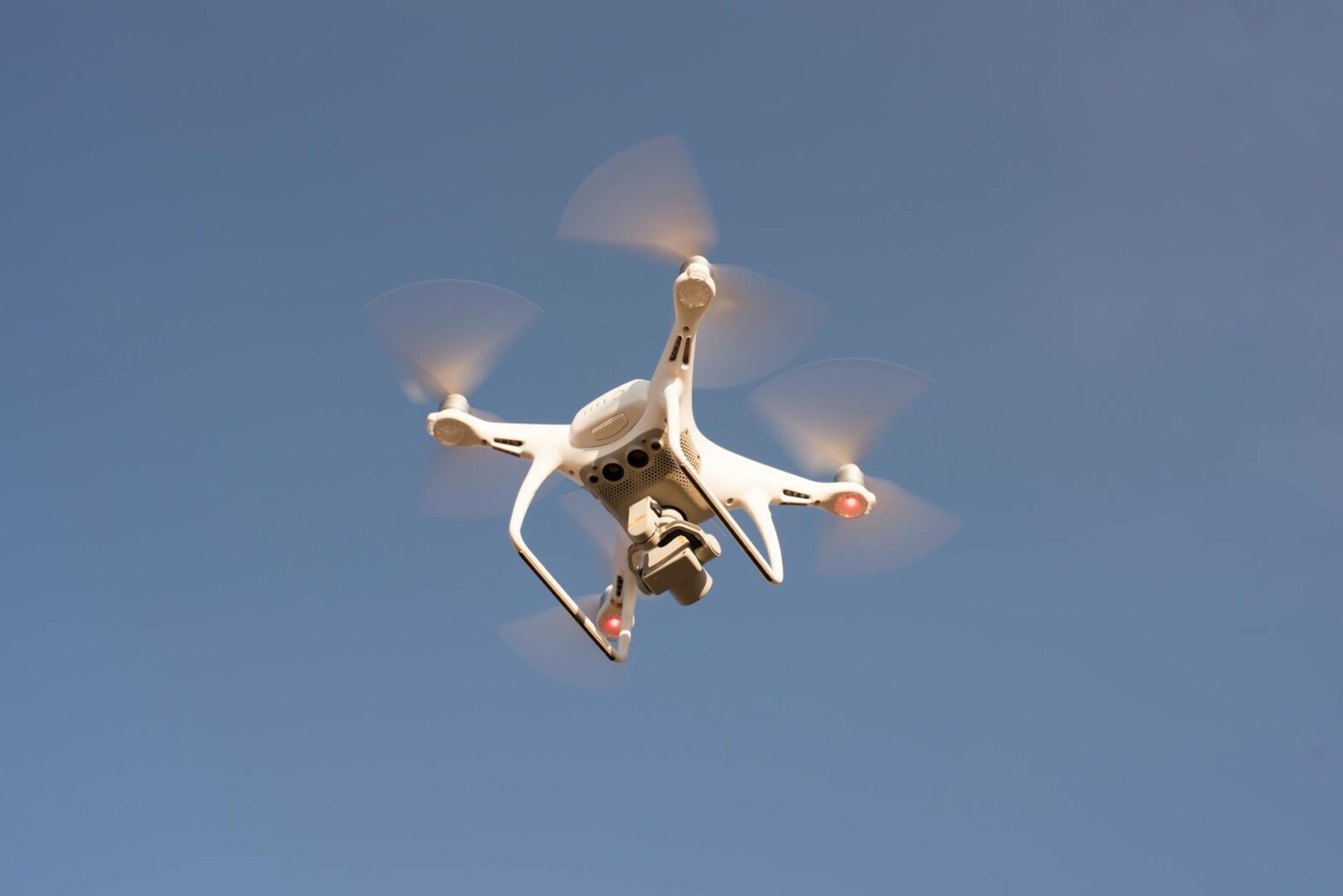
The Minister emphasized the rapid evolution of warfare, noting how Russia’s activities in Ukraine have showcased new strategies that heavily rely on drones and missile strikes. The sheer scale of these attacks is staggering, with reports of 7,000 daily strikes on the front lines and a total of 55,000 drone and missile attacks last year. This relentless assault not only tests Ukraine’s military resilience but also its civilian infrastructure, displacing millions and creating a humanitarian crisis.
Implications for Global Security and Defense Policies
The speech also highlighted the broader implications for global security and defense policies. As countries witness the technological capabilities being deployed in Ukraine, there is an urgent need to adapt defense strategies accordingly. The collaboration between Russia and Iran, sharing technology and tactics, poses additional challenges for global security. Countries around the world must reassess their defense capabilities and strategies to counter these emerging threats effectively.
Impact on Visa Policies and Immigration
While the speech primarily focused on defense, the implications extend to visa policies and immigration. In response to the increased threats, countries may tighten their security protocols, impacting visa issuance and immigration policies. Travelers, particularly those from conflict-affected regions, may face stricter scrutiny. It’s crucial for individuals planning to travel or relocate to stay informed about these potential changes and prepare accordingly.
Steps for Affected Travelers
For travelers and expatriates affected by these developments, there are several proactive steps to consider:
- Stay updated on the latest travel advisories from official government sources.
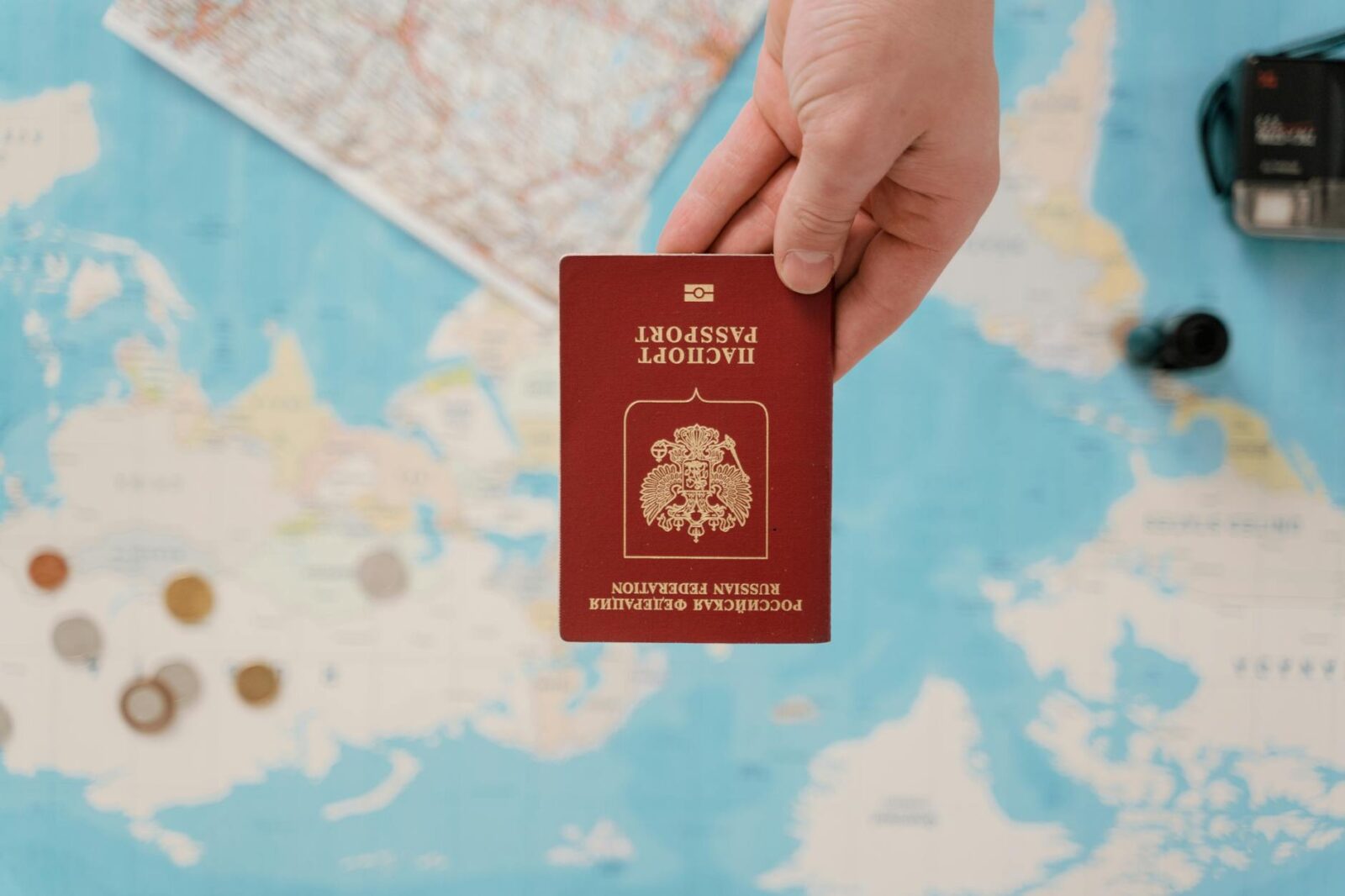
- Ensure all travel documents are current and valid, including passports and visas.
- Consider enrolling in travel alert programs offered by your home country.
- Consult with immigration experts or legal advisors if planning long-term relocation.
Additionally, accessing reliable information through official websites such as GOV.UK can provide critical updates and guidance.
Comparing Global Responses to Evolving Warfare
Different countries have varied approaches to handling similar geopolitical challenges. While the UK emphasizes adapting defense strategies, other nations might focus on diplomatic solutions or economic sanctions. For example, the European Union often seeks a balance between military preparedness and diplomatic engagement, whereas countries like the United States may prioritize technological advancements in defense capabilities.
Future Outlook for Investors and Digital Nomads
The evolving nature of global security has implications for investors and digital nomads. Regions affected by conflict or geopolitical tensions may see fluctuations in investment opportunities and economic stability. Digital nomads, who rely on stable environments for work, must consider these factors when choosing destinations. It’s advisable to research potential risks and consult with financial advisors to make informed decisions.
Frequently Asked Questions
How does the conflict in Ukraine affect global travel policies?
The conflict in Ukraine has led to increased security measures and potential changes in visa policies, especially for travelers from affected regions.
What are the technological advancements highlighted in the Minister’s speech?
The speech emphasized the use of drones and missile technology in modern warfare, showcasing their impact on both military and civilian targets.
How can travelers stay informed about visa and immigration changes?
Travelers should regularly check official government websites and consider enrolling in travel alert programs for timely updates.
What steps should investors take in light of geopolitical tensions?
Investors should assess potential risks, consult with financial advisors, and diversify their portfolios to mitigate the impact of geopolitical uncertainties.
Are there specific regions more affected by these developments?
Regions experiencing conflict, such as Eastern Europe and parts of the Middle East, are more directly affected, influencing global security dynamics.
Conclusion: Navigating a Complex Global Landscape
As the world witnesses the evolution of warfare and its far-reaching implications, staying informed and prepared is paramount. Whether you are a traveler, investor, or policy-maker, understanding these dynamics and adapting to changes will be crucial in navigating the complex global landscape. We encourage readers to share their thoughts and insights in the comments section below, fostering a community of informed global citizens.
Stay informed with the latest travel news, visa updates, and destination guides. Follow HimalayanCrest.com for weekly travel intelligence delivered by our editorial team.