

A Surprising Gift Across the Atlantic
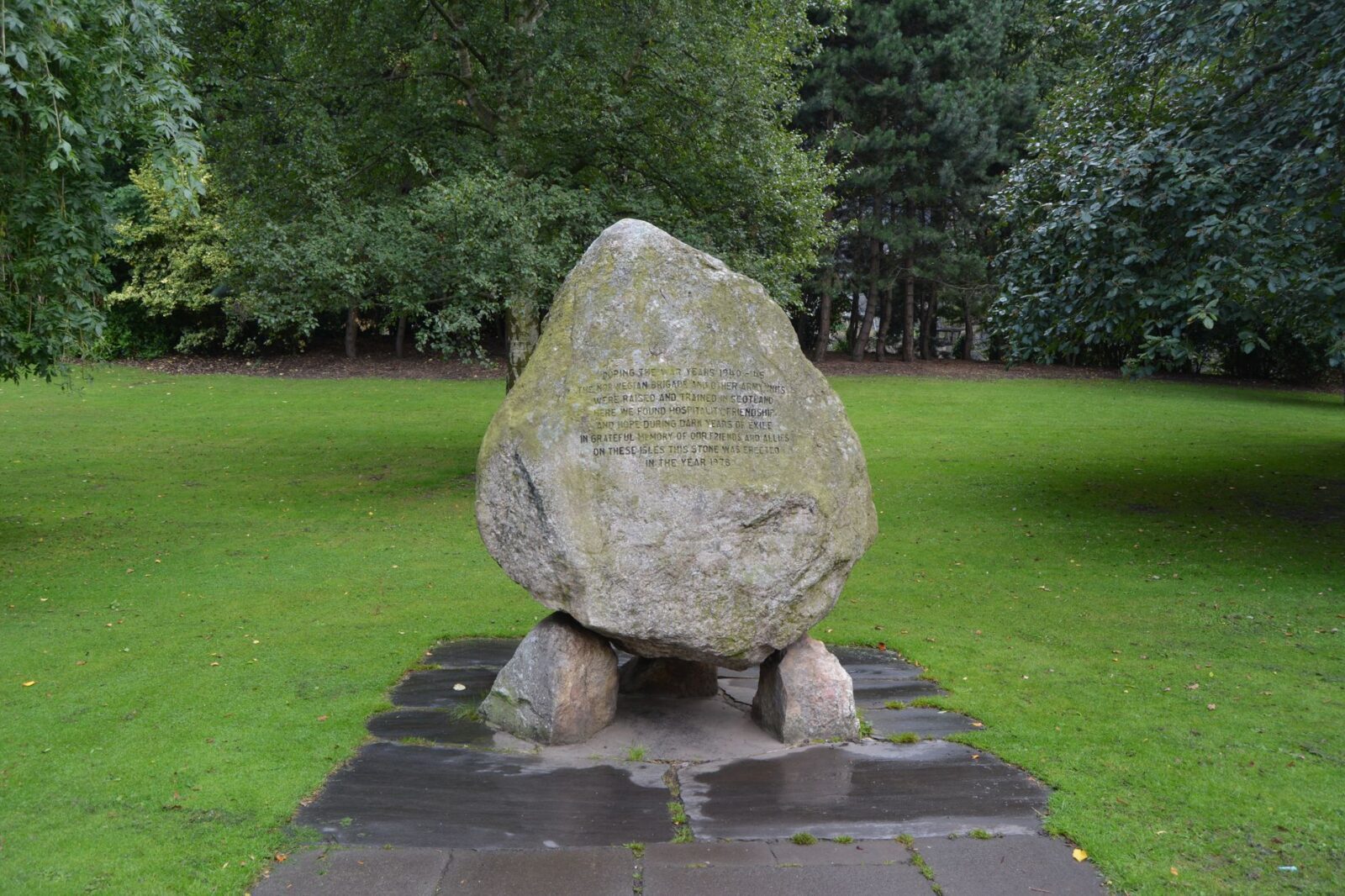
In an unexpected corner of the United Kingdom, close to the historic site of Runnymede where the Magna Carta was signed in 1215, lies an acre of American soil. This plot is not an ordinary piece of land; it serves as a poignant memorial to President John F. Kennedy. The land was gifted to the American people by Queen Elizabeth II in the 1960s, symbolizing a strong transatlantic bond and a shared commitment to the ideals of liberty.
The Historical Context of the JFK Memorial
Following the tragic assassination of President Kennedy on November 22, 1963, the British government sought to honor his legacy through a permanent memorial. Numerous proposals were considered, ranging from statues to museums. Eventually, the Kennedy Trust was established to create a dual tribute: scholarships as a ‘living memorial’ and a physical monument ‘in landscape and stone’.
Queen Elizabeth II offered a site at Runnymede, which holds historical significance for its association with the Magna Carta. On this acre of land, sculptor Alan Collins crafted a seven-ton block of white Portland stone, inscribed with words from Kennedy’s inaugural address and a dedication that reads, ‘This acre of English ground was given to the United States of America by the people of Britain in memory of John F. Kennedy, President of the United States 1961-63, died by an assassin’s hand, 22 November 1963.’
A Unique Transatlantic Tribute
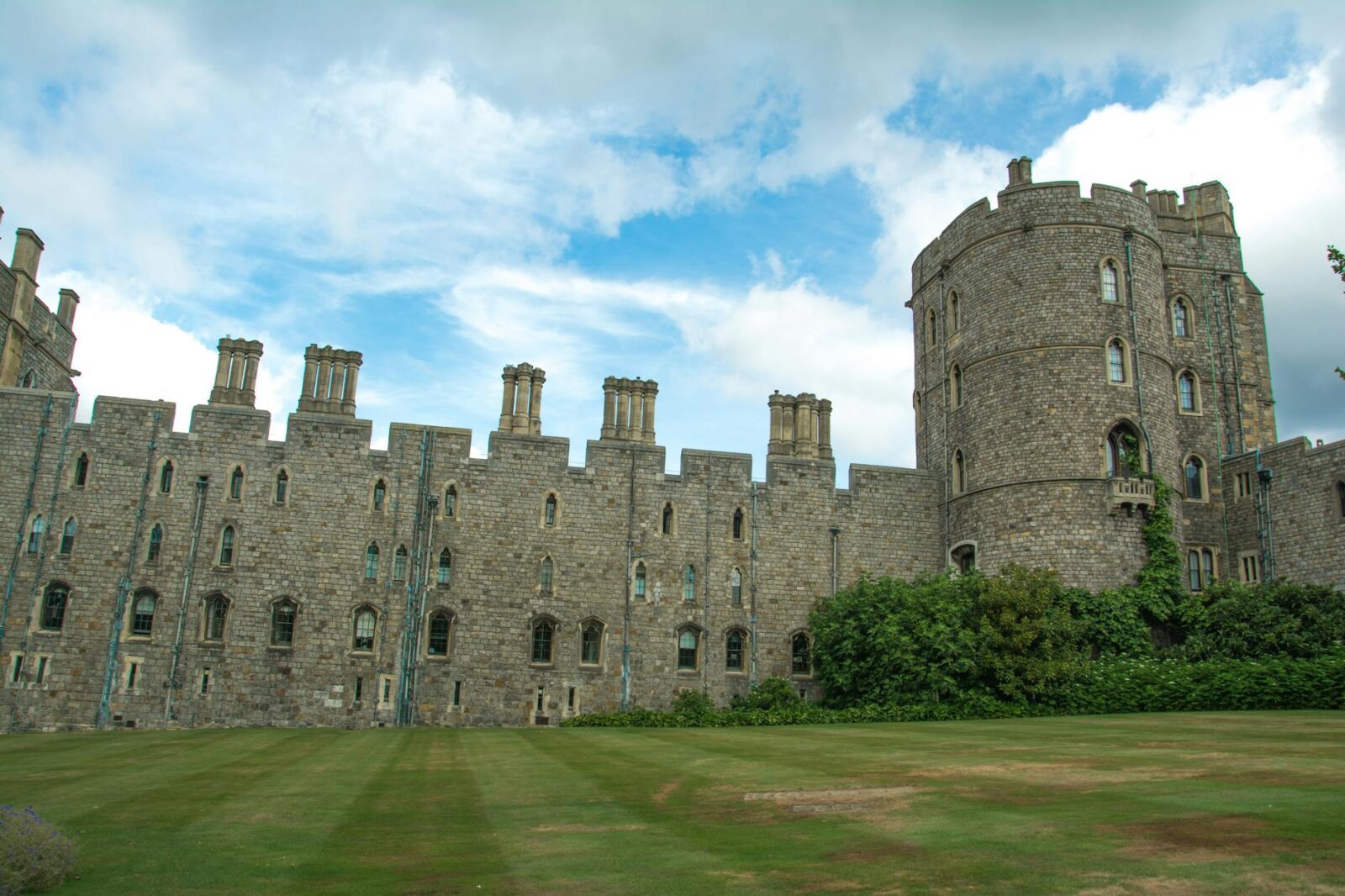
This memorial is a unique testament to the enduring relationship between the United States and the United Kingdom. As King Charles III highlighted during a recent address to Congress, it symbolizes a shared resolve in support of liberty. The memorial, located just a short drive from Windsor Castle, stands not only as a remembrance of a revered leader but also as a reminder of the deep historical ties and mutual respect between the two nations.
Impact on Global Travel Trends
The existence of U.S. soil in the U.K. is a fascinating point of interest for travelers, particularly those with a penchant for history and international relations. In recent years, there has been a growing trend of travelers seeking out unique and meaningful destinations. The JFK Memorial at Runnymede offers such an experience, blending historical significance with the beauty of the English countryside.
As international travel continues to recover post-pandemic, destinations that offer both outdoor and educational experiences are increasingly popular. The JFK Memorial provides a serene yet profound setting for reflection, making it an attractive addition to travel itineraries.
Practical Tips for Visiting the Memorial
Travelers planning a visit to the JFK Memorial should consider several practical aspects to enhance their experience. The site is open year-round, and admission is free. Visitors can easily reach Runnymede by car, as it is conveniently located about 15 minutes from Windsor Castle. For those relying on public transportation, there are regular train services from London to nearby stations.
- Plan your visit during the spring or summer months when the surrounding landscape is at its most vibrant.
- Combine your trip with a visit to other nearby historical sites, such as Windsor Castle and Eton College.
- Allocate at least an hour to fully appreciate the memorial and its surroundings.
What Lies Ahead for Transatlantic Memorials?
As geopolitical landscapes shift, memorials like the JFK site at Runnymede play a crucial role in maintaining historical narratives and fostering international cooperation. The ongoing interest in such sites suggests a future where historical tourism continues to thrive, driven by a global audience eager to connect with past events and their modern implications.
Looking forward, travelers can expect more interactive and digitally enhanced experiences at historical sites, making them accessible and engaging for a diverse audience. The trend toward sustainable tourism also suggests that these sites will increasingly focus on preserving the natural environment alongside their historical narratives.
Budgeting for Your Historical Adventure
While visiting the JFK Memorial itself is free, travelers should consider other costs associated with their trip. Accommodation in the Windsor area can range from budget options around $100 per night to luxury stays exceeding $300. Dining costs vary, with local pubs offering meals for about $20, while more upscale restaurants may charge upwards of $50.
To manage expenses effectively, consider booking accommodations and transportation in advance. Look for deals on train tickets or consider car rentals for greater flexibility in exploring the wider area.
FAQs About the JFK Memorial at Runnymede
What is the JFK Memorial at Runnymede?
The JFK Memorial is a tribute to President John F. Kennedy, gifted by Queen Elizabeth II to the American people. It consists of an acre of land in Runnymede, U.K., featuring a stone monument engraved with Kennedy’s words and a dedication.
How do I get to the JFK Memorial?
The memorial is accessible by car, located approximately 15 minutes from Windsor Castle. Public transport options include trains from London to nearby stations, followed by a short taxi ride.
Is there an entrance fee for the JFK Memorial?
No, there is no entrance fee. The site is open to the public year-round, offering free access to visitors.
What are the nearby attractions to visit along with the JFK Memorial?
Visitors can explore Windsor Castle, Eton College, and the scenic Runnymede countryside. Each site offers a unique glimpse into British history and culture.
Why was the land at Runnymede chosen for the memorial?
Runnymede holds historical significance as the site where the Magna Carta was signed. The choice symbolizes shared values of liberty and justice between the U.S. and the U.K.
Conclusion
The JFK Memorial at Runnymede is more than a tribute to a beloved leader; it is a symbol of enduring friendship between nations. As travelers seek meaningful experiences, this unique site offers both historical insight and a serene setting. We invite readers to share their thoughts and experiences, fostering a global dialogue about the importance of preserving such memorials for future generations.
Stay informed with the latest travel news, visa updates, and destination guides. Follow HimalayanCrest.com for weekly travel intelligence delivered by our editorial team.